Advanced Mobility Needs: An Evidence-Based Guide for Patients
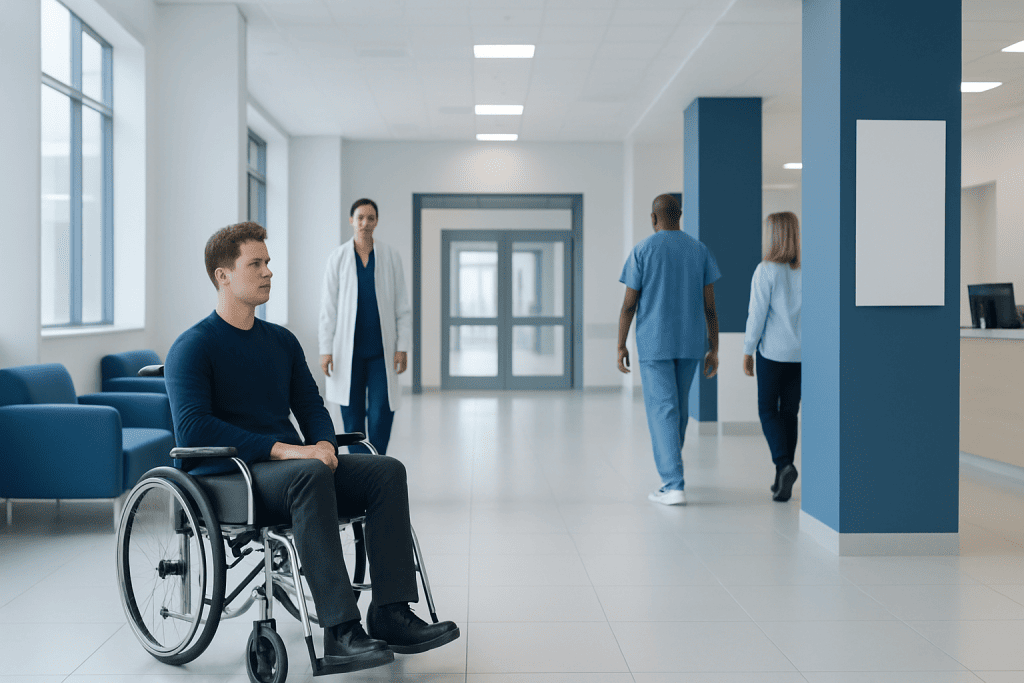
Advanced mobility needs can affect walking, transfers, balance, endurance, and everyday activities at home, work, or in the community. The best plan starts with identifying the underlying cause, such as neurologic disease, arthritis, stroke, spinal problems, injury, or age-related decline.
Key Takeaways
- Advanced mobility needs can affect walking, transfers, balance, endurance, and everyday activities at home, work, or in the community.
- The best plan starts with identifying the underlying cause, such as neurologic disease, arthritis, stroke, spinal problems, injury, or age-related decline.
- Treatment often includes physical rehabilitation, occupational therapy, mobility aids, pain management, and home safety adaptations.
- The right wheelchair, cane, walker, brace, or transfer aid should be professionally selected and fitted to reduce falls and strain.
- New or rapidly worsening weakness, falls, numbness, severe pain, or changes in bladder or bowel control need prompt medical assessment.
Advanced mobility needs refer to significant difficulty moving safely and independently because of illness, injury, disability, pain, weakness, or balance problems. Care usually combines medical evaluation, rehabilitation, assistive devices, environmental changes, and practical support tailored to daily life.
Overview: what advanced mobility needs mean
Advanced mobility needs describe more than occasional stiffness or getting tired after activity. The term usually refers to ongoing, meaningful difficulty with movement that affects safety, independence, or participation in daily life. A person may struggle with walking, standing up from a chair, climbing stairs, transferring from bed to wheelchair, maintaining balance, or moving around outside the home.
These needs can arise from many different health conditions, including neurologic disorders, muscle weakness, joint disease, spinal problems, injury, chronic pain, heart or lung disease, and age-related frailty. Some people have a stable condition and need long-term support, while others develop mobility problems after surgery, illness, or an acute event such as stroke.
An evidence-based approach focuses on function as well as diagnosis. Instead of asking only what disease is present, clinicians also assess what the person can do safely, what tasks are difficult, what environments create barriers, and what support may improve independence. This often leads to a combination of rehabilitation, assistive technology, caregiver training, and practical home adjustments.
How advanced mobility needs affect daily life
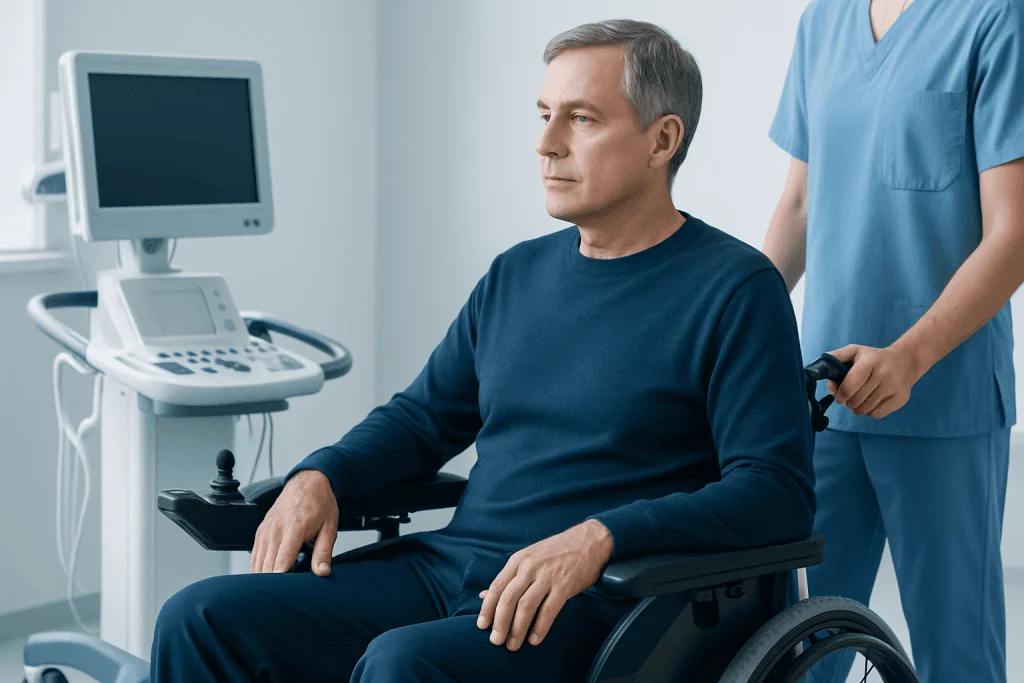
Mobility problems often affect much more than walking. They can influence personal care, dressing, bathing, toileting, cooking, shopping, work, school, and social activities. Even short distances may become difficult when weakness, poor balance, pain, stiffness, shortness of breath, tremor, or fatigue are present.
Many people also experience indirect effects. Reduced movement may lead to muscle loss, deconditioning, constipation, pressure injuries, sleep disruption, and lower confidence. Fear of falling can cause someone to avoid activity, which can worsen weakness and make mobility even harder over time.
Family members and caregivers may also need guidance. Safe transfers, wheelchair positioning, fall prevention, and transportation planning can reduce strain for both the person and those helping them. Good mobility care therefore looks beyond symptoms and considers the whole routine of daily living.
- Common affected activities include walking outdoors, bathing, dressing, transferring, and using stairs.
- Emotional well-being matters too, especially when mobility loss changes independence.
- Early support can help preserve function and reduce avoidable complications.
Common causes and risk factors

Advanced mobility needs can result from a single condition or several overlapping problems. Common causes include osteoarthritis, inflammatory joint disease, fractures, spinal stenosis, nerve compression, muscle disorders, peripheral neuropathy, balance disorders, Parkinsonian conditions, and recovery after major surgery or prolonged hospitalization. Chronic illnesses that reduce endurance, such as heart failure or lung disease, may also contribute.
Neurologic conditions are especially important to assess because they can affect strength, coordination, sensation, and balance. Examples include Parkinson’s disease, multiple sclerosis, spinal cord disorders, and post-stroke weakness. In other people, mobility declines because pain limits movement, leading to progressive inactivity and loss of muscle strength.
Risk factors include older age, prior falls, vision problems, obesity, poorly fitting footwear, sedating medications, untreated pain, and unsafe home layouts. Diabetes, osteoporosis, foot problems, and reduced cognition can also increase the risk of instability and injury. Understanding the full picture helps clinicians target the most useful interventions rather than focusing on one symptom alone.
Assessment and diagnosis
Assessment usually begins with a detailed medical history and functional review. Clinicians ask when the problem began, whether it is worsening, what activities are limited, whether falls have occurred, and whether symptoms such as pain, numbness, tremor, dizziness, or shortness of breath are present. Medication review is important because some drugs can affect alertness, blood pressure, or balance.
The physical examination may include gait assessment, joint movement, muscle strength, reflexes, sensation, posture, and standing balance. Depending on the suspected cause, the person may need imaging, blood tests, nerve studies, or specialist evaluation. If weakness, coordination problems, or signs of spinal involvement are present, neurologic or orthopedic assessment may be recommended, sometimes with MRI scanning to clarify the cause.
Function is measured in practical terms, not just by test results. Rehabilitation professionals may assess transfers, stair use, endurance, wheelchair skills, hand function, and the ability to manage everyday tasks. Occupational therapy can be particularly helpful when evaluating home barriers, bathroom safety, and equipment needs.
Because mobility needs can change, reassessment matters. A device or exercise plan that worked months ago may no longer be safe or effective if pain, weakness, or the living environment has changed.
Treatment and support options
Treatment depends on the underlying cause and the person’s goals. In many cases, the core of care is physical therapy and rehabilitation, which may focus on strengthening, balance training, gait practice, transfer skills, posture, endurance, and fall prevention. Occupational therapy can improve safety and independence with dressing, bathing, toileting, kitchen tasks, and use of adaptive equipment.
Assistive devices can make movement safer and less tiring when selected and fitted correctly. Options may include canes, walkers, wheelchairs, ankle-foot orthoses, transfer boards, grab bars, raised toilet seats, shower chairs, and pressure-relief cushions. The goal is not simply to provide equipment, but to match the right support to the person’s body, environment, and daily tasks.
Medical treatment may also be needed. This can include management of arthritis, spasticity, neuropathy, osteoporosis, balance disorders, or chronic pain. In selected cases, procedures or surgery can improve mobility, especially when structural problems in the spine or joints are involved. Some people benefit from specialist pain care such as pain management as part of a broader rehabilitation plan.
If severe joint damage is the main barrier to movement, orthopedic treatment may be discussed. For example, carefully selected patients with advanced knee disease may improve function after knee replacement, followed by rehabilitation. The most effective care plans are individualized, realistic, and regularly reviewed.
Self-care, home adaptations, and long-term planning
Self-care for advanced mobility needs is most effective when it is specific and sustainable. Regular movement within safe limits helps maintain strength, joint flexibility, circulation, and confidence. This may include prescribed exercises, short scheduled walks, bed or chair exercises, stretching, and techniques taught by rehabilitation professionals.
Home adaptations can reduce falls and make everyday tasks easier. Useful changes often include removing loose rugs, improving lighting, installing handrails, using non-slip bathroom surfaces, keeping frequently used items within reach, and arranging furniture to create clear pathways for walkers or wheelchairs. Footwear should be stable and well fitting.
Long-term planning is also important. Some people need review of driving safety, work accommodations, transportation options, pressure-area care, nutrition support, or caregiver assistance. Others may need a plan for flare-ups, fatigue management, or what to do after a fall. Small practical steps can make a large difference in comfort and independence.
For international patients needing coordinated assessment, Acibadem International’s multidisciplinary specialists in JCI-accredited hospitals evaluate mobility problems and plan rehabilitation, medical treatment, and supportive care according to individual needs.
When to seek medical care
Medical assessment is important when mobility problems are new, persistent, or getting worse. A doctor should also review recurrent falls, increasing pain, major changes in walking pattern, or difficulty with daily tasks that were previously manageable. Early evaluation may prevent complications and help maintain independence.
Urgent care is needed if there is sudden weakness, a new inability to walk, severe back or neck pain after injury, loss of bladder or bowel control, chest pain, shortness of breath, fainting, or symptoms suggesting stroke such as facial drooping, speech difficulty, or one-sided weakness. These symptoms may indicate a serious underlying problem and should not be ignored.
People who use mobility aids should seek review if the device causes pain, skin irritation, instability, or poor posture. Equipment that is incorrectly sized or no longer suited to the person’s needs can increase fall risk instead of reducing it.
Frequently asked questions
What are advanced mobility needs?
Advanced mobility needs are significant movement-related difficulties that affect safety, independence, or participation in daily life. They may involve walking, balance, transfers, standing, stair use, wheelchair mobility, or managing everyday tasks at home and in the community.
Who may have advanced mobility needs?
People of any age can have advanced mobility needs, although they are more common in older adults and in people with chronic illness, disability, or injury. Common contributing conditions include arthritis, stroke, neurologic disease, spinal disorders, fractures, chronic pain, and severe deconditioning.
Can mobility improve with treatment?
In many cases, yes. Improvement depends on the cause, the severity of functional loss, overall health, and access to appropriate treatment such as rehabilitation, medical management, assistive devices, and home adaptations. Even when a condition cannot be cured, function and safety can often be improved.
What is the difference between a mobility aid and rehabilitation?
A mobility aid is a device such as a cane, walker, or wheelchair that supports movement and safety. Rehabilitation is a broader treatment approach that may include exercises, gait training, transfer practice, pain strategies, and education to improve function over time.
How is the right walker or wheelchair chosen?
The best device depends on strength, balance, endurance, posture, arm function, home layout, and daily activities. Professional assessment is important because a poorly fitted aid can increase discomfort, poor posture, or fall risk.
When are home modifications necessary?
Home modifications are helpful when the environment makes movement unsafe or unnecessarily difficult. They are often recommended after falls, when stairs become challenging, or when bathroom transfers, doorway access, or wheelchair use create daily barriers.
References
- World Health Organization
- Centers for Disease Control and Prevention
- National Institute on Aging
- American Academy of Physical Medicine and Rehabilitation
- National Institute of Neurological Disorders and Stroke
This article is for general information only and is not a substitute for professional medical advice. Please consult a qualified doctor about your individual situation.
Explore treatments in Turkey — costs, top hospitals & a free quote
JCI-accredited · board-certified surgeons · reply within 24h
Add us as a Preferred Source to see more of our trusted health content across Google Search, AI Overviews and Discover.
Check your numbers in seconds
BMI, calories, due date, blood pressure and 30+ more clinical calculators — free, instant, doctor-reviewed ranges.