Has Anyone Died From the Watchman Procedure: A Complete Medical Overview

Deaths from the Watchman procedure have been reported, but they are rare. The procedure is used to lower stroke risk in certain people with atrial fibrillation who may not be ideal candidates for long-term anticoagulants.
Key Takeaways
- Deaths from the Watchman procedure have been reported, but they are rare.
- The procedure is used to lower stroke risk in certain people with atrial fibrillation who may not be ideal candidates for long-term anticoagulants.
- Serious complications can include bleeding, heart injury, stroke, device-related clot, or problems with device placement.
- Careful patient selection, experienced operators, and follow-up imaging help improve safety.
- Patients should seek urgent medical care after the procedure for chest pain, shortness of breath, fainting, severe bleeding, or stroke symptoms.
Yes, deaths have been reported after the Watchman procedure, but they are uncommon. For carefully selected patients, this device-based treatment is generally considered safe, and its risks are weighed against the risk of stroke and bleeding from long-term blood thinners.
Overview: the short answer
Has anyone died from the Watchman procedure? Yes. Deaths have been reported, usually as a result of serious complications such as bleeding, injury to the heart, stroke, or other major procedural events. However, these outcomes are uncommon, and for many appropriately selected patients the procedure offers an important benefit by lowering stroke risk related to atrial fibrillation.
The Watchman device is used to close off the left atrial appendage, a small pouch in the heart where blood clots often form in people with non-valvular atrial fibrillation. By sealing this area, the procedure aims to reduce the chance that a clot will travel to the brain and cause a stroke. It is often considered for people who need stroke prevention but have concerns about staying on blood thinners long term.
A balanced discussion matters because no heart procedure is completely risk-free. The important medical question is not only whether a serious complication can happen, but how that risk compares with the patient’s ongoing risk of stroke, major bleeding, and overall heart health without the procedure.
What the Watchman procedure is and why it is done
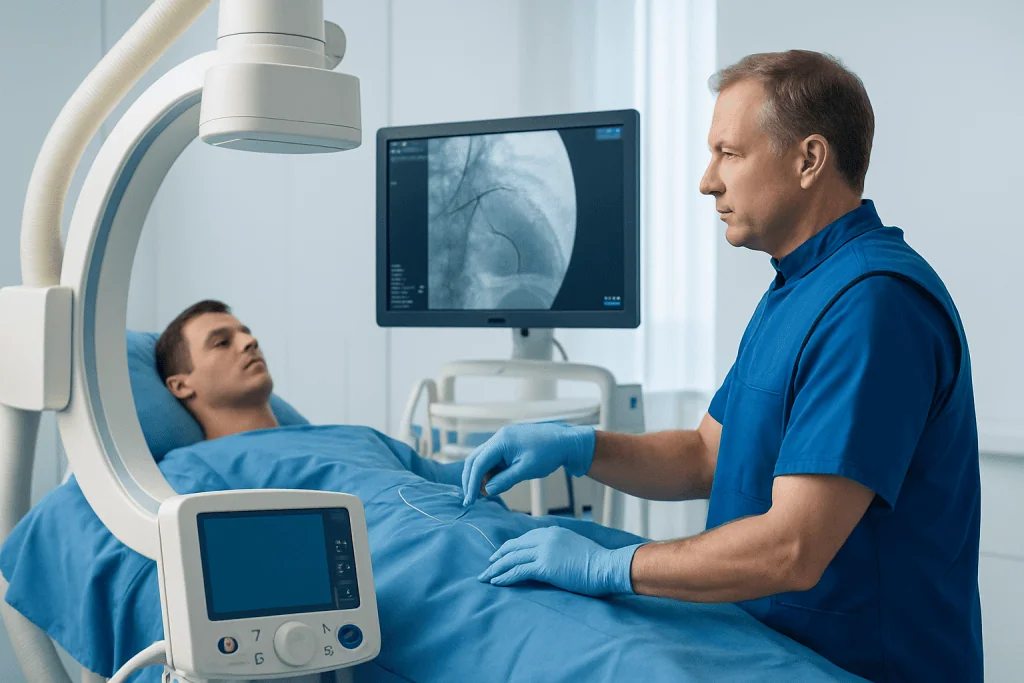
The Watchman procedure is a type of left atrial appendage closure. It is usually performed through a catheter inserted in a blood vessel, most often through the groin, rather than through open-heart surgery. The device is guided into the heart and positioned to seal the left atrial appendage.
It is mainly used for people with atrial fibrillation that is not caused by a significant heart valve problem. In atrial fibrillation, the upper chambers of the heart beat irregularly, which can allow blood to pool and clot. Blood thinners are commonly used to reduce stroke risk, but not every patient can take them safely over the long term.
Doctors may consider the Watchman device when a person has a meaningful stroke risk and also has a reason to avoid or limit lifelong anticoagulation, such as a history of bleeding, high bleeding risk, or difficulty maintaining safe treatment. In this setting, the procedure is one option among several forms of stroke prevention, including medicines and other structural heart approaches such as cardiology care and catheter-based planning.
Can the Watchman procedure be fatal?

Yes, but fatal outcomes are rare. Like other invasive heart procedures, left atrial appendage closure carries a small risk of severe complications. Medical teams discuss this risk before treatment as part of informed consent, especially because the people being evaluated often have other heart or age-related health concerns that can also affect outcomes.
The complications most closely linked to death are usually major bleeding, perforation of the heart, fluid building up around the heart that affects pumping, procedure-related stroke, device embolization, or severe problems related to anesthesia or vascular access. In some cases, events happen during the procedure; in others, they may occur in the hours or days afterward.
It is also important to separate procedure-related death from death in a patient who happened to have undergone the procedure. Many people considered for the Watchman device are older adults with atrial fibrillation, high stroke risk, and multiple medical conditions. Their overall health profile may already include increased risks unrelated to the device itself.
For this reason, doctors evaluate the whole picture: stroke risk without closure, bleeding risk on anticoagulants, heart anatomy, kidney function, lung health, frailty, and the ability to attend follow-up visits. This individualized approach helps determine whether the benefits are likely to outweigh the risks.
Main risks and complications to understand
Most Watchman procedures are completed without life-threatening problems, but patients should still understand the complications that can occur. The procedure involves entering the heart, crossing from the right side to the left side through the atrial septum, and deploying a device in a delicate structure. Each step requires precision.
Potential complications may include:
- Bleeding at the catheter entry site or internally
- Perforation of the heart or pericardial effusion
- Cardiac tamponade, which is pressure on the heart from surrounding fluid
- Stroke or transient ischemic attack
- Air embolism or blood clot forming on the device
- Device malposition or device embolization
- Infection
- Problems related to anesthesia, contrast dye, or blood vessels
Some risks are immediate, while others can appear later. For example, a clot may form on the device after placement, or a small leak around the device may be seen on follow-up imaging. This is why patients are usually prescribed blood-thinning or antiplatelet medication for a period after the procedure and are asked to return for imaging, often with transesophageal echocardiography.
Risk is not the same for every patient. Factors such as advanced age, prior bleeding, kidney disease, complex heart anatomy, severe heart failure, and other chronic illnesses may influence both procedural safety and recovery.
How doctors lower the risk
Safety starts before the procedure. Doctors carefully review the patient’s history, current medicines, stroke risk, and bleeding risk. They also assess the shape and size of the left atrial appendage using heart imaging to determine whether the device is suitable and to plan the procedure.
During the intervention, imaging guidance is crucial. Echocardiography and fluoroscopy help the team position the device correctly and check for complications right away. Experienced structural heart specialists, anesthesiology support, and well-defined hospital protocols also help reduce avoidable risks.
After placement, follow-up is a major part of safe care. Patients are usually monitored for bleeding, rhythm problems, and signs of stroke or pericardial effusion. Over the following weeks, repeat imaging helps confirm that the device is stable, the appendage is adequately sealed, and no clot has formed on the device.
When needed, patients may be managed through broader cardiovascular surgery and structural heart services if anatomy is complex or complications arise. At specialized centers, multidisciplinary teams review each case to choose the safest stroke-prevention strategy.
Recovery, warning signs, and when to seek medical care
Most patients stay in the hospital for observation and go home relatively soon if there are no complications. Mild soreness or bruising at the catheter site can be expected. However, recovery instructions should be followed carefully, especially regarding activity limits, medicines, and follow-up appointments.
Patients should seek urgent medical care right away if they develop chest pain, sudden shortness of breath, fainting, rapid swelling or bleeding at the groin site, coughing up blood, severe weakness, or symptoms of stroke such as facial drooping, trouble speaking, confusion, sudden numbness, or loss of balance. These symptoms do not always mean a serious complication has occurred, but they should never be ignored.
It is also important to call the treating team for fever, worsening fatigue, black stools, unusual bruising, or any concern about medications prescribed after the procedure. Because blood-thinning treatment often continues for a period after implantation, seemingly minor bleeding can still need medical advice.
For patients with ongoing rhythm or stroke-prevention concerns, doctors may also discuss broader arrhythmia treatment options and long-term monitoring. If symptoms suggest a neurologic event, prompt evaluation for stroke is essential.
Who may be a good candidate and who may need extra caution
The Watchman procedure is not meant for every person with atrial fibrillation. It is generally considered when stroke prevention is necessary but long-term anticoagulation is difficult, unsafe, or not preferred after careful medical discussion. Suitability depends on the type of atrial fibrillation, heart anatomy, and overall health status.
Extra caution may be needed in people with active infection, certain clotting disorders, untreated bleeding problems, left atrial appendage anatomy that does not fit the device well, severe illness, or inability to take the temporary medications needed after implantation. In some situations, another treatment strategy may be safer.
Shared decision-making is central. Patients benefit from asking what their stroke risk is without the procedure, what their bleeding risk is with medication alone, what complications are most relevant to them personally, and how often the treating center performs this type of intervention. A procedure can be appropriate and still require a thoughtful discussion of risk.
Near the end of the care pathway, some patients may choose evaluation at a specialized international center. Acibadem International’s multidisciplinary specialists and JCI-accredited hospitals diagnose and treat atrial fibrillation and structural heart conditions for international patients when advanced assessment is needed.
Frequently asked questions
How common is death from the Watchman procedure?
Deaths have been reported, but they are uncommon. The exact risk varies by patient factors, operator experience, and the center performing the procedure, so an individual estimate should come from the treating cardiologist.
Why would someone choose the Watchman procedure instead of blood thinners?
Some people have a high stroke risk from atrial fibrillation but also have a significant bleeding risk or another reason that long-term anticoagulants are not ideal. In those cases, left atrial appendage closure may offer a different way to reduce stroke risk.
What is the most serious complication of the Watchman procedure?
Serious complications can include major bleeding, perforation of the heart, fluid around the heart that affects circulation, stroke, or device-related clot. These events are uncommon, but they are the reason the procedure requires careful planning and follow-up.
Is the Watchman procedure safer than staying on blood thinners?
It is not a simple one-size-fits-all comparison. For some patients, the procedure may reduce long-term bleeding concerns while maintaining stroke prevention, but it also introduces procedural risk, so doctors compare both options based on the person’s health profile.
Can complications happen after leaving the hospital?
Yes. Some problems, such as bleeding, device-related clot, or stroke symptoms, can appear after discharge. That is why follow-up visits, heart imaging, and taking prescribed medication exactly as directed are important.
What questions should a patient ask before having the Watchman procedure?
Helpful questions include why the procedure is being recommended, what the alternatives are, what the patient’s personal stroke and bleeding risks are, and what short- and long-term complications may happen. It is also reasonable to ask about recovery time, follow-up imaging, and the experience of the medical team.
References
- American Heart Association
- National Heart, Lung, and Blood Institute
- U.S. Food and Drug Administration
- European Society of Cardiology
- Mayo Clinic
This article is for general information only and is not a substitute for professional medical advice. Please consult a qualified doctor about your individual situation.
Explore treatments in Turkey — costs, top hospitals & a free quote
JCI-accredited · board-certified surgeons · reply within 24h
Add us as a Preferred Source to see more of our trusted health content across Google Search, AI Overviews and Discover.

More from the Health Library

Oil Hydrogenated: A Complete Medical Overview

Bims Score: What Patients Need to Know

Jowls: A Complete Medical Overview

J Pouch: A Complete Medical Overview

Stomach Rumbling: An Evidence-Based Guide for Patients