Hashimoto’s Thyroiditis: Autoimmune Hypothyroidism, Testing, and Treatment

Hashimoto’s Thyroiditis occurs when the immune system targets the thyroid gland, which may reduce thyroid hormone production over time. Diagnosis usually combines thyroid function tests such as TSH and free T4 with thyroid antibody tests, especially anti-TPO antibodies.
Key Takeaways
- Hashimoto’s Thyroiditis occurs when the immune system targets the thyroid gland, which may reduce thyroid hormone production over time.
- Diagnosis usually combines thyroid function tests such as TSH and free T4 with thyroid antibody tests, especially anti-TPO antibodies.
- Not everyone with Hashimoto’s needs medication immediately; treatment depends on hormone levels, symptoms, age, pregnancy plans, and other health factors.
- Levothyroxine is the standard treatment for hypothyroidism caused by Hashimoto’s and is adjusted through regular blood testing.
- Ongoing follow-up is important because thyroid needs can change with age, pregnancy, other medications, and changes in body weight.
Hashimoto’s Thyroiditis is a common autoimmune condition in which the immune system gradually affects thyroid function, sometimes leading to hypothyroidism. With appropriate testing, monitoring, and treatment when needed, most people can manage symptoms and maintain normal daily life.
Overview
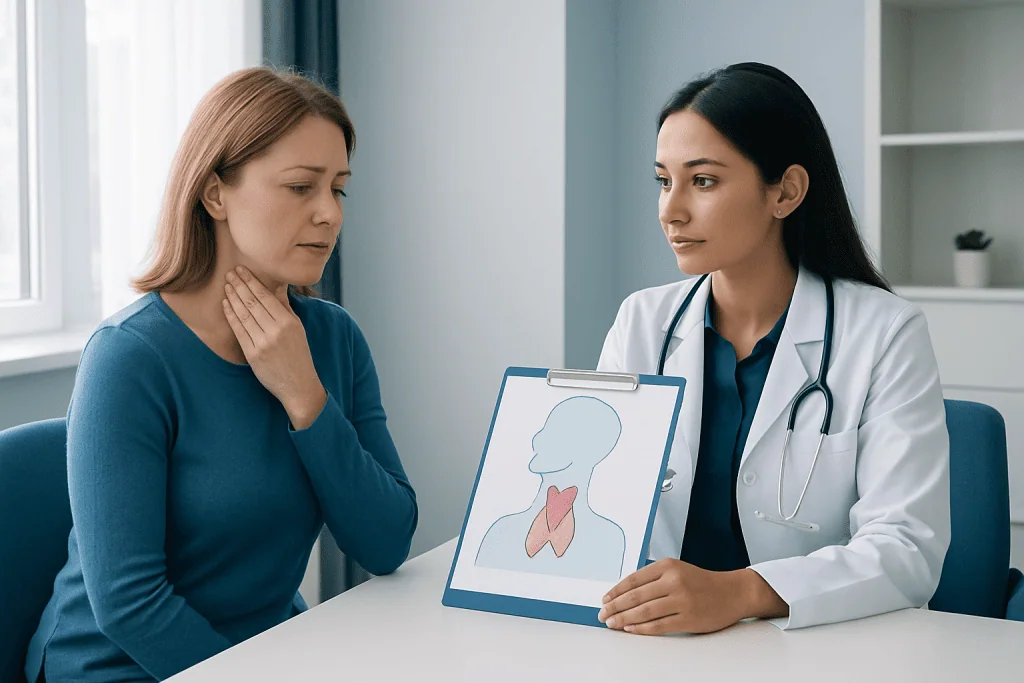
Hashimoto’s Thyroiditis, also called chronic autoimmune thyroiditis, is a condition in which the immune system mistakenly reacts against the thyroid gland. The thyroid is a small, butterfly-shaped gland in the front of the neck that produces hormones involved in metabolism, energy use, heart rate, temperature regulation, digestion, menstrual function, and many other body processes.
Over time, inflammation from Hashimoto’s can reduce the thyroid’s ability to make enough thyroid hormone. When thyroid hormone levels become too low, the condition is called hypothyroidism. Some people have thyroid antibodies for years before thyroid hormone levels fall, while others are diagnosed after symptoms or routine blood tests reveal an underactive thyroid.
Hashimoto’s is usually a long-term condition, but it is very manageable. Many people feel well once thyroid hormone levels are brought into the target range and monitored regularly. The goal of care is not only to correct laboratory results, but also to understand symptoms, avoid over-treatment, and support overall health.
Symptoms
Symptoms of Hashimoto’s Thyroiditis vary widely. In the early stages, many people have no symptoms at all, especially if thyroid hormone levels remain normal. When hypothyroidism develops, symptoms often appear gradually and may be mistaken for stress, aging, low mood, or lifestyle-related fatigue.
Common symptoms of hypothyroidism can include tiredness, feeling cold, dry skin, constipation, weight gain or difficulty losing weight, muscle aches, joint discomfort, slowed heart rate, hoarseness, thinning hair, puffy face, and heavy or irregular menstrual periods. Some people also notice brain fog, low mood, reduced concentration, or a general sense of being slowed down.
The thyroid gland may become enlarged, forming a goiter. A goiter can cause a visible swelling at the front of the neck or a sensation of fullness, although it is often painless. Less commonly, a large thyroid may contribute to difficulty swallowing or a feeling of pressure, which should be assessed by a doctor.
Symptoms alone cannot confirm Hashimoto’s because many of them overlap with other medical conditions, including anemia, vitamin deficiencies, sleep disorders, depression, menopause, and other endocrine disorders. Blood testing is therefore essential to determine whether symptoms are related to thyroid hormone levels.
Causes and Risk Factors
Hashimoto’s Thyroiditis is an autoimmune condition. This means the immune system, which normally protects the body from infections, produces antibodies and immune cells that target thyroid tissue. The exact reason this happens is not fully understood, but it is believed to involve a combination of genetic tendency and environmental or hormonal triggers.
Risk is higher in people with a family history of thyroid disease or other autoimmune conditions. Hashimoto’s is also more common in women than men and may appear or become more noticeable during life stages involving hormonal change, such as after pregnancy or around midlife. It can occur at any age, including in children and adolescents, though it is most often recognized in adults.
People with other autoimmune disorders, such as type 1 diabetes, celiac disease, rheumatoid arthritis, lupus, pernicious anemia, or vitiligo, have a higher likelihood of autoimmune thyroid disease. A history of neck radiation, certain medications, and excess iodine intake in susceptible individuals may also influence thyroid autoimmunity or thyroid function.
Having thyroid antibodies does not mean a person did anything wrong, and it is not caused by ordinary dietary choices or emotional stress alone. However, stress, illness, pregnancy, and changes in medications can make symptoms more noticeable or alter thyroid hormone needs. A clinician can help identify personal risk factors and decide how often thyroid function should be checked.
Diagnosis and Thyroid Testing
Diagnosis usually begins with a medical history, physical examination, and blood tests. The most important screening test is thyroid-stimulating hormone, known as TSH. TSH is produced by the pituitary gland and signals the thyroid to make hormone. When the thyroid is underactive, TSH often rises as the body tries to stimulate more thyroid hormone production.
Free T4 is commonly measured with TSH to understand how much circulating thyroid hormone is available. In overt hypothyroidism, TSH is elevated and free T4 is low. In subclinical hypothyroidism, TSH is elevated while free T4 remains within the reference range. Treatment decisions for subclinical hypothyroidism are individualized and depend on factors such as symptoms, antibody status, TSH level, age, heart health, and pregnancy plans.
Thyroid antibody testing helps identify autoimmune thyroiditis. Anti-thyroid peroxidase antibodies, often called anti-TPO antibodies, are the most commonly used marker for Hashimoto’s. Anti-thyroglobulin antibodies may also be present. Positive antibodies support the diagnosis, but treatment is based mainly on thyroid function and clinical context rather than antibody levels alone.
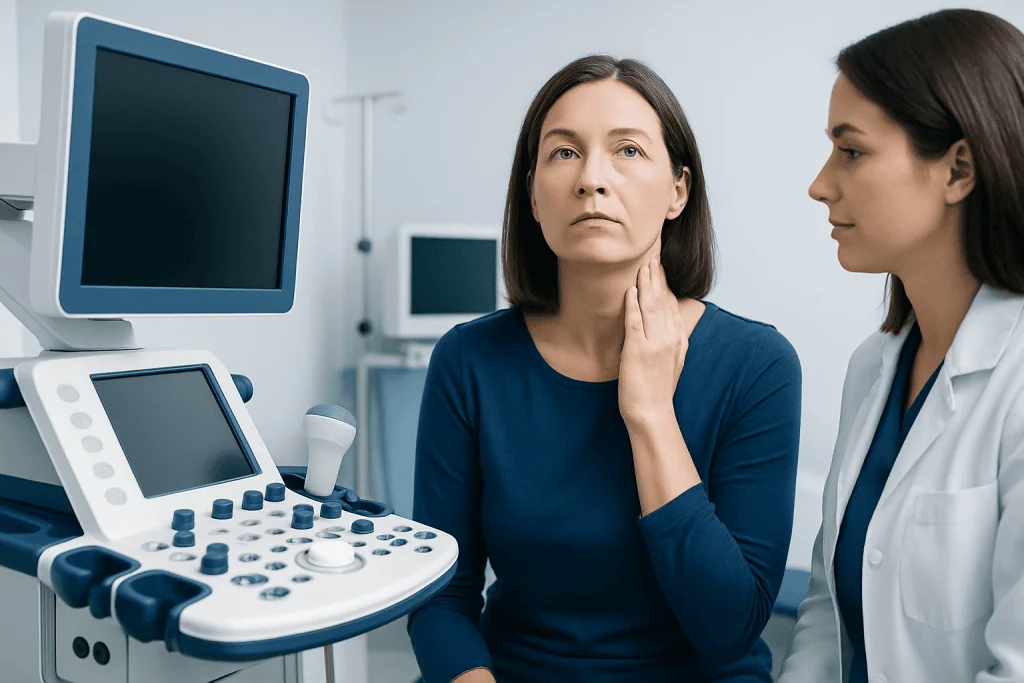
Ultrasound is not needed for every person with Hashimoto’s. It may be recommended if the thyroid feels enlarged, nodules are suspected, there is asymmetry, or there are pressure symptoms in the neck. Ultrasound can show a pattern consistent with thyroiditis and can evaluate nodules, but blood tests remain central to diagnosing hormone imbalance.
Treatment Options
The standard treatment for hypothyroidism caused by Hashimoto’s Thyroiditis is levothyroxine, a synthetic form of the main thyroid hormone T4. It replaces the hormone the thyroid is not making in sufficient amounts. The dose is individualized and is usually adjusted according to TSH and free T4 results, symptoms, age, body weight, pregnancy status, and heart health.
Levothyroxine is typically taken consistently at the same time each day, often on an empty stomach, because absorption can be affected by food, coffee, calcium, iron, some antacids, and certain other medications. Patients should not change the dose or stop treatment without medical advice, even if they feel better. After starting or changing a dose, blood tests are usually repeated after an appropriate interval to allow hormone levels to stabilize.
Some people have positive thyroid antibodies but normal TSH and free T4. In this situation, medication may not be needed immediately, but periodic monitoring is recommended because thyroid function can change over time. Treatment may be considered sooner in specific situations, such as pregnancy, attempts to conceive, significant symptoms with abnormal TSH, or higher-risk clinical profiles.
Patients sometimes ask about combination therapy with T4 and T3 or desiccated thyroid preparations. These are not first-line treatments for most people and require careful specialist supervision if considered, because excessive thyroid hormone can cause palpitations, anxiety, bone loss, or heart rhythm problems. The safest approach is individualized care guided by reliable testing and clinical follow-up.
Lifestyle, Nutrition, and Self-Care
Lifestyle choices cannot cure Hashimoto’s Thyroiditis, but they can support general health, energy, and treatment effectiveness. A balanced eating pattern with adequate protein, fiber, fruits, vegetables, whole grains, and healthy fats can help manage weight, digestion, cholesterol, and overall wellbeing. People with Hashimoto’s do not need to follow a restrictive diet unless they have another diagnosed condition that requires it.
Iodine is necessary for thyroid hormone production, but more is not always better. In people with autoimmune thyroid disease, excessive iodine from supplements or seaweed products may worsen thyroid dysfunction. Selenium, vitamin D, iron, and vitamin B12 are sometimes discussed in relation to thyroid health, but supplements should generally be based on documented deficiency or medical advice rather than routine use.
Gluten avoidance is necessary for people with celiac disease, which is more common in those with autoimmune thyroid disease. For people without celiac disease or gluten sensitivity, a gluten-free diet is not universally required. If symptoms such as chronic diarrhea, unexplained anemia, weight loss, or persistent bloating are present, testing for celiac disease should be discussed before eliminating gluten, as dietary changes can affect test accuracy.
Regular sleep, physical activity, stress management, and taking thyroid medication correctly are practical parts of self-care. Exercise can be adapted to energy level and fitness, especially while thyroid levels are being corrected. Because fatigue and weight changes can have multiple causes, persistent symptoms should be reviewed rather than automatically attributed to Hashimoto’s.
Monitoring, Pregnancy, and When to See a Doctor
Hashimoto’s requires periodic follow-up because thyroid hormone needs can change. Monitoring is especially important after starting or adjusting medication, during pregnancy, after childbirth, with significant weight change, with aging, and when starting medications that may interfere with thyroid hormone absorption or metabolism. Once stable, many patients need less frequent testing, as advised by their clinician.
Thyroid health is particularly important before and during pregnancy because thyroid hormone supports fertility, pregnancy wellbeing, and fetal brain development. People with known Hashimoto’s who are planning pregnancy or become pregnant should contact their doctor promptly. Medication needs may change during pregnancy, and thyroid targets are often managed more closely.
A doctor should be consulted for symptoms of hypothyroidism, a new neck swelling, difficulty swallowing, unexplained changes in heart rate, severe fatigue, menstrual changes, infertility concerns, or abnormal thyroid blood tests. Urgent medical advice is appropriate for severe symptoms such as confusion, extreme drowsiness, very low body temperature, or significant breathing or swallowing difficulty, although these are uncommon.
International patients who need evaluation can seek care from endocrinology specialists who coordinate laboratory testing, ultrasound when indicated, and long-term treatment planning. Acibadem International’s multidisciplinary specialists and JCI-accredited hospitals diagnose and treat thyroid conditions, including Hashimoto’s Thyroiditis, with individualized follow-up for patients traveling from abroad.
Frequently asked questions
Is Hashimoto’s Thyroiditis the same as hypothyroidism?
Hashimoto’s Thyroiditis is an autoimmune disease that can cause hypothyroidism. Hypothyroidism means the thyroid is not producing enough hormone, and Hashimoto’s is one of the most common reasons this happens. Some people have Hashimoto’s antibodies for years while thyroid hormone levels remain normal.
Can Hashimoto’s Thyroiditis go away?
Hashimoto’s is usually a long-term autoimmune condition. Antibody levels may fluctuate, and symptoms may improve when thyroid hormone levels are corrected, but the immune tendency often remains. Regular monitoring helps detect changes early and adjust treatment when needed.
Does everyone with positive thyroid antibodies need medication?
No. Medication is usually based on thyroid function tests, especially TSH and free T4, along with symptoms and individual health factors. A person with positive antibodies but normal thyroid hormone levels may only need periodic follow-up unless special circumstances apply, such as pregnancy planning.
How long does levothyroxine take to improve symptoms?
Some people begin to feel better within a few weeks, but full improvement can take longer as hormone levels stabilize. Blood tests are used to confirm whether the dose is appropriate. If symptoms continue despite normal thyroid tests, a doctor may look for other causes such as anemia, sleep problems, vitamin deficiencies, or mood disorders.
Can diet cure Hashimoto’s Thyroiditis?
No diet has been proven to cure Hashimoto’s Thyroiditis. A balanced diet can support overall health, and specific dietary changes may be needed for diagnosed conditions such as celiac disease or iron deficiency. Supplements and restrictive diets should be discussed with a qualified clinician to avoid harm or delayed treatment.
Is Hashimoto’s dangerous if it is treated?
When hypothyroidism is identified and treated appropriately, most people do very well. The main risks come from untreated low thyroid hormone levels or from taking too much thyroid hormone. Regular follow-up helps keep treatment in a safe and effective range.
References
- American Thyroid Association
- Endocrine Society
- National Institute of Diabetes and Digestive and Kidney Diseases
- European Thyroid Association
- Mayo Clinic
This article is for general information only and is not a substitute for professional medical advice. Please consult a qualified doctor about your individual situation.
Hypothyroidism in Turkey — costs, top hospitals & a free quote
JCI-accredited · board-certified surgeons · reply within 24h
Add us as a Preferred Source to see more of our trusted health content across Google Search, AI Overviews and Discover.
Check your numbers in seconds
BMI, calories, due date, blood pressure and 30+ more clinical calculators — free, instant, doctor-reviewed ranges.

Check-up & Preventive Medicine
Comprehensive health screenings designed for early detection and prevention.
3 specialists in this unitMore from the Health Library



Related Specialists

Dr. Eymen Aslan
Anesthesiology
Prof. Dr. Kerim Sarıyılmaz
Orthopedic Surgery & Traumatology
Dr. Evis Ertaş
Gynecology & Obstetrics
Dr. Hakan Özbay
Orthopedic Surgery & Traumatology