

Headache Medicine During Pregnancy: What May Be Safer and When to Call a Doctor

Pregnant patients should check with a doctor before taking headache medicine, especially in the second half of pregnancy. Acetaminophen is often considered a first-line option for occasional headache relief during pregnancy when used as directed by a clinician.
Key Takeaways
- Pregnant patients should check with a doctor before taking headache medicine, especially in the second half of pregnancy.
- Acetaminophen is often considered a first-line option for occasional headache relief during pregnancy when used as directed by a clinician.
- Some medicines, including many NSAIDs, may not be recommended during pregnancy, particularly later in pregnancy.
- Headaches with high blood pressure, vision changes, severe swelling, or sudden intense pain need urgent medical attention.
- Non-medicine steps such as hydration, rest, sleep, and avoiding triggers can also help reduce headaches.
- Frequent, worsening, or unusual headaches should be evaluated to rule out migraine, preeclampsia, or other medical causes.
Headaches are common during pregnancy, but not every pain reliever is a good choice. Safe treatment depends on the type of headache, the stage of pregnancy, and whether warning signs suggest a more serious cause.
Overview
Headaches are common in pregnancy, especially in the first and third trimesters. Hormonal shifts, changes in sleep, dehydration, stress, low blood sugar, and caffeine withdrawal can all play a role. Many pregnant patients already know which medicine they would usually take, but pregnancy changes the safety picture because some medicines can affect the developing baby or the pregnancy itself.
For that reason, headache medicine during pregnancy is best approached carefully. The safest choice depends on several factors, including how far along the pregnancy is, whether the headache is mild or severe, whether there is a history of migraine, and whether any concerning symptoms are present. A medicine that may be acceptable at one stage of pregnancy may not be recommended at another.
Most headaches in pregnancy are not dangerous and can improve with rest, hydration, food, and simple comfort measures. However, some headaches are a sign that urgent medical assessment is needed. Knowing which symptoms suggest a routine headache and which could point to a condition such as preeclampsia is an important part of safe care.
Which Headache Medicines May Be Safer in Pregnancy?
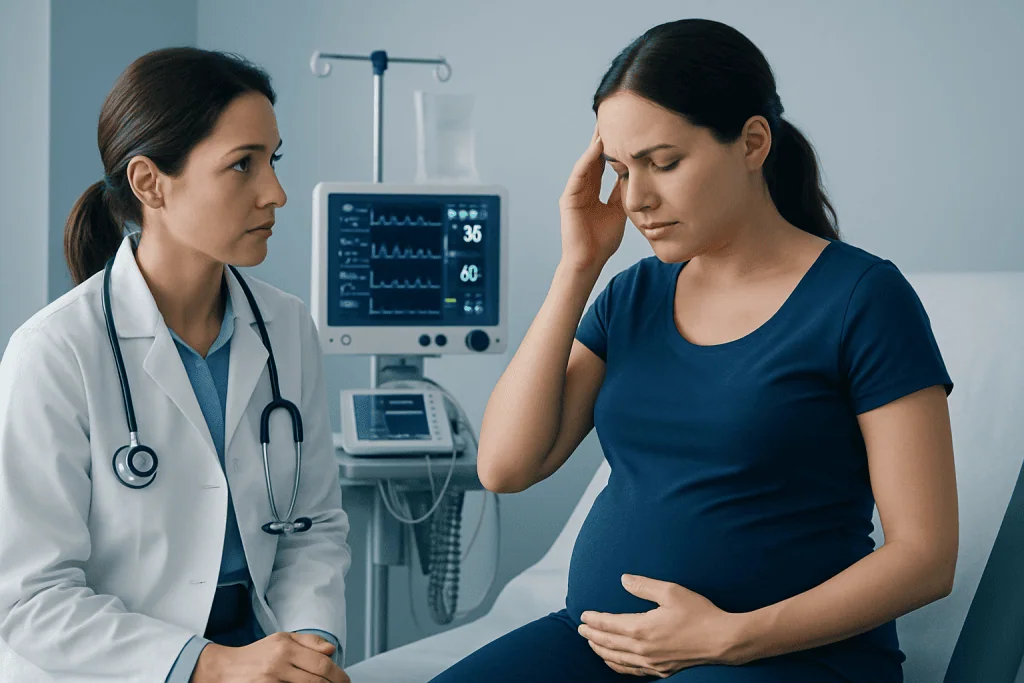
Acetaminophen is often considered one of the safer options for occasional headache relief during pregnancy, and many clinicians use it as a first choice when medicine is needed. Even so, it should still be used only as advised by a healthcare professional, because all medicines in pregnancy should be taken thoughtfully and only when clearly needed.
Some patients take combination cold, flu, or migraine products without realizing they contain multiple active ingredients. These may include caffeine, decongestants, aspirin, or other pain relievers that are not always appropriate during pregnancy. Reading labels carefully and confirming ingredients with a doctor or pharmacist can help avoid accidental exposure to medicines that may not be recommended.
Medicines in the nonsteroidal anti-inflammatory drug, or NSAID, group, such as ibuprofen or naproxen, are often approached with caution and may be avoided, particularly later in pregnancy. Depending on the stage of pregnancy and the clinical situation, a doctor may advise against them because of possible effects on the baby, amniotic fluid, or circulation. Aspirin also should not be self-started for headache unless a clinician specifically recommends it for another medical reason.
If headaches are frequent or are thought to be migraine, a doctor may discuss more tailored care. This can include guidance on neurology evaluation or, when migraine is recurrent and disabling, more specialized migraine treatment. The exact plan should always be individualized, especially during pregnancy.
Symptoms and Warning Signs to Watch For

Many pregnancy headaches feel like tension headaches or familiar migraines. They may cause pressure around the forehead, pain on one or both sides of the head, sensitivity to light, nausea, or pain that improves with rest. If the pattern is mild, brief, and similar to past headaches, it may be less concerning, though it is still worth mentioning at prenatal visits.
Certain symptoms deserve prompt medical advice because they can suggest a more serious cause. A sudden, severe headache that reaches maximum intensity quickly, a headache with fainting, confusion, weakness, numbness, seizures, or trouble speaking should be assessed urgently. These symptoms may point to causes beyond an ordinary headache.
Pregnant patients should also seek prompt assessment if headache comes with high blood pressure, vision changes, pain in the upper abdomen, severe swelling of the hands or face, or shortness of breath. These can be warning signs of preeclampsia, a pregnancy complication that requires medical evaluation. Fever, stiff neck, or headache after a fall or head injury also needs timely care.
- Sudden “worst headache” of life
- New severe headache after 20 weeks of pregnancy
- Headache with vision changes or elevated blood pressure
- Headache with weakness, confusion, seizure, or fainting
- Headache with fever, neck stiffness, or head trauma
Common Causes and Risk Factors
In early pregnancy, headaches are often related to hormone changes, tiredness, nausea, reduced fluid intake, and lower blood sugar from irregular meals. Some patients also reduce their caffeine intake when they become pregnant, which can trigger withdrawal headaches. Stress and poor sleep may make headaches more frequent or more intense.
Migraine can improve, worsen, or stay the same during pregnancy. Some patients who have a history of migraine continue to experience attacks, while others notice fewer episodes, particularly in the second and third trimesters. A prior history of migraine can make recurrent pregnancy headaches more likely, but a new headache pattern still deserves medical review.
Later in pregnancy, headaches can be linked to muscle tension, poor sleep, sinus symptoms, dehydration, or high blood pressure. Preeclampsia becomes a more important consideration after 20 weeks of pregnancy or after delivery. Although many headaches still have a benign cause, a headache that is new, persistent, or different from usual should not be ignored.
Sometimes, headaches may be related to another underlying condition rather than pregnancy alone. If symptoms suggest a broader neurologic cause, doctors may assess for conditions such as migraine or, less commonly, brain tumor when red flags are present. This does not mean these diagnoses are likely, but it helps guide safe evaluation.
How Doctors Evaluate Headaches in Pregnancy
Evaluation usually begins with a careful history. The doctor may ask when the headache started, where the pain is located, how severe it is, whether it feels similar to previous headaches, and what other symptoms are present. Blood pressure measurement is especially important, since headache with elevated blood pressure can point to preeclampsia.
A physical examination may include a neurologic exam, review of swelling, vision symptoms, sinus symptoms, and signs of dehydration. The care team may also ask about recent injuries, medicines, caffeine use, sleep, and food intake. Prenatal history matters too, including how many weeks pregnant the patient is and whether there have been any blood pressure concerns.
Depending on symptoms, tests may include urine testing for protein, blood tests, or fetal assessment. If a more serious neurologic problem is suspected, imaging may be needed. In selected situations, doctors may recommend MRI because it can help evaluate some causes of headache without using ionizing radiation. The choice of test depends on the urgency, the clinical findings, and the stage of pregnancy.
Treatment Options Beyond Medicine
Not every headache needs medication. Many patients feel better with simple supportive measures, especially if the headache is related to dehydration, missed meals, or poor sleep. Drinking water, eating a light snack, resting in a dark quiet room, and using a cool compress on the forehead may help ease symptoms.
Preventive self-care can also make headaches less frequent. Regular meals, steady fluid intake, adequate sleep, gentle physical activity if approved by the obstetric team, and attention to posture can all be useful. Keeping a headache diary may help identify triggers such as certain foods, skipped caffeine, stress, bright lights, or lack of sleep.
If migraine is suspected, doctors may recommend a more structured plan that combines lifestyle measures with pregnancy-appropriate medicine when needed. Treatment can differ from one patient to another, and some people need coordination between obstetrics and neurology. This is especially true when headaches are frequent, disabling, or difficult to control.
Near the end of the care journey, some international patients may seek coordinated evaluation in a specialized center. Acibadem International’s multidisciplinary specialists and JCI-accredited hospitals diagnose and treat headache conditions for international patients, with care plans tailored to pregnancy and overall health status.
When to Call a Doctor
A doctor should be contacted before starting, stopping, or changing headache medicine during pregnancy. This is particularly important for people who use regular migraine medicine, combination pain products, herbal products, or over-the-counter anti-inflammatory medicines. What seems routine outside pregnancy may need to be adjusted during pregnancy.
Prompt medical advice is also needed if headaches are becoming more frequent, more severe, or are not responding to rest and simple measures. A patient should also call if the headache feels different from previous headaches, begins after 20 weeks of pregnancy, or returns repeatedly with visual symptoms, vomiting, or rising blood pressure.
Emergency help is appropriate for sudden severe headache, seizure, loss of consciousness, weakness on one side, trouble speaking, chest pain, shortness of breath, or signs of severe preeclampsia. After delivery, serious headaches can still occur, so postpartum symptoms should also be taken seriously. When in doubt, contacting the maternity team is the safest step.
Frequently asked questions
Can a pregnant patient take acetaminophen for a headache?
Acetaminophen is often considered one of the safer choices for occasional headache relief during pregnancy. Even so, it is best used only after checking with a doctor or pharmacist, especially if symptoms are frequent or severe.
Why are some pain relievers avoided during pregnancy?
Some pain relievers can affect the pregnancy or the baby, and the risks may change depending on the trimester. NSAIDs and aspirin, for example, may not be appropriate in certain situations or later in pregnancy unless a clinician specifically recommends them.
Are migraines dangerous during pregnancy?
Migraine itself is not always dangerous, and some patients even have fewer attacks during pregnancy. However, a new migraine-like headache, a change in headache pattern, or migraine symptoms with neurologic changes should be assessed by a doctor.
What non-medicine remedies may help pregnancy headaches?
Hydration, regular meals, rest, sleep, a cool compress, and avoiding personal triggers can help many mild headaches. These measures are often especially useful when headache is linked to tiredness, skipped meals, or caffeine withdrawal.
When should a headache in pregnancy be considered urgent?
Urgent assessment is needed for sudden severe headache, headache with vision changes, high blood pressure, swelling of the face or hands, weakness, seizure, confusion, or trouble speaking. These symptoms can suggest a more serious condition such as preeclampsia or a neurologic emergency.
Can headaches after delivery still be serious?
Yes. Headaches in the postpartum period can still be related to high blood pressure, medication effects, dehydration, or other medical problems. A severe, persistent, or unusual headache after delivery should be discussed with a healthcare professional promptly.
References
- American College of Obstetricians and Gynecologists
- National Institute for Health and Care Excellence
- Centers for Disease Control and Prevention
- World Health Organization
- American Headache Society
This article is for general information only and is not a substitute for professional medical advice. Please consult a qualified doctor about your individual situation.
Headache Medicine in Turkey — costs, top hospitals & a free quote
JCI-accredited · board-certified surgeons · reply within 24h
Add us as a Preferred Source to see more of our trusted health content across Google Search, AI Overviews and Discover.
Check your numbers in seconds
BMI, calories, due date, blood pressure and 30+ more clinical calculators — free, instant, doctor-reviewed ranges.

Neurology
Diagnosis and treatment of disorders of the brain, spinal cord, nerves and muscles.
51 specialists in this unitMore from the Health Library



Related Specialists

Prof. Dr. Ömer Yalçın
Pathology
Dr. Burcu Durmak İşman
Radiation Oncology
Prof. Dr. Emine Nur Tozan
Treatment of Pain Algology
Dr. Hanim Ahu Ural
Pulmonology