Headache Pain Behind Head: Common Causes, Related Conditions, and When to See a Doctor

Headache pain behind head is commonly related to tension, poor posture, neck strain, migraine, or occipital neuralgia. The location alone does not confirm the cause; timing, triggers, and associated symptoms help guide diagnosis.
Key Takeaways
- Headache pain behind head is commonly related to tension, poor posture, neck strain, migraine, or occipital neuralgia.
- The location alone does not confirm the cause; timing, triggers, and associated symptoms help guide diagnosis.
- Home care may help mild, short-lived headaches, but recurrent or worsening pain needs medical review.
- Urgent assessment is important for sudden severe headache, weakness, confusion, fever, head injury, or vision changes.
- Evaluation may include a physical and neurological exam, and sometimes imaging when red flags are present.
Headache pain behind head often comes from tension-type headaches, neck muscle strain, posture-related problems, migraine, or irritation of nerves at the back of the scalp. Most causes are not dangerous, but new, severe, or persistent pain should be assessed by a qualified doctor, especially if it appears with neurological symptoms or fever.
Overview: What does headache pain behind head usually mean?
Headache pain behind head usually refers to pain felt in the back of the head, near the base of the skull, or across the upper neck. In many people, this pattern is related to muscle tension, posture strain, or a common primary headache such as tension-type headache or migraine. The pain may feel dull and tight, throbbing, pressure-like, or occasionally sharp and nerve-like.
This symptom is best understood by looking beyond location alone. Doctors also consider when the pain starts, whether it comes and goes or stays constant, whether neck movement affects it, and whether there are symptoms such as nausea, light sensitivity, scalp tenderness, numbness, fever, or visual changes. These details often help narrow the likely cause.
Although many cases are manageable and not serious, pain in the back of the head can sometimes reflect a condition involving the neck, nerves, blood pressure changes, infection, bleeding, or less commonly a structural brain problem. That is why persistent, unusual, or severe headaches should not be ignored. A careful medical assessment can distinguish a common headache from a condition needing prompt treatment.
How the pain can feel and what patterns matter
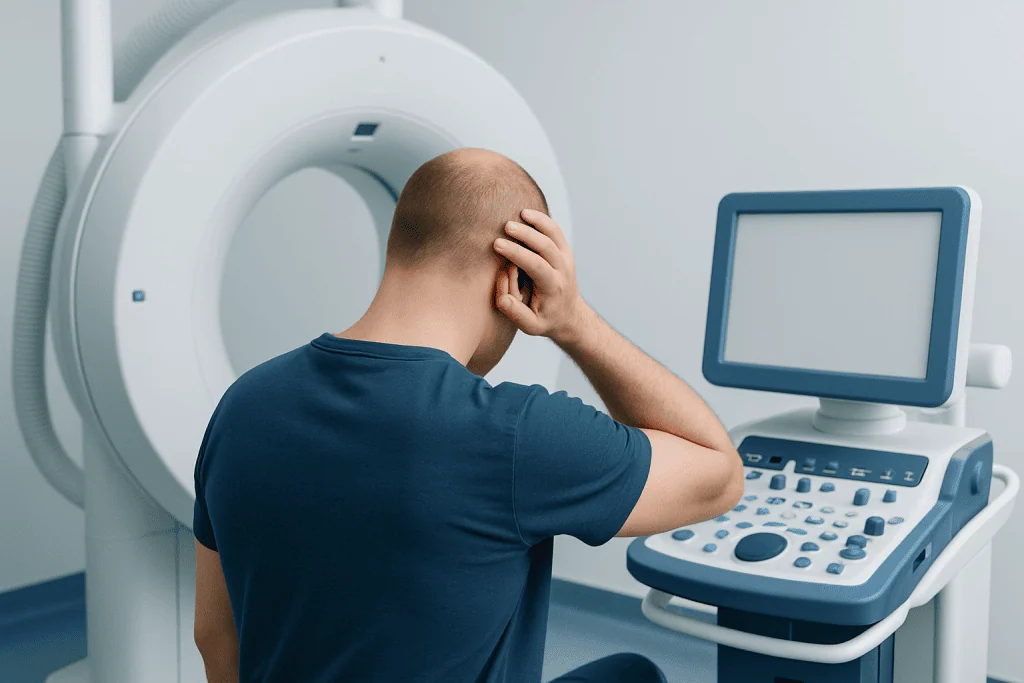
People describe headache pain behind head in different ways. A tension-related headache often feels like a band of pressure or tightness that may spread from the neck upward. Migraine can sometimes involve the back of the head but may also affect one side, with throbbing pain and sensitivity to light, sound, or activity. Occipital neuralgia more often causes brief, shooting, burning, or electric-like pain from the upper neck into the scalp.
The pattern over time is important. A headache that appears after long hours at a desk, poor sleep, stress, or physical overuse may point to muscle strain or posture-related tension. Episodes that recur in a similar way, with nausea or visual symptoms, may fit migraine. Pain that is triggered by coughing, sneezing, exercise, or sudden movement deserves closer attention because it can occasionally signal a secondary cause.
Associated symptoms can also provide clues. Stiff neck, restricted range of motion, or pain that worsens when pressing the neck muscles may support a musculoskeletal source. Scalp sensitivity, tingling, or pain when brushing the hair can occur with irritated occipital nerves. Symptoms such as fever, fainting, confusion, weakness, trouble speaking, or a sudden “worst headache” pattern are not typical and require urgent medical care.
- Dull pressure or tightness: often tension or muscle-related
- Throbbing pain: can occur with migraine
- Sharp, stabbing, or electric pain: may suggest occipital neuralgia
- Pain linked to neck movement: may indicate cervical strain or referred neck pain
- Sudden explosive onset: needs urgent evaluation
Common causes of pain behind the head

The most frequent cause of headache pain behind head is tension involving the scalp, shoulders, and neck. Stress, poor posture, prolonged computer use, jaw clenching, and fatigue can all tighten muscles and lead to pain at the back of the head. In some people, the neck itself is a major source, with pain referred upward from strained muscles, joints, or ligaments.
Migraine can also cause pain in this area. Even though many people think of migraine as one-sided forehead pain, it can involve the back of the head or neck and may come with nausea, sensitivity to light, or worsened pain with movement. Some people experience neck discomfort before the headache phase begins. More information about migraine may help when headaches are recurrent or come with sensory symptoms.
Occipital neuralgia is another possible explanation. This occurs when the occipital nerves, which run from the upper neck to the scalp, become irritated or compressed. The pain is often piercing or shock-like and may come in bursts. The scalp can feel tender, and even light touch may be uncomfortable. Cervicogenic headache, meaning a headache that starts from structures in the neck, may also produce one-sided or back-of-head pain that worsens with certain neck positions.
Less common but important causes include high blood pressure during a hypertensive emergency, head injury, bleeding around the brain, infection such as meningitis, vascular disorders, and masses or other structural problems. These causes are not the most likely explanation for routine headaches, but doctors consider them when warning signs are present.
Risk factors and related conditions
Several factors increase the chance of developing pain behind the head. Long periods of screen use, reduced physical activity, poor workstation setup, frequent phone use with the neck bent forward, and sleeping in awkward positions can strain the upper back and neck. Stress and anxiety may also increase muscle tension and make existing headaches feel stronger or more frequent.
People with a history of migraine, prior neck injury, arthritis in the cervical spine, temporomandibular joint problems, or sleep disturbances may be more prone to this symptom. Dehydration, skipped meals, excessive caffeine, caffeine withdrawal, and inconsistent sleep can contribute as well. In some cases, repeated pain at the back of the head overlaps with broader headache disorders, including tension headache.
Occasionally, headache pain behind head is linked to conditions that need specialist evaluation. Examples include persistent nerve pain, chronic migraine, spinal problems, or rare vascular causes. If neck-related pain is prominent and conservative measures do not help, a doctor may assess the cervical spine and surrounding nerves more closely. In more complex cases, care may involve neurology evaluation or targeted imaging to clarify the cause.
How doctors diagnose the cause
Diagnosis usually begins with a detailed history. The doctor asks where the pain is felt, how it started, how long it lasts, how severe it is, and whether it is associated with neck movement, injury, stress, menstruation, poor sleep, certain foods, or exercise. A headache diary can be very useful because it helps show patterns, triggers, and response to rest or over-the-counter treatment.
The physical examination often includes checking blood pressure, neck movement, scalp tenderness, jaw tension, and a full neurological exam. The clinician looks for signs such as weakness, altered reflexes, balance problems, visual changes, or signs of infection. If the pain seems to come from irritated nerves at the back of the scalp, local tenderness over the occipital nerves may be present.
Many people do not need imaging. However, tests may be recommended when there are red flags, such as sudden severe onset, new headache after age 50, cancer history, immune suppression, fever, head trauma, seizures, or abnormal neurological findings. Depending on the situation, the doctor may order blood tests or MRI or other imaging to rule out structural or vascular causes. If there are signs of neck involvement, further assessment through physical therapy and rehabilitation may also be part of the care plan.
Treatment options and symptom relief
Treatment depends on the cause. For tension-related or posture-related headache pain behind head, early care often focuses on hydration, regular meals, better sleep, reducing prolonged static posture, stretching, and short-term pain relief when appropriate. Gentle heat, massage, and guided neck and shoulder exercises may help when muscle tightness is a major factor.
If migraine is the main diagnosis, treatment usually includes strategies to stop attacks early and, for frequent episodes, medicines to reduce how often they happen. Trigger management is also important. For occipital neuralgia or cervicogenic headache, clinicians may recommend physical therapy, posture correction, nerve-focused treatment, or in selected cases procedures aimed at pain control. Management should be individualized rather than based on headache location alone.
When an underlying condition is found, treatment addresses that condition directly. Examples include treating infection, managing elevated blood pressure in an emergency setting, or evaluating neurological or structural causes more deeply. For people with recurrent, disabling, or hard-to-classify headaches, specialist care can be helpful. Near the end of the diagnostic pathway, international patients may choose centers such as Acibadem International, where multidisciplinary specialists in JCI-accredited hospitals assess and treat headache-related conditions.
Prevention and self-care
Simple daily habits can reduce headache pain behind head for many people. Attention to posture is especially important. Keeping screens at eye level, supporting the lower back, avoiding prolonged forward head posture, and taking brief movement breaks during desk work can reduce strain on the neck and shoulders. A supportive pillow and a sleep position that does not twist the neck may also help.
Stress management matters because emotional tension often shows up physically in the scalp, jaw, and neck. Regular exercise, paced breathing, mindfulness, and stretching can improve resilience and reduce trigger load. Staying hydrated, limiting skipped meals, keeping caffeine intake consistent, and maintaining a regular sleep schedule may reduce both tension-type headaches and migraine attacks.
Self-care is most appropriate for mild, familiar headaches that improve with rest and do not come with warning signs. Overuse of pain medicine can sometimes make headaches more frequent, so repeated or near-daily use should be discussed with a doctor. If headaches are becoming more common, interfering with work or sleep, or changing in character, medical review is the safer next step.
When to seek medical care
Medical care is appropriate if headache pain behind head is new, unusually intense, recurring often, or lasting longer than expected. A doctor should also assess pain that repeatedly wakes a person from sleep, keeps returning after minor triggers, or becomes linked to progressive neck pain, numbness, or reduced daily function. Ongoing symptoms deserve evaluation even if they seem manageable at first.
Urgent care is important when the headache starts suddenly and reaches peak intensity within seconds or minutes, follows a head injury, or appears with fainting, confusion, weakness, trouble speaking, seizures, fever, stiff neck, chest pain, or vision loss. These features can signal conditions that need immediate treatment. Pregnant patients and people with cancer, immune suppression, or a known vascular condition should seek prompt guidance for any unusual new headache.
Patients are often reassured to learn that most back-of-head headaches are not caused by a dangerous brain disorder. Still, the safest approach is to take red flags seriously and seek professional advice when the pattern is unfamiliar, worsening, or disruptive. Early assessment can both relieve anxiety and help direct the right treatment sooner.
Frequently asked questions
Is headache pain behind head usually serious?
Often, no. It is commonly related to tension, posture strain, neck muscle problems, migraine, or irritation of nerves at the back of the scalp. It becomes more concerning when it is sudden, severe, new for that person, or associated with neurological symptoms, fever, or head injury.
Can poor posture cause pain behind the head?
Yes. Poor posture can strain the neck and upper shoulder muscles, which may refer pain to the back of the head. This is especially common with long hours of desk work, phone use, or sleeping in an awkward position.
What is the difference between occipital neuralgia and a tension headache?
Occipital neuralgia usually causes sharp, shooting, burning, or electric-like pain that travels from the upper neck into the scalp. A tension headache more often feels like steady pressure or tightness, sometimes like a band around the head, and may be linked to stress or muscle tension.
Can migraine cause pain at the back of the head?
Yes. Migraine does not always stay in the forehead or temples and can affect the back of the head or neck. It may also come with nausea, light sensitivity, sound sensitivity, or worsening pain with movement.
When should someone go to the emergency department for a headache?
Emergency care is needed for a sudden severe headache, especially one described as the worst headache of life. Immediate evaluation is also important if the headache comes with weakness, confusion, seizures, fainting, fever, stiff neck, trouble speaking, vision loss, or after head trauma.
Will imaging always be needed for headache pain behind head?
No. Many headaches can be diagnosed from the history and examination alone. Imaging is more likely when there are warning signs, abnormal neurological findings, a new pattern of headache, or concern for a secondary cause.
This article is for general information only and is not a substitute for professional medical advice. Please consult a qualified doctor about your individual situation.
Hair transplant in Turkey — costs, graft counts & a free assessment
JCI-accredited · board-certified surgeons · reply within 24h
Add us as a Preferred Source to see more of our trusted health content across Google Search, AI Overviews and Discover.
Check your numbers in seconds
BMI, calories, due date, blood pressure and 30+ more clinical calculators — free, instant, doctor-reviewed ranges.

More from the Health Library

What Is a Sane Exam? A Doctor-Reviewed Answer

Soluble fibre vs insoluble: How to Tell the Difference and When It Matters

How to Clean Belly Button? Here Is What the Evidence Says

Does Amoxicillin Treat Bv? Here Is What the Evidence Says

Xarelto vs Eliquis: Key Differences and How Doctors Tell Them Apart