Headache Relief Without Medicine: What Helps and When to Seek Care

Many mild headaches improve with hydration, sleep, food, stress reduction, and a calm environment. Keeping a headache diary can help identify triggers such as skipped meals, poor sleep, dehydration, or screen strain.
Key Takeaways
- Many mild headaches improve with hydration, sleep, food, stress reduction, and a calm environment.
- Keeping a headache diary can help identify triggers such as skipped meals, poor sleep, dehydration, or screen strain.
- Non-drug strategies may help tension headaches and some migraine symptoms, but they do not replace medical care when warning signs are present.
- Emergency care is needed for sudden severe headache, headache with weakness or confusion, or headache after a head injury.
- Frequent, worsening, or unusual headaches should be assessed by a qualified doctor.
Headache relief without medicine is often possible with simple steps such as hydration, rest, gentle movement, and reducing common triggers. Still, some headaches can signal an underlying problem, so it is important to know when self-care is enough and when medical evaluation is needed.
Overview: Can a Headache Improve Without Medicine?
Many headaches do get better without medication. Common triggers such as dehydration, missed meals, stress, muscle tension, poor sleep, or too much screen time can often be addressed with practical self-care. For many people, small adjustments made early may shorten a headache or reduce how intense it feels.
Headaches are not all the same. Tension-type headaches often feel like pressure or tightness around the head or neck. Migraine may cause throbbing pain, sensitivity to light or sound, nausea, or worsening with activity. Sinus pressure, eye strain, neck problems, and illness can also lead to head pain. Because different causes need different approaches, paying attention to the pattern matters.
Natural or non-drug measures can be useful, especially for mild headaches or headaches with a clear trigger. However, self-care has limits. A new, very sudden, very severe, or unusual headache should not be ignored. Headaches that become more frequent or interfere with normal life deserve medical attention, even if home remedies seem to help a little.
What Helps: Simple Non-Medicine Headache Relief
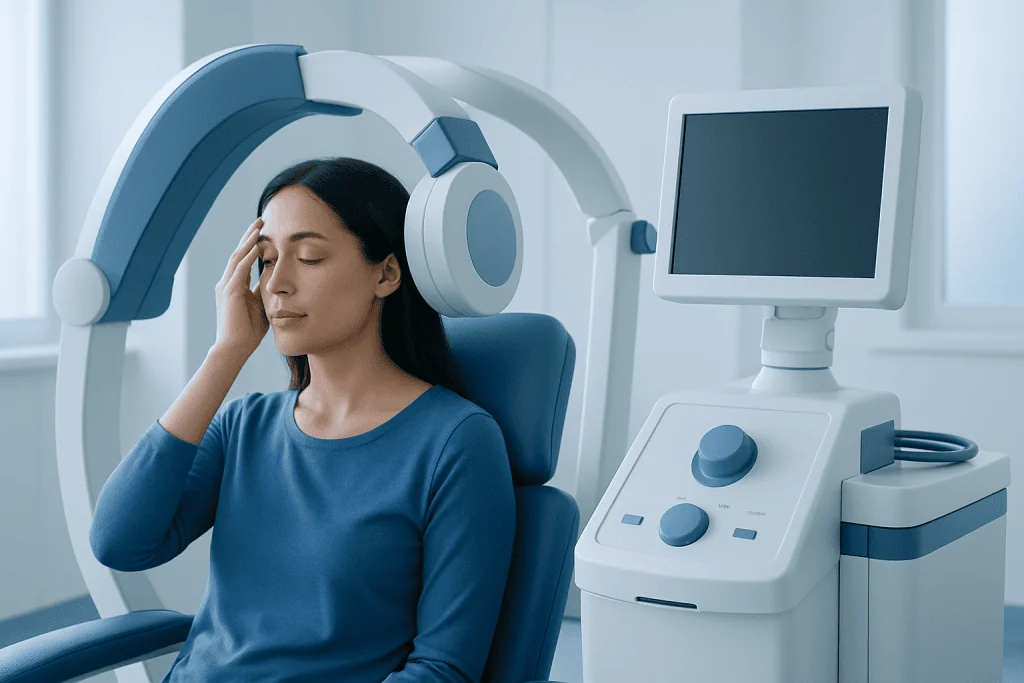
Basic comfort measures are often the best place to start. Drinking water can help if the headache is linked to dehydration. Resting in a quiet, dark room may ease symptoms, especially when light, noise, or fatigue make the pain worse. A small balanced meal or snack may help if the headache started after skipping food.
Relaxing tight muscles can also make a difference. Gentle neck and shoulder stretches, posture changes, or a warm compress over the neck can reduce tension-related discomfort. Some people find relief from a cool cloth on the forehead, particularly during migraine. Short breaks from screens, adjusting brightness, and reducing eye strain may also help.
Stress is a common trigger, so calming techniques are worth trying. Slow breathing, mindfulness, short periods of meditation, or simply stepping away from a stressful environment can reduce physical tension and help pain settle. Light activity such as a gentle walk may help some people, but during a migraine, movement can sometimes worsen symptoms, so it is best to follow what the body tolerates.
- Drink water regularly
- Eat if meals were delayed
- Rest in a dark, quiet room
- Use a cool or warm compress
- Stretch the neck and shoulders gently
- Limit screen exposure for a while
- Practice slow breathing or relaxation
Common Triggers and Risk Factors

Understanding what may be triggering a headache can prevent future episodes. Dehydration is a frequent cause, especially in hot weather, during travel, or after exercise. Skipped meals, irregular sleep, stress, long hours at a computer, and muscle tension in the neck and shoulders are also common.
Some headaches are linked to specific patterns. Migraine triggers may include hormonal changes, bright lights, strong smells, certain foods, alcohol, poor sleep, or stress shifts. Tension headaches are often connected to prolonged sitting, jaw clenching, emotional stress, or inadequate rest. Illness, fever, sinus congestion, and vision problems can also contribute.
A headache diary can be helpful. Recording when the headache started, how long it lasted, what the pain felt like, what happened beforehand, and what improved it can reveal patterns over time. This information may also help a doctor decide whether the symptoms fit a primary headache condition such as migraine or another cause that needs further evaluation.
How Doctors Evaluate Headaches
Most headaches are diagnosed mainly through a careful medical history and physical examination. A doctor usually asks when the headaches began, where the pain is located, how often they happen, what the pain feels like, and whether there are associated symptoms such as nausea, sensitivity to light, visual changes, fever, or neck stiffness. They may also ask about sleep, stress, hydration, food habits, menstrual history, medications, and caffeine use.
A neurological examination helps check for signs that point to a more serious problem. The doctor may assess strength, sensation, balance, reflexes, eye movements, speech, and mental status. Blood pressure may also be checked, because severe elevation can sometimes contribute to headache.
Not every headache needs imaging. Brain scans or other tests are usually reserved for cases with warning signs, a change in the usual pattern, recent head injury, abnormal examination findings, or suspicion of a secondary cause. If headaches are persistent, severe, or difficult to classify, a patient may be referred for specialist evaluation in neurology care to guide diagnosis and treatment planning.
When Non-Drug Care May Not Be Enough
Self-care can be useful, but it is not always sufficient. Headaches that happen often, last a long time, or repeatedly limit work, school, sleep, or daily activities should be assessed by a doctor. Even when the cause is not dangerous, frequent headaches may benefit from a structured plan that addresses triggers, lifestyle factors, and, when appropriate, medical treatment.
Some people avoid medicines because they worry about side effects or prefer natural options. That preference is understandable, but untreated symptoms can still affect quality of life. A doctor can help determine whether a headache is likely to be tension-type, migraine, cervicogenic, sinus-related, or linked to another health issue. In some cases, non-drug strategies such as physical therapy, relaxation training, sleep management, or trigger reduction are recommended as part of care.
If headaches are associated with neck pain, posture problems, or strain, evaluation may also include the muscles and spine. For selected patients, supportive care through physical therapy and rehabilitation may be suggested to improve movement, posture, and muscle tension that contribute to recurring head pain.
Warning Signs: When to Seek Urgent or Emergency Care
Some headaches require prompt medical attention. Emergency evaluation is important if the headache is sudden and extremely severe, often described as the worst headache of a person’s life. Immediate care is also needed if headache occurs with fainting, confusion, seizures, weakness, numbness, trouble speaking, double vision, or loss of balance.
Other warning signs include headache after a head injury, headache with fever and neck stiffness, a new headache during pregnancy or after delivery, or a headache that is clearly different from past headaches. A new headache in an older adult, a headache in a person with cancer or a weakened immune system, or a headache that wakes someone from sleep should also be discussed urgently with a doctor.
Persistent vomiting, increasing intensity, or headaches that continue to worsen over days to weeks also deserve medical review. Brain imaging may be needed in some of these situations, and doctors may use MRI or other tests when they need to look for causes that are not apparent from symptoms alone.
Prevention and Daily Self-Care Habits
Preventing headaches often depends on consistency. Drinking enough fluids throughout the day, eating regular meals, sleeping on a stable schedule, and taking breaks during long periods of computer or desk work can reduce common triggers. Good posture and workstation adjustments may be especially helpful for people whose headaches begin with neck or shoulder tightness.
Stress management is another important part of prevention. Regular exercise, relaxation practice, and setting aside time to recover from busy schedules can lower tension and may reduce how often headaches happen. Limiting overuse of caffeine and paying attention to alcohol, strong smells, or bright-light exposure can also help people who notice these triggers.
It is also wise to avoid relying too often on pain medicines without medical guidance, because frequent use can contribute to rebound or medication-overuse headaches in some people. If headaches are becoming a pattern, tracking symptoms and discussing them early with a healthcare professional is usually more effective than waiting for the problem to grow.
Getting Medical Support for Ongoing Headaches
When headaches are recurrent or difficult to manage, a personalized plan can make a meaningful difference. This may include identifying the headache type, reviewing lifestyle triggers, checking for contributing conditions such as sleep problems or vision strain, and considering treatment options beyond medication alone. The goal is not only to ease pain, but also to reduce disruption to daily life.
Specialist care may be helpful when headaches are complicated, severe, or associated with neurological symptoms. In some cases, doctors may evaluate whether symptoms relate to another condition affecting the brain, nerves, neck, or sinuses. People with diagnosed brain tumors or other serious neurological disorders should follow their treating team’s advice closely, since headache patterns may need ongoing assessment.
For international patients who need further evaluation, Acibadem International’s multidisciplinary specialists and JCI-accredited hospitals diagnose and treat headache-related conditions with coordinated care. The most appropriate next step depends on the person’s symptoms, medical history, and examination findings.
Frequently asked questions
What is the fastest way to relieve a headache without medicine?
A quick first step is to rest in a quiet, dark room and drink water, especially if dehydration, fatigue, or sensory overload may be involved. A cool cloth on the forehead or gentle neck stretching may also help. The best approach depends on the headache type and the trigger.
Can drinking water stop a headache?
It can help if dehydration is contributing to the headache. Relief is not always immediate, and water will not fix every cause of head pain. Still, staying well hydrated is a simple and safe measure for many mild headaches.
Are natural remedies enough for migraine?
Some non-drug steps, such as rest, darkness, hydration, and trigger control, may reduce symptoms or make attacks easier to manage. However, migraine can be disabling, and some people need medical treatment or a prevention plan. A doctor can help decide what is appropriate based on frequency and severity.
How do I know if a headache is from stress?
Stress-related headaches often feel like a band of pressure or tightness around the head and may come with neck or shoulder tension. They may appear during busy periods, long workdays, or emotional strain. Because symptoms can overlap with other headache types, a doctor should assess recurring or unclear patterns.
When should someone worry about a headache?
A headache needs urgent medical attention if it is sudden and severe, follows a head injury, or comes with fever, neck stiffness, weakness, confusion, seizures, vision changes, or trouble speaking. It is also important to seek care for a new or unusual headache, especially if it keeps worsening. Frequent headaches that affect daily life should also be evaluated.
Can lack of sleep cause headaches?
Yes, poor sleep or irregular sleep schedules are common headache triggers. Sleep affects stress hormones, muscle tension, and pain sensitivity, all of which can influence headaches. Improving sleep habits may reduce how often headaches occur.
References
- World Health Organization
- National Institute of Neurological Disorders and Stroke
- American Migraine Foundation
- International Headache Society
- Mayo Clinic
This article is for general information only and is not a substitute for professional medical advice. Please consult a qualified doctor about your individual situation.
Explore treatments in Turkey — costs, top hospitals & a free quote
JCI-accredited · board-certified surgeons · reply within 24h
Add us as a Preferred Source to see more of our trusted health content across Google Search, AI Overviews and Discover.
Check your numbers in seconds
BMI, calories, due date, blood pressure and 30+ more clinical calculators — free, instant, doctor-reviewed ranges.