Headaches During Pregnancy: Possible Causes and When to Seek Care

Many headaches during pregnancy are caused by normal changes such as hormones, stress, poor sleep, or dehydration. A sudden, severe, or unusual headache should not be ignored, especially if it comes with vision changes, swelling, or high blood pressure.
Key Takeaways
- Many headaches during pregnancy are caused by normal changes such as hormones, stress, poor sleep, or dehydration.
- A sudden, severe, or unusual headache should not be ignored, especially if it comes with vision changes, swelling, or high blood pressure.
- Keeping hydrated, eating regularly, resting well, and avoiding known headache triggers may help reduce symptoms.
- Pregnant patients should speak with a qualified doctor before taking pain medicines or trying new remedies.
- Headaches later in pregnancy may need closer evaluation because they can be linked to preeclampsia or other medical conditions.
Headaches during pregnancy are common and are often related to hormonal changes, fatigue, dehydration, or tension. Most are not dangerous, but a new, severe, or persistent headache can sometimes signal a condition that needs urgent medical care.
Overview
Headaches during pregnancy are common, and in many cases they are related to normal body changes rather than a serious illness. Shifts in hormone levels, changes in blood circulation, fatigue, dehydration, missed meals, and muscle tension can all make headaches more likely, especially in the first trimester.
At the same time, pregnancy changes how symptoms should be interpreted. A headache that feels different than usual, becomes severe, keeps coming back, or appears together with symptoms such as visual changes, swelling, or elevated blood pressure may need prompt medical assessment. This is especially important in the second half of pregnancy.
Some people who had migraines before pregnancy notice improvement, while others may experience more headaches, particularly early on. Because pregnancy limits the safe use of some medications, evaluation focuses not only on finding the cause, but also on choosing symptom relief that is appropriate for both parent and baby.
How pregnancy can change headaches
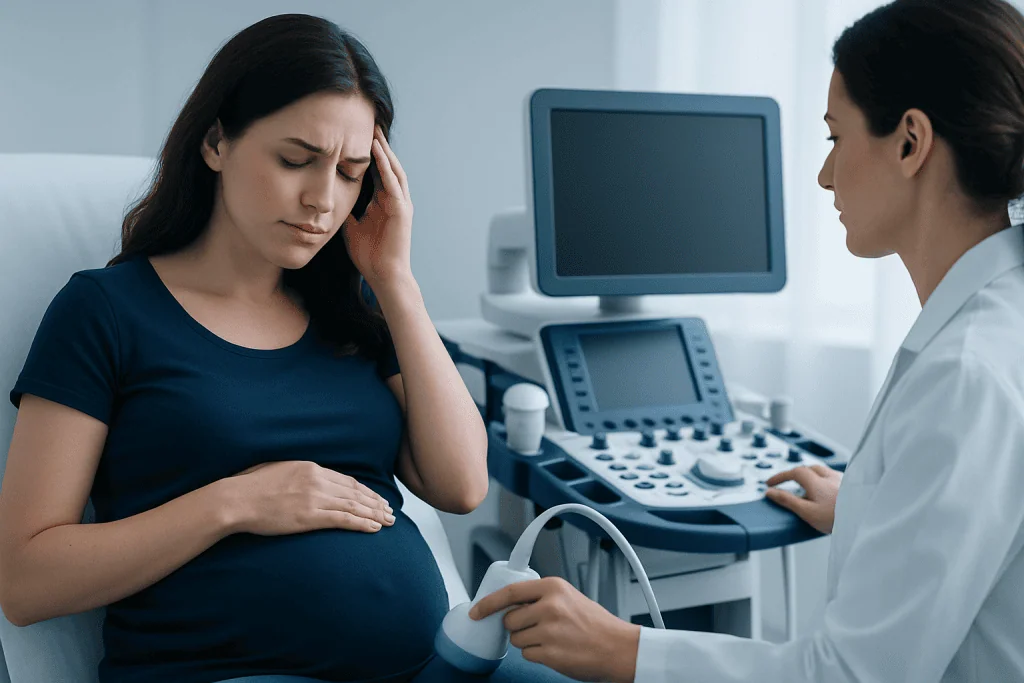
Headache patterns may change noticeably during pregnancy. In early pregnancy, rising hormone levels, nausea, reduced appetite, and increased tiredness can all contribute to more frequent headaches. Caffeine reduction or withdrawal may also play a role if someone suddenly stops coffee, tea, or other caffeinated drinks after learning they are pregnant.
Later in pregnancy, physical strain can become more important. Poor sleep, changes in posture, neck and shoulder tension, sinus congestion, and stress may trigger pain. For some, headaches become less frequent over time, especially if earlier migraines were strongly related to menstrual hormone shifts.
It can help to think of headaches during pregnancy in two broad groups: primary headaches and secondary headaches. Primary headaches are conditions such as tension-type headaches or migraines, where the headache itself is the main issue. Secondary headaches are caused by another medical problem, such as high blood pressure, infection, or a neurological condition, and these require careful evaluation.
Common symptoms and types of headache

Tension-type headaches often cause a dull, steady pressure or tight band-like pain around the forehead or back of the head. They may come with neck or shoulder tightness, but usually do not cause severe nausea or marked sensitivity to light. These are among the most common headache patterns in pregnancy.
Migraines may cause throbbing or pulsating pain, often on one side of the head, and can be accompanied by nausea, vomiting, and sensitivity to light, sound, or smells. Some people experience visual symptoms or other warning signs before the pain starts. If migraine is a known condition, doctors may discuss how pregnancy can affect attacks and whether symptoms overlap with other conditions such as migraine.
Less often, headaches may be associated with sinus pressure, fever, infection, or elevated blood pressure. Warning features include:
- a sudden, explosive, or “worst-ever” headache
- headache with blurred vision or flashing lights
- headache with fainting, weakness, confusion, or trouble speaking
- headache with fever, stiff neck, or severe vomiting
- headache that is new after mid-pregnancy or after delivery
Possible causes and risk factors
The most common causes of headaches during pregnancy are not usually dangerous. Hormonal shifts can influence blood vessels and pain sensitivity. Dehydration, skipped meals, low blood sugar, poor sleep, emotional stress, and eye strain are also frequent triggers. Morning sickness can make it harder to drink enough fluids or maintain regular meals, which may worsen headache symptoms.
People with a personal or family history of migraine, previous tension headaches, anxiety, sleep problems, or high caffeine intake may be more likely to have headaches during pregnancy. Nasal congestion and sinus pressure can also become more noticeable because pregnancy can cause swelling of the nasal tissues.
However, doctors also consider more serious causes, especially when headaches are severe or new. These may include disorders related to blood pressure such as preeclampsia, blood vessel problems in the brain, blood clots, infection, and in rare cases bleeding. Risk is higher when headache appears later in pregnancy, follows trauma, or occurs together with neurological symptoms.
Because headache is a symptom rather than a diagnosis, the pattern matters. A mild headache after a poor night’s sleep is different from a rapidly worsening headache with vision changes or swelling in the hands and face. This is why self-monitoring and timely communication with an obstetrician or other qualified doctor are important.
Diagnosis and medical evaluation
Diagnosis begins with a detailed history. A doctor will usually ask when the headaches started, how often they occur, where the pain is felt, what it feels like, how long it lasts, and whether there are associated symptoms such as nausea, visual changes, numbness, weakness, fever, or elevated blood pressure. They may also ask about prior migraine history, medications, hydration, caffeine use, sleep, and stress.
A physical examination often includes checking blood pressure, reflexes, swelling, temperature, and a focused neurological exam. Depending on the situation, urine and blood tests may be needed to look for causes such as preeclampsia, infection, or metabolic changes. If a secondary cause is suspected, imaging may sometimes be recommended. In selected cases, clinicians may coordinate evaluation with MRI because it can help assess the brain without ionizing radiation.
The goal is to distinguish routine pregnancy-related headaches from conditions that need urgent treatment. Sudden severe pain, neurological symptoms, headache after 20 weeks with high blood pressure, or a persistent headache that does not improve with rest and hydration usually warrants prompt medical attention. If symptoms are concerning, emergency assessment may be appropriate rather than waiting for a routine prenatal visit.
Treatment options and symptom relief
Treatment depends on the cause, the stage of pregnancy, and the person’s medical history. For many mild headaches, non-drug approaches are the first step. Resting in a quiet, dark room, drinking water, eating a light snack, improving posture, and applying a cool compress may be enough to ease symptoms. Gentle stretching, relaxation techniques, and regular sleep can also help reduce recurrence.
Medication decisions during pregnancy should always be individualized. Some pain relievers may be considered in certain situations, while others may need to be avoided depending on trimester, dose, or other health factors. Because safe choices vary, pregnant patients should not start over-the-counter or prescription headache treatments without guidance from their obstetrician or another qualified clinician.
If headaches are frequent, severe, or associated with an underlying disorder, specialist input may be useful. In some cases, doctors may recommend evaluation by neurology to clarify the headache type, exclude uncommon causes, and develop a pregnancy-appropriate management plan. If blood pressure disorders, severe migraine, or other complications are present, care may involve coordinated follow-up with high-risk pregnancy specialists.
Near the end of the care pathway, some international patients may seek multidisciplinary assessment in experienced centers. Acibadem International’s JCI-accredited hospitals and specialists diagnose and treat pregnancy-related conditions, coordinating obstetric and neurological care when needed.
Prevention and self-care
Not every headache can be prevented, but simple daily habits often reduce frequency and intensity. Drinking enough fluids, eating small regular meals, and avoiding long gaps without food may help stabilize common triggers such as dehydration and low blood sugar. Good sleep routines and regular breaks from screens can also be useful.
Tracking patterns can make a real difference. A headache diary may help identify triggers such as missed meals, strong odors, stress, poor posture, or sudden caffeine reduction. It can also help a doctor see whether symptoms fit tension-type headache, migraine, or something that needs more investigation.
Helpful self-care steps may include:
- maintaining regular hydration throughout the day
- resting and managing stress with breathing exercises or prenatal relaxation techniques
- using pillows and supportive seating to reduce neck and shoulder strain
- limiting known triggers when possible
- checking with a doctor before using supplements, herbal products, or pain medicines
Any self-care plan should remain flexible. If headaches start changing in pattern, becoming more severe, or appearing with new symptoms, it is safer to pause home management and seek medical advice.
When to seek medical care
Pregnant patients should contact a doctor if a headache is new, more severe than usual, keeps returning, or does not improve with rest, fluids, and approved treatment. Medical advice is also important if headaches begin after 20 weeks of pregnancy, because this can overlap with blood pressure-related complications.
Urgent or emergency care is recommended for a sudden severe headache, headache with visual changes, confusion, fainting, weakness, numbness, trouble speaking, chest pain, shortness of breath, seizure, or high blood pressure. Headache with fever, stiff neck, or severe vomiting also needs prompt assessment. These symptoms do not always mean something serious is happening, but they should be evaluated without delay.
After delivery, headaches should still be taken seriously, particularly if they are strong, unusual, or accompanied by high blood pressure or neurological symptoms. Postpartum headache can have many causes, from lack of sleep to blood pressure disorders, and a clinician can help decide what testing or treatment is needed.
Frequently asked questions
Are headaches during pregnancy normal?
Yes, headaches during pregnancy are common, especially in the first trimester. They are often related to hormone changes, fatigue, dehydration, stress, or missed meals. Still, a new or severe headache should be discussed with a doctor.
When should a headache during pregnancy be a concern?
A headache is more concerning if it is sudden, very severe, different from usual, or comes with blurred vision, swelling, weakness, confusion, or high blood pressure. Headaches that start later in pregnancy also deserve careful attention. In these situations, prompt medical evaluation is recommended.
Can pregnancy make migraines better or worse?
Pregnancy can affect migraine in different ways. Some people notice that migraines improve, especially after the first trimester, while others continue to have attacks or develop different headache patterns. Because symptoms can overlap with other conditions, a doctor may need to review any significant changes.
What can help relieve headaches during pregnancy without medicine?
Rest, hydration, regular meals, a quiet dark room, and a cool compress may help many mild headaches. Gentle stretching, stress reduction, and better sleep habits can also be useful. If headaches are frequent or worsening, home measures alone may not be enough and medical advice is important.
Is it safe to take headache medicine while pregnant?
Some medicines may be used in pregnancy, but the safest option depends on the trimester, the headache type, and the person’s medical history. Pregnant patients should not assume that all over-the-counter medicines are safe. A doctor or pharmacist should guide any medication choice.
Can high blood pressure cause headaches during pregnancy?
Yes, high blood pressure can be linked to headache during pregnancy, especially in disorders such as preeclampsia. A headache related to high blood pressure may appear with vision changes, swelling, or feeling unwell. Because this can be serious, it needs prompt medical evaluation.
References
- American College of Obstetricians and Gynecologists
- National Institute of Neurological Disorders and Stroke
- Mayo Clinic
- National Health Service
- World Health Organization
This article is for general information only and is not a substitute for professional medical advice. Please consult a qualified doctor about your individual situation.
Explore treatments in Turkey — costs, top hospitals & a free quote
JCI-accredited · board-certified surgeons · reply within 24h
Add us as a Preferred Source to see more of our trusted health content across Google Search, AI Overviews and Discover.
Check your numbers in seconds
BMI, calories, due date, blood pressure and 30+ more clinical calculators — free, instant, doctor-reviewed ranges.