Healing Touch Massage: What Patients Need to Know
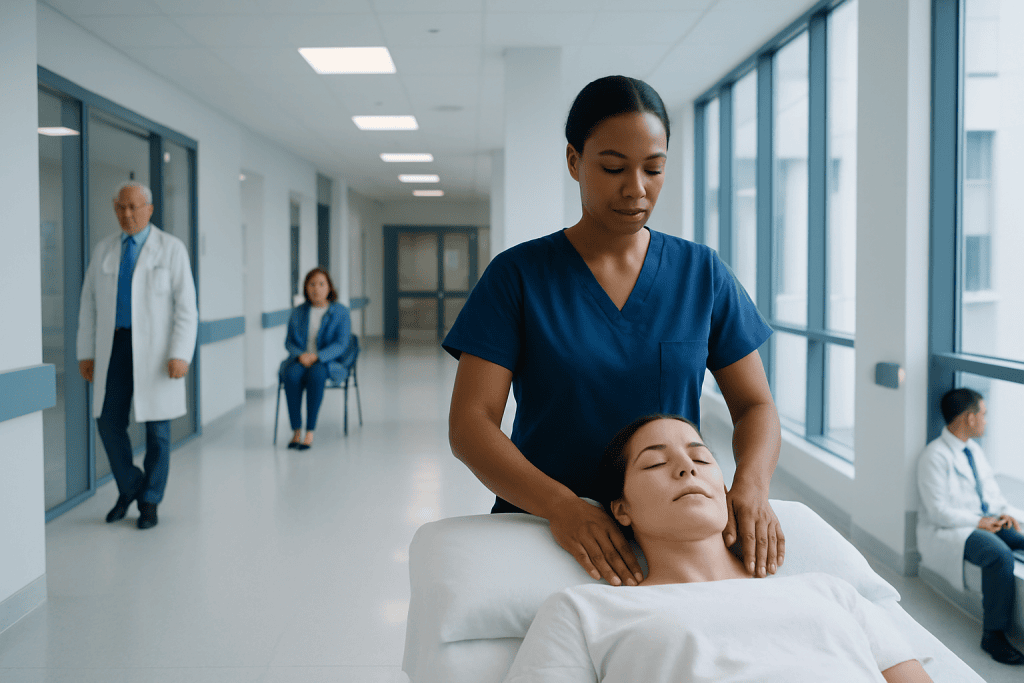
Healing Touch is an energy-based complementary practice and is different from conventional massage therapy. Massage involves physical manipulation of soft tissues; Healing Touch generally uses gentle touch or hands held near the body.
Key Takeaways
- Healing Touch is an energy-based complementary practice and is different from conventional massage therapy.
- Massage involves physical manipulation of soft tissues; Healing Touch generally uses gentle touch or hands held near the body.
- Relaxation, temporary stress relief and a sense of well-being are the most commonly reported benefits.
- Evidence does not support using healing touch massage as a cure for cancer, infection, pain disorders or other medical illnesses.
- People with new, severe or unexplained symptoms should seek medical assessment rather than relying on complementary therapy alone.
- A qualified practitioner should discuss health conditions, medications and personal comfort before a session begins.
Healing touch massage is a term often used for relaxing, hands-on complementary care, but it can describe two different approaches: massage therapy and Healing Touch energy therapy. Both may help some people feel calmer or more comfortable, yet neither replaces diagnosis or evidence-based treatment for a medical condition.
What Is Healing Touch Massage?
Healing touch massage is a broad phrase that may refer to either massage therapy, Healing Touch therapy, or a session combining gentle touch with relaxation practices. These approaches are sometimes offered in wellness settings, spas, rehabilitation programs and supportive care environments. Although they may sound similar, they are not the same type of care.
Massage therapy uses hands-on techniques such as stroking, kneading, pressure and movement to work on muscles and other soft tissues. It is commonly used to support relaxation, ease short-term muscle tension and improve a person’s sense of physical comfort. The pressure and techniques may range from very light to deeper work, depending on the individual and the practitioner’s training.
Healing Touch is a complementary, energy-based practice. Practitioners may place their hands lightly on the body or hold them just above it, with the intention of supporting relaxation and well-being. Its proposed effects are based on concepts of human energy fields that have not been established by conventional medical science. Some people find the experience soothing, but it is not a treatment for disease.
For patients, the most useful approach is to view healing touch massage as optional supportive care. It may be used alongside—not instead of—appropriate medical evaluation, prescribed treatment, physical rehabilitation or mental health support.
What Benefits Can People Expect?
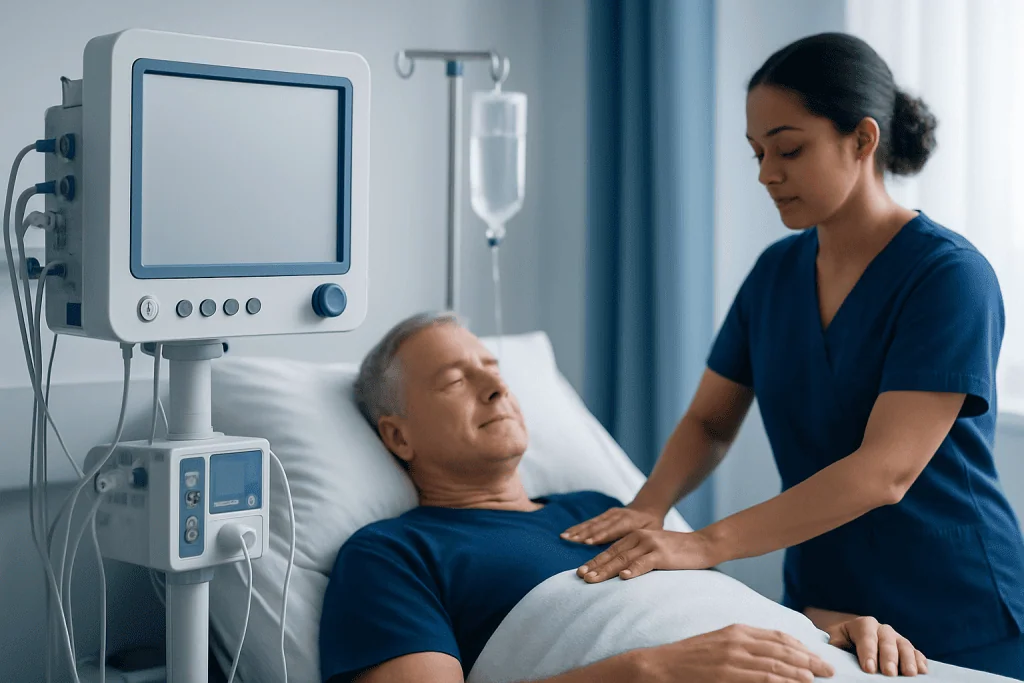
The most realistic potential benefit of healing touch massage is relaxation. A calm environment, quiet attention, comfortable positioning and gentle contact can help some people feel less tense or overwhelmed. This may be especially welcome during stressful periods, recovery from illness or demanding medical treatment, when comfort and emotional support matter.
Massage therapy may also provide short-term relief of muscle tightness, soreness or stiffness for some individuals. It can support body awareness and encourage a person to pause, rest and notice areas of tension. Benefits vary considerably according to the cause of symptoms, the massage technique, the pressure used and the person’s overall health.
Research on Healing Touch specifically is limited and mixed. Studies have not shown reliable evidence that it can cure illnesses, change the course of cancer, eliminate infection, heal fractures or replace treatments for chronic pain. However, a person’s positive experience of calm, connection or comfort can still be meaningful as part of a wider care plan.
Complementary therapies work best when expectations are clear. They should be presented as comfort measures rather than medical interventions with proven disease-specific effects. A practitioner should never advise stopping prescribed medicine, delaying tests or avoiding a clinician’s recommended care.
How Massage and Healing Touch May Affect Well-Being
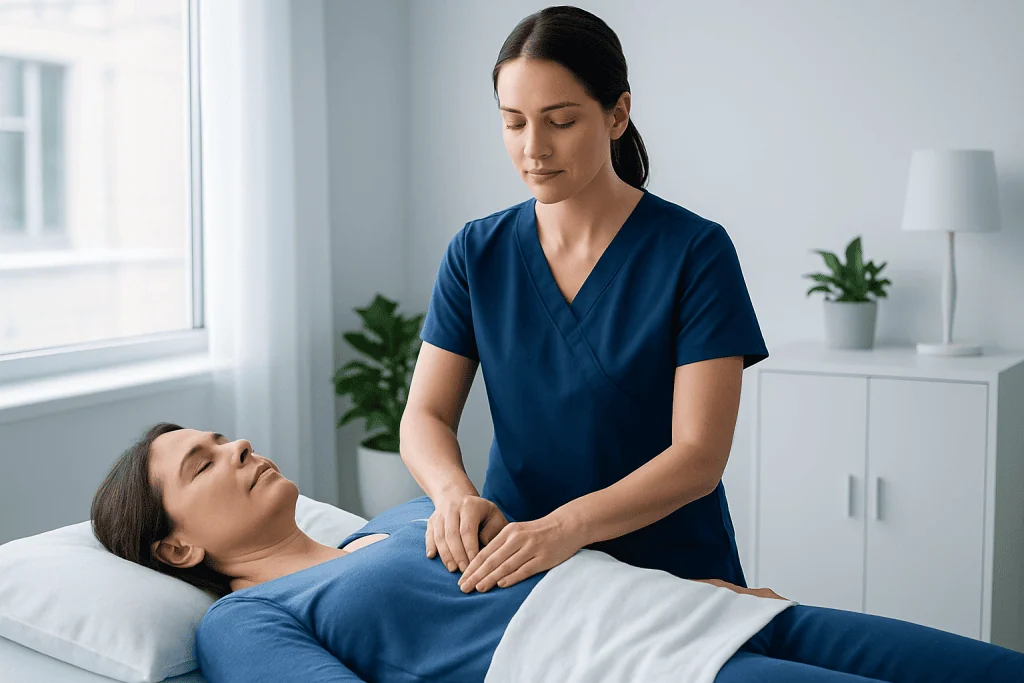
Massage may influence well-being through several practical mechanisms. Gentle pressure and movement can temporarily reduce the feeling of muscle tension, while a quiet setting and slower breathing can activate relaxation responses. Feeling listened to and receiving respectful, consensual touch may also support emotional comfort for some people.
Healing Touch sessions are generally quieter and involve little or no physical manipulation. The relaxation response may be related to the restful setting, focused attention, breathing and an individual’s expectations or beliefs about the session. These responses do not mean that an underlying medical problem has necessarily been treated.
Pain is complex and can be affected by sleep, mood, stress, activity, inflammation, nerve function and other health factors. For this reason, persistent pain often needs a clinical assessment and may benefit from a broader plan that includes movement, rehabilitation, psychological support, medication when appropriate or treatment of the underlying cause. People with ongoing musculoskeletal symptoms may need an assessment for conditions such as back pain rather than repeated wellness treatments alone.
A thoughtful practitioner will ask what the patient hopes to gain from a session. Goals such as relaxation, improved comfort before sleep or support during a stressful time are more appropriate than promises to treat a specific disease.
Safety, Consent and Who Should Use Caution
Gentle Healing Touch is usually low risk when it is provided as a comfort practice and does not interfere with medical care. However, safety still depends on clear communication, hygiene, informed consent and respect for personal boundaries. The patient should be able to request lighter pressure, avoid particular body areas, pause or stop the session at any time.
Massage is not appropriate in every situation. Deep or vigorous massage may be unsafe over a recent injury, an area of infection, an open wound, an active skin rash, a suspected blood clot or a painful swollen limb. People with bleeding disorders, fragile skin, severe osteoporosis, significant circulation problems or reduced sensation should ask a clinician whether massage is suitable and what modifications are needed.
Patients receiving cancer treatment should discuss massage or touch therapies with their oncology team, especially if they have low blood counts, bone involvement, lymphedema, a central line, surgical wounds or treatment-related skin changes. Gentle, adapted supportive touch may sometimes be appropriate, but it should be individualized. A complementary session should not involve pressure over a tumor, radiation-treated skin, a port or a newly operated area.
It is also important to choose a practitioner who explains their qualifications and scope of practice honestly. They should not diagnose disease, claim to cure serious conditions or discourage medical treatment. Licensed or appropriately credentialed massage professionals should adapt care to the patient’s health history.
Preparing for a Session and Making It Part of Safe Care
Before booking healing touch massage, patients can consider their main goal. For example, they may wish to feel calmer, reduce temporary muscle tension or have a quiet, supportive experience. It is helpful to share relevant health information, including pregnancy, recent surgery, injuries, skin concerns, blood-thinning medicines, cancer treatment, implanted medical devices and any history of trauma that may make touch uncomfortable.
At the beginning of the session, the practitioner should explain what will happen, where touch may be used and whether clothing will remain on. Healing Touch is commonly performed with the person fully clothed. Massage practices vary, but privacy, appropriate draping and ongoing permission are essential. Patients should feel comfortable asking questions about the approach, pressure, duration and cost before care begins.
After a relaxing session, drinking fluids, eating normally, gentle movement and rest may be reasonable if they feel good. There is no need for special cleanses, supplements or restrictive diets afterward. Mild temporary tenderness can occur after massage, particularly when pressure is firmer, but significant pain, bruising, dizziness or worsening symptoms should be discussed with a healthcare professional.
For ongoing pain or limited movement, a clinician may recommend assessment and a structured rehabilitation plan. Depending on the diagnosis, this can include physical therapy and rehabilitation to improve strength, mobility and function. Complementary touch therapies can sometimes fit around this plan when they are safe and personally helpful.
When to Seek Medical Care
Healing touch massage should not be used to evaluate or manage warning signs of serious illness. A person should seek urgent medical care for chest pain, trouble breathing, sudden weakness or numbness, fainting, confusion, severe headache, uncontrolled bleeding or signs of a severe allergic reaction. These symptoms need prompt professional assessment.
Medical advice is also important for pain that is severe, persistent, unexplained or getting worse; pain after a fall or accident; a new lump or swelling; fever with localized redness or pain; or unexplained weight loss. New leg swelling, warmth and pain may require urgent evaluation because a blood clot is one possible cause, and massage over the area should be avoided until a clinician has assessed it.
People should contact a doctor if massage causes substantial bruising, increasing pain, skin injury, numbness, weakness or symptoms that do not settle. A qualified clinician can determine whether there is an injury, infection, nerve problem, circulation concern or another condition requiring treatment.
Acibadem International’s multidisciplinary specialists and JCI-accredited hospitals support international patients who need diagnosis and treatment for symptoms or conditions that require medical care. Complementary approaches may be considered only when they are appropriate within an individualized clinical plan.
Choosing Complementary Care With Confidence
A safe and helpful complementary-care experience begins with realistic claims. Patients may ask a practitioner what training they have, whether they have experience adapting sessions for specific health needs and how they handle communication with a patient’s medical team. Clear answers are a positive sign.
It is reasonable to look for a practitioner who welcomes questions and respects evidence-based care. They should be willing to modify or postpone a session when there are health concerns. They should also avoid statements that make a patient feel responsible for their illness or imply that recovery depends on accepting an unproven therapy.
Personal preference matters. Some people enjoy touch-based relaxation, while others prefer guided breathing, mindfulness, gentle exercise or talking therapies. No one should feel pressured to receive touch, remove clothing or continue a therapy that feels uncomfortable. The best supportive option is one that feels safe, respectful and compatible with medical care.
Used thoughtfully, healing touch massage can be one component of self-care. Its value lies primarily in comfort and relaxation, while medical professionals remain the appropriate source of diagnosis, treatment decisions and monitoring for health conditions.
Frequently asked questions
Is healing touch massage the same as massage therapy?
No. Massage therapy uses physical techniques to manipulate muscles and soft tissues, while Healing Touch is an energy-based complementary practice that may involve very light touch or hands held near the body. Some providers combine elements of both, so patients should ask what a session includes.
Does healing touch massage treat medical conditions?
Healing touch massage may help some people feel relaxed or more comfortable, but it is not a proven treatment for diseases or injuries. It should not replace medical tests, prescribed medication, surgery, rehabilitation or other clinician-recommended care.
Can healing touch massage help with anxiety or stress?
A calm setting and gentle, respectful attention may help some people feel less stressed in the short term. For ongoing anxiety, panic symptoms or distress that interferes with daily life, a doctor or mental health professional can recommend evidence-based support.
Is massage safe during cancer treatment?
Massage may be possible for some people during cancer treatment, but it needs to be adapted to the individual’s condition. Patients should first speak with their oncology team and choose a practitioner experienced in working with people receiving cancer care.
Who should avoid massage until they have spoken with a doctor?
People with a suspected blood clot, active infection, open wounds, recent surgery, unexplained swelling, severe osteoporosis or a recent injury should seek medical advice first. Individuals taking blood-thinning medication or living with complex medical conditions may also need modified techniques.
What should a patient tell a massage or Healing Touch practitioner?
Patients should share relevant medical history, including recent injuries or surgery, pregnancy, medications, skin problems, cancer treatment, circulation concerns and areas that should not be touched. They should also state their comfort preferences and tell the practitioner immediately if pressure or touch feels painful or unwelcome.
References
- National Center for Complementary and Integrative Health
- American Massage Therapy Association
- National Cancer Institute
- World Health Organization
This article is for general information only and is not a substitute for professional medical advice. Please consult a qualified doctor about your individual situation.
Explore treatments in Turkey — costs, top hospitals & a free quote
JCI-accredited · board-certified surgeons · reply within 24h
Add us as a Preferred Source to see more of our trusted health content across Google Search, AI Overviews and Discover.

More from the Health Library

Related Specialists
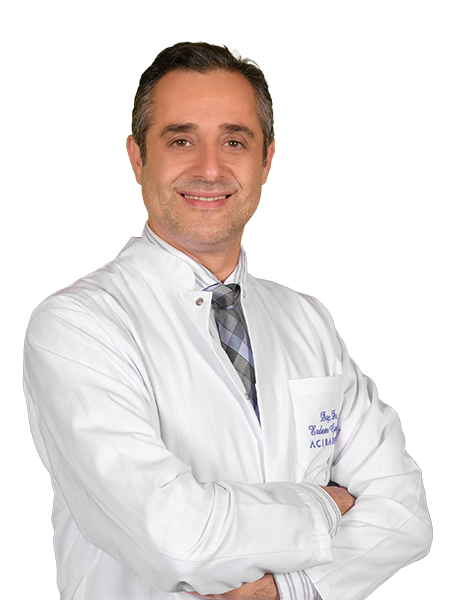
Assoc. Prof. Dr. Erdem Güven (m)
Aesthetic Plastic & Reconstructive Surgery
Dr. Murat Sarıkaş
Orthopedic Surgery & Traumatology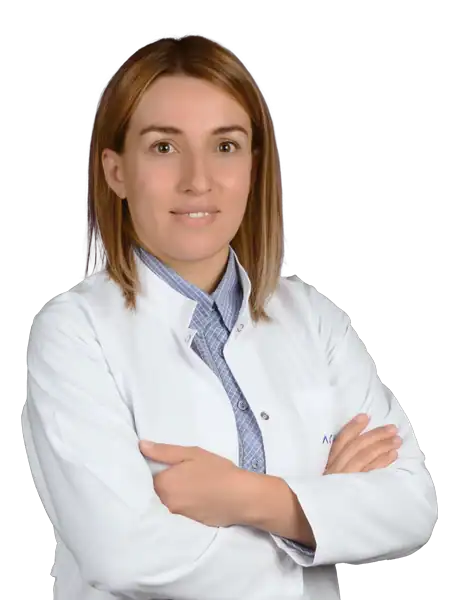
Dr. Buket Özel Bingöl
Otorhinolaryngology