Healthy Pregnancy: What Is Normal, What Is Not, and When to Seek Care

A healthy pregnancy involves routine prenatal care, balanced nutrition, rest, movement, and avoiding harmful substances. Many symptoms are common in pregnancy, including nausea, fatigue, breast tenderness, mild swelling, and more frequent urination.
Key Takeaways
- A healthy pregnancy involves routine prenatal care, balanced nutrition, rest, movement, and avoiding harmful substances.
- Many symptoms are common in pregnancy, including nausea, fatigue, breast tenderness, mild swelling, and more frequent urination.
- Some symptoms are not normal, such as heavy bleeding, severe abdominal pain, leaking fluid, severe headache, chest pain, or reduced fetal movement later in pregnancy.
- Prenatal visits and recommended tests help detect issues early, even when symptoms are mild or absent.
- Anyone who is pregnant should contact a qualified clinician promptly if warning signs develop or if something feels significantly different from usual.
A healthy pregnancy usually includes predictable physical and emotional changes, steady prenatal monitoring, and timely attention to symptoms that are not typical. Knowing what is commonly normal, what may signal a problem, and when to seek care helps protect both the pregnant person and the baby.
Overview: what a healthy pregnancy usually looks like
A healthy pregnancy means the pregnant person and baby are doing well overall, with normal growth and development, regular prenatal follow-up, and no signs of urgent complications. It does not mean feeling perfect every day. In fact, many healthy pregnancies include nausea, tiredness, mood changes, heartburn, constipation, back discomfort, and sleep disruption at different stages.
What matters most is the pattern: symptoms that are mild to moderate, expected for the stage of pregnancy, and discussed during prenatal visits are often part of a normal pregnancy. A healthy pregnancy is supported by prenatal vitamins, good nutrition, hydration, appropriate physical activity, recommended screening tests, and avoiding tobacco, alcohol, and non-prescribed drugs.
Pregnancy changes from trimester to trimester. Early pregnancy often brings nausea, fatigue, breast tenderness, and frequent urination. In the second trimester, many people feel more energetic while the abdomen grows and fetal movement begins. In the third trimester, breathlessness with exertion, pelvic pressure, sleep difficulty, and swelling in the feet may become more noticeable.
What is normal in pregnancy
Many body changes are common and do not necessarily mean something is wrong. Hormonal shifts, increased blood volume, changes in circulation, and the growing uterus all affect how the body feels. Common normal symptoms include nausea or vomiting, food aversions, breast tenderness, constipation, heartburn, bloating, mild back pain, leg cramps, and feeling more emotional than usual.
Vaginal discharge often increases during pregnancy and is usually thin, clear, or milky. Mild swelling in the ankles and feet can happen, especially later in the day or in hot weather. Occasional dizziness may occur when standing up too quickly. Braxton Hicks contractions, which are irregular tightening sensations, can happen later in pregnancy and usually ease with rest or hydration.
Skin and circulation changes are also common. Some people notice darker skin patches, stretch marks, visible veins, hemorrhoids, or nasal congestion. Sleep may become lighter or more interrupted. These symptoms can be uncomfortable, but they are often part of a healthy pregnancy when they are discussed with a clinician and not accompanied by warning signs.
- Early pregnancy: nausea, fatigue, sore breasts, frequent urination
- Middle pregnancy: growing belly, increased appetite, beginning fetal movement
- Late pregnancy: pelvic pressure, mild swelling, heartburn, sleep changes
What is not normal: warning signs to watch for
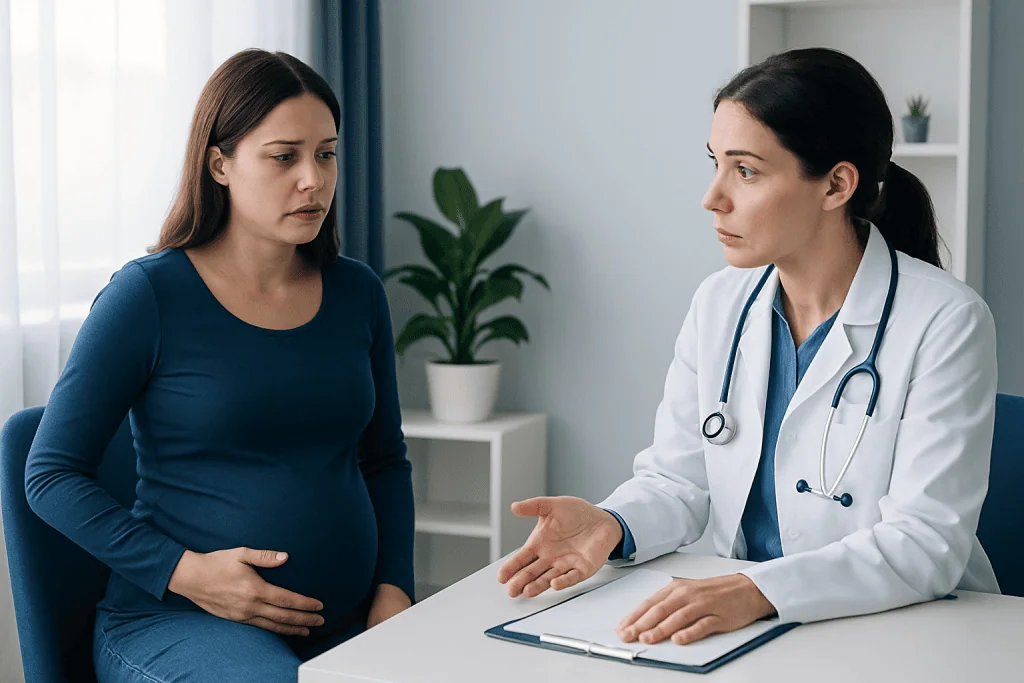
Some symptoms are not considered typical and should be assessed promptly. Vaginal bleeding heavier than light spotting, severe or persistent abdominal pain, fever, painful urination, or fluid leaking from the vagina may suggest a complication. Sudden swelling of the face or hands, severe headache, vision changes, or pain under the ribs can be warning signs of high blood pressure disorders in pregnancy, including preeclampsia.
Chest pain, severe shortness of breath, fainting, one-sided leg swelling, or seizures need urgent medical attention. Later in pregnancy, reduced or absent fetal movement compared with the usual pattern should never be ignored. Persistent vomiting that prevents fluids from staying down can also lead to dehydration and may need treatment.
Symptoms can overlap with conditions that require timely care, such as miscarriage, ectopic pregnancy, infection, preterm labor, gestational diabetes, placental problems, or pregnancy-related hypertension. A symptom does not confirm a diagnosis, but it does mean the pregnant person should contact a qualified doctor or maternity team rather than wait and see if it worsens.
How prenatal care supports a healthy pregnancy
Regular prenatal care is one of the most important parts of a healthy pregnancy. Prenatal visits help track blood pressure, weight, urine findings, the baby’s growth, and overall maternal well-being. They also create opportunities to discuss symptoms, mental health, medicines, supplements, travel, exercise, work, and any personal or family health risks.
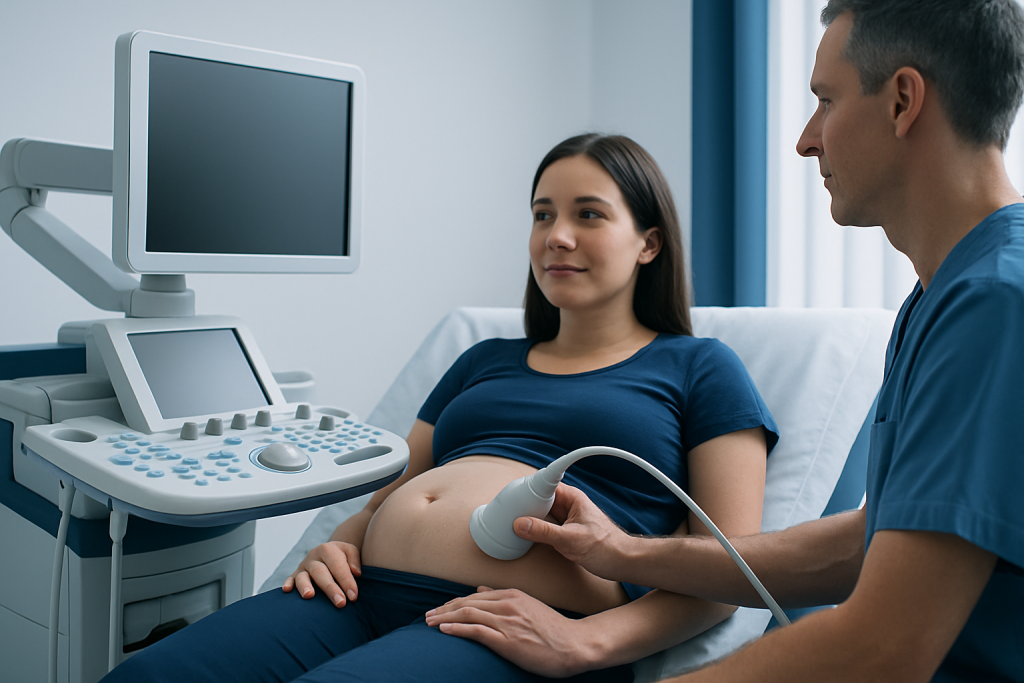
Recommended testing varies by stage of pregnancy and individual needs. Blood tests may check blood type, anemia, infections, and immunity. Urine tests can help identify protein, infection, or other concerns. Ultrasound examinations assess dating, fetal growth, anatomy, placental position, and other pregnancy features. In some cases, clinicians may recommend ultrasound imaging or comprehensive prenatal check-ups more frequently because of age, multiple pregnancy, chronic illness, or prior pregnancy history.
Screening and diagnosis are not the same. Screening tests estimate risk; diagnostic tests help confirm a condition. If a concern is identified, the care plan may include closer follow-up, referral to maternal-fetal medicine, blood pressure monitoring, nutritional counseling, or treatment for issues such as anemia, thyroid disease, or gestational diabetes. Early detection often improves management and supports safer pregnancy outcomes.
Daily habits that help maintain a healthy pregnancy
Healthy daily routines can support both maternal health and fetal development. A balanced eating pattern with fruits, vegetables, whole grains, protein, and calcium-rich foods is important. Most pregnant people are advised to take prenatal vitamins that include folic acid, and many also need iron or other supplements based on blood tests and clinician guidance. Drinking enough water and limiting highly processed foods may help with constipation and energy levels.
Regular, pregnancy-appropriate physical activity is helpful for circulation, sleep, mood, and blood sugar control unless a clinician advises restrictions. Walking, stretching, and low-impact exercise are often suitable. Good sleep habits, stress management, and avoiding smoking, alcohol, and recreational drugs are also central to a healthy pregnancy. Medicines, herbal products, and over-the-counter remedies should be reviewed with a doctor before use.
Self-care also includes practical safety steps. These include attending scheduled appointments, getting recommended vaccines, wearing a seat belt correctly, reducing infection risks through hand hygiene and safe food handling, and speaking up early about mood changes. If nausea, pelvic pain, or other discomforts become difficult to manage, professional advice can help. Some people may also benefit from support in related reproductive areas such as fertility and IVF care before a future pregnancy or after pregnancy loss.
When to seek medical care during pregnancy
Pregnant individuals should contact a doctor, midwife, or maternity unit promptly if they have symptoms that are severe, sudden, or clearly different from their usual pattern. This includes heavy bleeding, severe abdominal pain, leaking fluid, fever, persistent vomiting, painful urination, severe headache, vision changes, chest pain, shortness of breath, or one-sided leg swelling. Urgent care is also needed for seizures, fainting, or signs of preterm labor such as regular contractions before term.
After fetal movement becomes established, a noticeable reduction in movement should be assessed the same day. It is also reasonable to seek advice for milder concerns if there is uncertainty. Reassurance can be valuable, and many pregnancy problems are easier to manage when evaluated early.
People with high-risk pregnancies should be especially careful about reporting symptoms. This includes those with high blood pressure, diabetes, kidney disease, autoimmune disease, prior preterm birth, multiple pregnancy, or a history of pregnancy complications. Near the end of care, multidisciplinary specialists at Acibadem International and its JCI-accredited hospitals also provide diagnosis and treatment support for international patients when pregnancy concerns require coordinated evaluation.
Conditions that can affect pregnancy and how they are treated
Pregnancy is a normal life event, but some medical conditions can arise during it or become more noticeable because of it. These may include high blood pressure disorders, anemia, gestational diabetes, infections, thyroid disorders, placental problems, or preterm labor. Not every condition can be prevented, but many can be identified and managed well through routine monitoring and timely treatment.
Treatment depends on the specific issue, how far the pregnancy has progressed, and the health of both the pregnant person and the baby. Care may involve changes in diet, medicines that are considered appropriate in pregnancy, closer surveillance, fetal monitoring, hospital observation, or specialist-led care. In urgent situations, treatment focuses on stabilizing the mother while also protecting fetal well-being.
If delivery planning becomes complex, obstetric teams may coordinate imaging, laboratory testing, and newborn support in advance. In selected cases, doctors may involve internal medicine, endocrinology, cardiology, or neonatology specialists. The goal is not only to treat illness, but also to support the safest possible continuation of pregnancy and timing of birth.
Frequently asked questions
Is it normal to feel tired throughout a healthy pregnancy?
Yes. Fatigue is very common, especially in the first and third trimesters, because the body is adapting to hormonal changes and increased physical demands. However, extreme tiredness can sometimes be linked to anemia, poor sleep, thyroid problems, or other issues, so it is worth mentioning during prenatal care.
How much nausea is considered normal in pregnancy?
Mild to moderate nausea and occasional vomiting are common, especially early in pregnancy. It is important to seek medical advice if vomiting is frequent, prevents eating or drinking, causes dizziness, or leads to signs of dehydration, because treatment may be needed.
When should fetal movements be checked by a doctor?
Once a regular pattern of fetal movement has been noticed, any clear decrease or absence of movement should be assessed promptly, usually the same day. Reduced movement does not always mean there is a serious problem, but it should not be ignored.
Can light spotting happen in a healthy pregnancy?
Light spotting can occur in early pregnancy and may not always indicate a serious issue. Even so, any bleeding in pregnancy should be discussed with a clinician, especially if it becomes heavier, is accompanied by pain, or occurs later in pregnancy.
Are exercise and travel safe during pregnancy?
For many people, moderate exercise and routine travel are safe during an uncomplicated pregnancy. The best plan depends on individual health, stage of pregnancy, and any risk factors, so it is wise to confirm details with a prenatal care provider.
What foods or substances should be avoided for a healthy pregnancy?
Alcohol, tobacco, recreational drugs, and medications not approved by a doctor should be avoided. Safe food practices are also important, including avoiding foods that carry a higher risk of foodborne infection and asking a clinician about caffeine, supplements, and herbal products.
References
- World Health Organization
- American College of Obstetricians and Gynecologists
- Centers for Disease Control and Prevention
- National Institute for Health and Care Excellence
- March of Dimes
This article is for general information only and is not a substitute for professional medical advice. Please consult a qualified doctor about your individual situation.
Persistent digestive symptoms? Get evaluated in Turkey
JCI-accredited · board-certified surgeons · reply within 24h
Add us as a Preferred Source to see more of our trusted health content across Google Search, AI Overviews and Discover.
Check your numbers in seconds
BMI, calories, due date, blood pressure and 30+ more clinical calculators — free, instant, doctor-reviewed ranges.