Heated Eye Mask: What Patients Need to Know

A heated eye mask is mainly used to warm the eyelids and help unblock oil glands that support a healthy tear film. It may relieve dryness, burning, gritty sensation, and eyelid discomfort when symptoms are related to meibomian gland dysfunction or blepharitis.
Key Takeaways
- A heated eye mask is mainly used to warm the eyelids and help unblock oil glands that support a healthy tear film.
- It may relieve dryness, burning, gritty sensation, and eyelid discomfort when symptoms are related to meibomian gland dysfunction or blepharitis.
- It should feel comfortably warm, not hot, and should not be used on irritated, injured, or recently operated eyes unless a doctor advises it.
- Persistent eye pain, vision changes, light sensitivity, or one-sided redness need medical assessment rather than self-treatment alone.
- A heated eye mask works best as part of a broader eye-care plan that may include lid hygiene, artificial tears, and treatment of the underlying cause.
A heated eye mask is a reusable warm compress designed to gently warm the eyelids and support natural tear oils. For many patients, it can be a useful part of care for dry eye symptoms and meibomian gland dysfunction, but safe use and the right diagnosis matter.
Overview: what a heated eye mask does
A heated eye mask is a soft mask that is warmed and placed over closed eyelids for a short period. Its main purpose is not simply comfort: gentle heat can soften thickened oils inside the meibomian glands, small glands along the eyelid margins that help keep tears from evaporating too quickly. When these oils flow better, some patients notice less dryness, stinging, grittiness, and eyelid irritation.
This is why a heated eye mask is often recommended for dry eye linked to meibomian gland dysfunction, a common cause of evaporative dry eye. It may also be used as part of care for mild eyelid inflammation such as blepharitis, especially when crusting and gland blockage are present. It is less likely to help if symptoms are caused by allergy, infection, injury, or a problem inside the eye itself.
Patients often see heated eye masks sold online or in pharmacies, but they are not all the same. Some are microwave-heated, while others are electric or rechargeable with temperature controls. The most effective choice is the one that can provide steady, safe warmth and that the patient can use regularly as instructed.
Who may benefit from a heated eye mask
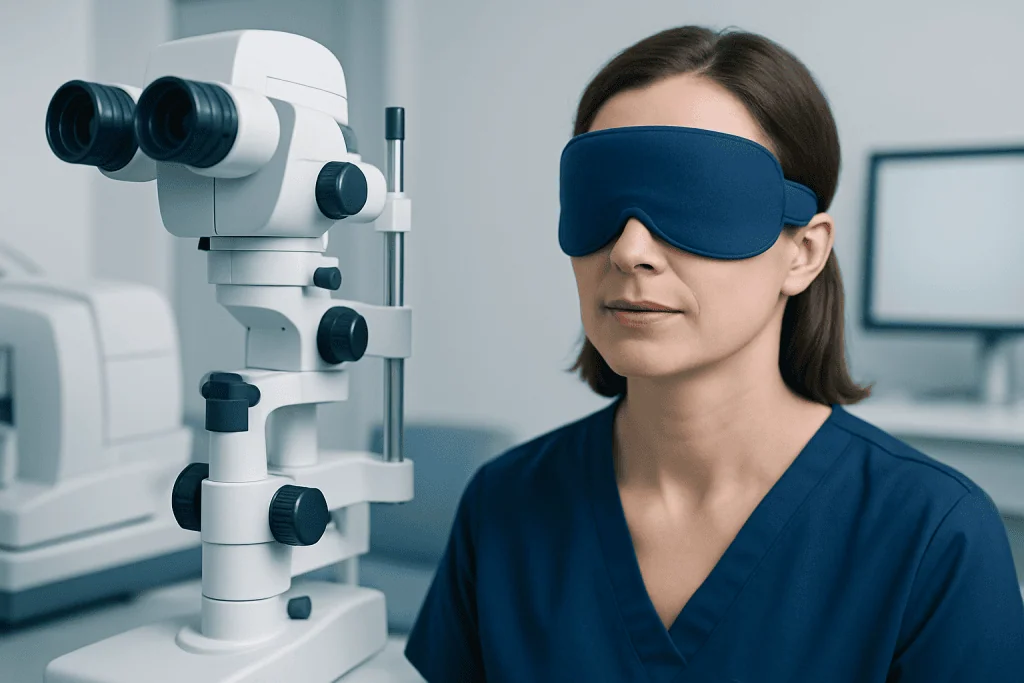
A heated eye mask may be helpful for people who have symptoms of evaporative dry eye. Typical complaints include a sandy or gritty sensation, burning, fluctuating blurry vision that improves after blinking, eyelid soreness, and eyes that feel tired after reading or screen use. These symptoms can become more noticeable in dry environments, air conditioning, or after long hours of focused visual work.
It can also support eyelid hygiene in people with blocked meibomian glands or chronic lid-margin inflammation. In these situations, warming the eyelids is often followed by gentle lid massage or cleaning, based on a doctor’s advice. For some patients, this simple routine can improve comfort and reduce symptom flare-ups over time.
However, a heated eye mask is a supportive measure, not a universal treatment for all eye discomfort. People with significant allergies, infections, corneal injury, recent eye surgery, or unexplained red eye need proper assessment first. If a person has already been diagnosed with dry eye, a clinician may suggest combining a warm mask with dry eye treatment such as lubricating drops, environmental changes, and management of contributing eyelid disease.
How it works for dry eye and eyelid gland problems

The tear film has three main components: an oily layer, a watery layer, and a mucous layer. The oily layer, produced by the meibomian glands, slows tear evaporation. When these glands become blocked or their secretions turn thick and waxy, tears evaporate faster, leaving the eyes dry and irritated even if tear production itself is normal.
A heated eye mask works by delivering gentle warmth through the closed eyelids. This warmth can soften altered oils and help them flow more freely. In practical terms, that may improve the quality of the tear film and reduce the cycle of dryness and irritation. This approach is particularly relevant in meibomian gland dysfunction, one of the most common reasons for ongoing dry eye symptoms.
That said, heat alone does not correct every cause of dry eye. Some patients have reduced tear production from age, medications, autoimmune conditions, or hormonal changes. Others have mixed disease, with both poor tear quality and low tear volume. In these cases, a heated eye mask may still help, but it is usually one part of a broader treatment plan rather than a stand-alone solution.
How to use a heated eye mask safely
Safe use matters because the skin of the eyelids is delicate and the eye surface is sensitive. A heated eye mask should feel comfortably warm, never painfully hot. If the product is microwave-heated, the manufacturer’s instructions should be followed carefully, since overheating can burn the skin or worsen irritation. If it is electric, patients should use the recommended temperature setting and time limit.
Most people use the mask over closed eyes for several minutes, then remove it and, if advised by their clinician, gently massage the eyelids or clean the lid margins. Hands should be clean before touching the eyes or mask. Contact lenses should generally be removed first unless a clinician has given different instructions. The mask itself should be kept clean according to the product guidance.
A patient should stop using the mask and seek advice if warmth makes symptoms worse, if the eyes become more red, or if there is pain, swelling, discharge, or reduced vision. Heat should also be used with extra caution in people with reduced facial sensation, certain skin disorders, or difficulty judging temperature. After some procedures, including laser eye surgery, warm compresses may or may not be appropriate, so postoperative instructions should always come from the treating ophthalmologist.
When a heated eye mask may not be appropriate
Not every eye problem improves with warmth. If redness, pain, discharge, or swelling is caused by infection, self-treating with a heated eye mask may delay proper care. Likewise, a mask is not a treatment for sudden vision loss, severe one-sided headache with eye pain, light sensitivity, chemical exposure, or eye trauma. These situations need prompt medical evaluation.
Patients should also be careful if they have active skin irritation around the eyes, burns, or recent eyelid procedures. In some people, heat can aggravate rosacea-related flushing or make swelling feel worse. Those with diabetes-related nerve changes or another condition that reduces sensation may not notice excessive heat quickly enough, which increases the risk of injury.
If recurrent symptoms continue despite regular warm compresses, the underlying cause may need a closer look. Persistent gland dysfunction, significant inflammation, or structural eyelid problems may require formal eye assessment and treatment. In selected cases, an ophthalmologist may discuss in-office options or other therapies within a personalized eye treatment plan.
Other treatments that may be used alongside it
A heated eye mask often works best when combined with other measures rather than used alone. Doctors commonly recommend preservative-free artificial tears, reducing direct airflow to the eyes, taking regular breaks from screens, and improving blinking habits during prolonged reading or device use. Lid hygiene, including careful cleansing of the eyelid margins, may also be part of the routine when blepharitis is present.
If symptoms are more persistent, treatment may also focus on inflammation or tear stability. Depending on the diagnosis, this can include prescription eye drops, management of allergy, treatment of skin conditions such as rosacea, or addressing medication side effects that contribute to dryness. For people whose symptoms relate to eyelid gland disease, consistency is often more important than intensity; gentle daily care is usually more helpful than occasional very hot compresses.
Regular eye examinations are especially important if symptoms interfere with reading, driving, work, or contact lens wear. The goal is not only symptom relief but also protection of the eye surface. In some settings, specialists may evaluate whether there are associated conditions such as glaucoma medications causing dryness, autoimmune disease, or tear drainage issues that need attention.
When to seek medical care
A heated eye mask can be reasonable for mild, familiar dry eye symptoms, but certain warning signs should not be managed at home alone. Medical assessment is important if there is moderate to severe eye pain, sudden blurred vision, light sensitivity, new floaters or flashes, significant discharge, or redness mainly in one eye. These symptoms may point to a problem other than simple dry eye.
Patients should also seek care if dryness is persistent, keeps returning, or does not improve after a period of regular self-care. Frequent symptoms can affect sleep, concentration, reading, computer work, and quality of life, and they may reflect a condition that needs targeted treatment. People with autoimmune disease, recent eye surgery, contact lens complications, or repeated eyelid infections should be assessed sooner rather than later.
For international patients who need specialist assessment, Acibadem International’s multidisciplinary eye specialists in JCI-accredited hospitals diagnose and treat a wide range of eye conditions. The most appropriate plan depends on the exact cause, so evaluation by a qualified ophthalmologist is the safest next step when symptoms are ongoing or unclear.
Frequently asked questions
Can a heated eye mask help dry eyes?
Yes, a heated eye mask may help some forms of dry eye, especially evaporative dry eye linked to meibomian gland dysfunction. The warmth can improve oil flow from the eyelid glands, which helps tears stay on the eye surface longer.
How often should a patient use a heated eye mask?
The right schedule depends on the reason for use and the advice of an eye specialist. Many patients use it regularly for short sessions, but frequency should follow product instructions and a clinician’s guidance rather than guesswork.
Should the mask feel very hot to work well?
No. A heated eye mask should feel comfortably warm, not intensely hot. Excess heat can irritate the eyes or burn the delicate eyelid skin, so more heat is not better.
Can a heated eye mask treat an eye infection?
No, it is not a treatment for eye infection. If there is pus-like discharge, marked redness, swelling, worsening pain, or fever, the patient should seek medical care instead of relying on self-treatment.
Is it safe to use a heated eye mask after eye surgery?
Only if the surgeon or ophthalmologist says it is appropriate. After eye surgery, care instructions vary depending on the procedure and stage of healing, so patients should not assume a warm compress is safe.
Can a heated eye mask replace artificial tears or prescribed treatment?
Usually not. It is often one part of treatment, especially when gland blockage contributes to symptoms, but some patients also need lubricating drops, lid hygiene, allergy treatment, or prescription medicines.
This article is for general information only and is not a substitute for professional medical advice. Please consult a qualified doctor about your individual situation.
Explore treatments in Turkey — costs, top hospitals & a free quote
JCI-accredited · board-certified surgeons · reply within 24h
Add us as a Preferred Source to see more of our trusted health content across Google Search, AI Overviews and Discover.

More from the Health Library

Essential Oils for Hair Growth: A Complete Medical Overview

Vardenafil: An Evidence-Based Guide for Patients

Interventional Cardiologist: A Complete Medical Overview

Tightening Anus: An Evidence-Based Guide for Patients

Back Dimples: A Complete Medical Overview