Hemarthrosis: Diagnosis, Outlook, and Modern Treatment Approaches

Hemarthrosis means blood has collected inside a joint space, commonly the knee, ankle, elbow, or shoulder. Typical symptoms include sudden joint pain, swelling, warmth, stiffness, and trouble moving the joint.
Key Takeaways
- Hemarthrosis means blood has collected inside a joint space, commonly the knee, ankle, elbow, or shoulder.
- Typical symptoms include sudden joint pain, swelling, warmth, stiffness, and trouble moving the joint.
- Causes range from trauma and sports injuries to hemophilia, anticoagulant use, and less commonly infection or tumors.
- Diagnosis may involve a physical exam, imaging, blood tests, and sometimes joint aspiration to confirm blood in the joint.
- Treatment focuses on protecting the joint, relieving pressure and pain, and addressing the underlying cause to prevent recurrence.
Hemarthrosis is bleeding inside a joint, most often after injury or because of a bleeding disorder, blood-thinning medicine, or joint disease. Early diagnosis and treatment can relieve pain, prevent repeated bleeding, and reduce the risk of long-term joint damage.
Overview: what hemarthrosis means
Hemarthrosis is bleeding into a joint space. In practical terms, this means blood collects where joint surfaces are meant to glide smoothly, leading to pressure, pain, swelling, and reduced movement. The knee is the most common site, but hemarthrosis can also affect the ankle, elbow, shoulder, hip, and other joints.
It may happen after an injury such as a ligament tear, fracture, or severe sprain. It can also occur without a major injury in people who have a bleeding disorder, take blood-thinning medication, or have certain joint conditions. In some cases, recurrent joint bleeding gradually harms cartilage and the lining of the joint, which is why timely medical assessment matters.
The outlook depends largely on the cause and how quickly treatment begins. A one-time traumatic bleed may settle well with rest and appropriate orthopedic care, while repeated bleeding episodes need a broader plan to protect joint health over time. Modern care aims not only to stop the bleeding episode but also to prevent future damage and restore function.
Symptoms and how joint bleeding may feel
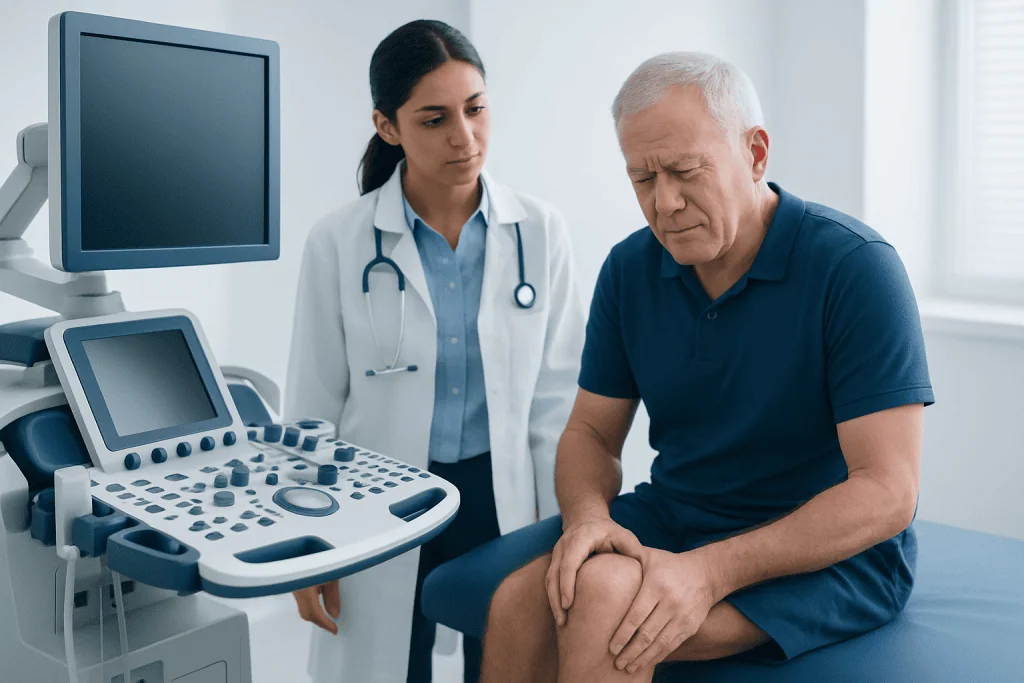
Hemarthrosis often causes a joint to become painful and swollen fairly quickly. The joint may feel warm, look visibly enlarged, and become difficult to bend or straighten. People sometimes describe a sensation of tightness or pressure inside the joint, especially when swelling builds rapidly.
Symptoms can vary based on the amount of bleeding and the joint involved. After a sports injury, swelling within hours may point to bleeding inside the joint. In people with hemophilia or other bleeding disorders, milder bleeding can begin with a tingling or bubbling sensation before obvious swelling appears.
Common signs include:
- Sudden or increasing joint pain
- Swelling and fullness around the joint
- Warmth or redness over the area
- Stiffness and reduced range of motion
- Difficulty bearing weight or using the limb
- Repeated episodes in the same joint
Not every swollen joint is due to blood. Infection, inflammatory arthritis, crystal arthritis, and other problems can look similar at first. Because the treatment approach differs, a new or unexplained swollen joint should be evaluated by a qualified clinician.
Causes and risk factors
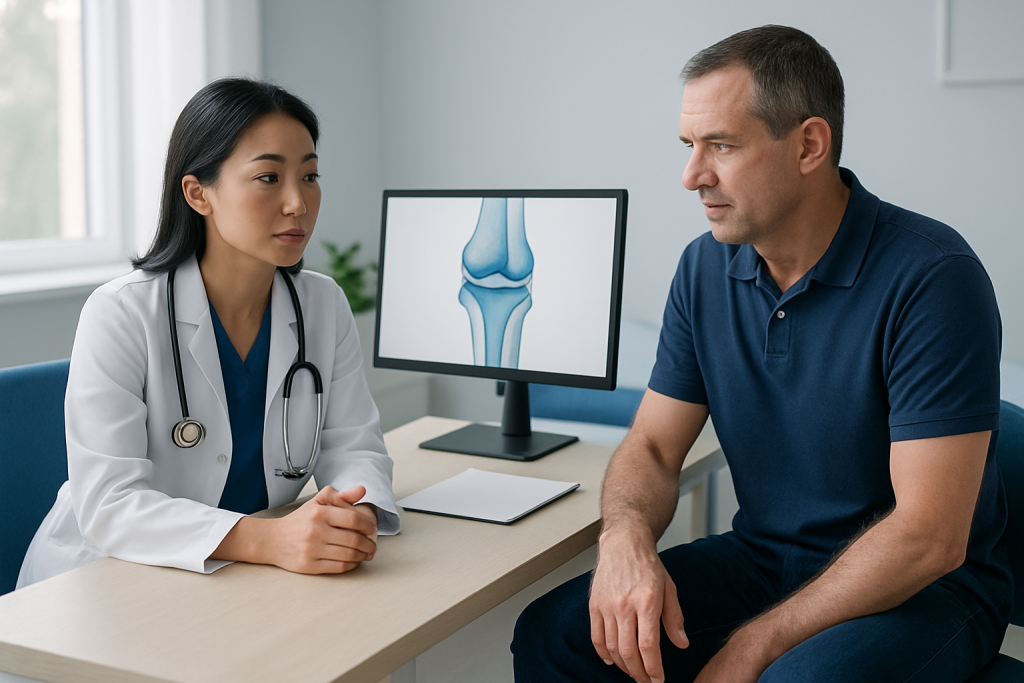
The causes of hemarthrosis can be divided into traumatic and non-traumatic groups. Trauma-related cases often follow a significant twist, fall, direct blow, or sports injury. Tears of structures inside the knee, such as the anterior cruciate ligament, meniscus, or supporting tissues, can lead to bleeding. Fractures that extend into a joint are another important cause.
Non-traumatic hemarthrosis is more likely when a person has a tendency to bleed. Hemophilia is a classic example, and repeated joint bleeding can become a major long-term issue if not well controlled. Other causes include low platelet counts, liver disease affecting clotting, anticoagulant medicines, and less commonly tumors or blood vessel abnormalities inside or near a joint.
Existing joint disease can also play a role. Osteoarthritis, inflammatory arthritis, prior surgery, or joint replacement may increase the chance of bleeding under certain circumstances. Some people develop hemarthrosis after medical procedures or injections, especially if they are taking medicines that affect clotting.
Important risk factors include:
- Recent trauma, falls, or sports injuries
- Known bleeding disorders such as hemophilia or von Willebrand disease
- Use of anticoagulants or antiplatelet medicines
- Previous joint damage or arthritis, including osteoarthritis
- Recent joint surgery or invasive procedures
- Recurrent bleeding episodes in the same joint
How hemarthrosis is diagnosed
Diagnosis starts with the story of what happened and a careful physical examination. A doctor will ask when the swelling started, whether there was trauma, what medicines are being taken, and whether there is a personal or family history of bleeding problems. The pattern of pain, speed of swelling, and prior episodes all help narrow the cause.
Imaging is often useful. X-rays can identify fractures and major joint changes. Ultrasound may show fluid in the joint, while MRI can provide more detail about soft-tissue injuries such as ligament tears, cartilage injuries, or meniscal damage. When internal joint injury is suspected, advanced orthopedic imaging can guide next steps, including MRI scanning where appropriate.
In some cases, the joint fluid is sampled with a needle, a procedure called aspiration or arthrocentesis. This can confirm the presence of blood, reduce pressure and pain, and help rule out infection or crystal disease. Blood tests may also be ordered to check clotting factors, platelet counts, inflammation, and medicine effects if a bleeding tendency is suspected.
Because several conditions can mimic hemarthrosis, diagnosis focuses on both confirming blood in the joint and finding the underlying reason. That second step is essential, especially when swelling happens without clear trauma or keeps coming back.
Modern treatment approaches
Treatment depends on the cause, the severity of bleeding, and whether the joint has been damaged. Early care often includes rest, protecting the joint, compression when appropriate, and elevating the limb. Ice may help with pain and swelling for short periods if used safely. A clinician will also consider whether weight-bearing should be limited and whether a brace or temporary support is needed.
Joint aspiration may be recommended in selected cases to relieve pressure, improve movement, and clarify the diagnosis. If there is a significant structural injury, treatment may focus on that problem as well. For example, a torn ligament or cartilage injury may require orthopedic assessment, rehabilitation, or in some patients arthroscopy to diagnose or manage internal joint damage.
When hemarthrosis is related to a bleeding disorder, replacing missing clotting factors or using other hematology-guided therapies is central to care. If blood thinners are contributing, doctors may review the medicine plan carefully and balance bleeding risk against the reason the medicine was prescribed. This should never be changed without medical advice. Pain relief is chosen thoughtfully because some common medicines can affect bleeding.
Recovery usually also includes physiotherapy once bleeding is controlled. Gentle movement and strengthening help reduce stiffness and support safer return to daily activities. If repeated bleeding has led to chronic joint problems, a team approach involving orthopedics, hematology, rehabilitation, and imaging may be needed. In more advanced cases of severe joint damage, options can overlap with care used for knee replacement or other reconstructive procedures, depending on the joint involved and the person’s overall health.
Outlook, recurrence, and protecting the joint long term
The outlook for hemarthrosis is often good when the cause is identified early and treated appropriately. A single traumatic episode may resolve without lasting problems, particularly if there is no major cartilage damage and rehabilitation is completed. Symptoms such as pain and swelling usually improve over days to weeks, though recovery time varies by injury severity and the joint involved.
Repeated hemarthrosis is a different situation. Ongoing bleeding can irritate the joint lining, weaken cartilage, and eventually lead to chronic pain, stiffness, and loss of function. This pattern is especially important in people with hemophilia, where preventing repeated bleeds is a major goal of long-term care.
Follow-up matters because improvement in swelling does not always mean the underlying issue has fully resolved. A person may still need treatment for a torn structure, a bleeding disorder, or medicine-related risk. If the joint continues to swell, feels unstable, or locks or catches during movement, reassessment is important.
Near the end of the care journey, some people benefit from multidisciplinary review, particularly when diagnosis is complex or symptoms recur. Acibadem International’s multidisciplinary specialists in JCI-accredited hospitals diagnose and treat joint bleeding and related orthopedic or hematologic conditions for international patients.
Prevention and self-care
Prevention depends on the reason the bleeding happened. For sports or trauma-related cases, conditioning, balance training, proper technique, and suitable protective equipment can lower injury risk. Returning to activity too early after a joint injury can raise the chance of another bleed, so gradual progression is important.
People with bleeding disorders usually need an individualized prevention plan. This may include regular follow-up with a hematology team, attention to early symptoms of a joint bleed, and guidance on safe physical activity. For those taking anticoagulants, routine monitoring and medication review can help reduce avoidable bleeding events while still protecting against clot-related problems.
Helpful self-care measures after medical evaluation may include:
- Resting the affected joint and avoiding strain
- Using ice briefly and safely for comfort
- Elevating the limb to help swelling settle
- Following advice on braces, crutches, or activity limits
- Attending physiotherapy and home exercises as prescribed
- Keeping follow-up appointments if symptoms recur
Self-care should not replace professional evaluation when swelling is sudden, severe, unexplained, or accompanied by fever, major trauma, or inability to use the limb. In those situations, prompt medical care is the safest approach.
When to seek medical care
Medical care should be sought promptly for any sudden, significant joint swelling, especially after an injury or if the person has a known bleeding disorder. The same is true when a joint becomes very painful, hot, difficult to move, or impossible to bear weight on. These features can occur with hemarthrosis, but they can also signal fracture, infection, or another urgent problem.
Urgent assessment is particularly important if the person is taking blood thinners, has repeated episodes of swelling in the same joint, or notices bleeding elsewhere such as nosebleeds, easy bruising, or prolonged bleeding from small cuts. Fever, chills, or feeling generally unwell with a swollen joint should be treated as an urgent warning sign because infection must be ruled out quickly.
Ongoing symptoms also deserve attention. If swelling keeps coming back, movement remains limited, or the joint feels unstable, specialist review may be needed. Depending on the findings, evaluation may involve hematology, orthopedics, rehabilitation, and in some cases assessment for related conditions such as hemophilia.
Frequently asked questions
Is hemarthrosis an emergency?
Hemarthrosis is not always an emergency, but it should be assessed promptly, especially if swelling is sudden, severe, or follows trauma. Urgent care is important if the person cannot move the joint, cannot bear weight, has fever, or takes blood thinners.
Can hemarthrosis go away on its own?
A mild episode may improve with time, rest, and proper support, but the underlying cause still needs attention. Recurrent or untreated joint bleeding can damage cartilage, so medical evaluation is recommended even if symptoms begin to settle.
Which joints are most commonly affected by hemarthrosis?
The knee is the most commonly affected joint because it is large and frequently injured. The ankle, elbow, shoulder, and hip can also develop hemarthrosis, particularly in people with bleeding disorders or after trauma.
How is hemarthrosis different from ordinary joint swelling?
Ordinary joint swelling can come from fluid, inflammation, infection, crystals, or injury. Hemarthrosis specifically means the fluid inside the joint contains blood, and confirming that may require imaging or joint aspiration.
Will hemarthrosis cause permanent joint damage?
A single, promptly treated episode may not cause lasting damage. The risk rises when bleeding is repeated, severe, or linked to untreated joint injury or a bleeding disorder, because blood can gradually harm cartilage and joint lining.
Can people taking blood thinners develop hemarthrosis?
Yes. Anticoagulant medicines can increase the risk of bleeding, including bleeding into a joint, especially after injury or in an already diseased joint. Medicine changes should only be made under medical supervision because these drugs are often prescribed for important reasons.
References
- World Federation of Hemophilia
- Centers for Disease Control and Prevention
- National Institute of Arthritis and Musculoskeletal and Skin Diseases
- American Academy of Orthopaedic Surgeons
- MedlinePlus
This article is for general information only and is not a substitute for professional medical advice. Please consult a qualified doctor about your individual situation.
Joint and spine care in Turkey — expert assessment & treatment
JCI-accredited · board-certified surgeons · reply within 24h
Add us as a Preferred Source to see more of our trusted health content across Google Search, AI Overviews and Discover.

More from the Health Library



Related Specialists

Prof. Dr. Ömer Faruk Taşer
Orthopedic Surgery & Traumatology
Dr. Birgül Karakoç
Gynecology & Obstetrics
Assoc. Prof. Dr. Müjdat Kara
Internal Medicine
Dr. Buket Ayoğlu
Ophthalmology