Hematology Oncology: When Blood Cancers Need Specialized Care

Hematology oncology treats blood cancers such as leukemia, lymphoma, and multiple myeloma. Specialized teams use blood tests, bone marrow studies, imaging, and pathology to confirm the diagnosis.
Key Takeaways
- Hematology oncology treats blood cancers such as leukemia, lymphoma, and multiple myeloma.
- Specialized teams use blood tests, bone marrow studies, imaging, and pathology to confirm the diagnosis.
- Treatment may include chemotherapy, targeted therapy, immunotherapy, radiation therapy, or stem cell transplant.
- Supportive care is an important part of treatment and can help manage infections, anemia, fatigue, and side effects.
- Early evaluation of persistent symptoms can improve diagnosis and treatment planning.
Hematology oncology focuses on cancers that begin in the blood, bone marrow, and lymphatic system. Specialized care helps patients receive accurate diagnosis, personalized treatment, and close monitoring throughout every stage of care.
Overview of Hematology Oncology
Hematology oncology is the medical field that combines the care of blood disorders and cancer, with a special focus on diseases that affect the blood, bone marrow, lymph nodes, and immune system. In practice, it often involves diagnosing and treating blood cancers such as leukemia, lymphoma, and multiple myeloma. Because these conditions can affect many body systems, care is usually provided by a team of specialists rather than one doctor alone.
A hematologist oncologist is trained to understand how blood cells are made, how cancers develop, and how treatments may affect the body over time. This expertise is important because blood cancers can behave very differently from solid tumors. Some grow quickly and need urgent treatment, while others develop more slowly and may be monitored carefully before therapy begins.
Specialized care matters because blood cancers can be complex to diagnose and manage. The same symptoms may be caused by infection, autoimmune disease, anemia, or cancer, so careful evaluation is essential. Once a diagnosis is confirmed, the treatment plan depends on the exact type of cancer, how advanced it is, the patient’s age and general health, and the goals of care.
Symptoms That May Need Evaluation
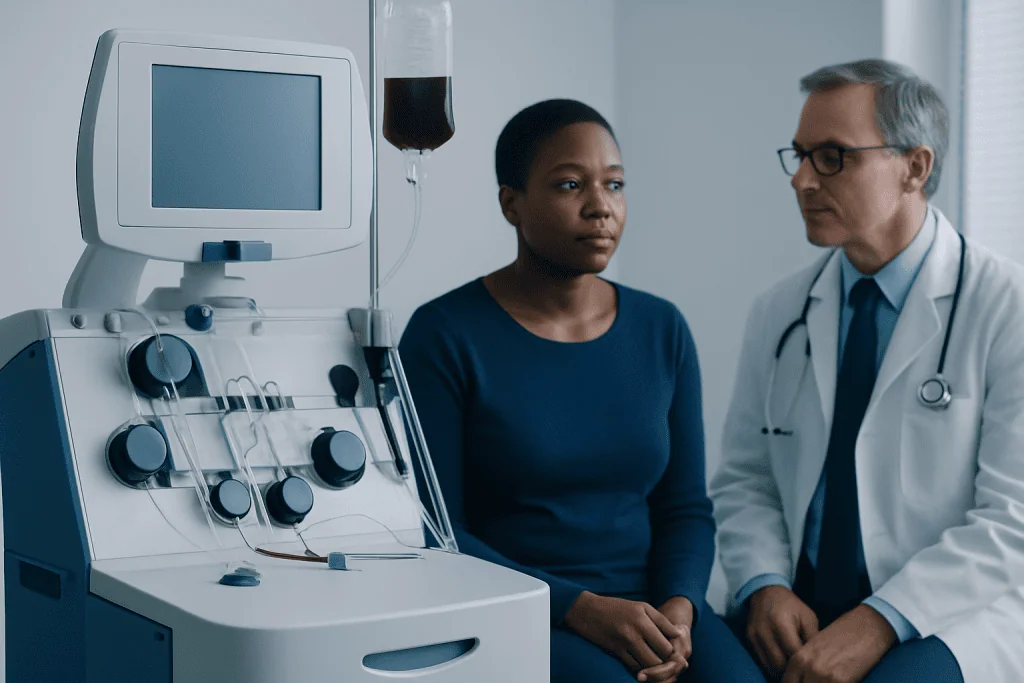
Blood cancers do not always cause obvious symptoms at first. In some people, the condition is first suspected after routine blood work shows abnormal results. In others, symptoms appear gradually and may be easy to overlook because they can resemble common illnesses.
Possible symptoms vary depending on the disease, but may include:
- Persistent fatigue or weakness
- Frequent infections or infections that are hard to clear
- Unexplained fever or night sweats
- Easy bruising or bleeding
- Pale skin or shortness of breath related to anemia
- Swollen lymph nodes in the neck, armpits, or groin
- Bone pain or tenderness
- Unexplained weight loss
- Abdominal fullness from an enlarged spleen or liver
These symptoms do not automatically mean cancer is present. However, when they persist, worsen, or occur together, medical assessment is important. Timely evaluation can help identify whether the cause is a blood cancer, another blood disorder, or a non-cancerous condition that still needs treatment.
Some blood cancers are found during investigations for related conditions such as anemia or repeated infections. This is one reason why a specialist review can be helpful when symptoms are ongoing or laboratory tests are repeatedly abnormal.
Common Blood Cancers and Risk Factors

The main cancers treated in hematology oncology are leukemia, lymphoma, and multiple myeloma. Leukemia starts in the bone marrow and blood-forming cells, leading to the overproduction of abnormal white blood cells. Lymphoma begins in the lymphatic system, which is part of the immune system. Multiple myeloma develops from plasma cells, a type of white blood cell that helps the body fight infection.
Each condition has several subtypes. For example, leukemia may be acute or chronic, and lymphoma may be Hodgkin or non-Hodgkin. These differences matter because they affect both outlook and treatment choices. Specialized testing is often needed to identify the exact subtype before treatment begins.
In many cases, there is no single clear cause. Risk may be influenced by age, family history, certain genetic conditions, previous cancer treatment, long-term exposure to radiation or some chemicals, and immune system disorders. Even so, many people diagnosed with blood cancer have no obvious risk factors at all.
It can be reassuring to know that having a risk factor does not mean a person will develop cancer, and having no risk factors does not rule it out. A specialist evaluates the full picture, including symptoms, examination findings, and laboratory results, before making recommendations.
How Hematology Oncology Diagnoses Blood Cancers
Diagnosis usually begins with a medical history, physical examination, and blood tests. A complete blood count can show changes in red blood cells, white blood cells, or platelets. Additional tests may look at blood chemistry, clotting, immune proteins, or abnormal cells under the microscope.
When blood cancer is suspected, more specialized testing may be needed. This can include a bone marrow aspiration and biopsy, lymph node biopsy, flow cytometry, cytogenetic studies, and molecular testing. These tests help confirm the diagnosis and identify the cancer subtype, which is essential for selecting the most effective treatment.
Imaging studies may also play a role, especially for lymphoma or myeloma. Depending on the situation, doctors may use ultrasound, CT, MRI, or PET-CT to understand how widely the disease has spread and whether organs or bones are involved. In some patients, PET-CT imaging helps assess disease activity and response to treatment.
The diagnostic process may feel overwhelming, but each step provides information that supports a more precise care plan. Hematology oncology teams also use these results to estimate prognosis, discuss treatment timing, and monitor how the disease changes over time.
Treatment Options in Specialized Blood Cancer Care
Treatment depends on the exact diagnosis and the patient’s overall health. Some blood cancers need prompt treatment soon after diagnosis, while others can be safely observed for a period of time. The main goal is to control or eliminate cancer, ease symptoms, prevent complications, and support quality of life.
Common treatment approaches include chemotherapy, targeted therapy, immunotherapy, corticosteroids, radiation therapy, and stem cell transplant. Targeted drugs act on specific features of cancer cells, while immunotherapy helps the immune system recognize and attack cancer more effectively. In certain lymphomas, radiation therapy may be part of treatment, especially when disease is limited to a small area.
For some patients, high-dose treatment followed by bone marrow transplantation or stem cell transplant may be recommended. This approach is used in selected cases to replace damaged bone marrow with healthy blood-forming cells. It requires careful evaluation, close monitoring, and experienced supportive care.
Supportive treatment is just as important as cancer-directed therapy. Patients may need medicines to reduce nausea, prevent infection, manage pain, or treat anemia and bleeding problems. Nutritional support, rehabilitation, and emotional support can also help patients cope with treatment and recovery. In specialized centers, multidisciplinary teams work together so that care is coordinated and adjusted as needs change.
Monitoring, Follow-Up, and Daily Self-Care
Blood cancer care does not end when treatment is completed. Ongoing follow-up helps doctors check whether the disease is responding, whether it has returned, and whether treatment has caused long-term side effects. Follow-up visits may include physical examinations, blood tests, bone marrow studies, or imaging when needed.
Patients can support their health during and after treatment by following medical advice closely and reporting new symptoms early. Good hand hygiene, staying up to date with vaccines recommended by the care team, eating well, resting adequately, and avoiding tobacco are all helpful. Because some treatments weaken the immune system, doctors may also advise precautions around sick contacts or crowded places at certain times.
Emotional wellbeing matters too. Living with a blood cancer diagnosis can bring uncertainty, fatigue, and stress for both patients and families. Counseling, support groups, and practical planning for work, travel, and daily responsibilities may make treatment easier to manage.
Specialist centers can also coordinate longer-term care if complications affect other body systems. In selected cases, imaging and therapies such as medical oncology treatment are combined within one care plan. Near the end of the treatment journey, some international patients choose evaluation in centers such as Acibadem International, where multidisciplinary specialists in JCI-accredited hospitals diagnose and treat blood cancers with coordinated follow-up.
When to See a Doctor
A doctor should evaluate symptoms such as unusual bruising, persistent fatigue, recurrent infections, swollen lymph nodes, unexplained fever, night sweats, bone pain, or weight loss without trying. Medical advice is also important when routine blood tests show abnormal blood counts that do not return to normal.
Urgent medical attention is needed for severe bleeding, chest pain, difficulty breathing, confusion, very high fever, or sudden weakness. These symptoms may signal complications related to the disease, infection, or treatment side effects. Patients already receiving therapy should know how to contact their care team quickly if these problems arise.
It is also reasonable to seek a specialist opinion when a diagnosis is uncertain, symptoms are ongoing, or treatment decisions feel complex. Hematology oncology care is designed to bring together the right tests, expertise, and supportive services so patients can make informed decisions with confidence.
Frequently asked questions
What does a hematologist oncologist treat?
A hematologist oncologist treats blood cancers such as leukemia, lymphoma, and multiple myeloma, as well as some non-cancerous blood disorders. Their role includes diagnosis, treatment planning, monitoring, and supportive care throughout the patient journey.
Are all blood cancers treated right away?
No. Some blood cancers grow quickly and need prompt treatment, while others progress slowly and can be monitored for a time before therapy starts. The decision depends on the cancer type, symptoms, lab findings, and the patient’s overall health.
How is blood cancer confirmed?
Diagnosis usually involves blood tests and may also require a bone marrow biopsy, lymph node biopsy, imaging, and specialized laboratory studies. These tests help identify the exact subtype of cancer, which is essential for choosing treatment.
What treatments are used in hematology oncology?
Treatment may include chemotherapy, targeted therapy, immunotherapy, radiation therapy, or stem cell transplant. Many patients also need supportive care to manage infection risk, anemia, pain, fatigue, or other side effects.
Can blood cancer symptoms look like other conditions?
Yes. Fatigue, fever, bruising, swollen lymph nodes, and abnormal blood counts can also occur with infections, autoimmune conditions, or other blood disorders. That is why specialist evaluation is often needed when symptoms persist or tests remain abnormal.
What is the difference between leukemia, lymphoma, and myeloma?
Leukemia usually begins in the blood-forming cells of the bone marrow. Lymphoma starts in the lymphatic system, while multiple myeloma develops from plasma cells. Although all are blood cancers, they behave differently and are treated in different ways.
References
- World Health Organization
- National Cancer Institute
- American Society of Hematology
- Leukemia & Lymphoma Society
This article is for general information only and is not a substitute for professional medical advice. Please consult a qualified doctor about your individual situation.
Oncology care in Turkey — second opinion and treatment plan
JCI-accredited · board-certified surgeons · reply within 24h
Add us as a Preferred Source to see more of our trusted health content across Google Search, AI Overviews and Discover.

Medical Oncology Department
Medical treatment of cancer with chemotherapy, immunotherapy and targeted therapies under a multidisciplinary tumor board.
60 specialists in this unit