Hemiarthroplasty: Candidacy, Procedure Steps, and Recovery Timeline

Hemiarthroplasty most often refers to partial hip replacement, where only the femoral head is replaced. It is commonly recommended for displaced femoral neck fractures, especially in older adults.
Key Takeaways
- Hemiarthroplasty most often refers to partial hip replacement, where only the femoral head is replaced.
- It is commonly recommended for displaced femoral neck fractures, especially in older adults.
- Recovery usually begins the same day or next day with guided movement and physical therapy.
- Benefits can include pain relief and earlier mobility, but risks such as infection, blood clots, and dislocation are important to discuss.
- Candidacy depends on age, activity level, fracture pattern, bone quality, and overall health.
Hemiarthroplasty is a surgery that replaces one side of a joint, most commonly the ball of the hip joint, when damage is too severe for the body to heal well on its own. It is often used after certain hip fractures or other joint injuries to reduce pain, improve mobility, and support a safer return to daily activities.
Overview: what hemiarthroplasty is and how it works
Hemiarthroplasty is a type of joint replacement in which only one half of a joint is replaced. In everyday practice, the term most often refers to a partial hip replacement. During this operation, the damaged or broken ball of the hip joint, called the femoral head, is removed and replaced with an artificial implant, while the socket side of the joint is usually left intact.
This approach is commonly used when the femoral head is unlikely to heal well or keep a healthy blood supply after injury. It can help relieve pain, make movement safer, and allow rehabilitation to begin earlier than with some other treatment options. The exact implant and technique depend on the patient’s anatomy, bone quality, and reason for surgery.
Hemiarthroplasty is different from a total hip replacement, which replaces both the ball and the socket. The choice between the two depends on factors such as the type of fracture, the condition of the joint surface, the person’s mobility before injury, and long-term functional goals. For patients who need surgery for severe hip damage, orthopedic teams may also discuss hip replacement surgery if a full joint replacement is more appropriate.
Who may be a candidate for hemiarthroplasty
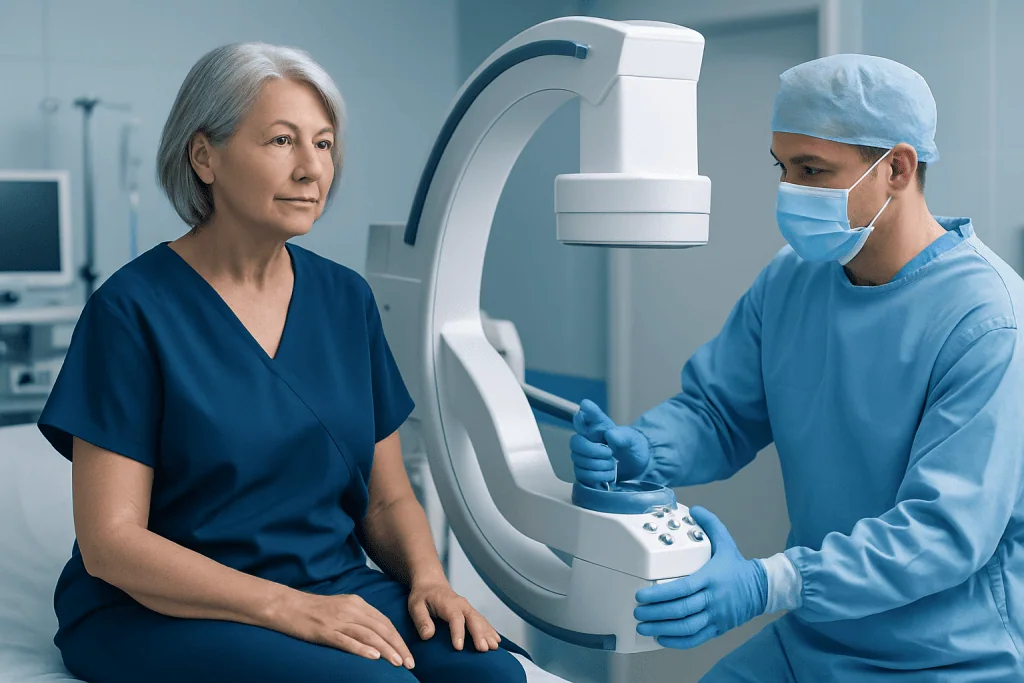
Hemiarthroplasty is most often recommended for people with a displaced femoral neck fracture, which is a break just below the ball of the hip joint. These fractures are especially common in older adults after a fall. Because blood flow to the femoral head may be disrupted, fixing the bone with screws or pins is not always the best option, and replacing the damaged part can provide a more reliable path to recovery.
Doctors consider several factors when deciding whether hemiarthroplasty is suitable. These include age, general health, bone quality, activity level before the injury, cognitive function, and whether arthritis is already present in the hip socket. A person who was walking independently before the fracture may have different surgical goals than someone who already had major mobility limitations.
Although the hip is the most common joint involved, hemiarthroplasty can also be used in selected shoulder injuries. If underlying joint disease is present, specialists may evaluate related conditions such as osteoarthritis because pre-existing cartilage damage can influence whether a partial or total joint replacement is likely to work best over time.
Common reasons for surgery: fractures, joint damage, and other factors
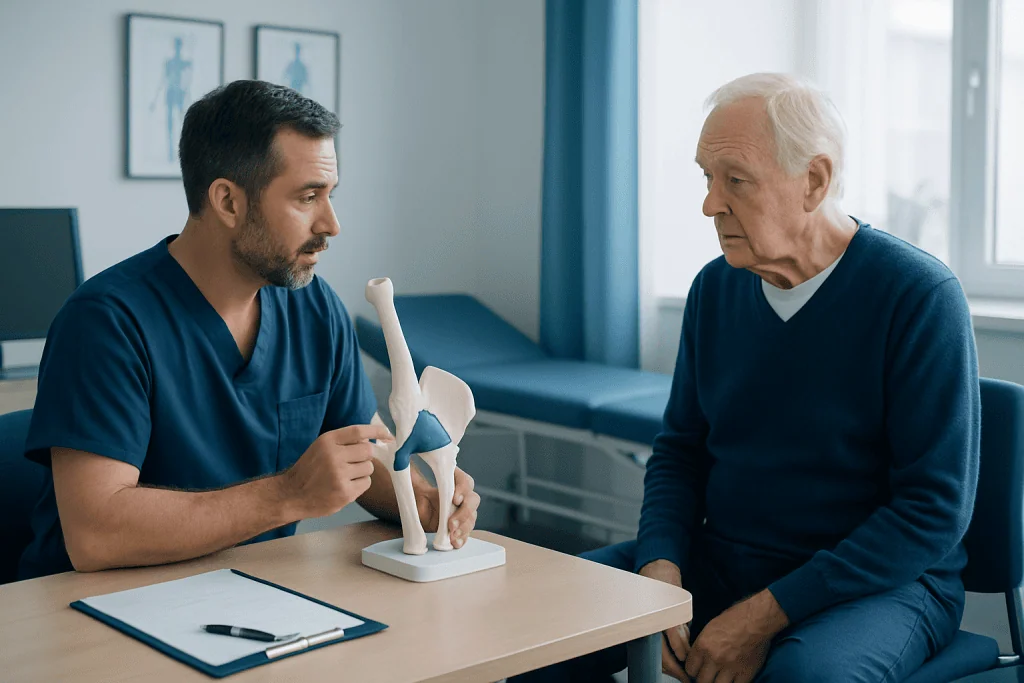
The leading reason for hip hemiarthroplasty is a fractured femoral neck that is displaced, meaning the broken bone ends have shifted out of position. In these cases, the risk of poor healing or avascular necrosis, where the femoral head loses its blood supply, can make replacement safer and more predictable than internal fixation.
Other less common reasons include severe joint damage from trauma, collapse of the femoral head, or complications from earlier procedures. In carefully selected cases, a surgeon may recommend hemiarthroplasty when replacing only one side of the joint is enough to restore function without the greater joint work involved in total replacement.
Risk factors for needing this surgery often overlap with risk factors for hip fractures in general. These include older age, osteoporosis, balance problems, frailty, poor vision, certain medications that increase fall risk, and neurological conditions that affect walking. When bone weakness is a concern, doctors may also assess conditions such as osteoporosis as part of the broader treatment and prevention plan.
How the hemiarthroplasty procedure is performed
Before surgery, the care team confirms the diagnosis with imaging, reviews medical history, and checks blood tests, heart status, and anesthesia risks. The patient is usually admitted to the hospital, and the surgical team explains the plan, including expected rehabilitation and possible complications. Antibiotics and blood clot prevention measures are commonly used around the time of surgery.
During the operation, the surgeon makes an incision near the hip and carefully reaches the joint. The broken or damaged femoral head is removed. The inside of the femur is then prepared so a metal stem can be placed securely in the thigh bone. A prosthetic head is attached to the stem, recreating the ball of the hip joint. Depending on bone quality and the implant type, the stem may be fixed with or without bone cement.
After the new implant is positioned and joint stability is checked, the surgeon closes the tissues and skin. The patient is then monitored in recovery. In many cases, physical therapy begins on the same day or the next day to support safe standing, walking, and transfers. Some patients who need broader orthopedic reconstruction or revision planning may be evaluated in centers that also provide orthopedic rehabilitation as part of coordinated recovery.
Benefits, risks, and possible complications
The main benefits of hemiarthroplasty are pain relief, earlier movement, and the ability to return more quickly to sitting, standing, and walking with support. For many patients with displaced hip fractures, it offers a dependable way to restore basic mobility and reduce the complications that can come from long periods of bed rest, such as muscle loss or lung problems.
Like all major surgery, hemiarthroplasty has risks. These include infection, bleeding, blood clots in the legs or lungs, dislocation of the implant, leg length difference, fracture around the implant, nerve or blood vessel injury, and problems related to anesthesia. Over time, some patients may develop wear or pain in the socket side of the joint because that part is not replaced.
There is also a chance that the implant may loosen or that another surgery may be needed later. The overall risk profile depends on age, heart and lung health, nutrition, bone quality, and pre-existing medical conditions. A careful discussion with the orthopedic surgeon helps balance expected benefits against the risks for each individual patient.
Recovery timeline and rehabilitation after hemiarthroplasty
Recovery starts immediately after surgery. In the first 24 to 48 hours, the medical team focuses on pain control, breathing exercises, blood clot prevention, and safe movement. Many patients begin standing and taking a few steps with a walker under supervision very early, which is an important part of reducing complications and rebuilding confidence.
During the first few weeks, swelling, tiredness, and some discomfort are expected, but these usually improve steadily. A physical therapist teaches how to get in and out of bed, walk, use stairs if needed, and protect the new joint during daily activities. Some people return home with family support, while others benefit from a short stay in a rehabilitation facility depending on strength and independence.
By 4 to 8 weeks, many patients are walking better and managing more personal care on their own, though recovery speed varies. Full recovery can take several months, especially in older adults recovering from a fracture rather than planned joint surgery. If balance problems, muscle weakness, or complex mobility needs are present, structured physical therapy and rehabilitation can play a central role in regaining function and lowering future fall risk.
Patients should follow instructions about weight bearing, wound care, medications, and movement precautions. Recovery is not only about the implant healing well; it also involves nutrition, hydration, prevention of constipation, sleep, and rebuilding everyday strength. Consistent follow-up visits help the surgical team monitor healing and adjust the rehabilitation plan.
Diagnosis, planning, and questions to discuss before surgery
Diagnosis usually begins with a physical examination and imaging such as X-rays. If the injury pattern is unclear, a CT scan or MRI may sometimes be used. The orthopedic team looks at whether the fracture is displaced, whether the blood supply to the femoral head is likely to be affected, and whether the socket side of the joint already shows arthritis or other damage.
Planning also includes a review of medications, especially blood thinners, and an assessment of medical conditions such as heart disease, diabetes, kidney disease, or lung problems. These factors can affect the timing of surgery, anesthesia choices, and recovery planning. In older adults, a broader geriatric assessment may be helpful because cognition, nutrition, and baseline mobility strongly influence outcomes.
Useful questions before surgery include: Why is hemiarthroplasty recommended instead of fixation or total hip replacement? Will the implant be cemented or uncemented? What level of mobility is realistic after recovery? What help will be needed at home? Clear answers can help patients and families prepare for the hospital stay and early rehabilitation period.
Prevention, self-care, and when to seek medical care
Not every case of hemiarthroplasty can be prevented, but many hip fractures can be reduced through fall prevention and bone health measures. Helpful steps include checking vision, reviewing medications that may cause dizziness, improving home lighting, removing loose rugs, using handrails, staying physically active, and discussing bone density testing with a doctor when appropriate.
After surgery, self-care focuses on taking medications as prescribed, attending follow-up appointments, doing recommended exercises, and watching for signs that need prompt attention. Good nutrition, enough protein, hydration, and safe daily movement support wound healing and muscle recovery. It is also important to use walkers, canes, or raised toilet seats exactly as advised until balance and strength improve.
Medical care should be sought promptly if there is increasing redness or drainage from the wound, fever, sudden shortness of breath, chest pain, calf swelling, severe new hip pain, or inability to bear weight. These symptoms do not always mean a serious complication, but they should be assessed without delay. Near the end of recovery planning, some patients choose care in centers such as Acibadem International, where multidisciplinary specialists in JCI-accredited hospitals diagnose and treat orthopedic conditions for international patients.
Frequently asked questions
Is hemiarthroplasty the same as a total hip replacement?
No. Hemiarthroplasty replaces only one side of the joint, usually the ball of the hip, while a total hip replacement replaces both the ball and the socket. The best option depends on the fracture type, joint condition, and the patient’s overall needs.
How long does it take to recover from hemiarthroplasty?
Many patients begin moving within a day of surgery, but overall recovery often takes several weeks to months. Improvement is usually gradual, and the exact timeline depends on age, general health, pre-injury mobility, and whether rehabilitation support is needed.
Who is most likely to need a hip hemiarthroplasty?
It is most commonly used for older adults with a displaced femoral neck fracture after a fall. It may also be considered in selected patients with severe trauma or damage to the femoral head when repair is less likely to succeed.
Will a person be able to walk again after hemiarthroplasty?
Many people do regain the ability to walk, often with a walker or cane at first. The final level of mobility depends on the person’s health before the injury, the success of rehabilitation, and whether other conditions affect strength or balance.
What are the most important risks after hemiarthroplasty?
Important risks include infection, blood clots, dislocation, bleeding, and problems around the implant. The medical team takes steps to reduce these risks, but patients should still report concerning symptoms promptly during recovery.
How painful is recovery after hemiarthroplasty?
Some pain and soreness are expected after surgery, especially in the first days and weeks. Pain is usually managed with a combination of medications, careful movement, and physical therapy, and it should gradually improve rather than worsen.
References
- American Academy of Orthopaedic Surgeons
- National Institute for Health and Care Excellence
- American Association of Hip and Knee Surgeons
- MedlinePlus
- National Institute on Aging
This article is for general information only and is not a substitute for professional medical advice. Please consult a qualified doctor about your individual situation.
Joint and spine care in Turkey — expert assessment & treatment
JCI-accredited · board-certified surgeons · reply within 24h
Add us as a Preferred Source to see more of our trusted health content across Google Search, AI Overviews and Discover.

More from the Health Library



Related Specialists

Asst. Prof. Dr. Hülya Kuşoğlu
Infectious Diseases & Clinical Microbiology
Dr. İzzet Mammedov
Otorhinolaryngology
Dr. Kübra Nursel Bölük
Dermatology
Prof. Dr. Ahmet Demirkaya
Thoracic Surgery