Hemiplegic Migraine: An Evidence-Based Guide for Patients
Hemiplegic migraine can cause temporary one-sided weakness along with visual, sensory, speech, or other aura symptoms. Its symptoms may look similar to a stroke, so urgent assessment is important when weakness begins suddenly or is new.
Key Takeaways
- Hemiplegic migraine can cause temporary one-sided weakness along with visual, sensory, speech, or other aura symptoms.
- Its symptoms may look similar to a stroke, so urgent assessment is important when weakness begins suddenly or is new.
- Diagnosis is based on symptom history, neurological examination, and tests to rule out other serious causes.
- Treatment focuses on managing attacks safely and reducing future episodes with an individualized plan.
- Avoiding triggers, keeping a headache diary, and following up with a neurologist can help improve control.
Hemiplegic migraine is a rare type of migraine in which headache may occur together with temporary weakness or paralysis on one side of the body. Because its symptoms can resemble a stroke, prompt medical evaluation is important, especially during a first episode or when symptoms are sudden or unusual.
What is hemiplegic migraine?
Hemiplegic migraine is a rare form of migraine in which a person develops temporary weakness on one side of the body as part of the migraine aura. The weakness may affect the face, arm, and leg, and it can happen before, during, or sometimes after the headache phase. Some people have severe headache, while others have mild head pain or even little headache at all.
The term “hemiplegic” refers to one-sided weakness or paralysis. In this condition, the weakness is usually reversible, but it can be frightening because it may closely resemble a stroke or a transient ischemic attack. Other aura symptoms can occur at the same time, such as flashing lights, numbness, tingling, trouble speaking, confusion, or changes in vision.
Doctors generally classify hemiplegic migraine as familial or sporadic. Familial hemiplegic migraine means similar attacks have occurred in close relatives. Sporadic hemiplegic migraine causes the same kinds of symptoms but without a known family history. In either form, careful medical assessment is needed to confirm the diagnosis and rule out other neurological conditions.
How does it feel during an attack?
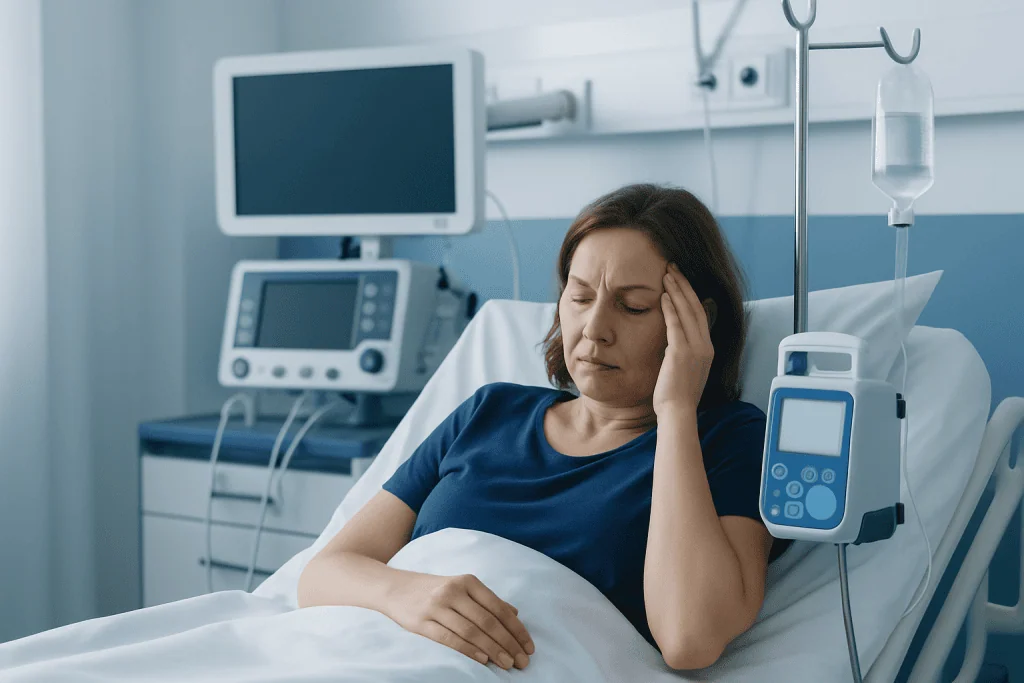
A hemiplegic migraine attack often begins with aura symptoms that build gradually over minutes. These symptoms may include visual changes, numbness, tingling, speech difficulty, dizziness, or a sense that thinking is slower than usual. One-sided weakness may then appear, making it hard to lift an arm, grip objects, smile evenly, or walk normally.
The headache itself may be throbbing or pressure-like and can occur on one side or both sides of the head. Nausea, vomiting, sensitivity to light, and sensitivity to sound are also common. Some people feel very tired, need to lie down in a dark room, or notice that normal activities become difficult until the episode passes.
The duration varies. Aura symptoms and weakness often last from minutes to hours, but in some cases they can continue longer before fully resolving. Recovery is usually complete, though the attack can leave a person exhausted or mentally “foggy” for a period afterward. Because the symptoms overlap with stroke, a new or severe attack should not be assumed to be “just migraine” without medical guidance.
Symptoms that may occur
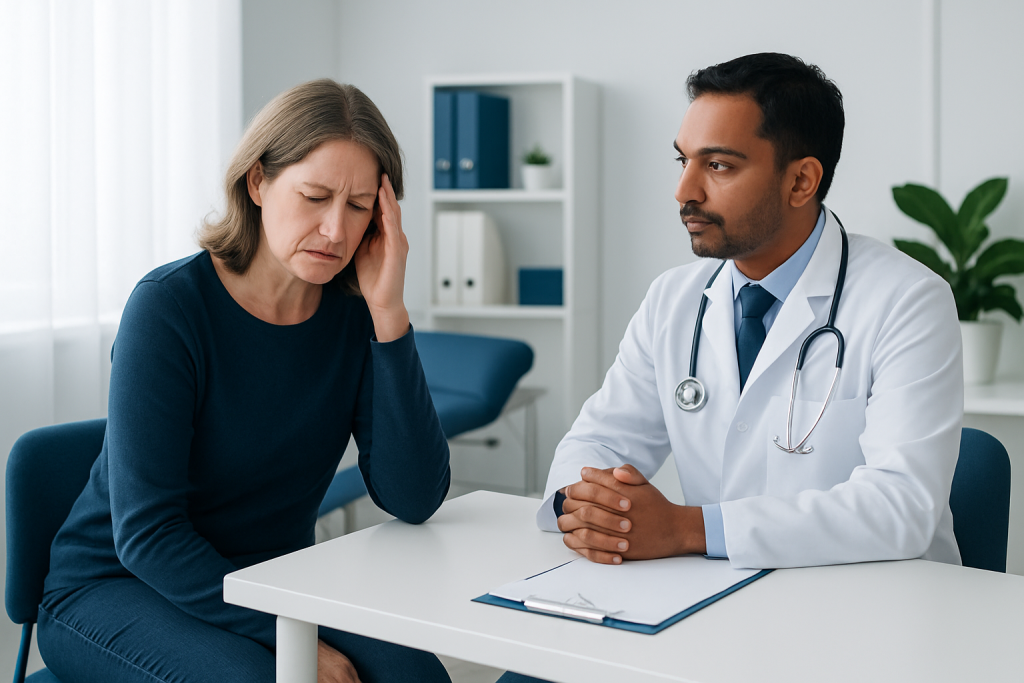
Symptoms differ from person to person, and even in the same person they may not look exactly the same each time. The most recognizable feature is weakness on one side of the body, but many other neurological symptoms can happen as part of the aura.
- Weakness or temporary paralysis on one side of the face, arm, or leg
- Visual aura, such as flashing lights, blind spots, or blurred vision
- Numbness or tingling that spreads gradually
- Difficulty speaking, finding words, or understanding language
- Headache, often with nausea, light sensitivity, or sound sensitivity
- Dizziness, poor balance, or a spinning sensation
- Confusion, slowed thinking, or unusual fatigue
In some attacks, the weakness is mild; in others, it can be more dramatic. Children and adults may both be affected, and family members with the condition may not all experience the same symptom pattern. If symptoms are different from usual, longer-lasting, or more severe than expected, a doctor should reassess the situation.
It is also important to remember that not every episode of weakness in a person with migraine is automatically a hemiplegic migraine. Seizures, stroke, infection, metabolic problems, and other neurological disorders can cause similar symptoms and may need urgent treatment.
Causes and risk factors
Hemiplegic migraine is linked to changes in how nerve cells in the brain send signals. In some families, inherited gene variants affect ion channels or related mechanisms that help control electrical activity in the brain. These changes can make the brain more vulnerable to aura symptoms and complex migraine attacks. Familial cases are more likely to have a clear genetic component, while sporadic cases may occur without a known family history.
Even when there is an underlying genetic tendency, attacks are often influenced by triggers. Common migraine triggers may include lack of sleep, stress, missed meals, dehydration, hormonal changes, bright lights, alcohol, or certain foods. Not every person has the same triggers, and some people may not identify any obvious pattern.
A personal or family history of migraine with aura can raise clinical suspicion. Certain neurological conditions may also need to be considered during evaluation, particularly when the history is unclear. Because symptoms can overlap with epilepsy or vascular events, a neurologist may look broadly at possible causes before confirming hemiplegic migraine.
Keeping a diary of symptoms, sleep, meals, stress, and menstrual cycles can be helpful. Over time, this record may reveal patterns that support diagnosis and guide prevention strategies.
How doctors diagnose hemiplegic migraine
Diagnosis starts with a detailed description of the attacks. A doctor will ask how the symptoms begin, whether they spread gradually or appear suddenly, how long they last, whether headache is present, and whether there is a family history of similar episodes. The timing matters because migraine aura usually develops progressively, while stroke symptoms often start abruptly.
A neurological examination is an important part of the assessment. Since hemiplegic migraine can mimic serious conditions, doctors may order tests to rule out other causes. Depending on the situation, this can include brain imaging such as MRI scanning, sometimes CT scanning, blood tests, or other neurological studies. These tests do not diagnose hemiplegic migraine by themselves, but they can help exclude emergencies and other disorders.
In some patients, especially those with strong family history or atypical features, genetic counseling or genetic testing may be discussed. Not every patient needs genetic testing, and a negative result does not necessarily rule out the condition. The diagnosis is usually clinical, based on the overall pattern of symptoms and exclusion of alternative explanations.
Because this is a complex neurological diagnosis, follow-up matters. A headache specialist or neurologist can review past episodes, refine the diagnosis over time, and make sure the management plan remains safe and appropriate.
Treatment and long-term management
Treatment is individualized and usually includes two goals: managing attacks when they happen and reducing the chance of future attacks. The safest plan depends on the person’s age, medical history, symptom pattern, and whether other neurological or vascular conditions are present. Because hemiplegic migraine is uncommon, treatment decisions are often made carefully and sometimes differently from standard migraine approaches.
During an acute attack, a doctor may recommend rest in a quiet, dark room, hydration, and medicines that help with pain, nausea, or general migraine symptoms. Some migraine medicines may be avoided or used with caution in hemiplegic migraine, depending on the clinical situation and the treating physician’s judgment. Patients should not start or stop prescription medicines without discussing them with a qualified doctor.
When attacks are frequent, prolonged, or disabling, preventive treatment may be considered. Preventive care may include daily medication, trigger management, regular sleep, meal timing, and stress reduction. In some cases, a broader neurological work-up is needed if episodes are severe or changing in pattern. If rehabilitation is temporarily needed after a difficult attack, supportive services can help recovery, though symptoms usually improve on their own.
For patients who need specialist care, Acibadem International’s multidisciplinary teams in JCI-accredited hospitals evaluate and treat complex headache and neurological conditions for international patients. In selected cases where symptoms overlap with other neurological concerns, consultation through neurology care may help guide diagnosis and ongoing management.
Prevention, self-care, and daily planning
Self-care does not replace medical treatment, but it can support better migraine control. Many people benefit from a steady routine that protects sleep, hydration, regular meals, and recovery from stress. Sudden changes in daily habits can make the brain more vulnerable to migraine attacks.
A practical step is to keep a headache and symptom diary. Recording when symptoms start, how the weakness progresses, what was eaten, how much sleep occurred, and whether stress or hormonal changes were present can help identify triggers. This information is also useful during medical appointments, because it makes the pattern of attacks easier to understand.
Some people are advised to avoid known personal triggers, limit alcohol, manage screen glare, and pace strenuous activity if it seems to provoke attacks. A doctor may also review contraception, pregnancy planning, or other health factors that can influence migraine management. If weakness episodes interfere with work, school, or driving, it is sensible to discuss safety planning and return-to-activity guidance with a clinician.
Emotional reassurance is important as well. Even though symptoms can feel dramatic, many patients learn to recognize their pattern and gain better control with a clear diagnosis, an emergency plan, and regular specialist follow-up.
When to seek medical care
Immediate medical attention is important if weakness, speech difficulty, vision loss, confusion, or severe headache begins suddenly, especially if this is the first episode. Emergency care is also needed if symptoms are more intense than usual, do not improve as expected, follow a head injury, or occur together with fever, seizure, fainting, chest pain, or persistent loss of consciousness.
Even in someone already diagnosed with hemiplegic migraine, a new pattern should be reassessed. It is safest not to assume that every future attack is identical to past attacks. A doctor should also be consulted if episodes become more frequent, recovery is slower, daily life is being disrupted, or medicines are not helping.
Routine follow-up with a neurologist is appropriate for most patients with hemiplegic migraine. Medical review can help confirm the diagnosis, update preventive treatment, and make sure another condition is not being missed.
Frequently asked questions
Is hemiplegic migraine a stroke?
No, hemiplegic migraine is not the same as a stroke, but it can look very similar because it may cause one-sided weakness and speech problems. Since the symptoms can overlap, urgent medical evaluation is important, especially during a first episode or when symptoms are sudden or unusual.
How long does hemiplegic migraine weakness last?
The weakness is usually temporary and may last from minutes to hours, though in some people it can continue longer before fully resolving. Recovery is often complete, but a person may feel tired, mentally foggy, or generally unwell afterward.
What is the difference between familial and sporadic hemiplegic migraine?
Familial hemiplegic migraine means similar attacks occur in close relatives, suggesting an inherited tendency. Sporadic hemiplegic migraine causes the same kind of attacks but without a known family history.
Can hemiplegic migraine happen without much headache?
Yes. Although many people have significant head pain, some have mild headache or notice the aura and weakness more than the pain itself. This is one reason the condition can be confusing and may require careful neurological assessment.
What triggers hemiplegic migraine?
Triggers vary by person, but they may include poor sleep, stress, dehydration, missed meals, hormonal changes, bright lights, alcohol, or certain foods. Keeping a symptom diary can help identify personal patterns and support prevention.
How is hemiplegic migraine treated?
Treatment usually includes a plan for attacks and, if needed, preventive therapy to reduce how often episodes happen. The best approach is individualized, and some medicines are used cautiously, so care from a qualified doctor or neurologist is important.
This article is for general information only and is not a substitute for professional medical advice. Please consult a qualified doctor about your individual situation.
Migraine in Turkey — costs, top hospitals & a free quote
JCI-accredited · board-certified surgeons · reply within 24h
Add us as a Preferred Source to see more of our trusted health content across Google Search, AI Overviews and Discover.

More from the Health Library

Dunkin Donuts Breakfast Healthy: What Patients Need to Know
Friable Cervix: A Complete Medical Overview

Inflamed Occipital Lymph Nodes: An Evidence-Based Guide for Patients

Amylase and Lipase — Explained by Medical Evidence, Not Myths
Pyelectasis: A Complete Medical Overview