Hemiplegic Migraine: Stroke-Like Symptoms and When to Seek Urgent Care

Hemiplegic migraine can cause one-sided weakness, numbness, speech changes, visual symptoms, and headache. Its symptoms can closely resemble stroke, so sudden or first-time symptoms need urgent medical attention.
Key Takeaways
- Hemiplegic migraine can cause one-sided weakness, numbness, speech changes, visual symptoms, and headache.
- Its symptoms can closely resemble stroke, so sudden or first-time symptoms need urgent medical attention.
- Diagnosis is based on medical history, neurological examination, and tests to rule out other serious causes.
- Treatment focuses on symptom relief, prevention, and avoiding triggers under a doctor's guidance.
- People with recurrent attacks may benefit from a personalized care plan and follow-up with a neurology specialist.
Hemiplegic migraine is a rare type of migraine that can cause temporary weakness on one side of the body along with other neurological symptoms. Because it can look like a stroke, urgent medical evaluation is important, particularly during a first episode or if symptoms are new or severe.
Overview of Hemiplegic Migraine
Hemiplegic migraine is a rare form of migraine in which a person develops temporary muscle weakness or paralysis-like symptoms on one side of the body. The weakness is part of the migraine aura, which can also include visual changes, numbness, tingling, difficulty speaking, confusion, or dizziness. The weakness may affect the face, arm, and leg, and it can happen before, during, or sometimes after the headache phase.
Although the symptoms are usually reversible, they can be frightening because they may closely resemble a stroke or a transient ischemic attack. For this reason, hemiplegic migraine should never be self-diagnosed during a sudden attack. A prompt medical assessment helps make sure another urgent condition is not being missed.
There are two broad forms of this condition: familial hemiplegic migraine, which runs in families, and sporadic hemiplegic migraine, which occurs without a known family history. Both forms can cause similar symptoms. In some people, attacks are infrequent; in others, they happen repeatedly and may interfere with school, work, driving, or daily activities.
Symptoms and What an Attack Can Feel Like
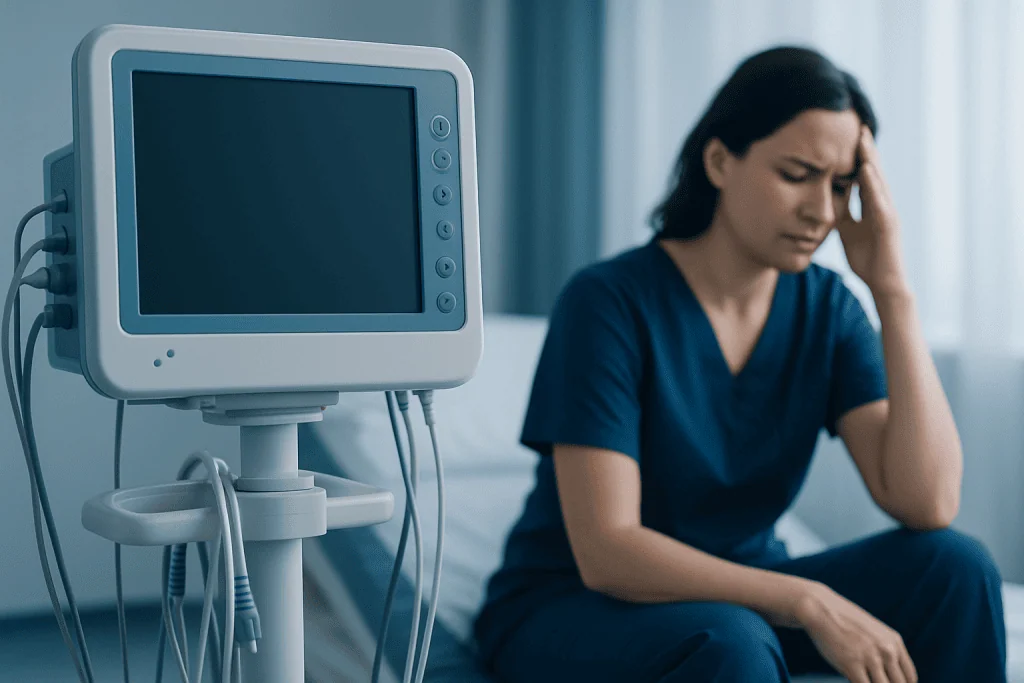
The hallmark symptom of hemiplegic migraine is temporary weakness on one side of the body. Some people describe this as heaviness, clumsiness, or difficulty moving the arm or leg. The weakness may develop gradually over minutes as part of the aura, though sudden symptoms still require urgent evaluation because stroke can present in a similar way.
Other common aura symptoms may include flashing lights, blind spots, zigzag lines, numbness, pins-and-needles sensations, trouble finding words, slurred speech, imbalance, and confusion. Many people then develop a migraine headache, often throbbing and associated with nausea, vomiting, and sensitivity to light or sound. However, the headache may be mild or may even be absent in some attacks.
Symptoms usually improve fully, but the duration can vary. Weakness may last from minutes to hours and occasionally longer. Because the experience can overlap with other neurological conditions such as migraine or stroke-related disorders, it is important for a clinician to evaluate the pattern carefully rather than assuming all recurring episodes are the same.
- One-sided weakness or heaviness
- Numbness or tingling
- Speech or language difficulty
- Visual disturbances
- Headache with nausea, light sensitivity, or sound sensitivity
- Dizziness, imbalance, or confusion
Causes and Risk Factors

Hemiplegic migraine is thought to involve abnormal electrical and chemical activity in the brain. In familial hemiplegic migraine, inherited gene changes can affect how nerve cells and ion channels work, making the brain more susceptible to aura symptoms. A person with a close relative who has similar attacks may be more likely to have this diagnosis, but sporadic cases can occur without any known family history.
Like other migraine types, attacks may be triggered by certain factors. Common triggers include stress, lack of sleep, hormonal shifts, bright light, dehydration, missed meals, alcohol, strong odors, illness, and head trauma. Not every person has clear triggers, and the same trigger may not cause an attack every time.
Some people with hemiplegic migraine may also have other neurological or headache conditions. Keeping track of patterns can help identify whether attacks are linked to lifestyle, medications, or another health issue. If there are episodes of severe neck pain, sudden collapse, persistent confusion, or symptoms unlike usual migraine, doctors may also consider other causes such as seizures, infection, or vascular problems.
Why It Can Be Mistaken for a Stroke
The symptoms of hemiplegic migraine can overlap significantly with stroke. Both may cause weakness on one side, facial droop, speech problems, numbness, and visual disturbances. Since stroke treatment depends on very rapid action, any new or sudden stroke-like symptoms should be treated as a medical emergency until healthcare professionals determine the cause.
There are some clues that can suggest hemiplegic migraine, such as a personal or family history of migraine, symptoms that spread gradually, and previous similar fully reversible episodes. Even so, these clues are not enough to safely rule out stroke at home. A person should not wait to see if weakness passes on its own, especially during a first attack or if symptoms are more severe than usual.
Urgent care is especially important if weakness starts abruptly, the person has never had these symptoms before, there is loss of consciousness, chest pain, severe confusion, seizure, high fever, or the symptoms do not improve as expected. In emergency settings, clinicians often assess for stroke first and then consider hemiplegic migraine once other serious causes have been excluded.
How Doctors Diagnose Hemiplegic Migraine
Diagnosis begins with a detailed history and neurological examination. Doctors ask what symptoms occurred, how they started, how long they lasted, whether there was a headache, and whether similar episodes have happened before. A family history of migraine with weakness can be very helpful. Because symptoms may be dramatic, people are often first assessed in an emergency department.
Tests are commonly used to rule out stroke and other urgent conditions. Depending on the situation, these may include brain imaging such as CT or MRI, blood tests, and sometimes additional neurological tests. The goal is to look for signs of bleeding, reduced blood flow, infection, seizure-related causes, or structural problems.
Once urgent causes are excluded, the diagnosis is based on the pattern of repeated reversible attacks and accepted headache criteria. Some patients may be referred for specialist assessment in neurology or headache medicine, and selected families may be offered genetic counseling or testing. Imaging may also help distinguish hemiplegic migraine from conditions such as brain tumor when symptoms are atypical or persistent.
Treatment Options and Long-Term Management
Treatment for hemiplegic migraine has two main goals: relieving symptoms during an attack and reducing the chance of future attacks. Because this migraine type is uncommon and can overlap with other neurological conditions, treatment should be individualized by a qualified doctor. The safest approach depends on the person’s symptoms, medical history, age, and how often attacks occur.
Acute care may include rest in a dark, quiet room, hydration, anti-nausea treatment, and pain-relief strategies recommended by a physician. In some patients, hospital observation may be needed if symptoms are severe, prolonged, or difficult to distinguish from another neurological event. Doctors are often cautious with certain migraine medicines in hemiplegic migraine, so patients should not start new acute treatments without specialist advice.
Preventive treatment may be considered when attacks are frequent, disabling, or prolonged. This may include prescription medicines chosen by a neurologist, trigger management, and regular follow-up. For patients with complex or recurring symptoms, specialist assessment through neurology care and, when needed, brain MRI can help guide diagnosis and treatment planning. If headache patterns are changing or there is concern about blood vessel-related disease, doctors may also consider further evaluation similar to that used in stroke workups.
Prevention, Self-Care, and Living With the Condition
Many people benefit from learning their personal triggers and reducing them where possible. Helpful habits often include keeping a regular sleep schedule, eating meals on time, staying hydrated, managing stress, and avoiding known triggers such as alcohol or bright flashing light. A headache diary can be especially useful for tracking symptoms, aura features, menstrual patterns, diet, and sleep.
Because attacks can affect movement, speech, and concentration, it is wise to have a practical plan. Family members or coworkers may need to know what symptoms usually occur and when to call emergency services. People should avoid driving or operating machinery if an aura begins or if weakness, visual symptoms, or confusion are present.
Regular medical follow-up can help review medications, identify changing patterns, and update the action plan for urgent symptoms. Near the end of the care journey, some international patients choose evaluation at centers such as Acibadem International, where multidisciplinary specialists in JCI-accredited hospitals diagnose and treat neurological headache conditions.
When to Seek Urgent Medical Care
Urgent medical care is needed for any first episode of one-sided weakness, facial droop, slurred speech, or sudden visual loss. Emergency assessment is also important if a person has a known history of hemiplegic migraine but the symptoms are different from usual, start more suddenly than usual, are more severe, or do not begin to improve. It is safer to treat possible stroke symptoms as an emergency every time until a clinician confirms otherwise.
Other warning signs include severe headache that reaches maximum intensity suddenly, persistent vomiting, fainting, seizure, fever, stiff neck, head injury, new confusion, or symptoms lasting longer than expected. These features can point to conditions other than migraine and should not be ignored. In children, older adults, or pregnant people, new neurological symptoms also deserve prompt medical review.
People who already have a diagnosis should ask their doctor for a written plan that explains when to use home measures, when to call the clinic, and when to go straight to the emergency department. If the diagnosis remains uncertain or symptoms recur frequently, additional specialist assessment may include neurological rehabilitation support after prolonged attacks or functional recovery needs.
Frequently asked questions
Is hemiplegic migraine a stroke?
No, hemiplegic migraine is a type of migraine, not a stroke. However, it can look very similar to a stroke, so sudden weakness, speech changes, or facial droop should always be assessed urgently by a medical professional.
How long do hemiplegic migraine symptoms last?
Symptoms often last from minutes to hours, but in some people they can continue longer before fully improving. The exact duration varies from one attack to another, which is why unusual or prolonged symptoms should be reviewed by a doctor.
Can hemiplegic migraine run in families?
Yes, one form called familial hemiplegic migraine can be inherited. If close relatives have had similar episodes of weakness with migraine, this information can help doctors with diagnosis and counseling.
Do all people with hemiplegic migraine get a severe headache?
Not always. Some people have prominent aura symptoms such as weakness, numbness, or speech trouble with only a mild headache or no headache at all. This is one reason the condition can be confusing and mistaken for another neurological problem.
What should a person do during an attack?
If the symptoms are new, sudden, or different from usual, emergency medical care is the safest step. If a doctor has already confirmed the diagnosis and provided a care plan, the person may use prescribed measures, rest, hydrate, and avoid driving while symptoms are active.
Can hemiplegic migraine be prevented?
Many people can reduce attacks by identifying triggers, maintaining regular sleep and meals, staying hydrated, and following a preventive treatment plan when prescribed. Prevention is individualized, so follow-up with a neurologist or headache specialist is often helpful.
References
- World Health Organization
- National Institute of Neurological Disorders and Stroke
- American Migraine Foundation
- International Headache Society
- National Health Service
This article is for general information only and is not a substitute for professional medical advice. Please consult a qualified doctor about your individual situation.
Migraine in Turkey — costs, top hospitals & a free quote
JCI-accredited · board-certified surgeons · reply within 24h
Add us as a Preferred Source to see more of our trusted health content across Google Search, AI Overviews and Discover.