Hemodynamics — Explained by Medical Evidence, Not Myths

Hemodynamics refers to the forces and movement of blood in the circulatory system. It includes blood pressure, heart rate, cardiac output, vascular resistance, and organ perfusion.
Key Takeaways
- Hemodynamics refers to the forces and movement of blood in the circulatory system.
- It includes blood pressure, heart rate, cardiac output, vascular resistance, and organ perfusion.
- Abnormal hemodynamics can occur in heart disease, dehydration, severe infection, bleeding, and shock.
- Doctors assess hemodynamics with physical examination, blood pressure checks, blood tests, imaging, and sometimes invasive monitoring.
- Treatment focuses on the underlying cause and may include fluids, medicines, oxygen support, or heart procedures.
Hemodynamics describes how blood moves through the heart and blood vessels and how effectively it delivers oxygen and nutrients to the body. In medical care, it helps clinicians understand circulation, blood pressure, cardiac output, and tissue perfusion so they can diagnose problems and guide treatment.
What hemodynamics means
Hemodynamics is the medical term for how blood flows through the body and the forces that influence that flow. In simple terms, it describes whether the heart is pumping effectively, whether the blood vessels are providing the right amount of resistance, and whether organs are receiving enough blood and oxygen.
This matters because healthy circulation is essential for every organ. The brain, kidneys, lungs, and other tissues depend on a steady supply of oxygen-rich blood. When hemodynamics are stable, the body can maintain normal function. When they are abnormal, symptoms can range from mild dizziness to serious illness depending on the cause and how quickly it develops.
Hemodynamics is not a disease itself. It is a framework doctors use to evaluate circulation. For example, a person may have normal blood pressure but still have poor tissue perfusion, or low blood pressure may reflect dehydration, infection, bleeding, or a heart problem. Looking at hemodynamics helps connect these findings into a clearer clinical picture.
The main parts of hemodynamics
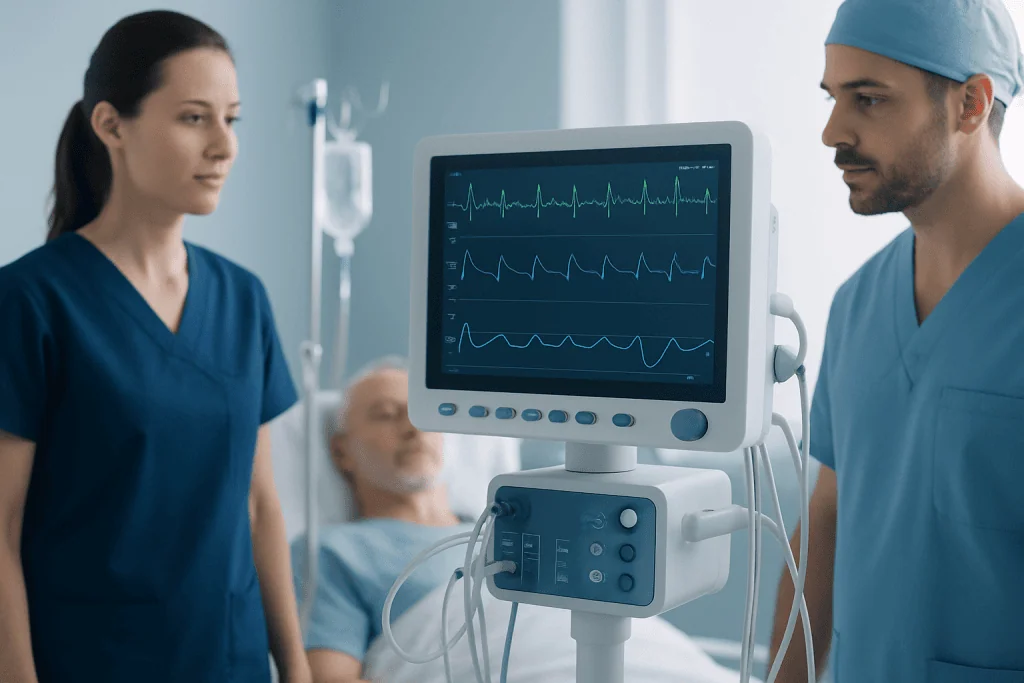
Several measurements help explain hemodynamics. Blood pressure is the force of blood against artery walls. Heart rate is the number of times the heart beats each minute. Cardiac output is the amount of blood the heart pumps in a minute, and it depends on both heart rate and stroke volume, which is how much blood leaves the heart with each beat.
Doctors also consider systemic vascular resistance, which is the amount of resistance blood meets as it moves through blood vessels. If vessels are too constricted, pressure may rise and the heart may have to work harder. If they are too relaxed, as can happen in severe infection, blood pressure can fall even if the heart is beating fast.
Another key concept is perfusion, meaning how well blood reaches tissues and organs. Good hemodynamics is not only about the numbers on a monitor. It is also about whether the skin is warm, the kidneys are making urine, the brain is alert, and the body is getting what it needs. This is why clinicians often assess several signs together rather than relying on one measurement alone.
- Blood pressure
- Heart rate and rhythm
- Cardiac output
- Stroke volume
- Vascular resistance
- Oxygen delivery and tissue perfusion
Why hemodynamics can become abnormal

Hemodynamic changes can happen for many reasons. Some are temporary and reversible, such as dehydration, fever, or the effects of certain medications. Others are related to underlying illness, including heart failure, severe infection, major blood loss, or abnormal heart rhythms.
Heart-related causes are especially important because the heart is central to circulation. If the heart muscle is weakened, as in heart failure, it may not pump enough blood forward. If a blood vessel is blocked during a heart attack, circulation to the heart muscle itself is affected, which can reduce pumping ability. Valve disease, congenital heart conditions, and fluid around the heart can also disturb normal hemodynamics.
Blood vessel problems may lower or raise vascular resistance. In septic shock, blood vessels can dilate too much, causing a drop in blood pressure and impaired perfusion. In long-standing hypertension, vessels may become stiffer and contribute to increased workload on the heart. Blood loss from trauma or surgery reduces circulating volume, while dehydration lowers effective blood volume more gradually.
Lung disorders can affect hemodynamics as well. Low oxygen levels, pulmonary embolism, or advanced lung disease may strain the right side of the heart and interfere with blood flow through the lungs. Because the circulation and the lungs work closely together, hemodynamic changes often need evaluation in the broader context of heart and respiratory health.
Symptoms and signs that may suggest a hemodynamic problem
Symptoms depend on the cause, severity, and speed of onset. Mild changes may cause fatigue, lightheadedness, reduced exercise tolerance, or feeling faint when standing up. More significant problems can cause shortness of breath, chest discomfort, confusion, cool or clammy skin, reduced urine output, or loss of consciousness.
Not every symptom means a serious circulatory disorder. For example, a brief drop in blood pressure after standing up too quickly may happen in otherwise healthy people. Even so, repeated symptoms, worsening breathlessness, swelling, or fainting should be evaluated because they may signal a cardiovascular or systemic problem.
Doctors also look for physical signs. These can include low or very high blood pressure, fast or irregular pulse, bluish lips or fingertips, swollen legs, poor capillary refill, or abnormal lung sounds. In a hospital setting, trends matter: a gradual fall in blood pressure, a rising heart rate, or reduced oxygen levels may indicate that circulation is under stress even before severe symptoms appear.
How doctors assess hemodynamics
Assessment usually starts with a medical history and physical examination. A doctor asks about symptoms such as dizziness, chest pain, fever, vomiting, bleeding, or shortness of breath, and reviews medications and chronic conditions. Blood pressure, pulse, oxygen level, temperature, breathing pattern, urine output, and mental status all provide useful information about circulation.
Basic tests often include blood tests, an electrocardiogram, and imaging. Blood tests may help identify infection, dehydration, anemia, kidney stress, or markers of heart injury. An electrocardiogram looks for rhythm problems or signs of ischemia. An echocardiogram is especially useful because it shows heart pumping function, chamber size, valve movement, and fluid around the heart. In some cases, doctors may recommend echocardiography as a key part of hemodynamic evaluation.
In more complex or critical situations, hemodynamic monitoring may be continuous and more advanced. This can include arterial blood pressure monitoring, central venous access, bedside ultrasound, or specialized catheters in intensive care settings. These tools help guide fluid therapy, medication use, and decisions about respiratory or cardiovascular support. The choice of monitoring depends on how unwell the patient is and what problem is suspected.
Treatment depends on the cause
There is no single treatment for abnormal hemodynamics because the goal is to correct the underlying reason circulation is unstable. If dehydration is the problem, fluids may improve blood pressure and symptoms. If blood loss is the cause, urgent control of bleeding and blood replacement may be needed. If infection is driving low blood pressure, treatment may include fluids, antibiotics, and medicines that support circulation.
When the heart is involved, treatment may include oxygen, medicines that improve pumping, drugs that reduce fluid overload, or medications that control heart rhythm and blood pressure. Some patients need procedures to restore blood flow or address structural heart disease. For example, blocked coronary arteries may require coronary angiography to identify the problem and guide next steps.
If a rhythm disorder is affecting circulation, doctors may use medications, electrical cardioversion, or a longer-term rhythm management plan. In selected cases, specialists may evaluate whether cardiac ablation could help control recurrent abnormal rhythms. For people with severe narrowing in the heart’s blood supply, coronary bypass surgery may be considered when appropriate.
Treatment is often dynamic rather than one-time. Clinicians reassess blood pressure, pulse, oxygenation, urine output, symptoms, and test results to make sure perfusion is improving. This careful follow-up is an important part of safe hemodynamic management.
Everyday factors that support healthy circulation
Although hemodynamics is often discussed in hospitals, circulation is influenced by day-to-day health habits as well. Staying well hydrated, eating a balanced diet, being physically active within a person’s ability, and getting enough sleep all support normal cardiovascular function. Avoiding tobacco is especially important because smoking damages blood vessels and increases strain on the heart.
Managing chronic conditions can also improve long-term hemodynamic health. Good control of blood pressure, diabetes, high cholesterol, and kidney disease reduces stress on the heart and blood vessels. People who already have heart disease should follow their care plan, take prescribed medications consistently, and attend regular checkups.
It is also helpful to recognize triggers that can temporarily affect circulation. Excess alcohol, stimulant drugs, prolonged heat exposure, severe vomiting or diarrhea, and suddenly stopping some prescribed medications can all contribute to blood pressure changes or dehydration. Persistent symptoms should not be self-diagnosed, especially in older adults or people with known cardiovascular disease.
Near the end of a diagnostic journey, some people need coordinated specialist care. Acibadem International’s multidisciplinary specialists and JCI-accredited hospitals evaluate circulation and heart-related causes of hemodynamic problems for international patients when advanced assessment is needed.
When to seek medical care
Medical advice should be sought promptly for repeated dizziness, fainting, new shortness of breath, chest discomfort, a rapid or irregular heartbeat, swelling in the legs, or symptoms that are worsening rather than improving. These signs do not always mean a dangerous condition, but they do deserve professional assessment, especially in people with heart disease, diabetes, kidney disease, or recent infection.
Emergency care is important if there is severe chest pain, sudden confusion, blue lips, trouble breathing at rest, collapse, heavy bleeding, or signs of shock such as cold clammy skin and extreme weakness. Rapid evaluation can help identify whether the problem is related to the heart, blood vessels, lungs, infection, or another urgent cause.
Even when symptoms seem mild, pattern and context matter. A clinician can decide whether simple measures such as hydration and medication review are enough, or whether blood tests, imaging, or specialist evaluation are needed. Early assessment is often the safest approach when circulation may be affected.
Frequently asked questions
Is hemodynamics the same as blood pressure?
No. Blood pressure is one part of hemodynamics, but hemodynamics is a broader concept that also includes heart rate, cardiac output, vascular resistance, and tissue perfusion. A person can have a normal blood pressure reading and still have a circulation problem in some situations.
Why do doctors monitor hemodynamics in the hospital?
Doctors monitor hemodynamics to see how well the heart and blood vessels are supporting the body’s organs. This is especially important after surgery, during serious infection, with heart problems, or when someone is critically ill. Monitoring helps guide fluids, medications, oxygen support, and other treatments.
Can dehydration affect hemodynamics?
Yes. Dehydration can reduce the amount of circulating fluid in the body, which may lower blood pressure and reduce blood flow to tissues. Mild dehydration may cause dizziness or weakness, while more severe dehydration may need medical treatment.
What tests are used to check hemodynamics?
Common tests include blood pressure measurements, pulse and oxygen checks, blood tests, an electrocardiogram, and echocardiography. In more serious cases, doctors may use continuous monitoring or invasive lines in an intensive care setting. The exact tests depend on symptoms and the suspected cause.
Can abnormal hemodynamics be treated?
Often, yes. Treatment depends on what is causing the circulation problem, such as dehydration, infection, bleeding, arrhythmia, or heart disease. Many people improve once the underlying issue is identified and treated appropriately.
When is abnormal hemodynamics an emergency?
It can be an emergency when it causes severe shortness of breath, chest pain, collapse, confusion, bluish skin, heavy bleeding, or signs of shock. These symptoms may mean that organs are not getting enough blood or oxygen. Immediate medical attention is important in these situations.
This article is for general information only and is not a substitute for professional medical advice. Please consult a qualified doctor about your individual situation.
Heart care in Turkey — expert evaluation and treatment
JCI-accredited · board-certified surgeons · reply within 24h
Add us as a Preferred Source to see more of our trusted health content across Google Search, AI Overviews and Discover.
Check your numbers in seconds
BMI, calories, due date, blood pressure and 30+ more clinical calculators — free, instant, doctor-reviewed ranges.

More from the Health Library

Removing Hair Removal Wax — Explained by Medical Evidence, Not Myths

Hallucinations — Explained by Medical Evidence, Not Myths

Sciatica Stretches: A Complete Medical Overview

California Sober: An Evidence-Based Guide for Patients

Mood Stabilizers List: A Complete Medical Overview