Hemoglobin high: Symptoms, Causes, and Treatment — Complete Patient Guide

A high hemoglobin result is a finding, not a diagnosis by itself. Common reasons include dehydration, smoking, high altitude, lung disease, sleep apnea, and certain blood disorders.
Key Takeaways
- A high hemoglobin result is a finding, not a diagnosis by itself.
- Common reasons include dehydration, smoking, high altitude, lung disease, sleep apnea, and certain blood disorders.
- Symptoms may be absent, but some people develop headaches, dizziness, fatigue, or a flushed appearance.
- Treatment depends on the cause and may range from better hydration to managing heart, lung, or blood conditions.
- Medical review is important if the level stays high, rises repeatedly, or occurs with concerning symptoms.
Hemoglobin high means the level of hemoglobin in the blood is above the usual range. It can happen temporarily, such as with dehydration or living at high altitude, but it can also point to an underlying medical problem that should be assessed by a doctor.
What does hemoglobin high mean?
Hemoglobin is the protein inside red blood cells that carries oxygen from the lungs to the tissues and helps bring carbon dioxide back to the lungs. When a lab report shows hemoglobin high, it means the concentration of this oxygen-carrying protein is above the expected range for that person. The normal range can vary by age, sex, laboratory method, and sometimes pregnancy status, so the result should always be interpreted in context.
A high hemoglobin level does not always mean there is a serious disease. In some cases, the blood becomes more concentrated because of fluid loss, making the hemoglobin appear higher than usual. In other cases, the body is producing more red blood cells in response to low oxygen levels, such as at high altitude or with some lung and heart conditions.
Less commonly, elevated hemoglobin can be related to disorders in the bone marrow that lead to excess red blood cell production. One example is polycythemia vera, a blood condition that requires specialist evaluation and long-term follow-up. Because the possible causes range from simple to complex, a repeat test and a medical assessment are often the next step.
Possible symptoms of high hemoglobin
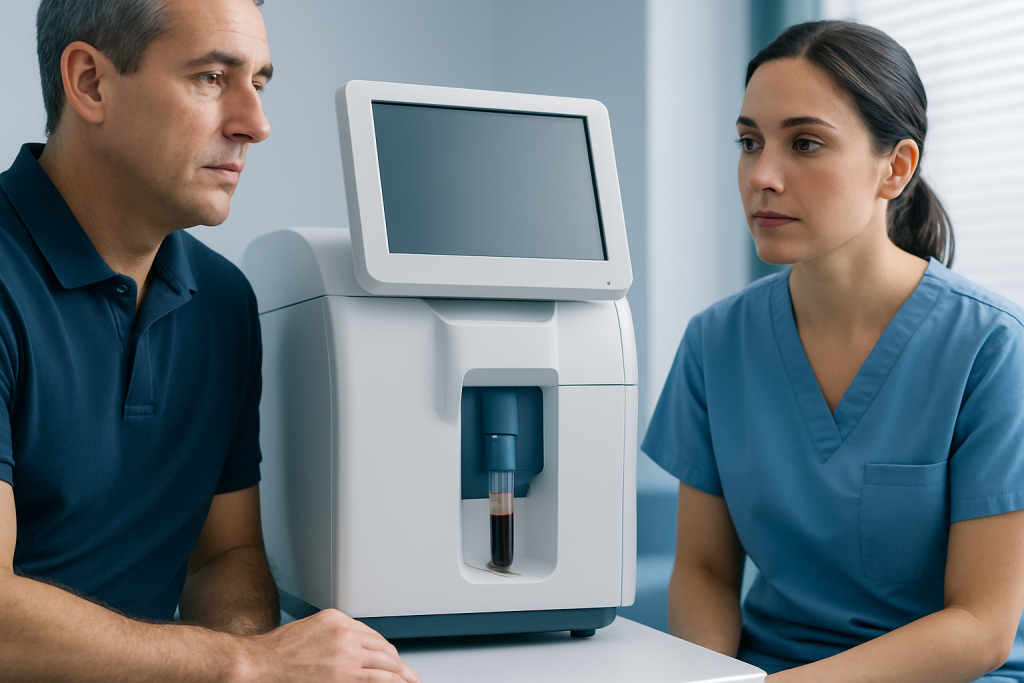
Some people with high hemoglobin have no symptoms at all, and the result is found during routine blood work. When symptoms do occur, they are often related either to the underlying cause or to the blood becoming thicker and flowing less easily. The intensity of symptoms can vary widely from person to person.
Possible symptoms may include headache, dizziness, tiredness, weakness, blurred vision, ringing in the ears, a reddish or flushed complexion, and shortness of breath. Some people notice reduced exercise tolerance or a sense of pressure in the head. Itching after a warm bath or shower can occur in certain blood disorders, though this is not specific to high hemoglobin alone.
If the cause is low oxygen over time, there may also be symptoms linked to lung or sleep-related breathing problems, such as chronic cough, snoring, poor sleep, or daytime sleepiness. Chest pain, confusion, severe shortness of breath, or signs of a blood clot, such as leg swelling or sudden weakness, need urgent medical attention.
Why hemoglobin can be high: common causes and risk factors

One practical way to understand elevated hemoglobin is to divide the causes into three groups: relative causes, secondary causes, and primary blood disorders. Relative causes mean the number of red blood cells is not truly increased, but the plasma, or fluid part of the blood, is reduced. Dehydration from vomiting, diarrhea, fever, heavy sweating, or not drinking enough fluids can lead to this type of result.
Secondary causes happen when the body makes more red blood cells because it senses a need for more oxygen-carrying capacity. This can happen in people who live at high altitude, smoke, have chronic lung disease, certain heart diseases, or breathing problems during sleep such as sleep apnea. Rarely, kidney problems or hormone-related factors can increase red blood cell production as well.
Primary causes begin in the bone marrow, where blood cells are made. These include conditions in which the marrow produces too many red blood cells independent of the body’s oxygen needs. Risk factors and contributing factors can include smoking, obesity when linked to sleep apnea, use of testosterone or other performance-enhancing substances, chronic heart or lung disease, and a personal history of repeated abnormal blood counts.
- Dehydration or fluid loss
- Smoking or carbon monoxide exposure
- Living at high altitude
- Chronic lung disease or low blood oxygen
- Sleep-disordered breathing
- Bone marrow disorders such as polycythemia vera
How doctors evaluate a high hemoglobin result
Evaluation usually begins with confirming the result. A doctor may repeat the complete blood count, especially if dehydration or a temporary factor may have affected the test. The blood test is interpreted together with hematocrit, red blood cell count, white blood cells, platelets, and the person’s symptoms and medical history.
The medical review often includes questions about smoking, exercise and altitude exposure, snoring, daytime sleepiness, medications and supplements, fluid intake, and symptoms of heart or lung disease. A physical examination may look for signs of dehydration, low oxygen, breathing problems, or conditions affecting the heart, lungs, or abdomen.
Depending on the situation, further tests may include pulse oximetry to check oxygen levels, kidney function tests, iron studies, erythropoietin level, and sometimes tests for gene changes associated with blood disorders. If sleep apnea is suspected, a doctor may recommend a formal sleep study. Imaging or specialist referral may be needed if there is concern about a heart, lung, kidney, or bone marrow cause.
In some cases, clinicians may use advanced blood testing and imaging to clarify the reason for a persistent abnormal result. This may include hematology evaluation and, when clinically appropriate, comprehensive check-up assessment to look for contributing medical issues.
Treatment options depend on the cause
There is no single treatment for hemoglobin high because the best approach is to address the reason behind it. If dehydration is the explanation, restoring fluids and treating the cause of fluid loss may return the value to normal. If smoking is contributing, stopping smoking can improve oxygen delivery and lower the body’s drive to make extra red blood cells over time.
When an underlying heart or lung problem is reducing oxygen levels, treatment focuses on improving oxygenation and controlling that condition. If sleep apnea is involved, treating the nighttime breathing problem may help correct elevated hemoglobin and also improve sleep quality, blood pressure, and daytime energy. For some patients, evaluation in pulmonology care or cardiology care is part of a safe treatment plan.
When a bone marrow disorder is diagnosed, treatment is individualized and may include regular follow-up, medicines, or procedures to reduce blood thickness when needed. Doctors also consider a person’s clotting risk, age, symptoms, and other blood count changes before deciding on management. Self-treating based only on an abnormal lab number is not advisable.
What patients can do: self-care and prevention
Self-care starts with understanding that a single high result may have a straightforward explanation, but repeat or significant elevations should not be ignored. Drinking adequate fluids, especially during hot weather, illness, or intense activity, can help prevent hemoconcentration from dehydration. People who smoke should seek support to stop, as smoking can raise hemoglobin and affects overall heart and lung health.
It is also helpful to review all medicines, hormones, and supplements with a clinician. Testosterone therapy, anabolic substances, and certain other treatments can sometimes contribute to elevated hemoglobin. People who live or travel at high altitude should mention this, since altitude can affect interpretation of results.
Good sleep habits, weight management when appropriate, regular physical activity, and attention to snoring or unrefreshing sleep may support better oxygen balance. Anyone with known lung or heart disease should continue their prescribed treatment and attend regular follow-up. These steps do not replace medical assessment, but they can support overall health and reduce avoidable triggers.
When to seek medical care
A doctor should review a high hemoglobin result if it remains elevated on repeat testing, rises over time, or occurs together with symptoms such as headaches, dizziness, breathlessness, poor exercise tolerance, or a flushed appearance. Medical review is also important for people who smoke, use testosterone, have lung or heart disease, or have symptoms suggestive of sleep apnea, such as loud snoring and daytime sleepiness.
Urgent care is needed if high hemoglobin is accompanied by chest pain, sudden shortness of breath, confusion, fainting, severe headache, one-sided weakness, trouble speaking, or painful swelling in a leg. These symptoms can signal a serious problem that needs prompt evaluation. In selected cases, multidisciplinary specialists at Acibadem International’s JCI-accredited hospitals diagnose and treat patients with persistent or unexplained elevated hemoglobin, particularly when blood, heart, or lung causes need coordinated care.
Early assessment can help identify whether the issue is temporary and reversible or part of a condition that benefits from treatment. Bringing past lab results, a medication list, and notes about smoking, sleep, travel, and symptoms can make the consultation more useful and focused.
Frequently asked questions
Is high hemoglobin always dangerous?
No. High hemoglobin can happen for simple reasons such as dehydration or living at high altitude, and some cases are temporary. It still deserves medical interpretation, especially if the level stays high or symptoms are present.
Can dehydration cause hemoglobin to be high?
Yes. When the body loses fluid, the blood becomes more concentrated, which can make hemoglobin appear elevated. This is why doctors may repeat the test after hydration or recovery from an illness.
Does smoking raise hemoglobin levels?
It can. Smoking reduces effective oxygen delivery and may trigger the body to make more red blood cells over time. Stopping smoking may help lower this effect and also benefits heart and lung health.
What tests are done after a high hemoglobin result?
Doctors often start with a repeat complete blood count and a review of symptoms, oxygen levels, smoking, medications, and sleep history. Depending on the findings, they may order kidney tests, erythropoietin levels, sleep studies, or tests for bone marrow disorders.
Can sleep apnea cause high hemoglobin?
Yes. Repeated drops in oxygen during sleep can stimulate the body to produce more red blood cells. Treating sleep apnea may help improve the blood count as well as sleep quality and daytime symptoms.
How is high hemoglobin treated?
Treatment depends on the cause. It may involve hydration, stopping smoking, adjusting contributing medicines, treating lung or heart disease, managing sleep apnea, or specialist care for blood disorders.
References
- World Health Organization
- Centers for Disease Control and Prevention
- National Heart, Lung, and Blood Institute
- American Society of Hematology
- Mayo Clinic
This article is for general information only and is not a substitute for professional medical advice. Please consult a qualified doctor about your individual situation.
Explore treatments in Turkey — costs, top hospitals & a free quote
JCI-accredited · board-certified surgeons · reply within 24h
Add us as a Preferred Source to see more of our trusted health content across Google Search, AI Overviews and Discover.

More from the Health Library



Related Specialists

Prof. Dr. Ufuk Kemal Gülsoy
Radiology
Dr. Ömer Al
Emergency Service
Dr. Ahmet Alan
General Surgery
Prof. Dr. Ata Can Atalar
Orthopedic Surgery & Traumatology