Hemorrhoids: Rectal Bleeding, Pain, and Treatment Options

Hemorrhoids may be internal, external, or both, and symptoms vary from painless bleeding to painful swelling. Bright red rectal bleeding is often due to hemorrhoids, but it should be assessed by a qualified doctor, especially if it is new, recurrent, or accompanied by other symptoms.
Key Takeaways
- Hemorrhoids may be internal, external, or both, and symptoms vary from painless bleeding to painful swelling.
- Bright red rectal bleeding is often due to hemorrhoids, but it should be assessed by a qualified doctor, especially if it is new, recurrent, or accompanied by other symptoms.
- Constipation, straining, prolonged sitting on the toilet, pregnancy, and low-fiber diets can increase the risk of hemorrhoids.
- Treatment may include fiber, fluids, stool-softening measures, topical symptom relief, office procedures, or surgery for severe cases.
- Healthy bowel habits and prompt evaluation of warning signs help prevent complications and avoid missing other digestive conditions.
Hemorrhoids are common swollen blood vessels in or around the anus and lower rectum. They can cause bright red bleeding, itching, discomfort, or pain, and most improve with careful self-care or simple medical treatment.
Overview
Hemorrhoids are swollen veins or vascular cushions in the anal canal and around the anus. These cushions are a normal part of anatomy and help with continence, but they can become enlarged, irritated, or displaced. When this happens, they may cause bleeding, itching, swelling, mucus leakage, a lump near the anus, or pain during bowel movements.
There are two main types. Internal hemorrhoids form inside the rectum and are usually not painful because this area has fewer pain-sensitive nerves. They may bleed or protrude outside the anus, a condition called prolapse. External hemorrhoids form under the skin around the anus and can become tender, swollen, or painful, especially if a small clot develops inside them.
Hemorrhoids are very common and often improve with changes that soften stools and reduce straining. However, rectal bleeding should not automatically be assumed to be hemorrhoids. A medical assessment helps confirm the cause, guide treatment, and rule out other conditions such as anal fissures, inflammatory bowel disease, polyps, or colorectal cancer.
Symptoms and Types of Hemorrhoids
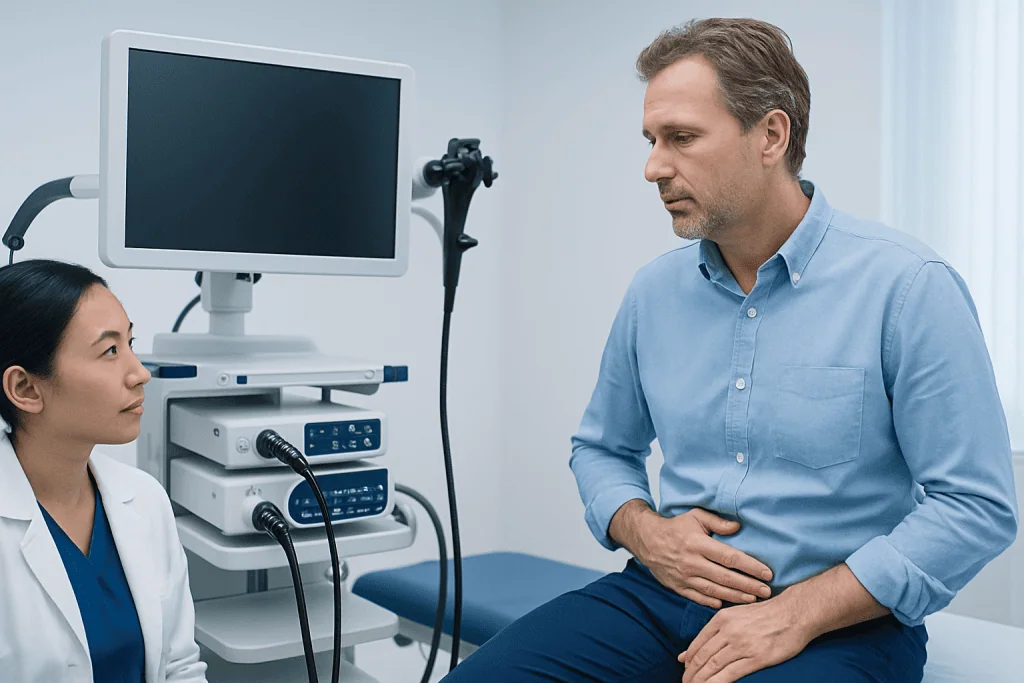
Symptoms depend on the location and severity of the hemorrhoids. Internal hemorrhoids commonly cause painless, bright red blood on toilet paper, in the toilet bowl, or on the surface of the stool. Some people feel fullness, pressure, or a sensation that stool has not completely passed. If an internal hemorrhoid prolapses, it may create a soft bulge that comes out during a bowel movement and then goes back in on its own or needs gentle manual reduction.
External hemorrhoids are more likely to cause local discomfort because the skin around the anus is sensitive. They may feel like a small lump, cause itching, or make sitting uncomfortable. A thrombosed external hemorrhoid occurs when blood clots within the swollen vein; this can cause sudden, localized pain and a firm bluish lump. Although uncomfortable, it is usually not dangerous and can often be managed with medical advice and pain-relief measures.
Common symptoms include:
- Bright red rectal bleeding, especially after a bowel movement
- Itching, irritation, or burning around the anus
- Pain, swelling, or tenderness near the anal opening
- A lump or bulge that may appear during straining
- Mucus leakage or difficulty keeping the area clean
Causes and Risk Factors
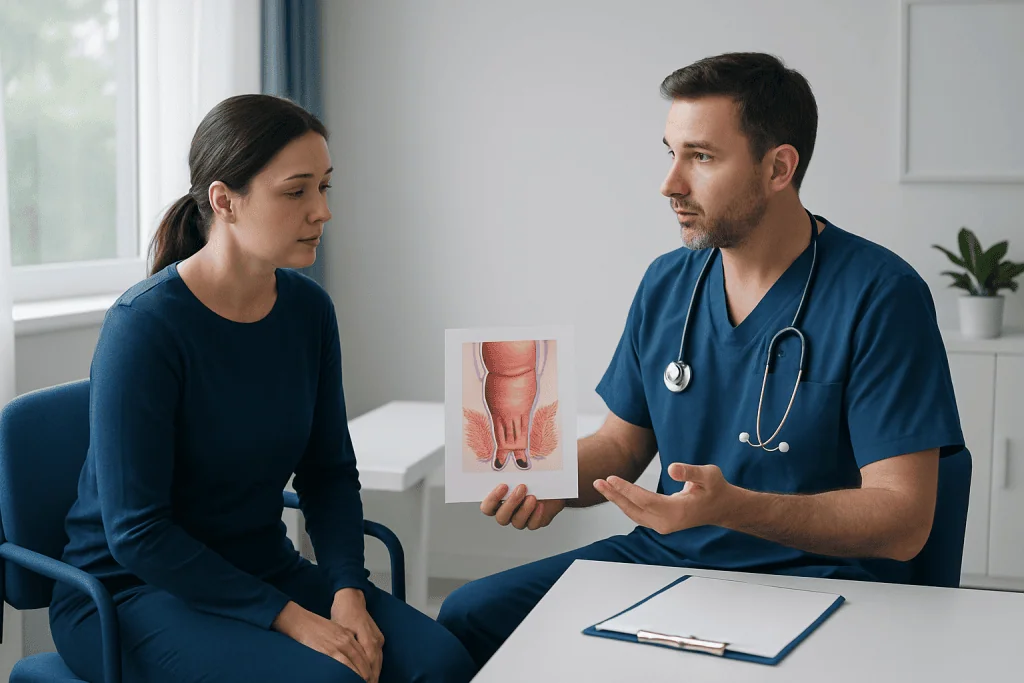
Hemorrhoids develop when pressure increases in the veins of the anus and lower rectum. Straining during bowel movements is one of the most common triggers. Hard stools, constipation, and sitting on the toilet for long periods can stretch and irritate the anal cushions. Chronic diarrhea can also contribute because frequent bowel movements and wiping may inflame the area.
Diet and lifestyle often play a role. Low fiber intake can make stools harder and more difficult to pass, while dehydration may worsen constipation. Sedentary habits, heavy lifting, and prolonged sitting can increase pressure in the pelvic and rectal veins. Pregnancy is another common risk period because hormonal changes, increased blood volume, pressure from the growing uterus, and pushing during delivery can all contribute.
Age can increase susceptibility because supporting tissues in the rectum and anus may weaken over time. A personal or family tendency toward constipation, obesity, and certain medical conditions that affect bowel habits may also raise risk. Identifying the main contributing factors is important because long-term control usually depends on improving stool consistency and bowel habits, not only treating the visible hemorrhoid.
Diagnosis
A doctor can often diagnose external hemorrhoids by listening to the symptoms and examining the anal area. For internal hemorrhoids, a gentle digital rectal examination may be performed. The clinician may also use a short lighted instrument called an anoscope or proctoscope to view the anal canal and lower rectum. These evaluations are usually brief and help distinguish hemorrhoids from fissures, skin tags, abscesses, and other causes of bleeding or pain.
When rectal bleeding is present, the doctor considers the patient’s age, medical history, bowel pattern, medications, family history, and any additional symptoms. Further testing may be recommended if bleeding is new, persistent, unexplained, mixed within the stool, or associated with changes in bowel habits, weight loss, anemia, abdominal pain, or a family history of colorectal cancer. In these situations, sigmoidoscopy or colonoscopy may be advised to examine more of the colon.
Patients should tell the doctor about blood thinners, iron supplements, constipation treatments, pregnancy, previous bowel disease, and any previous colon screening results. This information helps choose the safest next step. Diagnosis is not only about naming hemorrhoids; it is also about making sure the bleeding source is correctly identified and that treatment fits the individual’s overall health.
Treatment Options
Many hemorrhoids improve with conservative care. The foundation of treatment is to reduce straining by making stools softer and easier to pass. Doctors often recommend increasing dietary fiber gradually, drinking adequate fluids, staying physically active, and avoiding long periods on the toilet. Warm sitz baths may soothe irritation. Short-term use of topical creams, suppositories, or pain-relief products may help symptoms, but they should be used as directed and not as a substitute for medical evaluation when bleeding occurs.
If symptoms continue, office-based procedures may be considered, especially for internal hemorrhoids. Rubber band ligation places a small band at the base of an internal hemorrhoid to reduce its blood supply, causing it to shrink. Other options may include sclerotherapy, which uses an injection to shrink the hemorrhoid, or infrared coagulation, which uses heat to treat small internal hemorrhoids. These procedures are selected according to hemorrhoid grade, symptoms, and the clinician’s assessment.
Surgery is usually reserved for large, recurrent, severely prolapsing, or complicated hemorrhoids that do not respond to less invasive care. Hemorrhoidectomy removes hemorrhoidal tissue and may be recommended in selected cases, while stapled hemorrhoidopexy or other techniques may be suitable for certain prolapsing internal hemorrhoids. The best approach depends on symptom severity, the type of hemorrhoids, general health, and the expected recovery process. A qualified specialist can explain the benefits, limitations, and possible risks of each option.
Prevention and Self-care
Prevention focuses on keeping bowel movements soft, regular, and easy to pass. A fiber-rich eating pattern that includes vegetables, fruits, legumes, and whole grains can help. Some people benefit from a fiber supplement, introduced gradually to reduce gas or bloating. Adequate fluid intake supports fiber’s effect, and regular movement helps stimulate bowel function.
Bathroom habits matter. People should try to respond promptly to the urge to have a bowel movement, because delaying can make stool drier and harder. It is also helpful to avoid straining and avoid sitting on the toilet while reading or using a phone. Gentle cleaning with water or unscented wipes may reduce irritation, and the area should be patted dry rather than rubbed.
Self-care can reduce flare-ups but should be used wisely. Warm baths, cool compresses, and avoiding prolonged pressure may ease discomfort. Over-the-counter products can provide short-term relief for itching or swelling, but persistent symptoms should be reviewed by a doctor. Patients who are pregnant, taking blood thinners, have immune system problems, or have significant pain or bleeding should seek medical advice before using treatments on their own.
When to See a Doctor
A medical visit is recommended for any first episode of rectal bleeding, bleeding that continues or returns, or symptoms that do not improve with simple measures. People should also seek prompt care for severe anal pain, a rapidly enlarging lump, fever, pus-like drainage, dizziness, black stools, or bleeding that seems heavy. These symptoms do not always mean something serious, but they deserve timely assessment.
Evaluation is especially important for people over the age recommended for colorectal cancer screening, those with a family history of colorectal cancer or polyps, and anyone with unexplained weight loss, anemia, persistent abdominal pain, or a clear change in bowel habits. Hemorrhoids and other bowel conditions can occur at the same time, so confirmation of the diagnosis is valuable.
Patients with ongoing hemorrhoid symptoms may benefit from care by a gastroenterologist, colorectal surgeon, or general surgeon experienced in anorectal conditions. Acibadem International’s multidisciplinary specialists and JCI-accredited hospitals diagnose and treat hemorrhoids and related digestive conditions for international patients. As with any health concern, the most appropriate plan should be based on a personal examination and medical advice from a qualified doctor.
Frequently asked questions
Are hemorrhoids dangerous?
Hemorrhoids are usually not dangerous and often improve with conservative treatment. However, rectal bleeding should be evaluated because other conditions can cause similar symptoms. A doctor can confirm the diagnosis and recommend safe treatment.
What does hemorrhoid bleeding look like?
Hemorrhoid bleeding is commonly bright red and may appear on toilet paper, in the toilet bowl, or on the outside of the stool. Dark, tar-like stool or blood mixed throughout the stool may suggest bleeding from another part of the digestive tract. Any new or persistent bleeding should be checked by a qualified clinician.
Can hemorrhoids go away on their own?
Mild hemorrhoids can shrink and symptoms may settle with fiber, fluids, warm baths, and reduced straining. Larger or prolapsing hemorrhoids may come back or require an office procedure. If symptoms last more than a short period or keep recurring, medical assessment is recommended.
What is the fastest way to relieve painful hemorrhoids?
Warm sitz baths, avoiding straining, keeping stools soft, and using doctor-approved pain-relief or topical products may reduce discomfort. A sudden, very painful external lump may be a thrombosed hemorrhoid and should be assessed promptly, especially in the first few days. Treatment depends on the examination findings and the person’s overall health.
Do hemorrhoids always need surgery?
No. Most hemorrhoids are treated with lifestyle measures, stool-softening strategies, medicines for short-term symptom relief, or office-based procedures. Surgery is generally reserved for severe, recurrent, large, or complicated hemorrhoids that do not respond to less invasive treatment.
How can hemorrhoids be prevented from coming back?
The best prevention is to maintain soft, regular bowel movements and avoid straining. A high-fiber diet, adequate fluids, regular physical activity, and not sitting too long on the toilet can help. People with ongoing constipation or diarrhea should discuss long-term bowel management with a doctor.
References
- National Institute of Diabetes and Digestive and Kidney Diseases
- American Society of Colon and Rectal Surgeons
- Mayo Clinic
- National Health Service
- American College of Gastroenterology
This article is for general information only and is not a substitute for professional medical advice. Please consult a qualified doctor about your individual situation.
Hemorrhoids in Turkey — costs, top hospitals & a free quote
JCI-accredited · board-certified surgeons · reply within 24h
Add us as a Preferred Source to see more of our trusted health content across Google Search, AI Overviews and Discover.

General Surgery
Open, laparoscopic and robotic surgery for a broad range of abdominal and soft-tissue conditions.
120 specialists in this unit