Hemorrhoids: Symptoms, Causes, and When to See a Doctor

Hemorrhoids are swollen veins in or around the anus that can cause bleeding, itching, pain, and swelling; many improve with fiber, fluids, and medical care.
Key Takeaways
- Hemorrhoids may cause bright red bleeding, itching, swelling, discomfort, or pain during bowel movements.
- Constipation, straining, pregnancy, prolonged sitting, and low-fiber diets can increase the risk of hemorrhoids.
- Many cases improve with fiber, fluids, warm baths, and avoiding straining.
- Persistent bleeding or pain should be evaluated because other conditions can cause similar symptoms.
- Medical treatment is available when home care does not bring enough relief.
Hemorrhoids are swollen veins in the lower rectum or around the anus. They are common, often manageable with simple measures, and should be checked by a doctor if symptoms persist, worsen, or include bleeding.
Overview
Hemorrhoids are enlarged or swollen veins in the lower rectum or around the anus. They are similar to varicose veins and are a very common cause of anal discomfort and bleeding. Hemorrhoids can develop inside the rectum, where they are called internal hemorrhoids, or under the skin around the anus, where they are called external hemorrhoids.
Internal hemorrhoids often do not cause pain because there are fewer pain-sensitive nerves in that area. They may still lead to bleeding, a feeling of fullness, or tissue that bulges out of the anus during a bowel movement. External hemorrhoids are more likely to cause itching, swelling, irritation, or pain, especially if a blood clot forms inside them.
Although hemorrhoids can be uncomfortable, they are usually not dangerous. Many people improve with lifestyle changes and simple home care. Still, symptoms such as rectal bleeding should not be assumed to be hemorrhoids without proper medical assessment, because colon cancer and other digestive conditions can sometimes cause similar signs.
Symptoms of Hemorrhoids
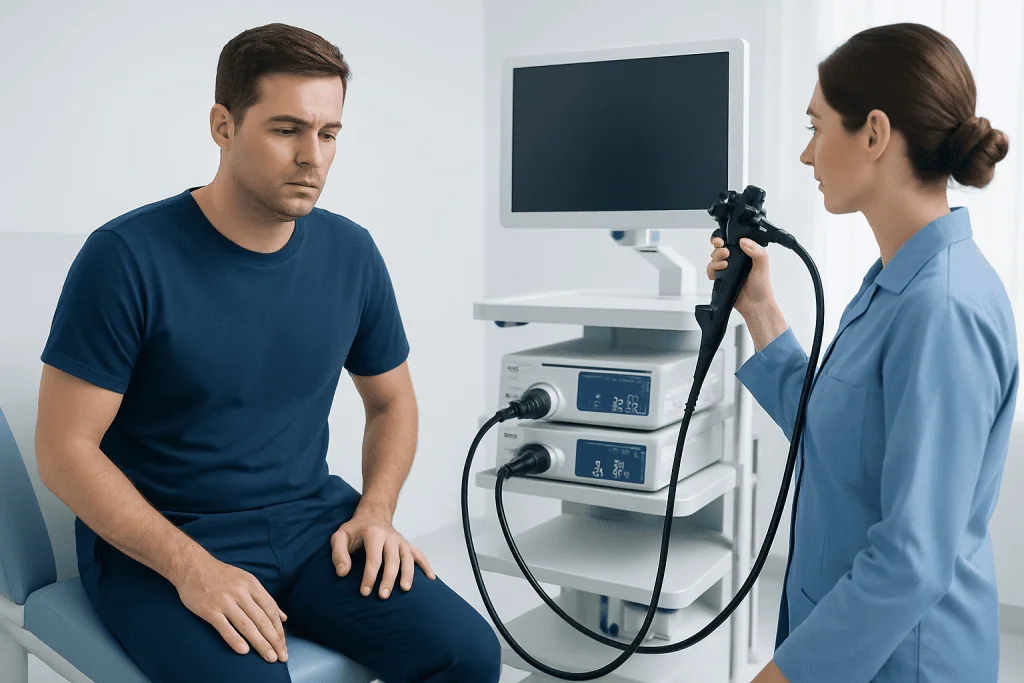
Symptoms can vary depending on whether hemorrhoids are internal or external. Some people notice only mild itching or a small amount of bright red blood on toilet paper. Others may feel a tender lump near the anus, discomfort when sitting, or pain during bowel movements.
Common symptoms include:
- Bright red blood after a bowel movement
- Itching or irritation around the anus
- Pain or soreness, especially with external hemorrhoids
- Swelling around the anus
- A lump near the anus that may be sensitive or painful
- A feeling that the rectum has not emptied completely
- Tissue protruding from the anus during straining
Bleeding from hemorrhoids is typically small in amount and bright red. Dark blood, heavy bleeding, black stools, fever, or significant abdominal pain are not typical hemorrhoid symptoms and need prompt medical attention. A painful swollen lump may suggest a thrombosed external hemorrhoid, which can be very uncomfortable but is treatable.
Causes and Risk Factors
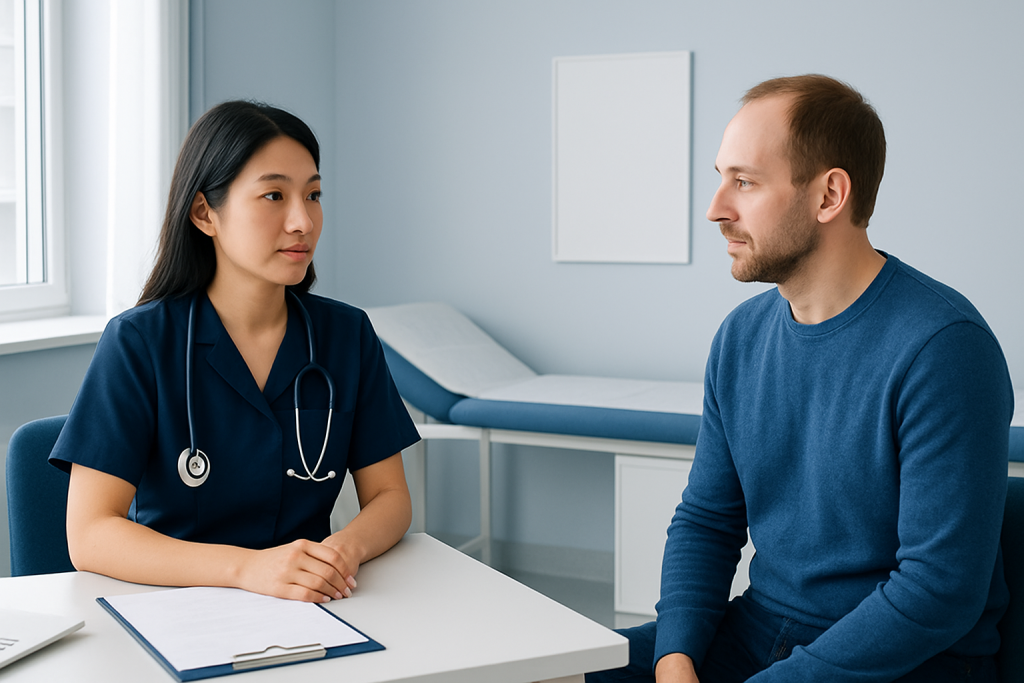
Hemorrhoids develop when pressure increases in the veins of the lower rectum and anus. This pressure can make the veins stretch, swell, and sometimes become inflamed. Repeated straining during bowel movements is one of the most common contributing factors.
Several situations can raise the risk of hemorrhoids. Constipation and hard stools often lead to straining. Long periods of sitting, especially on the toilet, may also increase pressure in the area. Pregnancy can contribute because of increased abdominal pressure and changes in circulation. Aging is another factor, as the tissues that support the veins can weaken over time.
Other possible risk factors include a low-fiber diet, inadequate fluid intake, obesity, chronic diarrhea, heavy lifting, and a sedentary lifestyle. In some people, hemorrhoid symptoms may overlap with other anorectal problems such as anal fissure, which can also cause pain and bleeding during bowel movements.
How Hemorrhoids Are Diagnosed
Diagnosis begins with a medical history and a physical examination. The doctor will ask about bleeding, bowel habits, pain, constipation, medications, and any family history of bowel disease. This helps identify hemorrhoids and also determine whether another condition may be causing the symptoms.
External hemorrhoids can often be seen during an examination of the anal area. Internal hemorrhoids may require a gentle digital rectal exam or a short instrument-based exam to look inside the anal canal. Depending on age, symptoms, and medical history, the doctor may recommend additional testing to rule out other causes of rectal bleeding.
If bleeding is persistent, unexplained, or associated with changes in bowel habits, a doctor may advise further digestive evaluation such as colonoscopy or other tests. This is especially important for people with risk factors for colorectal disease or symptoms that do not fit a typical hemorrhoid pattern.
Treatment Options
Many hemorrhoids improve with conservative treatment. The first step is usually to make stools softer and easier to pass. A higher-fiber diet, drinking enough water, regular physical activity, and not delaying bowel movements can reduce straining. Warm sitz baths may help relieve discomfort, and some people benefit from short-term use of over-the-counter creams, ointments, or suppositories as advised by a clinician or pharmacist.
If symptoms continue or hemorrhoids are more advanced, office-based procedures may be recommended. These can include rubber band ligation, sclerotherapy, or coagulation techniques that shrink the hemorrhoid by cutting off its blood supply. Such treatments are commonly used for internal hemorrhoids that bleed or prolapse.
In more severe cases, especially when hemorrhoids are large, recurrent, or very painful, surgery may be discussed. This can include procedures to remove hemorrhoids or reduce prolapse. If a doctor needs a fuller assessment of the lower bowel before planning treatment, gastroenterology evaluation may be part of care, and some patients may also need hemorrhoid surgery when less invasive measures are not enough.
Prevention and Self-care
Prevention focuses on reducing pressure and straining. Eating more fiber from fruits, vegetables, legumes, and whole grains can help stools stay soft. Drinking enough fluids supports regular bowel movements. If dietary fiber is difficult to get consistently, a doctor may suggest a fiber supplement.
Healthy toilet habits also matter. It helps to go to the bathroom when the urge appears instead of waiting. Straining should be avoided, and spending long periods sitting on the toilet is best limited. Regular movement during the day can support bowel function and reduce pressure from prolonged sitting.
For symptom relief at home, warm baths, gentle cleaning of the anal area, and avoiding harsh wiping can be soothing. Tight-fitting clothing or products with irritating fragrances may worsen discomfort for some people. If symptoms keep returning, a healthcare professional can help identify contributing factors and recommend a long-term plan.
When to See a Doctor
A doctor should be consulted for rectal bleeding, even if hemorrhoids seem likely. Bleeding may come from hemorrhoids, but it can also be caused by polyps, inflammation, infection, fissures, or bowel disease. Medical evaluation is especially important if the person is older, has a family history of colorectal disease, or notices changes in bowel habits.
Medical care should also be sought if there is severe pain, a large painful lump, ongoing symptoms despite home care, or repeated episodes of hemorrhoids. Urgent attention is needed for heavy bleeding, weakness, dizziness, black stools, fever, or significant abdominal pain.
With proper diagnosis, most people can find relief and avoid complications. Near the end of the care journey, some patients may benefit from specialist assessment; Acibadem International’s multidisciplinary teams in JCI-accredited hospitals diagnose and treat hemorrhoids for international patients when advanced evaluation or treatment is needed.
Frequently asked questions
What do hemorrhoids feel like?
Hemorrhoids can feel like itching, irritation, pressure, or a lump near the anus. Internal hemorrhoids may cause little discomfort but can bleed, while external hemorrhoids are more likely to cause soreness or pain.
Do hemorrhoids go away on their own?
Some mild hemorrhoids improve with time, especially when bowel habits are changed and straining is reduced. Drinking more fluids, eating more fiber, and avoiding long toilet sitting often help symptoms settle.
Is bleeding always caused by hemorrhoids?
No. Although hemorrhoids are a common cause of bright red rectal bleeding, bleeding can also come from other conditions such as fissures, inflammation, polyps, or bowel disease. That is why rectal bleeding should be discussed with a doctor.
What is the difference between internal and external hemorrhoids?
Internal hemorrhoids form inside the rectum and usually cause painless bleeding or tissue prolapse. External hemorrhoids develop under the skin around the anus and are more likely to cause pain, swelling, and itching.
Can constipation cause hemorrhoids?
Yes. Constipation often leads to hard stools and straining, which increases pressure in the veins of the rectum and anus. Preventing constipation is one of the most effective ways to reduce the risk of hemorrhoids.
When is surgery needed for hemorrhoids?
Surgery is usually considered when symptoms are severe, recurrent, or do not improve with conservative care and office-based procedures. A doctor will choose the treatment based on the type of hemorrhoid, symptom severity, and overall health.
This article is for general information only and is not a substitute for professional medical advice. Please consult a qualified doctor about your individual situation.
Hemorrhoids in Turkey — costs, top hospitals & a free quote
JCI-accredited · board-certified surgeons · reply within 24h
Add us as a Preferred Source to see more of our trusted health content across Google Search, AI Overviews and Discover.

General Surgery
Open, laparoscopic and robotic surgery for a broad range of abdominal and soft-tissue conditions.
119 specialists in this unitGeneral Surgery Specialists at Acibadem





More from the Health Library
Micro Dermabrasion: Procedure, Recovery and Results

Best Doctors for LASIK Eye Surgery: How to Choose Safely

Viginal Rejuvination Surgery: Procedure, Recovery and Results

Plastic Surgery Brazilian But Lift: Procedure, Recovery and Results

Treatment of Torsion Testis: Procedure, Recovery and Results