Hepatitis: Early Signs, Risk Factors, and How It Is Treated

Hepatitis means inflammation of the liver and has several different causes. Some people have no early symptoms, while others develop fatigue, nausea, abdominal discomfort, dark urine, or jaundice.
Key Takeaways
- Hepatitis means inflammation of the liver and has several different causes.
- Some people have no early symptoms, while others develop fatigue, nausea, abdominal discomfort, dark urine, or jaundice.
- Hepatitis A and E are usually short-term, while hepatitis B and C can become chronic and damage the liver over time.
- Testing usually includes blood work to look for liver inflammation and identify the cause.
- Treatment depends on the type and may include rest and monitoring, antiviral medication, or management of alcohol-, drug-, or autoimmune-related liver disease.
- Vaccination, safer food and water practices, and avoiding blood exposure can help prevent some forms of hepatitis.
Hepatitis is inflammation of the liver, most often caused by viral infection, but it can also result from alcohol use, medications, toxins, or autoimmune disease. Early signs may be mild or absent, so diagnosis often depends on blood tests and, in some cases, imaging or additional liver evaluation.
Overview: what hepatitis means
Hepatitis is inflammation of the liver. The liver helps the body process nutrients, filter harmful substances, support digestion, and store energy, so inflammation can affect many parts of overall health. In some people hepatitis causes only a short illness, while in others it becomes long-lasting and gradually harms the liver.
The term hepatitis does not describe a single disease. It is a broad medical term that includes viral hepatitis, alcohol-related liver injury, medication-related hepatitis, toxin-related hepatitis, and autoimmune hepatitis. Because the causes are different, the course of the condition and the best treatment can also vary widely.
A key point for patients is that hepatitis may be silent at first. Mild inflammation can cause no obvious symptoms, and some people learn they have it only after abnormal liver blood tests during a routine check-up. For that reason, risk factors and medical history are often just as important as symptoms when doctors decide whether testing is needed.
Early signs and symptoms

Early signs of hepatitis can be vague and easy to overlook. Many people feel unusually tired, lose their appetite, or notice nausea, mild fever, muscle aches, or discomfort in the upper right side of the abdomen. These symptoms can resemble a common viral illness or digestive upset.
As liver inflammation becomes more noticeable, some people develop darker urine, pale or clay-colored stools, itching, or yellowing of the skin and eyes, known as jaundice. Jaundice does not happen in every case, but when it does, it often prompts medical evaluation.
Chronic hepatitis may behave differently from acute hepatitis. Instead of causing a sudden illness, it may progress quietly over months or years with only fatigue or no symptoms at all. In more advanced liver disease, swelling in the abdomen or legs, easy bruising, confusion, or unintended weight loss can develop, but these are later warning signs rather than early ones.
- Fatigue or weakness
- Loss of appetite
- Nausea or vomiting
- Abdominal discomfort, especially on the right side
- Dark urine or pale stools
- Jaundice
- Low-grade fever or body aches
Types, causes, and risk factors
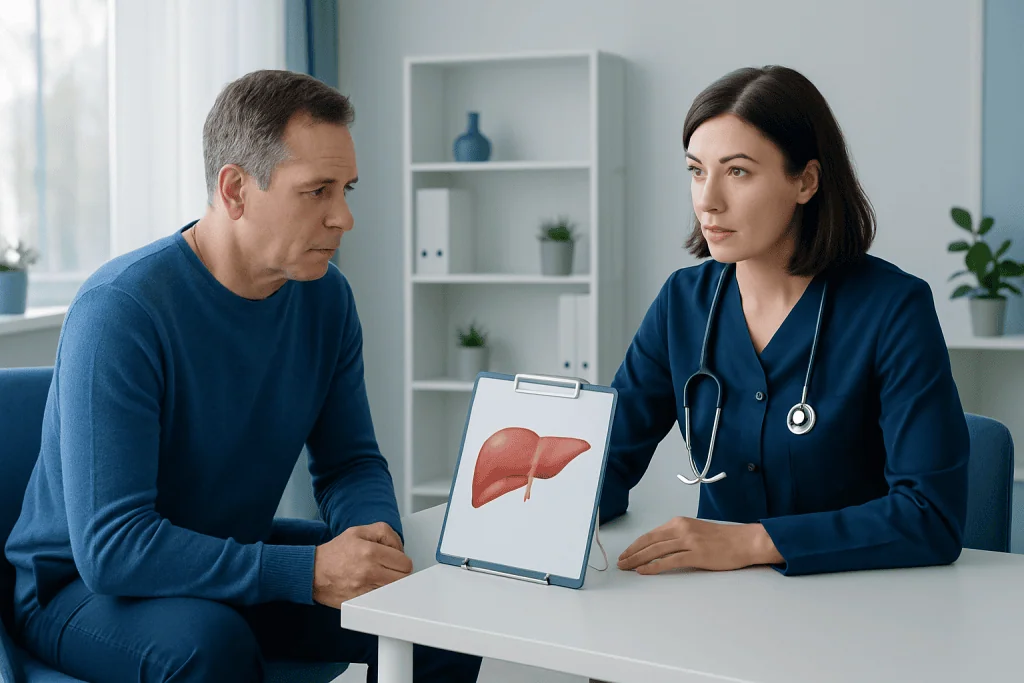
Viral hepatitis is the best-known form. Hepatitis A usually spreads through contaminated food or water and tends to cause an acute illness that does not become chronic. Hepatitis B spreads through blood and certain body fluids, including during childbirth, sexual contact, or needle exposure. Hepatitis C is mainly spread through blood exposure and can become chronic if not identified and treated. Hepatitis D occurs only in people who also have hepatitis B, and hepatitis E is commonly linked to contaminated water in some regions.
Not all hepatitis is caused by viruses. Heavy alcohol use can inflame and scar the liver over time. Some prescription medicines, over-the-counter drugs, herbal products, and toxins may also trigger hepatitis. In autoimmune hepatitis, the immune system mistakenly attacks liver cells. Metabolic conditions and fatty liver disease can also lead to liver inflammation that may resemble or overlap with hepatitis patterns on testing.
Risk factors depend on the cause. These may include travel to places with unsafe food or water, living with someone who has hepatitis B, unprotected sex, injection drug use, unsterile tattooing or piercing, occupational blood exposure, long-term alcohol use, and use of potentially liver-toxic medications. People with other liver conditions may need a broader evaluation for problems such as fatty liver disease when liver tests are abnormal.
How doctors diagnose hepatitis
Diagnosis usually begins with a medical history and physical examination. A doctor asks about symptoms, travel, alcohol use, medicines and supplements, sexual and household exposures, prior transfusions or needle exposure, and any family history of liver disease. During the examination, the doctor may look for jaundice, liver tenderness, or signs of chronic liver damage.
Blood tests are central to diagnosis. These often include liver enzymes, bilirubin, albumin, and tests that measure how well the blood clots. If hepatitis is suspected, additional blood work can identify viral markers for hepatitis A, B, or C, assess immune-related causes, and help estimate whether liver injury is recent or chronic.
Imaging may also be used to assess the liver and surrounding structures, especially if symptoms are persistent or another diagnosis is possible. Ultrasound is commonly used, and doctors may recommend more detailed imaging or specialized liver assessment in selected cases, such as liver biopsy when the cause or extent of damage remains unclear. In patients with advanced disease, doctors also evaluate for scarring, known as fibrosis or cirrhosis, and may consider related conditions such as cirrhosis.
Treatment options and long-term outlook
Hepatitis treatment depends on the exact cause. Acute hepatitis A often improves with supportive care, including rest, fluids, balanced nutrition, and avoiding alcohol. Many people recover fully, but recovery can still take weeks or months. During this time, doctors may repeat blood tests to confirm that liver inflammation is settling.
For hepatitis B and hepatitis C, treatment is more individualized. Some acute infections are monitored closely, while chronic infection may require antiviral medicines to reduce liver damage and lower the risk of complications. In hepatitis C, modern antiviral therapy can often clear the virus. Chronic hepatitis B may not always be cured, but treatment can help control viral activity and protect the liver. Depending on the patient, doctors may also use imaging and other tests to monitor liver health alongside hepatitis treatment.
If hepatitis is linked to alcohol, medications, or toxins, stopping the harmful exposure is a key step. Autoimmune hepatitis is often treated with medicines that calm the immune response. When long-term inflammation has already caused severe scarring or liver failure, more advanced care may be needed, and some patients are evaluated for liver transplant. Overall outlook is best when hepatitis is identified early and the underlying cause is treated before significant scarring develops.
Prevention and self-care
Prevention starts with understanding the type of hepatitis being considered. Vaccines are available for hepatitis A and hepatitis B and are an important way to reduce risk. Safer food and water practices can help prevent hepatitis A and E, especially when traveling. Avoiding shared needles or personal items that may contain blood, such as razors or toothbrushes, helps reduce blood-borne transmission.
Safer sex practices, proper use of protective equipment in healthcare settings, and careful screening of blood products also lower risk. People who think they may have been exposed to hepatitis B should seek timely medical advice, because preventive measures may be available soon after exposure.
Self-care matters, but it does not replace medical guidance. Anyone with hepatitis or unexplained liver inflammation should avoid alcohol unless a doctor clearly advises otherwise, and should discuss all medications, vitamins, and herbal products with a clinician. Eating regular meals, staying hydrated, and attending follow-up appointments can support recovery while the liver heals.
When to seek medical care
Medical care is important if symptoms suggest hepatitis or another liver problem. A person should arrange an evaluation if they have jaundice, dark urine, severe fatigue, persistent nausea, significant abdominal pain, or unexplained abnormal liver blood tests. Care is also advisable after a possible blood, needle, sexual, or travel-related exposure, even if no symptoms are present.
Urgent evaluation is needed for signs of more serious illness, such as confusion, repeated vomiting, fainting, worsening swelling, bleeding, or inability to keep fluids down. These symptoms may indicate severe liver dysfunction or another condition that needs prompt treatment.
Patients who need specialist assessment may be referred to gastroenterology, infectious diseases, or hepatology teams. For international patients, Acibadem International’s multidisciplinary specialists at JCI-accredited hospitals diagnose and treat hepatitis and related liver conditions using coordinated medical and imaging services.
Frequently asked questions
What is the difference between hepatitis and jaundice?
Hepatitis means inflammation of the liver, while jaundice is a sign that causes yellowing of the skin or eyes. Jaundice can happen because of hepatitis, but it can also be caused by other liver, gallbladder, or blood-related conditions.
Can hepatitis go away on its own?
Some forms can. Hepatitis A usually resolves without becoming chronic, and some acute hepatitis B infections also clear naturally. Other types, especially chronic hepatitis B and hepatitis C, may persist and need ongoing monitoring or treatment.
Is hepatitis always caused by a virus?
No. Viruses are a common cause, but hepatitis can also result from alcohol, certain medicines, toxins, or autoimmune disease. That is why doctors often order several tests before deciding on the best treatment.
Can a person have hepatitis without symptoms?
Yes. Many people, especially those with chronic hepatitis, have no noticeable symptoms at first. In these cases, abnormal blood tests or screening after a known exposure may be the first clue.
How is hepatitis tested?
Doctors usually start with blood tests that look for liver inflammation and signs of viral infection or other causes. Depending on the results, they may also recommend ultrasound, other imaging, or additional liver evaluation.
Is hepatitis curable?
That depends on the type. Hepatitis C can often be cured with antiviral medication, while hepatitis A usually resolves on its own. Chronic hepatitis B is often managed rather than completely cured, with treatment aimed at protecting the liver.
References
- World Health Organization
- Centers for Disease Control and Prevention
- National Institute of Diabetes and Digestive and Kidney Diseases
- American Association for the Study of Liver Diseases
- Mayo Clinic
This article is for general information only and is not a substitute for professional medical advice. Please consult a qualified doctor about your individual situation.
Hepatitis in Turkey — costs, top hospitals & a free quote
JCI-accredited · board-certified surgeons · reply within 24h
Add us as a Preferred Source to see more of our trusted health content across Google Search, AI Overviews and Discover.

Gastroenterology
Diagnosis and treatment of the digestive system and liver, with advanced endoscopy.
46 specialists in this unitMore from the Health Library



Related Specialists

Dr. Necdet Yetim
Internal Medicine
Prof. Dr. Korhan Özkan
Orthopedic Surgery & Traumatology
Dr. Ahmet Kurt
Internal Medicine
Prof. Dr. Bülent Tıraş
Gynecology & Obstetrics