Hepatomegaly enlarged liver: A Complete Medical Guide for Patients
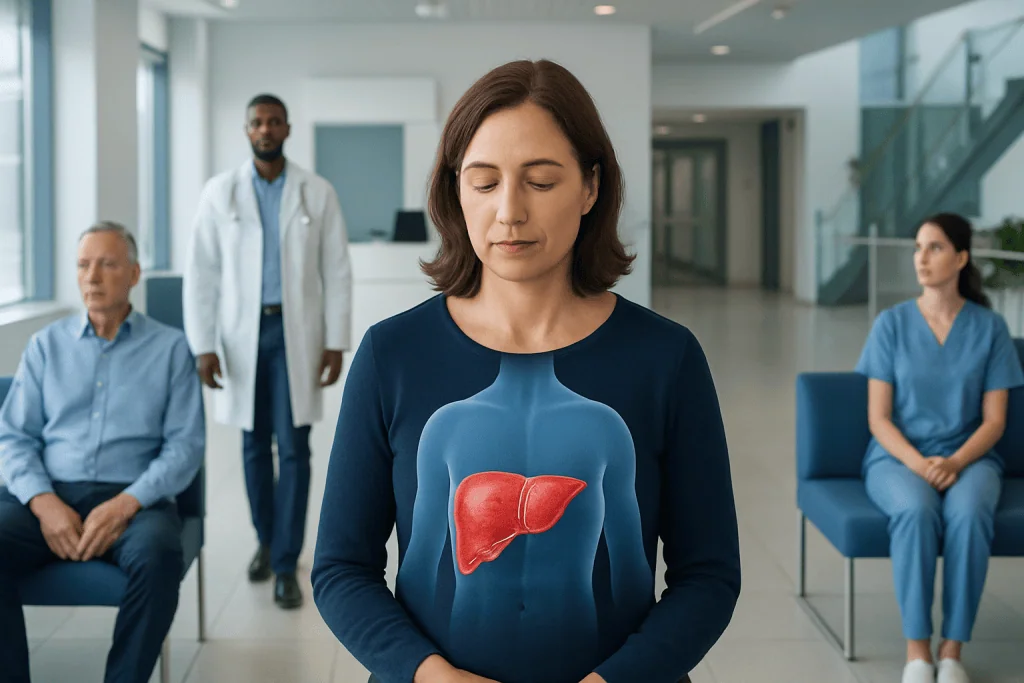
Hepatomegaly enlarged liver is a sign of an underlying condition, not a diagnosis on its own. Many people have no symptoms at first, and liver enlargement may be found during an exam or imaging test.
Key Takeaways
- Hepatomegaly enlarged liver is a sign of an underlying condition, not a diagnosis on its own.
- Many people have no symptoms at first, and liver enlargement may be found during an exam or imaging test.
- Common causes include fatty liver disease, viral hepatitis, alcohol-related liver disease, and heart failure-related congestion.
- Diagnosis usually involves a physical exam, blood tests, and imaging such as ultrasound.
- Treatment focuses on the cause and may include lifestyle changes, medicines, or specialist care.
- Persistent abdominal swelling, jaundice, confusion, or severe pain need prompt medical assessment.
Hepatomegaly enlarged liver means the liver has become larger than normal. It is not a disease by itself, but a sign that another condition—such as fatty liver disease, hepatitis, congestion, or less commonly a tumor or storage disorder—may be affecting the liver.
What hepatomegaly enlarged liver means
Hepatomegaly enlarged liver means the liver is bigger than normal. This finding does not describe a single illness. Instead, it tells doctors that something is affecting the liver itself or the body’s circulation, metabolism, or immune system.
The liver is a large organ under the right side of the ribs. It helps process nutrients, make important proteins, store energy, clear toxins, and support digestion through bile production. Because the liver has many roles, a wide range of conditions can cause it to enlarge.
In some people, liver enlargement develops gradually and causes no early symptoms. In others, it can happen with fatigue, discomfort under the right ribs, bloating, or jaundice. The significance depends on the cause, how long it has been present, and whether the liver is inflamed, congested, or scarred.
Enlargement may be mild and reversible, as in early fatty liver disease, or it may reflect a condition that needs close follow-up. A clear diagnosis is important because treatment is based on the underlying reason rather than the enlargement alone.
Possible signs and symptoms
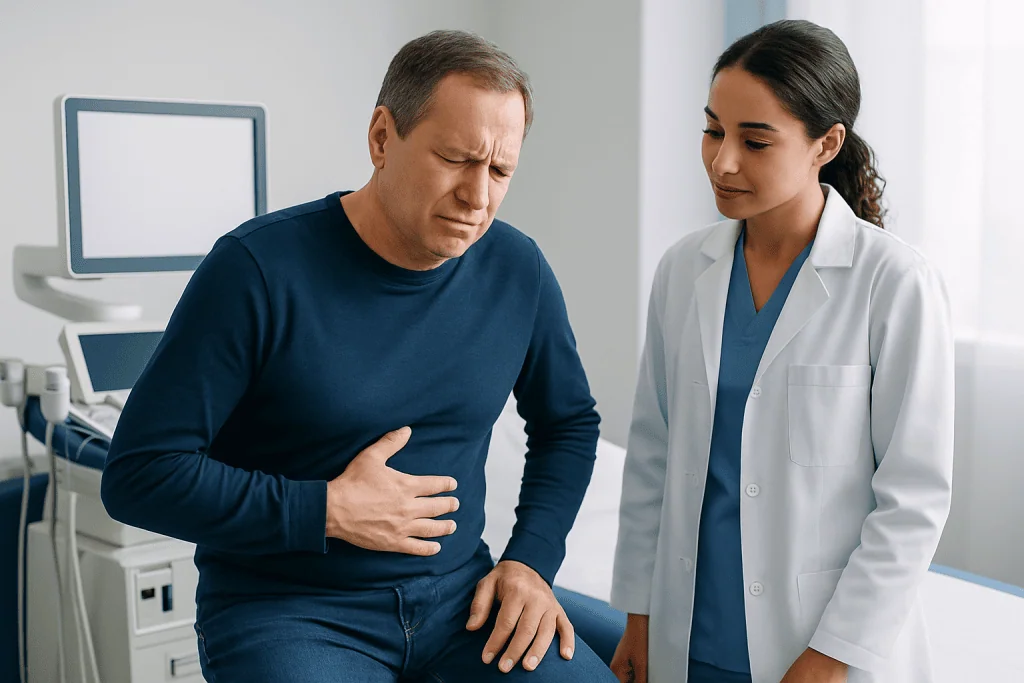
Many people with hepatomegaly enlarged liver do not notice symptoms at first. A doctor may detect it during a physical examination, or it may appear on an ultrasound, CT scan, or MRI done for another reason.
When symptoms do occur, they can be non-specific. Common complaints include a feeling of fullness in the upper right abdomen, mild discomfort under the ribs, tiredness, reduced appetite, nausea, or abdominal bloating. Because these symptoms can overlap with many digestive problems, they do not confirm the cause on their own.
If liver function is affected, more noticeable features may appear. These can include yellowing of the skin or eyes, dark urine, pale stools, itching, swelling in the legs, or easy bruising. Some people also develop fluid buildup in the abdomen, called ascites.
- Upper right abdominal fullness or pressure
- Fatigue or weakness
- Nausea or poor appetite
- Jaundice
- Abdominal swelling
- Unexplained weight loss in some cases
Symptoms should always be interpreted in context. For example, an enlarged liver can occur together with fever in infections, breathlessness in heart failure, or metabolic features such as overweight and insulin resistance in nonalcoholic fatty liver disease.
Common causes and risk factors
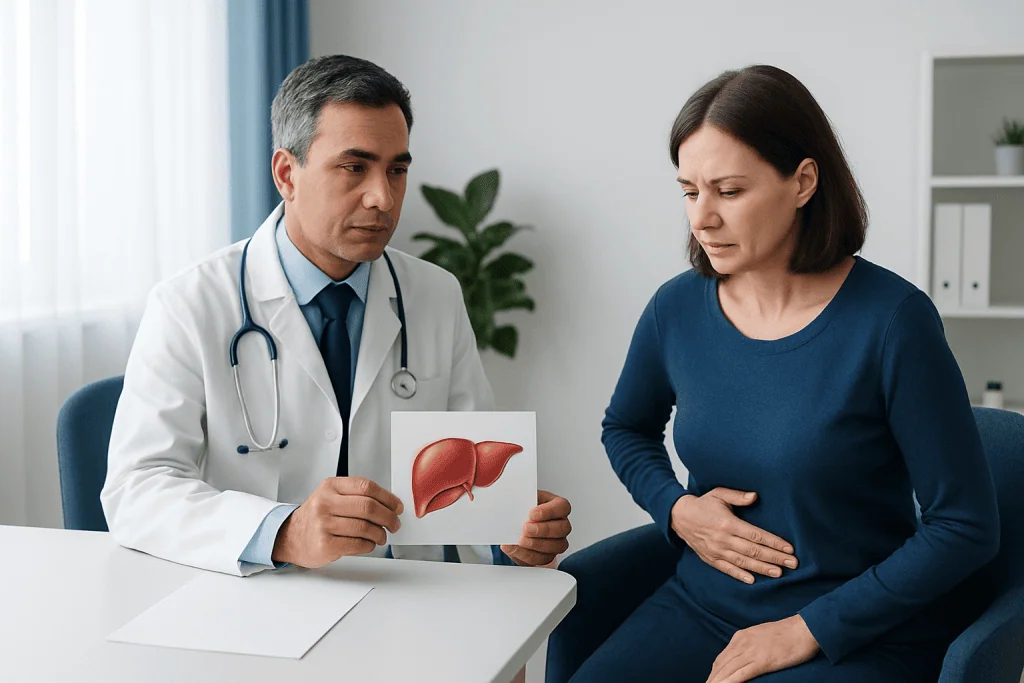
The most common causes of hepatomegaly enlarged liver are fatty liver disease, alcohol-related liver disease, and viral hepatitis. In fatty liver disease, extra fat builds up in liver cells and can lead to inflammation. This is more likely in people with obesity, type 2 diabetes, high cholesterol, or metabolic syndrome.
Other liver-specific causes include autoimmune liver disease, medication-related liver injury, cysts, benign growths, and liver cancer. Some infections, including hepatitis viruses, can make the liver inflamed and enlarged. Inherited or storage disorders, although less common, may also be responsible.
Not all enlarged livers are caused by primary liver disease. The liver can enlarge because of blood flow problems, especially in heart failure or conditions that cause venous congestion. Blood cancers, generalized infections, and inflammatory diseases may also involve the liver.
Risk factors that increase the chance of liver enlargement include regular heavy alcohol use, excess body weight, diabetes, high triglycerides, exposure to hepatitis viruses, certain medicines or supplements, and family history of some metabolic disorders. A careful history helps narrow down the likely causes and guides which tests are needed next.
How doctors diagnose an enlarged liver
Diagnosis begins with a medical history and physical exam. A clinician may ask about symptoms, alcohol intake, current medications, herbal products, travel, viral hepatitis risks, family history, and related conditions such as diabetes or heart disease. During the exam, the liver may sometimes be felt below the right rib cage.
Blood tests are commonly used to assess liver health and look for clues to the cause. These may include liver enzymes, bilirubin, albumin, clotting tests, complete blood count, and tests for viral hepatitis or autoimmune conditions. Blood sugar and lipid testing can also help if fatty liver disease is suspected.
Imaging is often essential. Ultrasound is usually the first test because it is widely available and can show liver size, fatty change, cysts, masses, or signs of congestion. In some cases, doctors may recommend more detailed MRI scanning or CT imaging to better characterize abnormal findings.
If the cause remains unclear, further evaluation may include elastography to estimate liver stiffness, echocardiography if heart failure is suspected, or occasionally a liver biopsy to examine liver tissue directly. A biopsy is not needed for everyone, but it can be helpful when imaging and blood tests do not fully explain the enlargement.
Treatment options and what recovery depends on
There is no single treatment for hepatomegaly enlarged liver because treatment depends on the underlying condition. If fatty liver disease is the cause, doctors usually focus on gradual weight loss, healthy eating, regular physical activity, and control of diabetes, cholesterol, and blood pressure. If alcohol is contributing, stopping alcohol is a key step.
When viral or autoimmune hepatitis is present, treatment may include medicines that target inflammation or infection. If the liver is enlarged because of heart failure or congestion, treatment focuses on improving the heart condition and reducing fluid overload. For medication-related liver injury, a clinician may stop or change the suspected drug when safe to do so.
Some people need specialist procedures or surgery, especially if imaging finds a mass, blocked bile ducts, or advanced liver disease. If a suspicious lesion is found, further work-up may involve liver cancer treatment planning through a multidisciplinary team. In advanced cases with severe liver failure, transplant evaluation may be discussed.
Recovery varies widely. Mild fatty liver may improve over time with lifestyle measures, while chronic hepatitis or cirrhosis often needs long-term monitoring. Follow-up blood tests and imaging help doctors see whether the liver size is returning toward normal and whether liver function is stable.
Prevention and self-care that support liver health
Some causes of hepatomegaly enlarged liver can be prevented or their progression slowed. A balanced eating pattern, regular exercise, and maintaining a healthy weight support liver health and lower the risk of fatty liver disease. Managing diabetes, blood pressure, and cholesterol is also important.
Alcohol intake matters. People with known liver disease are often advised to avoid alcohol completely unless a doctor gives different guidance. Medicines, supplements, and herbal products should be used carefully, since some can harm the liver, especially when mixed with alcohol or taken in excess.
Vaccination and infection prevention can also help. Hepatitis A and B vaccination may be recommended for some people. Avoiding needle sharing, practicing safer sex, and using reputable tattoo and piercing services can reduce exposure to hepatitis viruses. Routine checkups are helpful for those with risk factors or previous abnormal liver tests.
- Choose a diet rich in vegetables, fruits, whole grains, and lean protein
- Stay physically active most days of the week
- Limit or avoid alcohol
- Use medicines only as directed
- Keep chronic conditions well controlled
- Attend follow-up appointments and repeat testing when advised
When to seek medical care
Medical care is appropriate if there is persistent pain or fullness under the right ribs, unexplained fatigue, bloating, nausea, poor appetite, or abnormal liver tests. Even mild symptoms are worth discussing if they continue or occur together with risk factors such as heavy alcohol use, diabetes, obesity, or a history of hepatitis.
Prompt evaluation is especially important if jaundice, dark urine, pale stools, fever, marked abdominal swelling, leg swelling, vomiting, easy bruising, or unexplained weight loss develops. These symptoms can suggest significant liver dysfunction or another condition that needs timely treatment.
Emergency care may be needed for confusion, severe abdominal pain, fainting, vomiting blood, or black stools. These can signal serious complications and should not be ignored.
Patients often benefit from coordinated care involving gastroenterology, hepatology, radiology, cardiology, or oncology depending on the cause. Near the end of the diagnostic journey, some international patients choose centers such as Acibadem International, where multidisciplinary specialists in JCI-accredited hospitals evaluate and treat liver conditions using individualized plans.
Frequently asked questions
Is hepatomegaly enlarged liver the same as liver disease?
No. Hepatomegaly enlarged liver describes a physical finding, not a final diagnosis. It means the liver is larger than normal, and the next step is to find the reason for that change.
Can an enlarged liver go back to normal?
Sometimes it can, especially when the cause is identified early and treated. For example, fatty liver related to weight gain or alcohol may improve with lifestyle changes and medical follow-up. Recovery depends on whether there is ongoing inflammation or permanent scarring.
Does an enlarged liver always cause pain?
No, many people have no pain at all. Some feel pressure, fullness, or mild discomfort in the upper right abdomen, but others only learn about it through an examination or imaging test.
What tests are usually done for hepatomegaly enlarged liver?
Doctors often start with a physical exam, blood tests, and an ultrasound. Depending on the findings, they may add tests for hepatitis, autoimmune disease, heart problems, or more detailed imaging such as CT or MRI. A liver biopsy is only needed in selected cases.
Is hepatomegaly enlarged liver a sign of cancer?
Usually not. Common causes are fatty liver disease, hepatitis, alcohol-related liver disease, or congestion from heart problems. However, imaging and blood tests are important because tumors or blood-related conditions can sometimes cause liver enlargement.
What foods are best if someone has an enlarged liver?
In general, a balanced diet with vegetables, fruits, whole grains, legumes, and lean protein supports liver health. Limiting sugary drinks, highly processed foods, and alcohol is often recommended. A doctor or dietitian can tailor advice to the underlying cause.
This article is for general information only and is not a substitute for professional medical advice. Please consult a qualified doctor about your individual situation.
Explore treatments in Turkey — costs, top hospitals & a free quote
JCI-accredited · board-certified surgeons · reply within 24h
Add us as a Preferred Source to see more of our trusted health content across Google Search, AI Overviews and Discover.
Check your numbers in seconds
BMI, calories, due date, blood pressure and 30+ more clinical calculators — free, instant, doctor-reviewed ranges.

More from the Health Library

Ground Turkey: What Patients Need to Know

Ice for Sore Neck: A Complete Medical Overview
Understanding Mammogram Results and Follow-Up Care

Plain Greek Yogurt: What Patients Need to Know

Zetia: What Patients Need to Know