Herpangina Treatment: How It Works, Results and What to Expect

Herpangina is usually a short-lived viral illness that commonly affects children. Treatment focuses on hydration, rest, and age-appropriate pain or fever relief recommended by a clinician.
Key Takeaways
- Herpangina is usually a short-lived viral illness that commonly affects children.
- Treatment focuses on hydration, rest, and age-appropriate pain or fever relief recommended by a clinician.
- Antibiotics do not treat herpangina because it is caused by viruses.
- Mouth sores and fever generally improve within 7 to 10 days.
- Children may spread the virus most easily early in illness, but hygiene remains important after symptoms improve.
- Urgent assessment is needed for signs of dehydration, breathing difficulty, severe lethargy, or an inability to swallow fluids.
Herpangina treatment is supportive: it aims to keep the child comfortable, prevent dehydration, and manage fever or mouth pain while the viral infection resolves. Most children improve without specific antiviral treatment, but medical assessment is important if they cannot drink, seem unusually unwell, or develop concerning symptoms.
Herpangina treatment: how it works
Herpangina treatment does not remove the virus directly. Instead, it supports the body while the immune system clears the infection. The main goals are to ease painful mouth or throat sores, reduce fever when it is causing discomfort, and make sure the child drinks enough fluid to avoid dehydration.
Herpangina is most often caused by enteroviruses, including coxsackieviruses. It can cause a sudden fever, sore throat, and small blister-like sores or ulcers toward the back of the mouth. Although the sores can look uncomfortable, the infection is usually self-limiting, meaning it improves on its own with time.
A clinician may recommend age- and weight-appropriate medicines for pain or fever, along with practical measures such as cool drinks and soft foods. Antibiotics are not useful for uncomplicated herpangina because they treat bacterial infections, not viruses. Antiviral medicines are not routinely needed for typical cases.
Who benefits from supportive care and medical review?

Most otherwise healthy children and adults with mild symptoms can recover with supportive care at home. Young children may need extra help with drinking because mouth pain can make swallowing unpleasant. Infants, children with chronic health conditions, and people with weakened immune systems should be assessed promptly if symptoms are significant or do not follow the expected course.
The most important practical question is whether the person can maintain hydration. A child who takes small, frequent sips and continues to urinate regularly can often be monitored at home. A child who refuses all fluids, has a very dry mouth, cries without tears, or has notably fewer wet diapers or trips to the toilet may need medical evaluation.
Doctors also consider whether another condition may be causing the symptoms. Examination of the mouth, throat, skin, and general condition helps distinguish herpangina from other childhood illnesses that can involve fever, sore throat, or mouth ulcers.
What happens during assessment and treatment?
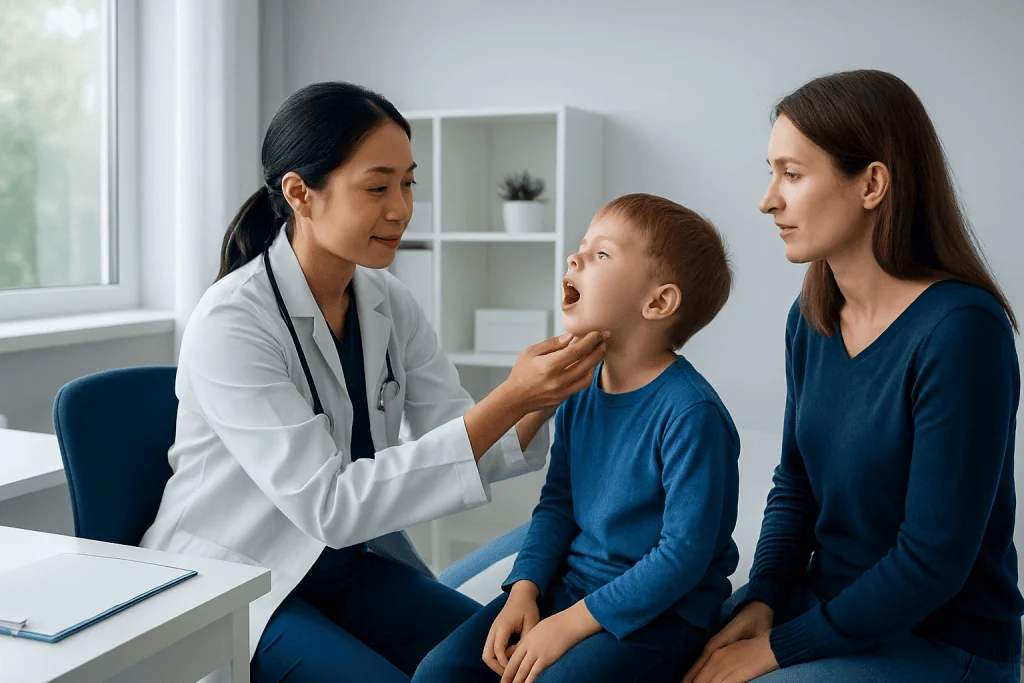
There is no procedure required for routine herpangina treatment. A doctor generally begins by asking when symptoms started, whether there has been contact with sick people, how much the child is drinking, and whether there are signs of dehydration. The mouth and throat are examined for the typical small sores at the back of the mouth, and the clinician may check the ears, neck, skin, lungs, and abdomen.
Laboratory testing is usually unnecessary when the symptoms and examination are typical. Tests may be considered if the illness is severe, the diagnosis is uncertain, or the person has a condition that raises the risk of complications. The treatment plan is then tailored to symptoms and the person’s age and overall health.
Supportive steps often include offering cool water, oral rehydration solution, ice pops, or other non-acidic fluids in frequent small amounts. Soft foods may be easier to tolerate. Acidic, salty, spicy, or rough foods can sting mouth sores and may be avoided temporarily. A pharmacist or clinician can advise which pain-relief option is appropriate for the child’s age and health history.
- Encourage regular fluids rather than large drinks all at once.
- Offer soft, cool foods only if the child wants to eat; fluids are the first priority.
- Use only medicines recommended for the child’s age and circumstances.
- Do not give aspirin to children or teenagers with viral illnesses because of the risk of Reye syndrome.
Recovery timeline, benefits and possible concerns
The benefit of supportive treatment is improved comfort and a lower risk of dehydration while the illness runs its course. Fever often settles within a few days, while throat pain and mouth sores may take longer to fully resolve. Rest is helpful, but most children can gradually return to normal activities once they feel better and are drinking well.
The main concern is not usually the mouth sores themselves but reduced fluid intake. Dehydration can develop more quickly in babies and young children, particularly if fever, vomiting, or painful swallowing are present. Rarely, enterovirus infections can be associated with more serious illness, so a child’s overall behavior and alertness are important to monitor.
Some over-the-counter products marketed for mouth pain are not suitable for young children. Numbing gels or sprays may carry risks, can interfere with swallowing, or may be harmful if used incorrectly. A qualified clinician or pharmacist should be asked before using topical mouth products, especially for infants and toddlers.
How long does it take for herpangina to clear up?
Herpangina commonly clears within 7 to 10 days. Fever may improve sooner, often over the first few days, while mouth sores can remain tender until they heal. Recovery can vary depending on the child’s age, fluid intake, and the specific virus involved.
A child should gradually become more comfortable, more alert, and better able to drink as recovery progresses. If fever persists, symptoms worsen after initial improvement, or mouth pain prevents drinking, a doctor should reassess the situation. This helps identify dehydration or another illness that may need different care.
How long is a child with herpangina contagious?
A child with herpangina is generally most contagious during the first several days of illness, especially when fever and active respiratory or oral symptoms are present. The viruses that cause herpangina can spread through saliva, respiratory droplets, stool, and contaminated hands or surfaces.
Enteroviruses may continue to be present in stool for weeks after a child feels well. This does not mean a child must stay home for weeks, but it does make careful handwashing after toilet use or diaper changes especially important. Cleaning frequently touched surfaces and not sharing cups, utensils, towels, or toothbrushes can also reduce spread.
What can be mistaken for herpangina?
Several illnesses can resemble herpangina. Hand, foot, and mouth disease is caused by related viruses and can also produce mouth sores, but it more often includes a rash or blisters on the hands, feet, buttocks, or other skin areas. Some children have overlapping features, so a clinician may use the term enteroviral illness when the presentation is not completely typical.
Other possibilities include strep throat, viral pharyngitis, cold sores caused by herpes simplex virus, aphthous ulcers, chickenpox, and, less commonly, more serious infections affecting the mouth or throat. Strep throat usually does not produce the small blisters at the back of the mouth typical of herpangina, but testing may be considered when symptoms suggest a bacterial infection.
A professional assessment is particularly helpful if there is a widespread rash, severe gum inflammation, repeated vomiting, neck stiffness, trouble opening the mouth, or symptoms that are not improving as expected.
Does herpangina need quarantine and when should medical care be sought?
Herpangina does not usually require formal quarantine. However, a child should remain home from school, nursery, or daycare while they have a fever, feel too unwell to participate, or need more care than staff can safely provide. Local school, daycare, and public-health policies should also be followed.
Good infection-control measures are more useful than prolonged exclusion. Hands should be washed carefully with soap and water, particularly after diaper changes and before preparing food. The child should avoid close contact such as kissing, and should not share food, drinks, utensils, or personal items while unwell.
Medical care should be sought promptly if a child cannot drink enough, has signs of dehydration, has trouble breathing or swallowing, becomes unusually sleepy or difficult to wake, has severe headache or neck stiffness, develops seizures, or appears seriously unwell. A doctor should also be contacted for symptoms in a very young infant, persistent high fever, or illness that is not improving within the expected timeframe.
Acibadem International’s multidisciplinary specialists and JCI-accredited hospitals can assess fever, sore throat, dehydration concerns, and related pediatric infections for international patients when medical evaluation is needed.
Frequently asked questions
Is there a cure for herpangina?
There is no routine cure that directly eliminates the viruses that cause herpangina. Treatment supports recovery with fluids, rest, and appropriate relief of pain or fever. Most people recover fully without specific antiviral medicine.
Do antibiotics help herpangina?
No. Herpangina is usually caused by enteroviruses, and antibiotics only work against bacterial infections. A doctor may prescribe antibiotics only if they identify a separate bacterial infection.
What should a child drink with herpangina?
Cool water, oral rehydration solution, milk if tolerated, and ice pops may be easier to take when the throat is painful. Small, frequent sips can be more manageable than a full cup. Acidic drinks, such as some fruit juices, can sting mouth sores.
Can adults get herpangina?
Yes, adults can get herpangina, although it is more common in children. Adults may have mild symptoms or no symptoms but can still spread the virus. Handwashing and avoiding shared eating utensils are sensible precautions around a sick child.
Can a child return to school or daycare with herpangina?
A child can usually return when they are fever-free, feel well enough to take part, and can manage their usual care needs. Because viruses may remain in stool after recovery, continued careful handwashing is important. Families should also follow their school, daycare, and local public-health guidance.
When is herpangina an emergency?
Emergency assessment is needed for breathing difficulty, inability to swallow fluids, severe dehydration, seizures, confusion, extreme sleepiness, or signs of severe illness. Babies and children with weakened immune systems may need earlier medical review. If a caregiver is worried about a child’s condition, contacting a healthcare professional is appropriate.
References
- Centers for Disease Control and Prevention
- American Academy of Pediatrics
- National Health Service
- World Health Organization
This article is for general information only and is not a substitute for professional medical advice. Please consult a qualified doctor about your individual situation.
Angina in Turkey — costs, top hospitals & a free quote
JCI-accredited · board-certified surgeons · reply within 24h
Add us as a Preferred Source to see more of our trusted health content across Google Search, AI Overviews and Discover.