Hhs Diabetes: A Complete Medical Overview

HHS diabetes is a medical emergency that causes very high blood sugar and severe dehydration. It most often affects people with type 2 diabetes, especially during illness, infection, or missed treatment.
Key Takeaways
- HHS diabetes is a medical emergency that causes very high blood sugar and severe dehydration.
- It most often affects people with type 2 diabetes, especially during illness, infection, or missed treatment.
- Common warning signs include extreme thirst, frequent urination, weakness, confusion, and drowsiness.
- Diagnosis relies on blood tests, urine tests, and evaluation for triggers such as infection or heart problems.
- Treatment usually includes intravenous fluids, careful insulin use, and correction of electrolyte imbalances.
- Good sick-day planning, regular glucose monitoring, and prompt medical advice can help prevent HHS.
HHS diabetes, also called hyperosmolar hyperglycemic state, is a serious diabetes emergency marked by extremely high blood sugar, profound dehydration, and changes in alertness, usually without major ketone buildup. It requires urgent hospital care, but early recognition and treatment can greatly improve recovery.
Overview: What Is HHS Diabetes?
HHS diabetes refers to hyperosmolar hyperglycemic state, a severe complication of diabetes in which blood sugar rises to dangerously high levels and the body becomes profoundly dehydrated. It most often occurs in people with type 2 diabetes, although it can develop in others under certain circumstances. Unlike diabetic ketoacidosis, HHS usually involves little or no significant ketone buildup, but it can still be life-threatening.
The term “hyperosmolar” describes what happens when the blood becomes highly concentrated because of extreme glucose levels and water loss. As glucose rises, the kidneys try to remove the extra sugar through urine. This leads to large fluid losses, which can quickly worsen dehydration, reduce blood pressure, and affect the brain, kidneys, and other organs.
HHS often develops over days rather than hours, which means symptoms may be mistaken for simple illness, fatigue, or worsening diabetes control. This slower onset can delay care. Because mental status changes can occur as dehydration worsens, family members or caregivers are sometimes the first to notice that something is seriously wrong.
Understanding HHS as an emergency rather than “just high blood sugar” is important. Prompt treatment in hospital can restore fluids, correct glucose levels safely, identify the trigger, and reduce the risk of complications.
Symptoms and Early Warning Signs
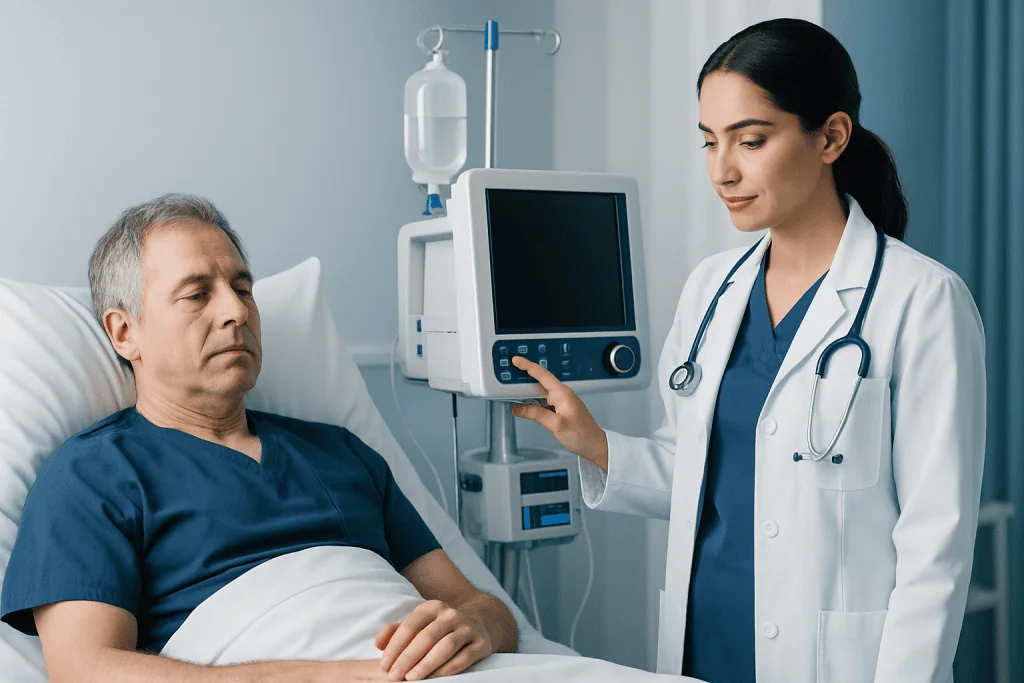
The symptoms of HHS diabetes often begin with signs of rising blood sugar and dehydration. A person may feel extremely thirsty, need to urinate more often, have a very dry mouth, or notice increasing tiredness. Some people also develop blurry vision, headache, leg cramps, or general weakness.
As dehydration becomes more severe, symptoms can become more concerning. Dizziness, fast heartbeat, low blood pressure, and reduced urination may occur. Skin may feel dry, and the person may appear unusually sleepy or less responsive than usual.
Changes in thinking and behavior are especially important warning signs. Confusion, trouble concentrating, slurred speech, agitation, hallucinations, or drowsiness can occur when the blood becomes very concentrated. In severe cases, seizures or coma may develop. These neurologic symptoms are one reason HHS needs urgent medical evaluation.
Symptoms may overlap with other diabetes emergencies, including diabetic ketoacidosis, but HHS tends to involve more extreme dehydration and often develops more gradually. Anyone with diabetes who has very high glucose readings plus confusion, marked weakness, or signs of dehydration should be assessed urgently.
Causes and Risk Factors

HHS usually happens when something raises blood sugar sharply or causes major fluid loss. Infection is one of the most common triggers. Pneumonia, urinary tract infections, skin infections, and other illnesses can increase stress hormones, making the body more resistant to insulin and more likely to lose water.
Other triggers include heart attack, stroke, surgery, trauma, or serious underlying illness. Some medications can also contribute, especially those that affect fluid balance or glucose control. Examples may include corticosteroids, certain diuretics, and some psychiatric or immunosuppressive medicines, depending on the person’s overall health and treatment plan.
People at higher risk often include older adults, those with type 2 diabetes that is undiagnosed or poorly controlled, and individuals who have limited access to fluids because of illness, disability, or cognitive problems. Missed diabetes medication, inadequate monitoring, and not recognizing early symptoms can also increase the likelihood of HHS.
In some cases, HHS is the first sign that a person has diabetes. In others, it develops during periods of acute illness when routine self-care becomes difficult. For people already living with type 2 diabetes, understanding personal risk factors and having a clear sick-day plan can help lower the chance of this emergency.
How HHS Diabetes Is Diagnosed
Doctors diagnose HHS by combining symptoms, physical examination, and laboratory tests. Blood glucose is usually very high, and tests often show increased blood osmolality, meaning the blood is more concentrated than normal. There is typically severe dehydration, while acid levels and ketones are absent or only mildly increased compared with diabetic ketoacidosis.
Blood tests are also used to check electrolytes such as sodium and potassium, kidney function, and signs of infection or other triggers. Urine testing may help assess glucose, ketones, and hydration status. Depending on symptoms, doctors may order imaging, heart tests, or cultures to look for conditions such as stroke, pneumonia, or heart attack.
Diagnosis is not only about confirming HHS itself but also understanding why it happened. Finding the underlying cause is essential because treatment may need to address both the high blood sugar emergency and a separate illness such as infection or cardiovascular disease.
Because HHS can affect alertness and circulation, it is usually evaluated in an emergency setting. Early laboratory monitoring is especially important because treatment must be adjusted carefully as fluid balance and glucose levels start to change.
Treatment Options and Hospital Care
HHS diabetes is treated in hospital, often in an emergency department or closely monitored unit. The first priority is usually intravenous fluid replacement to correct severe dehydration and improve circulation. Fluids are given carefully based on age, heart function, kidney function, and overall medical condition.
Insulin is typically used after initial fluid resuscitation has begun, with close monitoring to lower blood sugar gradually and safely. Electrolytes, especially potassium, are checked repeatedly because they can shift during treatment. Correcting glucose too quickly or missing electrolyte imbalances can be dangerous, which is why frequent reassessment is so important.
If an infection or another medical problem triggered HHS, that cause must be treated at the same time. This may include antibiotics for infection, medications for heart problems, or specialist care for neurologic symptoms. In some patients, treatment planning also involves diabetes treatment review to reduce the risk of recurrence after recovery.
After stabilization, the care team helps the patient transition to a longer-term management plan. This may include changes in medication, nutrition counseling, glucose monitoring, and education about warning signs. When appropriate, related supportive evaluations such as endocrinology care and a comprehensive medical check-up may help identify contributing factors and improve ongoing diabetes control.
Prevention and Everyday Self-Care
Preventing HHS diabetes depends on consistent diabetes management and early action during illness. Regular blood glucose monitoring helps identify rising sugar levels before severe dehydration develops. People who take diabetes medications should follow their treatment plan closely and speak with a doctor before stopping or adjusting medicines on their own.
Sick-day planning is especially important. During fever, infection, vomiting, or reduced appetite, blood sugar can rise unexpectedly. A practical plan usually includes checking glucose more often, drinking fluids regularly if possible, knowing when to check ketones if advised, and understanding which symptoms mean medical help is needed.
Good hydration matters, particularly for older adults who may not feel thirst as strongly. Family members and caregivers can play an important role by noticing reduced fluid intake, unusual sleepiness, confusion, or missed medications. Simple support at home can sometimes prevent a serious emergency.
Long-term prevention also includes routine diabetes follow-up, education, and managing related conditions such as kidney disease, heart disease, or infections. Near the end of recovery, some patients may benefit from multidisciplinary support. Acibadem International’s specialists in JCI-accredited hospitals diagnose and treat diabetes-related emergencies and provide follow-up care for international patients when needed.
When to Seek Medical Care
Urgent medical care is needed if a person with diabetes has very high blood sugar along with severe thirst, repeated urination, vomiting, extreme weakness, shortness of breath, confusion, or unusual drowsiness. Care should not be delayed if the person cannot keep fluids down, seems disoriented, or is difficult to wake.
Emergency care is also important when glucose remains very high despite usual treatment, or when there are signs of infection such as fever, shaking chills, painful urination, cough, or worsening skin redness. These triggers can rapidly worsen dehydration and push blood sugar higher.
Even milder symptoms deserve prompt advice from a doctor if they are new or worsening. Early evaluation can sometimes prevent HHS from progressing. Patients and caregivers should keep emergency contact numbers, medication lists, and recent glucose readings available, especially during illness or travel.
Anyone who has recovered from HHS should arrange follow-up medical care. Review of the trigger, medication plan, hydration strategy, and home monitoring routine can help reduce the chance of another episode and improve overall diabetes safety.
Frequently asked questions
What does HHS mean in diabetes?
HHS stands for hyperosmolar hyperglycemic state. It is a serious diabetes emergency in which blood sugar becomes extremely high and the body loses a large amount of water, leading to severe dehydration and possible confusion or reduced consciousness.
Is HHS the same as diabetic ketoacidosis?
No. Both are diabetes emergencies, but HHS usually causes more severe dehydration and much higher blood sugar, while diabetic ketoacidosis involves more significant ketone and acid buildup. Some symptoms can overlap, so medical testing is needed to tell them apart and guide treatment.
Who is most likely to develop HHS diabetes?
HHS is most common in people with type 2 diabetes, especially older adults and those who are ill, dehydrated, or unable to manage fluids and medications well. It may also happen in people whose diabetes is undiagnosed or poorly controlled, particularly during infection or another major stress on the body.
Can HHS diabetes be treated at home?
No, HHS should not be managed at home. It requires urgent medical care with intravenous fluids, blood tests, and close monitoring of glucose and electrolytes. Delaying hospital treatment can increase the risk of serious complications.
How long does recovery from HHS take?
Recovery time varies depending on how severe the dehydration is and what triggered the episode. Many people begin improving with hospital treatment, but full recovery may take longer if there is an infection, kidney strain, or ongoing diabetes management issues that also need attention.
Can HHS happen again?
Yes, HHS can recur if the underlying causes are not addressed. Follow-up care, medication review, regular glucose monitoring, hydration, and a clear sick-day plan can all help reduce the risk of another episode.
This article is for general information only and is not a substitute for professional medical advice. Please consult a qualified doctor about your individual situation.
Explore treatments in Turkey — costs, top hospitals & a free quote
JCI-accredited · board-certified surgeons · reply within 24h
Add us as a Preferred Source to see more of our trusted health content across Google Search, AI Overviews and Discover.
Check your numbers in seconds
BMI, calories, due date, blood pressure and 30+ more clinical calculators — free, instant, doctor-reviewed ranges.

More from the Health Library

Menarche: A Complete Medical Overview

Holy Basil: What Patients Need to Know

Opthalmology: An Evidence-Based Guide for Patients

Prozac Withdrawal — Explained by Medical Evidence, Not Myths

Aphenphosmphobia: An Evidence-Based Guide for Patients