High Functioning Depression: What Patients Need to Know

High functioning depression often refers to persistent depressive symptoms in someone who still appears productive or capable. A person may seem successful or organized while quietly struggling with low mood, fatigue, hopelessness, or loss of pleasure.
Key Takeaways
- High functioning depression often refers to persistent depressive symptoms in someone who still appears productive or capable.
- A person may seem successful or organized while quietly struggling with low mood, fatigue, hopelessness, or loss of pleasure.
- Depression is diagnosed through a clinical evaluation, not by outward appearance alone.
- Effective treatment may include psychotherapy, lifestyle support, medication, or a combination of approaches.
- Seeking help early can reduce symptoms, improve daily functioning, and lower the risk of worsening depression.
High functioning depression is not a formal medical diagnosis, but it commonly describes a person who keeps up with work, school, or family responsibilities while living with ongoing depressive symptoms. Because it can look like coping from the outside, it is often missed or minimized, even though it can significantly affect quality of life.
What high functioning depression means
High functioning depression usually refers to a pattern of depression in which a person continues to meet daily responsibilities while feeling emotionally unwell. They may go to work, care for family, study, socialize, and appear organized, yet still experience persistent sadness, emptiness, low motivation, or self-criticism. The phrase is widely used in everyday conversation, but it is not an official diagnostic term on its own.
In many cases, what people call high functioning depression overlaps with depression or persistent depressive disorder, a longer-lasting form of depressed mood. Some people have mild but ongoing symptoms for years, while others experience a combination of chronic low mood and episodes of more severe depression. Because functioning is still partly preserved, the condition may be overlooked by others and by the person themselves.
This matters because productivity does not rule out illness. A person can be successful, dependable, and active while still struggling internally. Recognizing this difference can help reduce shame and encourage earlier support.
Signs and symptoms that may be easy to miss
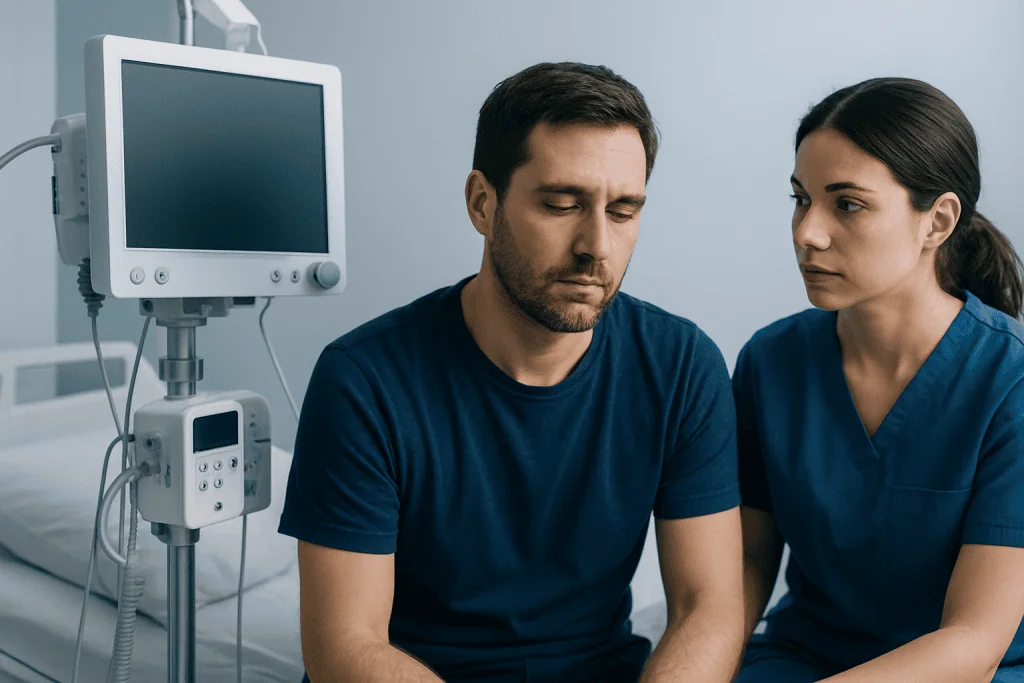
The symptoms of high functioning depression may be subtle compared with severe depression, but they are still real and distressing. Many people describe feeling as though they are always pushing through the day rather than enjoying it. They may smile, meet deadlines, and continue routines while feeling emotionally flat or mentally exhausted.
Common symptoms can include:
- Persistent low mood or sadness
- Loss of interest or reduced pleasure in activities
- Fatigue or low energy, even after rest
- Changes in sleep, such as insomnia or oversleeping
- Changes in appetite or weight
- Poor concentration or indecisiveness
- Irritability or increased sensitivity to stress
- Feelings of worthlessness, guilt, or harsh self-judgment
- Social withdrawal despite appearing outwardly engaged
Some people with this pattern become highly perfectionistic and use achievement to compensate for how they feel inside. Others keep busy to avoid noticing their symptoms. Over time, this can lead to burnout, strained relationships, and worsening mental health.
Depression can also appear alongside anxiety, making the picture more complex. A person may seem driven and productive while also carrying excessive worry, tension, or restlessness, which can further hide the underlying depression.
Why it happens and who may be at risk

Depression does not have one single cause. It usually develops through a combination of biological, psychological, and social factors. Genetics can increase vulnerability, and changes in brain chemistry and stress response may also play a role. Life experiences such as chronic stress, grief, trauma, relationship difficulties, social isolation, or financial pressure can contribute as well.
People who are often described as high functioning may be less likely to seek help because they are used to coping independently. Personality traits such as perfectionism, high self-expectations, people-pleasing, or fear of seeming weak can lead someone to minimize symptoms. In some families or workplaces, emotional distress is especially hard to acknowledge, which can delay care.
Other health conditions may affect mood too. Sleep problems, chronic pain, hormonal changes, certain neurological conditions, and some medications can contribute to depressive symptoms. This is one reason a full medical and mental health evaluation is important rather than assuming that low mood is simply a personality trait or a stressful phase.
How doctors diagnose it
There is no laboratory test that confirms high functioning depression by itself. Diagnosis is based on a careful clinical assessment of symptoms, their duration, how they affect daily life, and whether they fit a recognized depressive disorder such as major depressive disorder or persistent depressive disorder. A doctor or mental health professional will usually ask about mood, sleep, energy, concentration, appetite, work performance, relationships, and any thoughts of self-harm.
Because someone may still appear capable, clinicians look beyond external success and focus on internal distress. Standard screening questionnaires may be used, but they do not replace a professional evaluation. The main goal is to understand whether symptoms are consistent with depression and to rule out other causes such as substance use, thyroid problems, sleep disorders, or grief.
It can help to describe not just what gets done in a day, but how much effort it takes. For example, a person may be performing well at work but feeling numb, tearful, exhausted, or unable to enjoy anything afterward. Sharing these details can make the assessment more accurate and more useful.
Treatment options and what recovery can look like
Treatment depends on symptom severity, duration, personal history, and patient preference. Many people benefit from psychotherapy, especially approaches such as cognitive behavioral therapy, interpersonal therapy, or other structured talk therapies. These treatments can help identify negative thought patterns, improve coping skills, and address relationship or stress-related triggers. For some patients, support may begin through a psychiatric evaluation and ongoing psychiatric care.
Medication may also be appropriate, particularly when symptoms are persistent, moderate to severe, or not improving with therapy alone. Antidepressants are commonly used under medical supervision, and treatment decisions should be individualized. In some cases, combined care works best, such as psychotherapy together with depression treatment tailored to the patient’s needs.
Lifestyle measures can support recovery, although they are not a substitute for professional care when depression is significant. Helpful steps may include regular sleep, consistent meals, physical activity, limiting alcohol, staying connected with supportive people, and making space for rest rather than constant performance. If emotional stress, trauma, or severe anxiety are part of the picture, additional psychological support may be recommended.
Recovery does not always mean feeling better immediately. Improvement is often gradual, with fewer bad days, more emotional flexibility, and less effort needed to get through ordinary tasks. The goal is not simply to keep functioning, but to regain well-being, motivation, and enjoyment in life.
Self-care, daily coping, and preventing worsening symptoms
When depression is hidden behind routine, self-care often becomes overly practical rather than restorative. A person may focus on getting everything done while ignoring sleep, emotional needs, and downtime. Creating a steadier daily rhythm can help reduce stress on the nervous system and make symptoms easier to notice before they deepen.
Helpful day-to-day strategies include:
- Keeping a regular sleep and wake schedule
- Breaking tasks into smaller, realistic steps
- Scheduling pleasant or meaningful activities, even briefly
- Reducing perfectionistic expectations
- Checking in with a trusted friend, relative, or therapist
- Limiting alcohol and recreational drugs, which can worsen mood
- Tracking mood changes, energy, and triggers in a journal or app
It is also useful to challenge the idea that needing help means failure. Many people with high functioning depression are skilled at meeting others’ needs but reluctant to make room for their own. Early support can prevent worsening symptoms and may reduce the risk of a more severe depressive episode later on.
When to seek medical care
Medical care is appropriate when low mood, hopelessness, fatigue, irritability, or loss of interest lasts for more than two weeks, keeps returning, or starts to affect work, relationships, sleep, eating, or physical health. It is also important to seek help if daily functioning looks intact on the surface but requires extreme effort or leaves the person emotionally depleted.
Urgent help is needed if there are thoughts of self-harm, suicide, or feeling that life is not worth living. In that situation, the person should contact local emergency services, a crisis line, or go to the nearest emergency department right away. Safety comes first.
A qualified doctor or mental health professional can assess symptoms, look for contributing medical issues, and suggest the most suitable treatment plan. Near the end of the care pathway, some patients may choose centers with coordinated mental health services; Acibadem International’s multidisciplinary specialists and JCI-accredited hospitals diagnose and treat mental health conditions for international patients.
Frequently asked questions
Is high functioning depression a real diagnosis?
High functioning depression is a commonly used term, but it is not a formal diagnosis by itself. Doctors usually evaluate whether symptoms fit conditions such as major depressive disorder or persistent depressive disorder.
Can someone have depression and still do well at work or school?
Yes. Many people with depression continue to meet responsibilities, especially if they are highly disciplined or feel pressure to perform. Outward productivity does not mean they are emotionally well.
How is high functioning depression different from ordinary stress?
Stress usually relates to specific pressures and may ease when the situation improves. Depression tends to involve a more persistent change in mood, energy, motivation, and enjoyment, and it can continue even when life looks manageable.
What are early warning signs that symptoms are getting worse?
Warning signs can include increasing exhaustion, withdrawing from loved ones, sleeping much more or less than usual, losing interest in previously enjoyable activities, or feeling more hopeless. If symptoms are becoming harder to hide or cope with, a professional assessment is a good next step.
Can therapy help if the depression seems mild?
Yes. Therapy can be helpful even when symptoms seem mild, especially if they are ongoing or affecting quality of life. Early treatment may prevent symptoms from becoming more severe and can improve daily coping.
When should a person seek urgent help?
Urgent help is needed if there are thoughts of suicide, self-harm, or not wanting to live. In that situation, the safest step is to contact emergency services, a crisis resource, or go to the nearest emergency department immediately.
This article is for general information only and is not a substitute for professional medical advice. Please consult a qualified doctor about your individual situation.
Depression in Turkey — costs, top hospitals & a free quote
JCI-accredited · board-certified surgeons · reply within 24h
Add us as a Preferred Source to see more of our trusted health content across Google Search, AI Overviews and Discover.

More from the Health Library

Signs Perimenopause Is Ending: A Complete Medical Overview

Lower Chest Development Exercises — Explained by Medical Evidence, Not Myths
Cold Compress for Eye Redness — Explained by Medical Evidence, Not Myths

Fracture: What Patients Need to Know

Carob Powder — Explained by Medical Evidence, Not Myths