Signs Perimenopause Is Ending: A Complete Medical Overview

Menopause is confirmed after 12 consecutive months without a menstrual period when no other cause explains the absence of periods. Periods becoming widely spaced, lighter, heavier, or unpredictable can occur as perimenopause approaches its end.
Key Takeaways
- Menopause is confirmed after 12 consecutive months without a menstrual period when no other cause explains the absence of periods.
- Periods becoming widely spaced, lighter, heavier, or unpredictable can occur as perimenopause approaches its end.
- Hot flashes, sleep changes, vaginal dryness, and mood changes may continue into menopause, improve, or begin after periods stop.
- Hormone blood tests are usually not needed to diagnose menopause in people aged 45 or older with typical symptoms.
- Bleeding after menopause, very heavy bleeding, or bleeding with concerning symptoms should be assessed by a clinician.
Perimenopause ends when a person has gone 12 consecutive months without a menstrual period and has reached menopause. While periods often become increasingly irregular beforehand, symptoms and timing vary widely, so the transition can only be confirmed in retrospect for most people.
Overview: How Perimenopause Ends
The clearest of the signs perimenopause is ending is a final menstrual period followed by 12 months with no bleeding or spotting. At that point, menopause is diagnosed. Because no test can reliably identify the final period at the time it happens, most people only know perimenopause has ended after looking back over a full year without periods.
Perimenopause is the natural transition leading to menopause, when ovarian hormone production becomes less predictable and gradually declines. It commonly begins in the 40s, although timing differs considerably. Menopause often occurs between ages 45 and 55, but it may happen earlier or later depending on individual health, family history, surgery, medicines, or medical treatments.
The transition does not follow one fixed pattern. Some people have several years of irregular cycles and noticeable symptoms, while others have a shorter transition or relatively few symptoms. A changing cycle alone does not confirm menopause, and symptoms may persist after menstrual periods have stopped.
Changes That May Suggest the Transition Is Nearing Its End
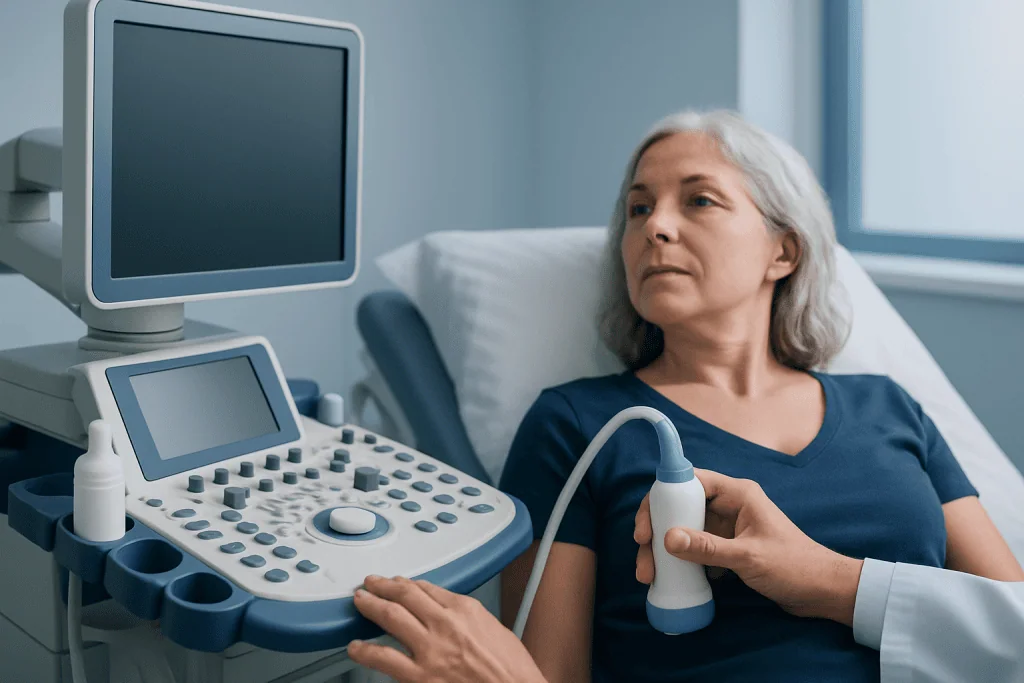
Menstrual changes are often the most useful practical clue. Periods may come farther apart, with gaps of 60 days or longer, before stopping altogether. Flow may be lighter or heavier than usual, and the duration of bleeding may change. A final period can occur after months of unpredictable cycles, but there is no reliable way to identify it in advance.
Vasomotor symptoms, commonly called hot flashes and night sweats, may become more frequent during late perimenopause. They can interrupt sleep and contribute to tiredness, difficulty concentrating, or irritability. However, their intensity does not show exactly how close someone is to menopause: they may improve, continue for years, or first appear after periods have ended.
Other changes may include vaginal dryness, discomfort during sex, urinary urgency, sleep disturbance, headaches, joint aches, mood shifts, and changes in sexual desire. These symptoms can have other causes as well, including stress, thyroid disorders, medication effects, and sleep problems. A clinician can help assess symptoms in their full context.
- Increasingly long gaps between periods may occur in late perimenopause.
- Twelve months without a period is the usual criterion for menopause.
- Symptoms are variable and should not be used alone to determine whether perimenopause has ended.
Why Timing and Symptoms Differ

The main biological driver is the gradual reduction and fluctuation of estrogen production as the ovaries have fewer remaining follicles. During perimenopause, estrogen and progesterone levels can rise and fall unevenly from one cycle to the next. This variability explains why bleeding patterns and symptoms can change unexpectedly.
Genetics may influence the age at which menopause occurs. Smoking is associated with earlier menopause, while certain medical treatments can bring on menopause sooner. Removal of both ovaries causes immediate surgical menopause. Chemotherapy or pelvic radiation may affect ovarian function, although the effect can vary according to age and treatment type.
A hysterectomy that leaves the ovaries in place stops menstrual bleeding but does not necessarily cause immediate menopause. In this situation, the 12-month period rule cannot be used because there are no periods to track. Symptoms, age, medical history, and occasionally selected tests may help a clinician estimate menopausal status.
How Menopause Is Diagnosed
For people aged 45 or older with typical menstrual changes and menopausal symptoms, menopause is usually diagnosed from their history rather than laboratory testing. Keeping a record of bleeding, hot flashes, sleep changes, and other symptoms can provide useful information during an appointment. The diagnosis is generally made after 12 months without a period, provided pregnancy and other causes of absent periods are not likely.
Blood tests that measure follicle-stimulating hormone (FSH) or estrogen are not routinely needed in this age group. Hormone levels naturally fluctuate during perimenopause, so one result may not accurately indicate where someone is in the transition. Testing may be considered for people under 45 with possible early menopause, those under 40 with suspected premature ovarian insufficiency, or people whose circumstances make assessment less straightforward.
Pregnancy remains possible during perimenopause, even when cycles are irregular. People who do not wish to become pregnant should continue contraception until they have received individualized advice from a healthcare professional. Hormonal contraception can alter bleeding patterns and may make it harder to recognize when menopause has occurred.
Managing Symptoms During and After the Transition
Management is based on the symptoms that matter most to the individual, overall health, and personal preferences. Practical measures may include dressing in light layers, keeping the bedroom cool, reducing alcohol or spicy foods if they trigger hot flashes, maintaining regular physical activity, and using relaxation strategies to support sleep. These approaches may not remove symptoms completely, but many people find them helpful.
For vaginal dryness or discomfort, regular vaginal moisturizers and lubricants during sexual activity can be useful. Clinicians may also discuss local vaginal estrogen or other prescription options when appropriate. Persistent urinary symptoms, pain during sex, recurrent urinary infections, or new pelvic discomfort should be evaluated rather than self-treated indefinitely.
Menopausal hormone therapy can be an effective option for troublesome hot flashes and night sweats in some people, particularly when started near menopause. It is not suitable for everyone, and the benefits and risks depend on factors such as age, time since menopause, uterus status, medical history, and personal risk factors. Nonhormonal prescription treatments are also available for some people. A qualified clinician can help develop an individualized plan.
Health Priorities After Periods Stop
Menopause is a normal life stage, not an illness. Still, lower estrogen levels after menopause can contribute to changes in bone density and can affect cardiovascular health over time. Regular preventive care becomes especially important, including blood pressure checks, cholesterol and diabetes risk assessment when recommended, age-appropriate cancer screening, and review of vaccinations.
Weight-bearing and muscle-strengthening exercise supports bone strength, balance, mobility, and general health. A balanced eating pattern with adequate protein, calcium-rich foods, vitamin D as advised by a clinician, fruits, vegetables, and fiber can support long-term wellbeing. Avoiding tobacco and limiting alcohol can also benefit bone, heart, and overall health.
Emotional wellbeing deserves attention as well. Sleep disruption, life changes, caregiving responsibilities, and mood symptoms can overlap during midlife. Speaking with a healthcare professional, mental health professional, or trusted support network may be helpful when anxiety, low mood, or poor sleep is affecting daily life.
When to Seek Medical Care
Medical assessment is important for bleeding that is very heavy, lasts longer than usual, occurs between periods, or is accompanied by dizziness, fainting, severe pain, or symptoms of anemia such as unusual shortness of breath or marked fatigue. These symptoms may occur during perimenopause but can also be caused by conditions that need treatment, such as fibroids, polyps, thyroid disease, or anemia.
Any vaginal bleeding, spotting, or pink or brown discharge after 12 months without a period should be checked promptly. Postmenopausal bleeding is often caused by noncancerous conditions, but it should never be assumed to be part of menopause. New pelvic pain, unexplained weight loss, or persistent bloating also warrant medical advice.
People who have periods stop before age 45, or who develop menopausal symptoms before age 40, should speak with a clinician about possible early menopause or premature ovarian insufficiency. Acibadem International’s multidisciplinary specialists and JCI-accredited hospitals can assess menopausal concerns and related gynecological symptoms for international patients.
Frequently asked questions
How do you know when perimenopause is over?
Perimenopause is considered over when 12 consecutive months have passed without a menstrual period. This point is called menopause. Before then, irregular or widely spaced periods can suggest late perimenopause, but they do not confirm that periods have stopped permanently.
Can hot flashes stop when perimenopause ends?
Hot flashes may improve around menopause, but they can also continue for some time after periods stop. Some people first develop hot flashes late in perimenopause or after menopause. Their pattern and duration vary from person to person.
Is a hormone test needed to tell whether menopause has started?
Usually not for people aged 45 or older who have typical symptoms and changing periods. Hormones fluctuate during perimenopause, making single blood test results difficult to interpret. Testing may be useful in selected situations, such as possible menopause at a younger age.
Can someone get pregnant in late perimenopause?
Yes. Ovulation can still occur unpredictably while periods are irregular, so pregnancy remains possible until menopause is confirmed. Anyone wishing to avoid pregnancy should discuss ongoing contraception with a healthcare professional.
What is the difference between perimenopause and menopause?
Perimenopause is the transition before menopause, when hormones and menstrual cycles become less predictable. Menopause is a single point in time, reached after 12 months without a period. The years that follow are called postmenopause.
When is bleeding after menopause a concern?
Any bleeding or spotting after 12 months without periods should be assessed by a clinician. It is often related to noncancerous causes, but evaluation is important to identify the reason and rule out conditions needing treatment.
References
- The North American Menopause Society
- American College of Obstetricians and Gynecologists
- National Institute on Aging
- National Health Service
- World Health Organization
This article is for general information only and is not a substitute for professional medical advice. Please consult a qualified doctor about your individual situation.
Explore treatments in Turkey — costs, top hospitals & a free quote
JCI-accredited · board-certified surgeons · reply within 24h
Add us as a Preferred Source to see more of our trusted health content across Google Search, AI Overviews and Discover.

More from the Health Library



Related Specialists

Assoc. Prof. Dr. Ahmet Küçükçelebi
Aesthetic Plastic & Reconstructive Surgery
Assoc. Prof. Dr. Ferhat Demir
Pediatrics
Prof. Dr. Ahmet Öztürk
Hematology
Prof. Dr. Mehmet Ada
Otorhinolaryngology