High Platelet Count Explained: Reference Ranges and What Affects Them

A typical platelet reference range for many laboratories is about 150,000 to 450,000 platelets per microliter, but ranges can vary slightly by lab and patient context. A high platelet count is called thrombocytosis and is often reactive, meaning it occurs because of another health issue rather than a primary blood disease.
Key Takeaways
- A typical platelet reference range for many laboratories is about 150,000 to 450,000 platelets per microliter, but ranges can vary slightly by lab and patient context.
- A high platelet count is called thrombocytosis and is often reactive, meaning it occurs because of another health issue rather than a primary blood disease.
- Age, pregnancy, recent surgery, infection, inflammation, iron levels, and laboratory methods can all influence platelet results.
- One isolated abnormal result does not always mean illness; doctors usually interpret it together with symptoms, repeat testing, and the rest of the blood count.
- Medical evaluation is more important when platelet levels stay elevated, are very high, or are linked with clotting, bleeding, headaches, chest pain, or neurologic symptoms.
A high platelet count means the number of platelets in a blood test is above the usual reference range. In many people, this happens as a temporary response to another condition such as infection, inflammation, blood loss, or iron deficiency, but sometimes it needs further evaluation to rule out a bone marrow disorder.
Overview: what a high platelet count means
A high platelet count means there are more platelets in the blood than expected for the laboratory’s reference range. Platelets are small blood components that help stop bleeding by forming clots when a blood vessel is injured. In many adults, the usual reference range is roughly 150,000 to 450,000 platelets per microliter of blood, although exact cutoffs can differ slightly from one laboratory to another.
When the platelet count is above the upper limit, the finding is called thrombocytosis. This is a lab result rather than a diagnosis by itself. The most important next question is why the platelets are elevated. For many people, the rise is temporary and related to another issue such as infection, inflammation, recent surgery, blood loss, recovery from illness, or iron deficiency.
Less commonly, a high platelet count happens because the bone marrow is producing too many platelets on its own. In that situation, doctors may consider a primary blood condition. The meaning of the result depends on the number itself, whether it is persistent, whether other blood counts are also abnormal, and whether there are symptoms such as unusual clotting or bleeding.
Reference ranges and why results can vary
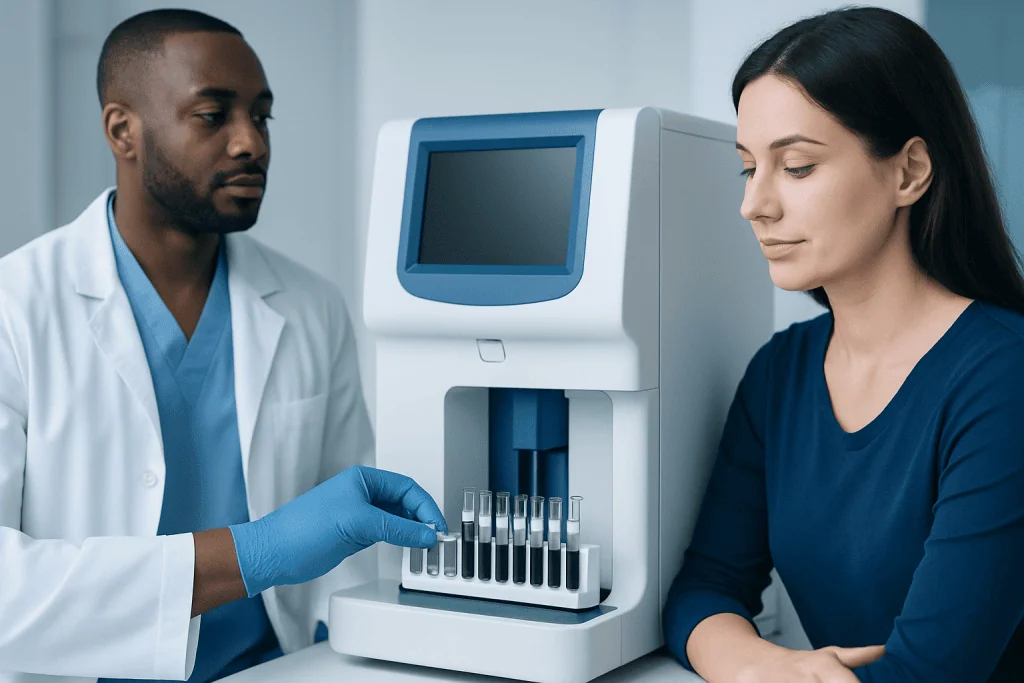
The headline number comes first: many laboratories define a normal platelet count as approximately 150,000 to 450,000 per microliter. A result above that range may be reported as high. However, a laboratory reference interval is not a universal cutoff for disease. It reflects the testing method used, the population studied, and the way the lab validates its results.
Platelet counts can vary by age, sex, and body context. Children may have different expected ranges than adults. Platelet values can also change during pregnancy, after childbirth, or during recovery from acute illness. Mild day-to-day variation is possible, and dehydration or the timing of blood sampling can sometimes influence results indirectly.
Doctors also consider the pattern, not only the number. A mildly elevated count found once may simply need repeat testing. A steadily rising count, a very high value, or an elevation that continues over time is more medically meaningful. Interpretation becomes especially important if the complete blood count also shows anemia, very high white blood cells, or abnormal red blood cell findings.
Because ranges differ, patients should use the reference interval printed on their own lab report and review the result with a qualified clinician. A number that is only slightly above range may be much less concerning than a larger or persistent increase.
Common causes and risk factors

Most cases of high platelets are reactive, also called secondary thrombocytosis. This means the body is responding to another condition. Common triggers include bacterial or viral infection, chronic inflammation, tissue injury, surgery, trauma, burns, blood loss, and iron deficiency. Some people also develop a temporary rise after removal of the spleen or during recovery from significant illness.
Inflammatory and medical conditions linked with elevated platelets include autoimmune diseases, inflammatory bowel disease, some cancers, and chronic infections. Iron deficiency is a particularly important and sometimes overlooked cause, even when a person does not feel obviously anemic. A doctor may therefore look at ferritin and other iron studies when platelets are high.
Less often, the cause is a bone marrow disorder in which blood cells are produced in excess. Examples include myeloproliferative neoplasms such as essential thrombocythemia. In these disorders, the risk of clotting or bleeding can be different from that seen in reactive thrombocytosis, so the distinction matters.
Risk factors that make closer review more likely include older age, a personal history of blood clots, smoking, cardiovascular risk factors, unexplained symptoms, or persistently abnormal blood counts. Medications, recent splenectomy, and active inflammatory disease can also influence the result and should be part of the medical history.
Symptoms and possible complications
Many people with a high platelet count have no symptoms at all, especially when the elevation is mild or temporary. The result may be found incidentally during routine blood work. When symptoms do occur, they are often related either to the underlying cause, such as infection or inflammation, or to the effects of abnormal clotting or bleeding.
Possible symptoms that deserve attention include headaches, dizziness, visual changes, chest pain, shortness of breath, numbness or weakness, pain or swelling in an arm or leg, easy bruising, nosebleeds, or unusual gum bleeding. These symptoms do not always mean platelets are the cause, but they can signal a problem that needs prompt assessment.
Complications depend on why the platelet count is high. Reactive thrombocytosis often improves when the underlying condition is treated and may not cause direct problems. In contrast, some primary bone marrow disorders can raise the risk of blood clots or, in certain cases, bleeding because platelets may not function normally even when the count is elevated.
It is also important to remember that the number alone does not predict what will happen in every person. Clinical context, past medical history, and the overall blood picture guide the doctor’s assessment of risk.
How doctors evaluate a high platelet count
Evaluation usually starts with confirming the result and looking for a straightforward explanation. A doctor may review recent illness, surgery, heavy menstrual bleeding, chronic inflammatory symptoms, medications, smoking status, and family or personal history of clots or blood disorders. A repeat complete blood count is often helpful, especially if the first result was unexpected.
Additional testing may include a peripheral blood smear, iron studies, markers of inflammation, and tests tailored to symptoms or medical history. If there are signs of infection, inflammation, anemia, or another obvious cause, treatment often focuses there first. If platelet levels remain high without a clear reason, further blood work may be needed to assess for a bone marrow condition.
In selected cases, specialists may test for gene changes commonly associated with myeloproliferative disorders, such as JAK2, CALR, or MPL. Referral to a hematologist is more likely when the count is persistently elevated, very high, associated with clotting or bleeding, or accompanied by other unexplained blood count abnormalities. Depending on the situation, a doctor may also evaluate for related conditions such as polycythemia vera.
When a broader evaluation is needed, blood work may be combined with imaging or bone marrow assessment to clarify the cause. Patients who need specialist assessment may be evaluated through hematology care as part of a structured diagnostic plan.
Treatment options and what happens next
Treatment depends on the cause, not simply the platelet number. If the rise is reactive, the main approach is to address the underlying issue. That may mean treating an infection, correcting iron deficiency, managing inflammatory disease, or monitoring recovery after surgery or blood loss. As the trigger improves, platelet levels often move back toward the usual range.
If a primary bone marrow disorder is diagnosed, treatment is individualized. Doctors consider age, symptoms, clotting history, cardiovascular risk factors, and how high the platelet count is. Some people only need monitoring, while others may need medicines to reduce clot risk or lower platelet production. Decisions about antiplatelet or blood-thinning treatment should always be made by a physician because these medicines are not suitable for everyone.
Supportive care may also include managing dehydration, avoiding tobacco, and addressing other cardiovascular risk factors. If iron deficiency is present, replacement should be supervised so the reason for the deficiency is also identified. In selected situations, specialist follow-up may include bone marrow transplantation planning, although this is not a standard treatment for most people with an isolated high platelet count.
For people whose testing suggests an underlying malignancy or complex blood disorder, care may involve coordinated assessment with medical oncology and hematology teams. At the end of the process, the goal is to explain whether the result is temporary, related to another condition, or part of a chronic blood disorder that needs ongoing follow-up.
Self-care, prevention, and when the result matters
There is no single way to prevent a high platelet count because it is usually a response to another health issue. Still, general measures can support overall blood and vascular health. These include staying well hydrated, not smoking, following treatment for chronic inflammatory conditions, and attending routine health checks when recommended.
People with iron deficiency should not self-diagnose based on a blood count alone. Iron supplements may be helpful in some situations, but the underlying reason for low iron also needs attention. Likewise, aspirin or other medicines should not be started just because a platelet count is high unless a doctor advises it.
The result becomes more medically meaningful when it is persistent, clearly above the reference range on repeat tests, or paired with symptoms or other abnormal blood findings. A short-lived mild increase after infection or surgery may be less concerning than a sustained or unexplained elevation.
For international patients who need a more detailed workup, Acibadem International’s multidisciplinary specialists and JCI-accredited hospitals diagnose and treat blood count abnormalities with coordinated care plans.
When to seek medical care
A person should arrange medical review if a blood test shows a high platelet count and there is no obvious temporary cause, or if the result stays elevated on repeat testing. Assessment is also important when high platelets are accompanied by fatigue, weight loss, frequent infections, easy bruising, or symptoms suggesting iron deficiency or chronic inflammation.
Urgent medical attention is needed for symptoms that may suggest a clot or serious bleeding. These include chest pain, sudden shortness of breath, one-sided weakness, confusion, sudden trouble speaking, severe headache, vision loss, fainting, or painful swelling in a leg. Heavy or unusual bleeding also deserves prompt care.
Even when there are no symptoms, patients should not ignore a repeatedly abnormal result. A clinician can decide whether simple follow-up is enough or whether hematology evaluation is needed to look for conditions such as leukemia or other blood disorders.
Frequently asked questions
What is considered a high platelet count?
A high platelet count usually means the result is above the upper limit of the laboratory’s reference range. In many labs, that upper limit is around 450,000 platelets per microliter, but exact ranges can vary slightly. The result should always be interpreted using the range on the specific report.
Is a high platelet count always serious?
No. Many cases are temporary and happen in response to another condition such as infection, inflammation, blood loss, or iron deficiency. It becomes more important to evaluate when the count stays high, is very elevated, or is linked with symptoms or other abnormal blood test findings.
Can iron deficiency cause high platelets?
Yes. Iron deficiency is a well-recognized cause of reactive thrombocytosis. A doctor may order ferritin and other iron studies to see whether low iron is contributing to the platelet rise.
What symptoms can happen with high platelets?
Many people have no symptoms. When symptoms do occur, they may include headache, dizziness, visual changes, chest pain, shortness of breath, unusual bruising, nosebleeds, or swelling and pain in a limb. These symptoms should be discussed with a clinician, and urgent symptoms need prompt medical attention.
How do doctors confirm the cause of a high platelet count?
Doctors usually start with medical history, physical examination, and repeat blood testing. They may also order a blood smear, iron studies, inflammation markers, and sometimes genetic tests if a bone marrow disorder is suspected. The pattern over time is often as important as the initial number.
Can dehydration or stress raise platelet counts?
Dehydration can affect blood test concentration and may indirectly influence results, while physical stress from illness, surgery, or inflammation can contribute to reactive platelet elevation. Emotional stress alone is not a typical primary cause of sustained thrombocytosis. Persistent abnormalities still need proper medical review.
Should someone take aspirin for a high platelet count?
Not without medical advice. Aspirin can be helpful in some conditions but may be inappropriate or even unsafe in others, especially if there is a bleeding risk. The decision depends on the cause of the high platelet count and the person’s overall health profile.
References
- World Health Organization
- National Heart, Lung, and Blood Institute
- American Society of Hematology
- MedlinePlus
- Mayo Clinic
This article is for general information only and is not a substitute for professional medical advice. Please consult a qualified doctor about your individual situation.
Explore treatments in Turkey — costs, top hospitals & a free quote
JCI-accredited · board-certified surgeons · reply within 24h
Add us as a Preferred Source to see more of our trusted health content across Google Search, AI Overviews and Discover.