High Risk Pregnancy Explained: Causes, Management, and When to See a Doctor
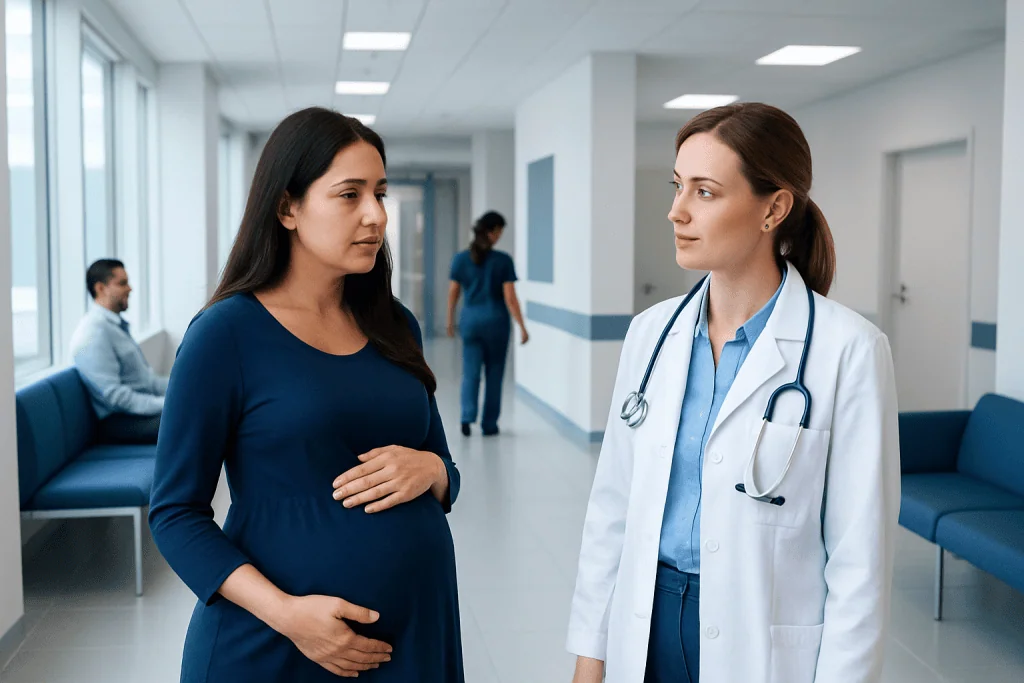
High risk pregnancy does not mean a problem will definitely happen; it means extra monitoring and individualized care are needed. Risk may be related to the mother's health, the pregnancy itself, the baby's development, or multiple factors together.
Key Takeaways
- High risk pregnancy does not mean a problem will definitely happen; it means extra monitoring and individualized care are needed.
- Risk may be related to the mother's health, the pregnancy itself, the baby's development, or multiple factors together.
- Regular prenatal visits, screening tests, and healthy lifestyle habits help reduce complications and support safer outcomes.
- Warning signs such as bleeding, severe headache, reduced fetal movement, or fluid leakage should be assessed promptly.
- Management often involves a multidisciplinary team, including an obstetrician and sometimes a maternal-fetal medicine specialist.
A high risk pregnancy is a pregnancy that needs closer medical monitoring because the mother, baby, or both have a greater chance of complications. With early prenatal care, tailored follow-up, and timely treatment, many people with high risk pregnancy go on to have healthy pregnancies and deliveries.
Overview: What Is a High Risk Pregnancy?
A high risk pregnancy is a pregnancy in which the mother, baby, or both have a higher-than-usual chance of health problems before, during, or after birth. This term does not mean that complications are certain. It means the pregnancy benefits from closer observation, more frequent checkups, and sometimes specialized care to protect the health of both parent and baby.
Pregnancy may be considered high risk from the start, such as when a person has diabetes, high blood pressure, kidney disease, or a history of pregnancy complications. In other cases, the pregnancy becomes high risk later because of issues that develop during pregnancy, such as preeclampsia, gestational diabetes, poor fetal growth, placental problems, or preterm labor.
What makes this topic important is that “high risk” describes a wide range of situations rather than one single diagnosis. The level of risk can be mild, moderate, or severe, and it may change over time. For that reason, care is usually personalized, based on the individual’s medical history, current symptoms, test results, and the baby’s growth and well-being.
Who May Be More Likely to Have a High Risk Pregnancy?

Many factors can increase the chance that a pregnancy will need extra monitoring. Some are present before conception, while others appear during pregnancy. A person may also have more than one risk factor at the same time, which can increase the need for coordinated care.
Common maternal and pregnancy-related risk factors include:
- Age younger than 17 or older than 35
- High blood pressure or a history of pregnancy-related hypertension
- Pre-existing or diabetes that develops during pregnancy
- Heart, lung, kidney, liver, or autoimmune disease
- Obesity or being significantly underweight
- Multiple pregnancy, such as twins or triplets
- A history of miscarriage, preterm birth, stillbirth, or cesarean delivery
- Placental problems, bleeding, or cervical weakness
- Infections during pregnancy
- Smoking, alcohol use, or substance use
Fetal factors can also make a pregnancy high risk. These may include congenital abnormalities, suspected growth restriction, too much or too little amniotic fluid, or concerns about the baby’s heartbeat or movement. In some pregnancies, the risk is identified through routine prenatal tests rather than through symptoms.
Importantly, having a risk factor does not automatically mean the pregnancy will become complicated. It simply means healthcare professionals may recommend additional blood tests, imaging, or fetal monitoring so that any changes can be recognized and managed early.
Symptoms and Warning Signs to Watch For
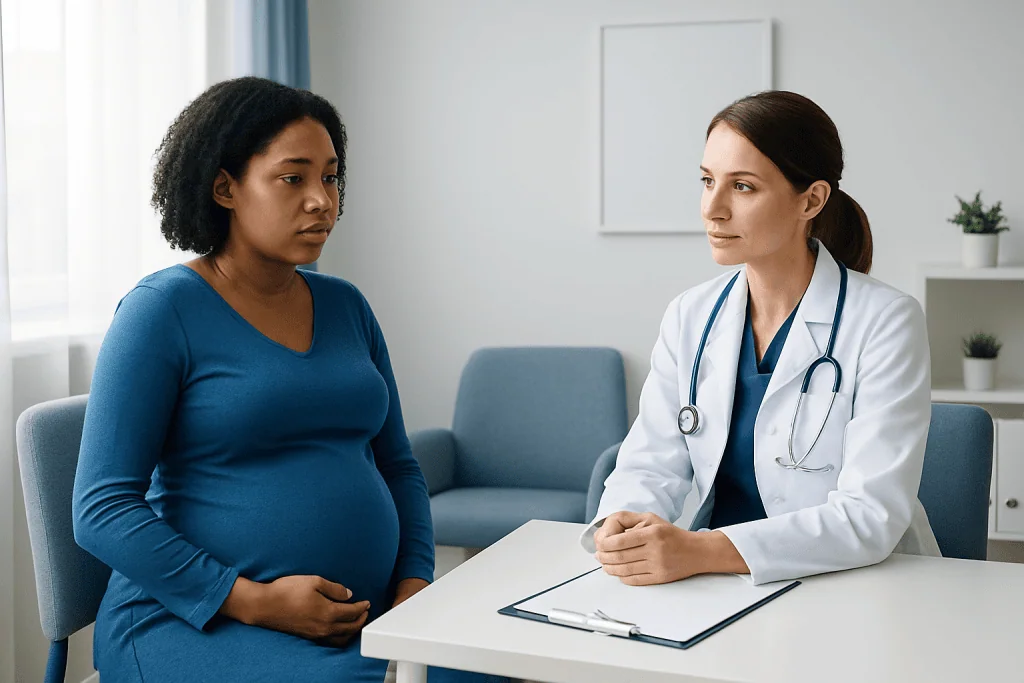
Some high risk pregnancies cause no obvious symptoms at first, which is why regular prenatal care matters so much. Blood pressure changes, abnormal blood sugar levels, anemia, infection, or fetal growth concerns may be found during routine visits even when the pregnant person feels well.
Still, certain symptoms should never be ignored. They do not always mean there is a serious problem, but they should be assessed promptly because they can be linked to complications such as preeclampsia, placental problems, preterm labor, or infection.
- Vaginal bleeding or spotting that is new, heavy, or persistent
- Severe or persistent abdominal pain or strong cramping
- Regular contractions before 37 weeks
- Sudden swelling of the face, hands, or around the eyes
- Severe headache, vision changes, or dizziness
- Fever, chills, or signs of infection
- Fluid leaking from the vagina
- Reduced or absent fetal movements after they have become regular
- Shortness of breath, chest pain, or fainting
It can be helpful for patients to keep track of symptoms between appointments, including when they started, how often they occur, and whether they are getting worse. This information can help the care team decide whether urgent evaluation, treatment, or a change in follow-up is needed.
How High Risk Pregnancy Is Diagnosed and Monitored
Diagnosis begins with prenatal history and risk assessment. A clinician will ask about past pregnancies, existing medical conditions, medications, family history, lifestyle factors, and any current symptoms. This initial review helps identify whether the pregnancy is high risk from the beginning or whether closer surveillance should start because of new concerns.
Monitoring may involve more frequent prenatal visits, blood pressure checks, urine testing, blood tests, and imaging. Ultrasound plays a central role in assessing fetal growth, placental position, amniotic fluid, and in some cases the cervix. Depending on the situation, clinicians may also recommend ultrasound examinations at intervals to follow the baby’s development more closely.
Additional tests may be used to evaluate fetal well-being, especially later in pregnancy. These can include nonstress testing, biophysical profile, Doppler studies, or glucose screening. If there are concerns about blood pressure disorders such as preeclampsia, laboratory tests may help assess liver function, kidney function, platelet levels, and other signs of maternal involvement.
Some patients are referred to a maternal-fetal medicine specialist, also called a perinatologist. This type of specialist focuses on pregnancies with medical, obstetric, or fetal complexity and often works together with obstetricians, endocrinologists, cardiologists, neonatologists, and other experts when needed.
Treatment and Management Options
Management depends on the cause of the increased risk, the stage of pregnancy, and whether there are symptoms or signs of complications. The goal is to support the healthiest possible pregnancy while reducing risks to the mother and baby. In many cases, treatment focuses on careful monitoring plus timely action if changes occur.
For chronic conditions such as diabetes or hypertension, management usually includes medication review, nutritional guidance, blood pressure or blood sugar monitoring, and regular follow-up. For pregnancy-specific conditions, treatment may involve activity modification, medication, hospital observation, or planning early delivery if continuing the pregnancy becomes less safe than birth. When surgery or other intervention is needed, the care team will weigh the benefits and risks carefully.
Some high risk pregnancies require more advanced fetal surveillance or consultation about delivery planning. If preterm birth risk is high, clinicians may discuss treatments to support fetal development or reduce early labor complications. Delivery may be vaginal or by cesarean section depending on the reason for the risk, fetal condition, placental location, and maternal health. In selected situations, a planned cesarean section may be recommended.
Patients with pregnancy complications sometimes benefit from care in centers where advanced obstetric, neonatal, and imaging services are available. Near the end of pregnancy, individualized birth planning becomes especially important so that the right specialists, monitoring, and delivery setting are in place if labor starts early or sudden changes occur.
Prevention, Self-care, and Preparing for Pregnancy
Not all high risk pregnancies can be prevented, but many risks can be lowered with planning and early care. Ideally, people with chronic medical conditions should speak with a doctor before becoming pregnant. Preconception counseling can help optimize medications, improve blood sugar or blood pressure control, update vaccinations, and review habits that may affect pregnancy.
During pregnancy, self-care supports medical treatment but does not replace it. Helpful steps often include taking prenatal vitamins as advised, attending every prenatal visit, eating a balanced diet, staying physically active if approved by a clinician, getting enough rest, and avoiding tobacco, alcohol, and non-prescribed drugs. It is also important to check before starting or stopping any medication, supplement, or herbal product.
Patients can play an active role by understanding their own risk factors and asking clear questions about monitoring. It may help to know which symptoms need same-day medical advice, when fetal movement should be tracked, and whether home blood pressure or glucose monitoring is recommended. Keeping a written list of medications, allergies, and emergency contacts can also make care smoother.
In international referral centers, multidisciplinary support may include obstetrics, maternal-fetal medicine, neonatology, genetics, and advanced imaging. Acibadem International’s multidisciplinary specialists and JCI-accredited hospitals diagnose and treat high risk pregnancy for international patients, with care plans tailored to the individual’s medical needs.
When to Seek Medical Care
People with a high risk pregnancy should contact their maternity team promptly if they notice changes that feel unusual, especially if symptoms are sudden, severe, or worsening. Quick evaluation can help rule out urgent problems and, when needed, allow treatment to start early.
Same-day medical advice is usually needed for bleeding, severe abdominal pain, strong contractions before term, fluid leakage, fever, severe headache, blurred vision, new swelling of the face or hands, or reduced fetal movement. Emergency care is important for chest pain, significant shortness of breath, fainting, seizures, or heavy bleeding.
It is also sensible to seek medical care if blood sugar or blood pressure readings are repeatedly outside the range advised by the doctor, if vomiting prevents fluid intake, or if there are signs of worsening conditions such as gestational diabetes. For some patients, additional evaluation may include pregnancy follow-up and delivery care in a center equipped for higher-risk obstetric management.
Frequently asked questions
Does high risk pregnancy mean something is wrong with the baby?
Not necessarily. A high risk pregnancy means there is a higher chance of complications affecting the mother, the baby, or both, so closer monitoring is needed. Many high risk pregnancies result in healthy babies, especially with regular prenatal care and timely treatment.
Can someone have a high risk pregnancy and still have a normal delivery?
Yes, in some cases vaginal delivery is still possible and safe. The delivery plan depends on the specific reason the pregnancy is high risk, how the pregnancy progresses, and the baby's condition near birth.
How often are appointments needed in a high risk pregnancy?
The schedule varies widely. Some patients need only a few extra visits or ultrasounds, while others need frequent monitoring, specialist reviews, or hospital observation. The care team usually adjusts the plan over time based on symptoms and test results.
What is the most common cause of high risk pregnancy?
There is no single most common cause because many different factors can increase risk. Common examples include high blood pressure, diabetes, maternal age, multiple pregnancy, and a history of pregnancy complications.
Can high risk pregnancy be prevented?
Some causes cannot be prevented, but risk can often be reduced. Managing chronic conditions before conception, starting prenatal care early, avoiding smoking and alcohol, and following medical advice during pregnancy can all help support safer outcomes.
When should fetal movement become a concern?
Once fetal movements have become regular, a noticeable decrease or absence of movement should be reported promptly. The care team can explain what is normal for that stage of pregnancy and whether immediate assessment is needed.
References
- American College of Obstetricians and Gynecologists
- Society for Maternal-Fetal Medicine
- Centers for Disease Control and Prevention
- World Health Organization
- National Institute for Health and Care Excellence
This article is for general information only and is not a substitute for professional medical advice. Please consult a qualified doctor about your individual situation.
Explore treatments in Turkey — costs, top hospitals & a free quote
JCI-accredited · board-certified surgeons · reply within 24h
Add us as a Preferred Source to see more of our trusted health content across Google Search, AI Overviews and Discover.
Check your numbers in seconds
BMI, calories, due date, blood pressure and 30+ more clinical calculators — free, instant, doctor-reviewed ranges.