Hirsutism Treatment: How It Works, Results and What to Expect

Hirsutism is excessive coarse hair growth in a typically male-pattern distribution, such as the face, chest, abdomen, or back. Treatment may include lifestyle measures, prescription medicines that reduce androgen effects, and hair-removal approaches such as laser treatment or electrolysis.
Key Takeaways
- Hirsutism is excessive coarse hair growth in a typically male-pattern distribution, such as the face, chest, abdomen, or back.
- Treatment may include lifestyle measures, prescription medicines that reduce androgen effects, and hair-removal approaches such as laser treatment or electrolysis.
- Medication slows new hair growth but does not remove existing hair, so it is often combined with a hair-removal method.
- PCOS is a common cause of hirsutism, but not everyone with hirsutism has PCOS.
- Rapidly progressing hair growth or signs of increased androgen production should be assessed promptly by a clinician.
Hirsutism treatment combines evaluation of the underlying cause with methods that reduce or remove coarse, dark hair in androgen-sensitive areas. Results depend on the cause, hair-growth pattern, skin and hair type, and the chosen treatment, and meaningful improvement commonly takes several months.
Hirsutism treatment: how it works and what to expect
Hirsutism treatment aims to reduce unwanted coarse, pigmented hair while identifying and managing any hormonal condition contributing to its growth. The most effective plan is individual: some people mainly need a reliable hair-removal option, while others benefit from treatment that lowers androgen activity or addresses a condition such as polycystic ovary syndrome (PCOS).
Hair growth changes slowly. Medicines usually need at least six months before their benefit can be judged because they affect new growth cycles rather than removing hair already present. Laser-based hair reduction and electrolysis can provide longer-lasting reduction, but both require a planned series of sessions and occasional maintenance may be needed.
Hirsutism is different from generalized excess body hair, called hypertrichosis. It refers specifically to terminal hair that is thicker, darker, and more visible in areas influenced by androgens, including the upper lip, chin, jawline, chest, lower abdomen, inner thighs, or back. It can be distressing, but effective and respectful treatment options are available.
How clinicians assess hirsutism and its possible causes
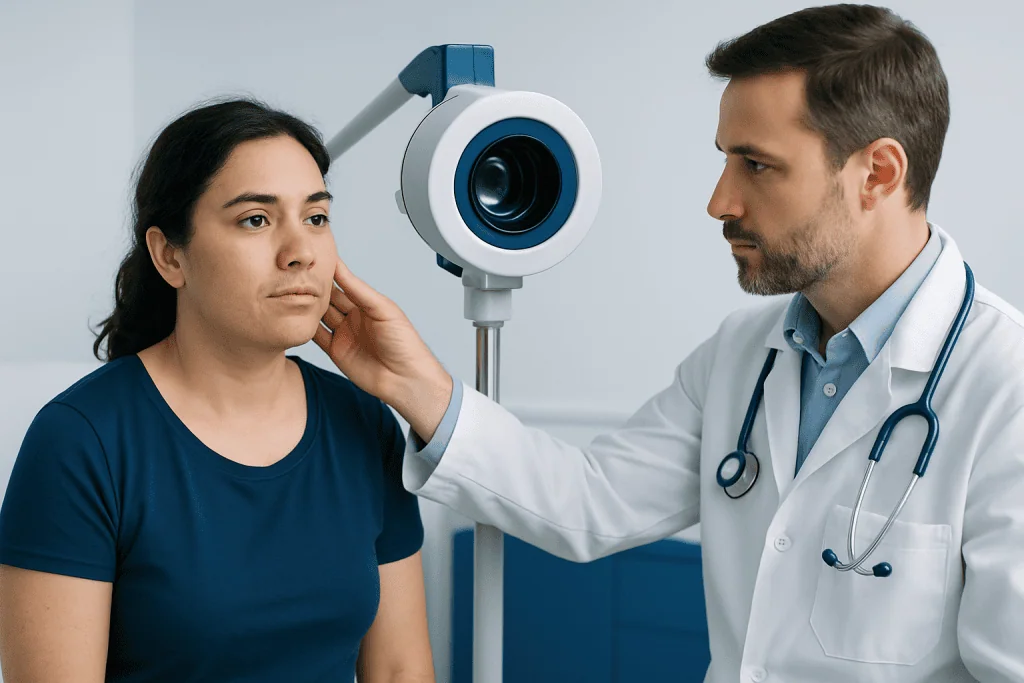
A clinician will usually ask when the hair growth began, how quickly it has changed, which areas are affected, and whether menstrual cycles are regular. They may also ask about acne, scalp hair thinning, weight changes, fertility concerns, medications, supplements, and family history. A physical examination helps distinguish hirsutism from other hair-growth patterns and looks for signs of androgen excess.
PCOS is among the most common causes during reproductive years. Other possible causes include idiopathic hirsutism, in which hormone tests may be normal but hair follicles are more sensitive to androgens; certain medicines; non-classic congenital adrenal hyperplasia; and, rarely, an ovarian or adrenal disorder that produces excess androgens. The relevant condition should be evaluated rather than assuming all unwanted hair has the same cause.
Testing is guided by symptoms and examination findings. Blood tests may assess androgen levels and other hormones. Depending on the situation, a clinician may recommend pelvic ultrasound or further imaging. People with menstrual irregularity, acne, weight or metabolic concerns may benefit from assessment for polycystic ovary syndrome (PCOS).
Hirsutism treatment options: addressing growth and removing hair

Treatment often uses two approaches at once: managing the hormonal drive for new hair growth and removing existing visible hair. The choice depends on the cause, pregnancy plans, personal preferences, affected body areas, hair and skin characteristics, medical history, and how much the symptoms affect daily life.
Combined hormonal contraceptives may be considered for some people who do not wish to become pregnant and have no contraindications. If response is insufficient, a clinician may prescribe an anti-androgen medicine, which reduces the effect of androgens on hair follicles. These medicines require medical supervision and reliable contraception where appropriate because some may harm a developing fetus. They are not suitable for everyone.
For facial hirsutism, a prescription topical medicine may slow the rate of new facial-hair growth in selected patients. It does not remove hair and is commonly used alongside a physical removal method. If PCOS or another endocrine condition is present, treatment also addresses broader health needs such as menstrual health, metabolic risk, and fertility goals.
Temporary methods, including shaving, trimming, waxing, threading, depilatory creams, and bleaching, can be practical. Shaving does not make hair grow back thicker or darker. Longer-term options include laser hair removal, which targets pigment in the hair follicle, and electrolysis, which treats individual follicles with electrical energy.
Laser hair removal and electrolysis: procedure steps and candidacy
Laser hair removal works by directing controlled light energy toward melanin, the pigment in the hair. The follicle absorbs the energy, which damages its capacity to produce hair. It tends to work best on coarse, dark hair, but suitable laser technology and settings can improve safety and effectiveness across a wide range of skin tones. A consultation should include a review of skin type, hair color, medical history, recent tanning, medications, and any tendency toward pigment changes or scarring.
At a laser session, the area is usually shaved or trimmed, protective eyewear is used, and the clinician applies the laser in a series of pulses. People may feel brief warmth, pinching, or a snapping sensation. Because only hairs in the active growth phase respond well, sessions are spaced over weeks. The goal is long-term hair reduction rather than a promise of permanent removal of every hair.
Electrolysis involves placing a very fine probe into each individual follicle and delivering energy to destroy growth cells. It can treat light, gray, red, or blonde hair that may not respond well to laser treatment, and it is suitable for small areas. However, it is time-intensive because follicles are treated one by one, so a series of appointments is expected.
People with active skin infection, a recent tan or sunburn, certain photosensitizing medicines, or poorly controlled skin conditions may need to postpone laser treatment. A qualified clinician can advise whether professional hair removal, medication, or a combined approach is most appropriate.
Benefits, recovery timeline and possible risks
The main benefit of hirsutism treatment is a visible reduction in unwanted hair and less need for frequent temporary removal. Medical treatment can reduce the rate and coarseness of new growth, while laser treatment can reduce the density of dark terminal hairs over time. Electrolysis may be particularly useful for remaining individual hairs or hair colors that respond poorly to laser energy.
After laser treatment, mild redness and temporary swelling around follicles are common and generally settle within hours to a few days. Treated hairs may appear to grow for a short period before shedding over the following days or weeks. Sun protection and avoiding heat, friction, and harsh exfoliation while the skin is irritated can help support recovery. The treating team will provide individualized aftercare instructions.
Possible risks of laser treatment include temporary discomfort, blistering, burns, pigment changes, and rarely scarring. Risks are lower when the procedure is performed by an appropriately trained professional using settings suited to the person’s skin and hair. Electrolysis can also cause short-lived redness, swelling, crusting, pigment changes, infection, or scarring if aftercare is inadequate or treatment is not performed correctly.
Hormonal medicines may have side effects and are selected only after an individual clinical assessment. Follow-up allows the clinician to monitor response, review safety, and adjust the plan. Acibadem International’s multidisciplinary specialists and JCI-accredited hospitals evaluate and treat hirsutism for international patients when coordinated endocrine, gynecologic, dermatologic, and hair-removal care is needed.
Can hirsutism ever go away?
Hirsutism can improve substantially, but whether it goes away completely depends on its cause and the treatment used. If excess hair growth is related to a reversible factor, such as a medication or a treatable hormonal imbalance, addressing that factor may reduce new growth. Existing terminal hairs often still require removal or reduction treatment.
When hirsutism is related to PCOS, inherited follicle sensitivity, or another long-term tendency toward androgen effects, ongoing management may be needed. Medicines can suppress new growth while they are used, and laser treatment or electrolysis can provide long-lasting reduction of existing hairs. Maintenance treatment may be useful if hormonal stimulation continues.
It is important to set realistic expectations. Treatment is usually measured by slower growth, finer hair, fewer visible hairs, and less frequent need for hair removal rather than an immediate or complete change. A clinician can help define goals that fit the individual’s cause and preferences.
Do I have PCOS if I have hirsutism?
Not necessarily. Hirsutism is a common feature of PCOS, but it can occur for several other reasons, including familial or idiopathic hirsutism, medications, adrenal conditions, and less commonly androgen-producing tumors. Some people have hirsutism despite normal menstrual cycles and normal hormone results.
PCOS is diagnosed from a pattern of findings, not from hair growth alone. Depending on the assessment, clinicians consider irregular or absent ovulation, clinical or laboratory signs of androgen excess, and polycystic ovarian appearance on ultrasound, while excluding other causes. Not everyone with PCOS has visible hirsutism, and not everyone with hirsutism has PCOS.
Assessment is particularly helpful if excess hair occurs with irregular periods, acne, scalp hair thinning, difficulty becoming pregnant, or changes in weight or blood sugar. Appropriate evaluation can clarify the cause and guide care beyond cosmetic hair reduction.
At what age does hirsutism start, and why is it getting worse?
Hirsutism may begin around puberty, when androgen levels normally rise and body hair becomes coarser in some areas. It can also become more noticeable in the late teens or twenties, particularly with PCOS. In some people, gradual changes around perimenopause occur as estrogen levels decline relative to androgen activity, making facial hair more visible.
Hirsutism may seem to worsen because hair follicles have been exposed to androgens over time, allowing fine hairs to become thicker and darker. Weight changes, changes in insulin resistance, stopping or changing hormonal medication, and progression of an underlying endocrine condition can also contribute. A new medication or supplement may occasionally be relevant.
Rapid progression over months, especially with deepening of the voice, increased muscle mass, severe acne, scalp hair loss, or changes in genital appearance, needs prompt medical assessment. These features are uncommon but can signal a higher level of androgen production that should not be delayed.
When to seek medical care
Medical assessment is advisable when unwanted coarse hair is new, worsening, causing distress, or accompanied by irregular periods, acne, scalp hair thinning, or fertility concerns. A clinician can identify whether testing is needed and discuss safe treatment choices, including those compatible with pregnancy planning.
Prompt assessment is especially important if hair growth develops rapidly, begins suddenly later in adulthood, or occurs with signs of virilization such as a deeper voice, marked increase in muscle mass, or significant changes in the genital area. These symptoms do not necessarily indicate a serious condition, but they warrant timely evaluation.
People who are pregnant, breastfeeding, trying to conceive, or considering prescription treatment should discuss options with a qualified doctor. Some hormonal and anti-androgen medicines are not appropriate during pregnancy, while temporary hair-removal approaches may be preferable. A personalized plan can support both safety and confidence.
Frequently asked questions
How long does hirsutism treatment take to work?
The timeline depends on the treatment. Medicines that reduce androgen effects often need about six months or longer to show meaningful changes because hair follicles grow in cycles. Laser treatment and electrolysis also require multiple sessions over time.
Is laser hair removal permanent for hirsutism?
Laser treatment is best described as long-term hair reduction. It can significantly reduce the number and thickness of treated hairs, but hormonal stimulation can lead to new growth over time. Some people need maintenance sessions, especially when an underlying hormonal condition continues.
Can I shave if I have hirsutism?
Yes. Shaving is a safe and effective temporary hair-removal method for many people and does not cause hair to grow back thicker, darker, or faster. Using a clean razor and gentle skin care can reduce irritation and ingrown hairs.
What is the best treatment for facial hirsutism?
There is no single best option for everyone. Laser hair reduction is often useful for coarse dark facial hair, while electrolysis can treat lighter hairs and individual remaining hairs. If hormones are contributing, medical therapy may help reduce new growth alongside hair removal.
Can weight management help hirsutism?
For people with PCOS or insulin resistance, gradual weight management where appropriate may improve hormone balance and can lessen androgen-related symptoms. It is not a replacement for medical assessment or hair-removal treatment, and hirsutism can occur at any body weight. A clinician can suggest a safe, individualized approach.
Are hirsutism medicines safe during pregnancy?
Some medicines used for hirsutism are not safe in pregnancy because they may affect fetal development. Anyone who is pregnant, planning pregnancy, or could become pregnant should discuss treatment choices and contraception needs with their clinician. Temporary hair-removal methods may be considered while pregnancy-safe care is planned.
References
- American College of Obstetricians and Gynecologists
- Endocrine Society
- American Academy of Dermatology Association
- Mayo Clinic
- National Institute of Diabetes and Digestive and Kidney Diseases
This article is for general information only and is not a substitute for professional medical advice. Please consult a qualified doctor about your individual situation.
Hair transplant in Turkey — costs, graft counts & a free assessment
JCI-accredited · board-certified surgeons · reply within 24h
Add us as a Preferred Source to see more of our trusted health content across Google Search, AI Overviews and Discover.