HIV-Related Brain Infections: Symptoms Doctors Investigate First

Common early warning signs include headache, confusion, fever, seizures, weakness, balance problems, and changes in behavior or vision. These infections are often caused by opportunistic organisms such as Toxoplasma gondii, Cryptococcus, tuberculosis, viruses, or JC virus.
Key Takeaways
- Common early warning signs include headache, confusion, fever, seizures, weakness, balance problems, and changes in behavior or vision.
- These infections are often caused by opportunistic organisms such as Toxoplasma gondii, Cryptococcus, tuberculosis, viruses, or JC virus.
- Diagnosis usually involves a neurologic exam, brain imaging, blood tests, and sometimes lumbar puncture.
- Treatment depends on the cause and may include antimicrobial medicines, HIV treatment optimization, and supportive neurologic care.
- Consistent antiretroviral therapy is one of the most important ways to reduce the risk of HIV-related brain infections.
HIV-related brain infections are serious infections of the brain or its surrounding tissues that can occur when the immune system is weakened. Doctors investigate new neurologic symptoms quickly because early diagnosis and treatment can improve outcomes and help prevent complications.
Overview
HIV-related brain infections are infections that affect the brain, spinal fluid, or surrounding tissues in people living with HIV, especially when immune defenses are significantly weakened. These infections are often called opportunistic because they take advantage of a lowered ability to fight germs that might not cause severe illness in someone with a stronger immune system.
Doctors pay close attention to neurologic symptoms in people with HIV because the brain can be affected by several different conditions, including infection, inflammation, stroke, medication effects, or certain cancers. Symptoms may begin gradually over days or weeks, or they may appear more suddenly. Even subtle changes in memory, concentration, walking, speech, or personality can be important clues.
Some of the best-known causes include toxoplasmosis, cryptococcal meningitis, tuberculosis involving the central nervous system, viral encephalitis, and progressive multifocal leukoencephalopathy, or PML. A few conditions may look similar at first, so careful testing is needed to identify the exact cause and guide treatment.
Because these illnesses can worsen without prompt care, early medical evaluation is important. With modern HIV treatment, many brain infections are less common than they once were, but they still require urgent attention when symptoms appear.
Symptoms Doctors Investigate First
Doctors usually start by looking for symptoms that suggest pressure, inflammation, or injury in the brain. Common early concerns include headache, fever, confusion, unusual sleepiness, memory problems, personality change, trouble speaking, new weakness, numbness, poor balance, and seizures. Vision changes and severe sensitivity to light may also raise concern, especially if the infection involves the meninges, the protective layers around the brain.
Not every person has the same pattern of symptoms. One person may mainly develop headache and fever, while another may first notice clumsiness in one arm, falls, slowed thinking, or new difficulty finding words. In some cases, family members are the first to notice that a person is less alert, more forgetful, or behaving differently.
Doctors also ask how quickly symptoms began. Symptoms developing over hours to days can suggest meningitis, encephalitis, or another rapidly evolving problem. More gradual changes over weeks may point toward conditions such as toxoplasmosis or progressive multifocal leukoencephalopathy. The timing does not provide the diagnosis by itself, but it helps guide urgent next steps.
- Persistent or severe headache
- Confusion or reduced alertness
- New seizure
- Weakness on one side of the body
- Speech or vision changes
- Fever with neck stiffness
- Loss of balance or difficulty walking
- Behavior or personality changes
Common Causes and Risk Factors

The main reason these infections occur is immune suppression. HIV can lower the number and function of immune cells, making it harder for the body to control organisms that are usually kept in check. The risk is highest when HIV is untreated, when antiretroviral therapy has been interrupted, or when the immune system remains severely weakened despite treatment.
Toxoplasma gondii can cause brain abscess-like lesions and often leads to headache, fever, seizures, or one-sided weakness. Cryptococcus can cause meningitis with headache, fever, and rising pressure inside the skull. Tuberculosis can affect the brain or meninges and may present with fever, weight loss, confusion, and nerve-related symptoms. Viruses such as herpes viruses may inflame the brain directly, while JC virus causes PML by damaging the protective covering of nerve fibers.
Other factors can increase concern, including a prior history of opportunistic infection, inconsistent access to HIV care, poor adherence to medication, recent severe weight loss, or another illness that further weakens immunity. Travel history, exposure to tuberculosis, contact with contaminated food or soil, and local infection patterns may also be relevant.
Doctors also consider noninfectious conditions that can mimic infection, such as stroke, medication side effects, metabolic disturbances, or primary central nervous system lymphoma. That is why symptoms alone are not enough to identify the cause, even when the overall picture strongly suggests an opportunistic infection.
How Doctors Diagnose HIV-Related Brain Infections
Diagnosis begins with a careful history and neurologic examination. Doctors ask about the person’s HIV treatment, prior opportunistic infections, recent missed medications, immune status, and how the symptoms have changed over time. They look for signs such as neck stiffness, weakness, abnormal reflexes, difficulty walking, confusion, or changes in vision and speech.
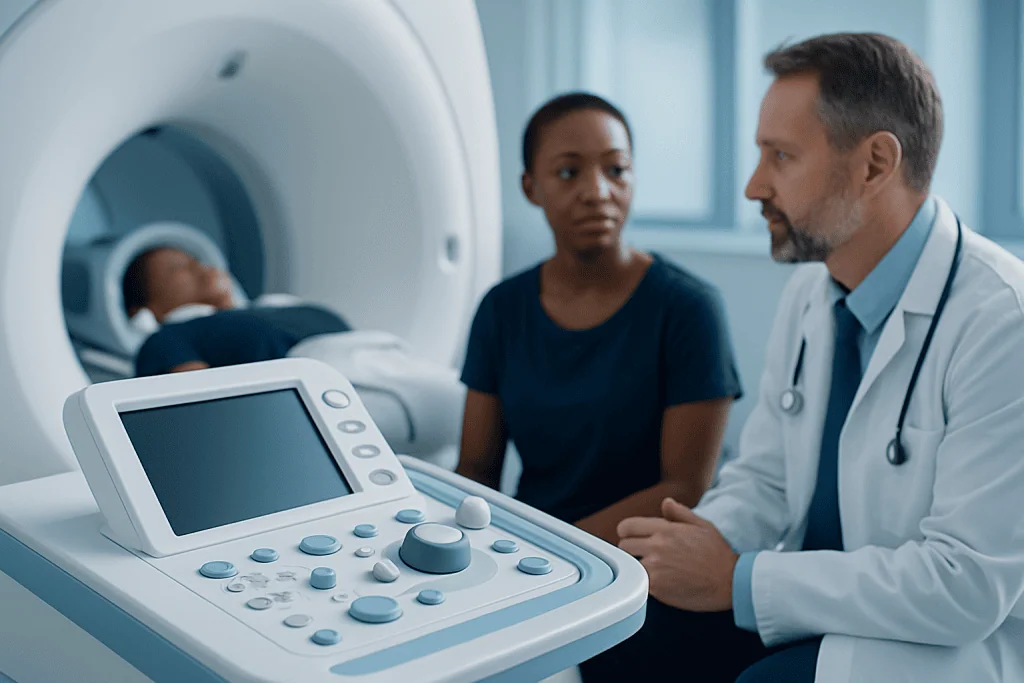
Brain imaging is often one of the first steps. A CT scan may be used quickly in urgent situations, but MRI usually provides more detail about inflammation, swelling, or lesions in the brain. Imaging can help doctors decide whether there are mass lesions, increased pressure, or findings that suggest specific conditions such as toxoplasmosis, lymphoma, or PML. This is why MRI scanning is often central to evaluation.
Blood tests can help assess immune status, inflammation, and possible infectious causes. In many cases, doctors also recommend a lumbar puncture, commonly called a spinal tap, to examine cerebrospinal fluid for infection, inflammation, and pressure changes. Cerebrospinal fluid testing may identify fungi, bacteria, viruses, or markers that support one diagnosis over another. If an urgent infection is suspected, lumbar puncture can provide important answers.
Sometimes diagnosis is straightforward, but at other times more than one condition must be considered at once. Doctors may repeat imaging, order additional laboratory tests, or involve infectious disease, neurology, and radiology specialists together. In complex cases, a brain biopsy is rarely needed, but only after less invasive tests have not given a clear answer.
Treatment Options
Treatment depends on the exact infection, how severe it is, and the person’s overall immune status. Doctors often begin treatment quickly when suspicion is high, especially if the person has worsening neurologic symptoms. The goal is to control the infection, reduce pressure or swelling in the brain if present, manage symptoms such as seizures, and support recovery.
Antimicrobial therapy may include antiparasitic, antifungal, antiviral, or antibiotic medicines, depending on the diagnosis. For example, toxoplasmosis and cryptococcal meningitis are treated very differently, so identifying the cause matters. At the same time, doctors review HIV management carefully. For many patients, restarting or optimizing HIV treatment is a key part of recovery, although the timing may need to be individualized in some infections.
Supportive care is also important. A person may need treatment for seizures, fluids, nutrition support, rehabilitation, or management of increased intracranial pressure. If symptoms include weakness, speech trouble, or balance problems, follow-up with neurology and rehabilitation teams can help improve function after the acute infection is controlled.
Because the brain is involved, treatment should be supervised by clinicians experienced in both HIV and neurologic disease. Near the end of care planning, some people may benefit from multidisciplinary review. Acibadem International’s multidisciplinary specialists and JCI-accredited hospitals diagnose and treat this condition for international patients when coordinated specialist care is needed.
Prevention and Self-Care
The most effective way to lower the risk of HIV-related brain infections is consistent antiretroviral therapy. Staying engaged in regular HIV care helps maintain immune function, monitor viral control, and detect falling immune markers before serious infections develop. Preventive medicines may also be recommended for some people when immune counts are low, depending on the specific infection risk.
Self-care also includes taking medicines exactly as prescribed, attending follow-up visits, and reporting new neurologic symptoms early. Good nutrition, adequate sleep, mental health support, and avoiding interruption of HIV care can make it easier to stay on treatment. People should not stop antiretroviral medicines or other prescribed drugs without speaking to their doctor.
Basic infection-prevention measures may also help, such as safer food handling, reducing exposure to undercooked meat, and following local public health advice about tuberculosis or other infectious risks. Vaccination and general preventive care remain important, though vaccine recommendations vary based on immune status and should be discussed with a clinician.
After recovery, some people need ongoing monitoring for relapse, medication side effects, or residual neurologic changes. A personalized follow-up plan can help support long-term brain health and day-to-day function.
When to See a Doctor Urgently
Urgent medical assessment is needed if a person with HIV develops a new severe headache, confusion, seizure, weakness, fainting, sudden vision loss, trouble speaking, or a marked change in behavior. Fever with neck stiffness, persistent vomiting, or rapidly worsening drowsiness also requires prompt care. These symptoms do not always mean a brain infection, but they should never be ignored.
People already diagnosed with an opportunistic infection should also seek help quickly if symptoms worsen after starting treatment, if new neurologic symptoms appear, or if they cannot keep down medication. Sometimes treatment side effects, complications, or immune-related inflammatory reactions need medical attention and adjustment of care.
Family members and caregivers play an important role because the person affected may be too confused or sleepy to recognize what is happening. If there is concern about mental status, seizure activity, or sudden neurologic decline, emergency services may be appropriate.
Early evaluation gives doctors the best chance to identify the cause quickly and start the right treatment. In neurologic illness, time matters, and seeking medical advice promptly is a safe and sensible step.
Frequently asked questions
What are HIV-related brain infections?
They are infections that affect the brain, spinal fluid, or tissues around the brain in people whose immune systems are weakened by HIV. They are usually caused by opportunistic organisms such as fungi, parasites, viruses, or bacteria.
What symptoms usually make doctors investigate first?
Doctors are especially alert to headache, confusion, fever, seizures, weakness, speech changes, balance problems, and personality or behavior changes. Any new neurologic symptom in a person with HIV deserves prompt medical attention.
Are these infections still common if HIV is well controlled?
They are generally much less common when HIV is well controlled with consistent antiretroviral therapy. Risk rises when treatment is delayed, stopped, or not fully effective, especially if immune suppression becomes severe.
How do doctors tell which brain infection is causing the symptoms?
They combine the medical history, neurologic examination, brain imaging, blood tests, and often cerebrospinal fluid testing from a lumbar puncture. Sometimes the pattern on MRI strongly suggests one diagnosis, but doctors usually use several tests together.
Can HIV-related brain infections be treated?
Yes, many can be treated, but the treatment depends on the exact cause. Along with targeted antimicrobial medicines, HIV treatment and supportive neurologic care are often essential parts of recovery.
When should someone go to the emergency department?
Emergency care is appropriate for seizures, severe or sudden headache, confusion, fainting, one-sided weakness, trouble speaking, severe drowsiness, or fever with neck stiffness. These symptoms need urgent assessment because they may signal a serious brain condition.
References
- World Health Organization
- Centers for Disease Control and Prevention
- National Institute of Neurological Disorders and Stroke
- National Institutes of Health
- Infectious Diseases Society of America
This article is for general information only and is not a substitute for professional medical advice. Please consult a qualified doctor about your individual situation.
Joint and spine care in Turkey — expert assessment & treatment
JCI-accredited · board-certified surgeons · reply within 24h
Add us as a Preferred Source to see more of our trusted health content across Google Search, AI Overviews and Discover.