Holistic Approach: What Patients Need to Know

A holistic approach looks at the whole person, not only one symptom or disease. It can include conventional medical treatment along with lifestyle, mental health, and supportive care.
Key Takeaways
- A holistic approach looks at the whole person, not only one symptom or disease.
- It can include conventional medical treatment along with lifestyle, mental health, and supportive care.
- Holistic care is not the same as rejecting evidence-based medicine; it works best when guided by qualified clinicians.
- Sleep, nutrition, movement, stress, and social support can affect symptoms, recovery, and long-term health.
- Patients should seek medical care promptly for severe, sudden, or persistent symptoms.
A holistic approach means looking at health as more than a single symptom or diagnosis. It considers the whole person—physical health, mental wellbeing, daily habits, social factors, and medical needs—so care can be more coordinated, practical, and personalized.
What a Holistic Approach Means in Health Care
A holistic approach in health care means assessing and supporting the whole person rather than focusing only on one diagnosis, lab result, or symptom. In practice, this includes physical health, mental and emotional wellbeing, sleep, nutrition, activity, stress, social support, work demands, and other everyday factors that can influence health. The goal is not to replace standard medical care, but to make it more complete and more relevant to the patient’s life.
For many people, symptoms are affected by more than one cause. For example, pain may be shaped by inflammation, posture, sleep quality, mood, and activity level. Fatigue may relate to anemia, thyroid disease, chronic stress, poor sleep, medication effects, or nutritional factors. A holistic approach helps clinicians step back, connect these pieces, and create a plan that treats the condition while also addressing what may worsen or prolong symptoms.
This kind of care is often described as patient-centered or whole-person care. It encourages shared decision-making, realistic treatment goals, and attention to prevention as well as recovery. Rather than asking only “What disease is present?”, a holistic approach also asks “What else in this person’s life may affect healing, daily function, and long-term wellbeing?”
How It Differs From Alternative Medicine
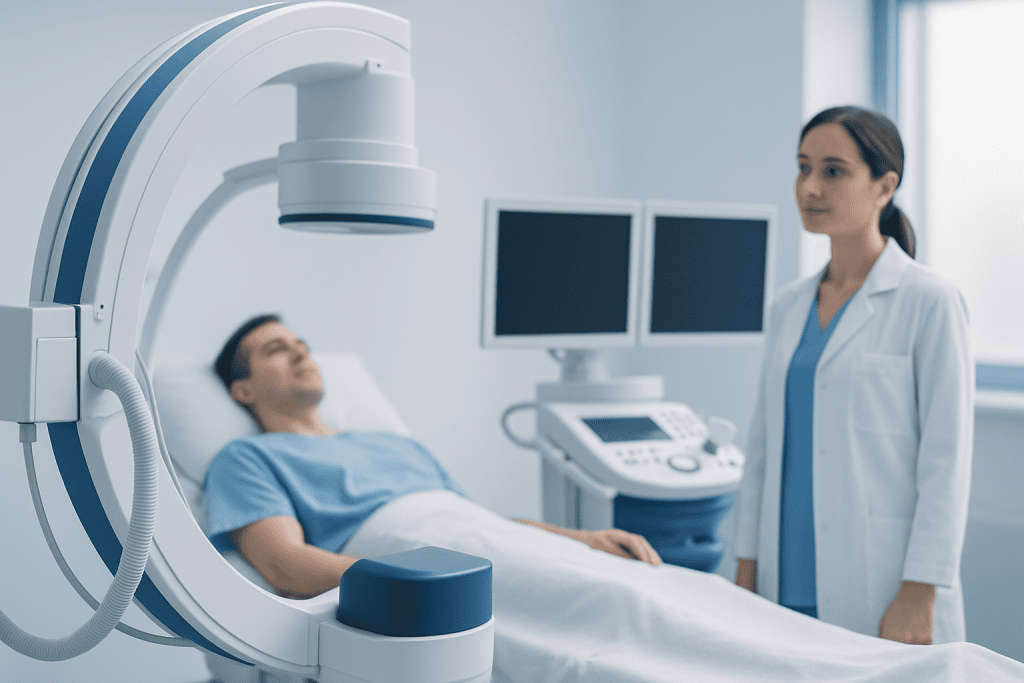
A common misunderstanding is that a holistic approach means using only natural or alternative therapies. In medicine, that is not necessarily the case. Holistic care can include prescription medicines, surgery, rehabilitation, counseling, nutrition support, and preventive strategies when these are appropriate. The defining feature is not the type of treatment alone, but the broader way the patient’s health is understood and managed.
This distinction matters because safe care should remain evidence-based. Some complementary methods may help certain people with symptoms such as stress, sleep problems, or chronic pain, but they should be discussed with a qualified doctor to avoid delays in diagnosis, harmful interactions, or unsupported claims. Holistic care works best when conventional medicine and supportive measures are coordinated rather than treated as separate worlds.
For example, a patient with ongoing digestive symptoms may need medical evaluation for gastroesophageal reflux disease or another condition, while also benefiting from guidance on meal timing, sleep position, stress management, and weight control. In the same way, a person with persistent joint pain may need imaging or specialist review, along with exercise planning and rehabilitation to improve movement and quality of life.
What a Holistic Assessment Usually Includes

Holistic care usually begins with a wider assessment than a symptom checklist alone. A clinician may ask about current complaints, medical history, family history, medications, and allergies, but also about sleep, diet, physical activity, stress, mood, work schedule, tobacco or alcohol use, and social circumstances. These questions help identify factors that may contribute to symptoms or affect treatment choices.
The assessment may also consider whether symptoms are acute or long-standing, how they affect daily activities, and what the patient hopes to improve. For one person, the priority may be pain relief; for another, it may be returning to work, sleeping better, improving blood sugar control, or reducing migraine triggers. This makes care more tailored and may improve adherence because the plan fits the patient’s goals and routines.
Depending on the problem, a clinician may recommend examinations, lab tests, or imaging to look for underlying disease. A holistic approach does not skip diagnosis. Instead, it aims to combine accurate medical evaluation with practical insight into habits and circumstances that shape health outcomes.
- Physical symptoms and medical history
- Sleep patterns and energy levels
- Nutrition, hydration, and digestion
- Activity, mobility, and pain triggers
- Stress, mood, and mental health
- Social support, work demands, and daily routines
Where a Holistic Approach Can Be Helpful
A holistic approach can be useful in both prevention and treatment. It is especially relevant when symptoms have several possible contributors, when a chronic condition affects quality of life, or when recovery depends on habits and rehabilitation as much as on medication. Common examples include chronic pain, headaches, high blood pressure, diabetes, digestive complaints, sleep problems, fatigue, and recovery after surgery or illness.
In people with long-term conditions, whole-person care may help improve coordination between specialists and reduce fragmented treatment. For example, a patient with diabetes may need regular monitoring and medications, but outcomes are also influenced by meal planning, activity, sleep, stress, foot care, and cardiovascular risk management. Looking at these areas together can help support steadier long-term control.
Holistic thinking is also important in cancer care, rehabilitation, and preventive medicine. Patients may need treatment for the disease itself while also receiving support for nutrition, emotional stress, fatigue, mobility, and symptom management. When clinically appropriate, care may involve services such as physical therapy and rehabilitation to improve strength, function, and recovery as part of a broader treatment plan.
Core Parts of a Whole-Person Care Plan
A holistic care plan is usually built from several practical areas rather than a single intervention. The exact mix depends on the person’s health status, age, goals, and diagnosis. For some, the plan may focus on prevention; for others, it may support treatment, recovery, or living well with a chronic condition.
Lifestyle factors are often central. Nutrition can influence energy, weight, blood sugar, blood pressure, digestive health, and inflammation. Sleep supports immune function, concentration, and recovery. Regular physical activity can improve cardiovascular fitness, strength, mood, and mobility. Stress management matters because persistent stress may worsen pain, sleep, digestion, and other symptoms. Mental health support may also be important, especially when illness affects daily life or emotional wellbeing.
Medical treatment remains a key part of the plan when needed. This may include medications, specialist referrals, rehabilitation, or procedures. For some conditions, coordinated treatment may involve services such as nutrition and diet support or preventive health check-ups to identify risk factors early and create a more individualized roadmap for care.
- Evidence-based medical diagnosis and treatment
- Healthy eating patterns tailored to medical needs
- Regular movement and safe exercise
- Good sleep habits and fatigue management
- Stress reduction and mental health support
- Prevention, screening, and follow-up
Benefits and Limitations to Understand
A holistic approach may offer several benefits. It can help patients feel heard, improve communication, and create care plans that are more practical for real life. It may also uncover overlooked issues, such as poor sleep, medication side effects, stress, or inactivity, that can influence symptoms and recovery. When care is coordinated well, patients may have a clearer understanding of why each part of the plan matters.
At the same time, holistic care has limits. It is not a cure-all, and it should not be used as a reason to postpone assessment of potentially serious symptoms. Chest pain, sudden weakness, severe shortness of breath, high fever, heavy bleeding, or signs of stroke require urgent medical evaluation rather than a wait-and-see approach. Whole-person care is strongest when it begins with correct diagnosis and follows established medical standards.
Patients should also be cautious about products or therapies described as “holistic” without evidence or professional oversight. Natural does not always mean safe. Herbs, supplements, detox programs, or restrictive diets may interact with medications or be unsuitable for some medical conditions. A qualified clinician can help judge what is reasonable, safe, and worth considering.
How Patients Can Use a Holistic Approach Safely
Patients can take a practical approach by bringing a full picture of their health to appointments. It may help to note symptoms, triggers, sleep patterns, diet, stress levels, medicines, supplements, and questions in advance. This gives the clinician more context and makes it easier to identify patterns that may not be obvious from symptoms alone.
It is also helpful to ask how different parts of care work together. For example, patients may ask which tests are needed, what lifestyle changes are most relevant, whether rehabilitation or counseling could help, and how progress will be monitored. Clear follow-up is important, especially for chronic conditions that change over time.
Near the end of a treatment journey, some patients may benefit from coordinated follow-up across specialties. Acibadem International’s multidisciplinary specialists and JCI-accredited hospitals diagnose and treat a wide range of conditions for international patients, with care plans that can include medical treatment, rehabilitation, and prevention when appropriate. Whatever the setting, the most effective holistic care is individualized, evidence-based, and reviewed regularly with qualified professionals.
When to Seek Medical Care
A holistic approach supports better overall care, but it should not delay evaluation of warning signs. A person should seek prompt medical attention for sudden or severe symptoms such as chest pain, difficulty breathing, fainting, new confusion, seizure, severe dehydration, signs of stroke, or a serious injury. These need urgent assessment.
Medical advice is also important when symptoms persist, worsen, or keep returning, even if they seem mild at first. Ongoing fatigue, unexplained weight loss, lasting digestive symptoms, new headaches, fever, blood in stool or urine, or ongoing pain deserve professional review. Early diagnosis can make treatment more effective and may prevent complications.
If a patient is already living with a chronic condition, they should contact a doctor when usual symptoms change, medicines cause side effects, or self-care measures are no longer helping. Whole-person care works best when routine prevention and urgent medical needs are both taken seriously.
Frequently asked questions
What is a holistic approach in simple terms?
A holistic approach means looking at the whole person, not just one symptom or diagnosis. It considers physical health, mental wellbeing, lifestyle habits, and social factors to support more complete care.
Is a holistic approach the same as alternative medicine?
No. A holistic approach can include standard medical treatment, tests, medications, and procedures when needed. It may also include supportive measures such as nutrition, exercise, sleep improvement, and stress management.
Who can benefit from a holistic approach?
Many people can benefit, especially those with chronic conditions, recurring symptoms, recovery needs, or multiple health concerns. It can also be useful in prevention by identifying habits and risk factors that affect long-term health.
Can holistic care replace seeing a doctor?
No. Holistic care should work with professional medical evaluation, not replace it. Persistent, severe, or sudden symptoms always need assessment by a qualified clinician.
What should patients discuss with their doctor?
Patients should mention symptoms, medical history, medications, supplements, sleep, diet, activity, stress, and any goals they have for treatment. Sharing this wider picture helps the doctor build a safer and more personalized plan.
Are natural treatments always safe in a holistic approach?
Not always. Some supplements, herbs, or restrictive diets can interact with medicines or be unsuitable for certain conditions. It is best to discuss any complementary therapy with a doctor before starting it.
References
- World Health Organization
- Centers for Disease Control and Prevention
- National Institutes of Health
- MedlinePlus
- Mayo Clinic
This article is for general information only and is not a substitute for professional medical advice. Please consult a qualified doctor about your individual situation.
Explore treatments in Turkey — costs, top hospitals & a free quote
JCI-accredited · board-certified surgeons · reply within 24h
Add us as a Preferred Source to see more of our trusted health content across Google Search, AI Overviews and Discover.
Check your numbers in seconds
BMI, calories, due date, blood pressure and 30+ more clinical calculators — free, instant, doctor-reviewed ranges.