Home Remedies for Sunburn: Evidence-Based Options and When to See a Doctor

Evidence-backed home remedies for sunburn include cool compresses, frequent moisturizing, aloe vera gel, hydration, and over-the-counter pain relief if suitable. Ice, butter, toothpaste, and harsh products can worsen irritation and should be avoided.
Key Takeaways
- Evidence-backed home remedies for sunburn include cool compresses, frequent moisturizing, aloe vera gel, hydration, and over-the-counter pain relief if suitable.
- Ice, butter, toothpaste, and harsh products can worsen irritation and should be avoided.
- Blistering, severe pain, fever, dehydration, confusion, or a large affected area are reasons to seek prompt medical care.
- Most mild sunburns improve over several days, but the skin remains more sensitive and needs strict sun protection while healing.
- Prevention matters: broad-spectrum sunscreen, shade, protective clothing, and avoiding peak sun hours reduce the risk of repeat burns.
Home remedies for sunburn can help mild cases feel better and support healing, especially cooling the skin, moisturizing, drinking fluids, and using simple pain relief when appropriate. The safest approach is to choose options with clinical support, avoid irritants, and know the warning signs that need medical attention.
Overview: Which Home Remedies for Sunburn Actually Help?
Home remedies for sunburn can help when the burn is mild to moderate and limited to the outer layers of skin. The options with the best support are simple: cool the skin, keep it moisturized, drink extra fluids, reduce discomfort with appropriate pain relief, and protect the area from further sun exposure. These measures do not “cure” the burn instantly, but they can ease symptoms and help the skin recover more comfortably.
Sunburn is an inflammatory reaction caused by too much ultraviolet (UV) radiation, usually from sunlight and sometimes from tanning beds. The skin may look pink or red, feel warm, become tender, and later peel. Because a sunburn is a true skin injury, the goal of home care is to calm inflammation and preserve the skin barrier, not to apply strong or irritating substances.
It also helps to separate evidence-backed care from popular but unproven remedies. Cooling with water, moisturizing after bathing, and using aloe vera are widely recommended by dermatology and public health sources. By contrast, home treatments such as butter, petroleum-heavy occlusive layers on very hot skin, vinegar, toothpaste, or essential oils may irritate the skin or trap heat and are not considered good first-line care.
Symptoms and What a Mild Sunburn Looks Like
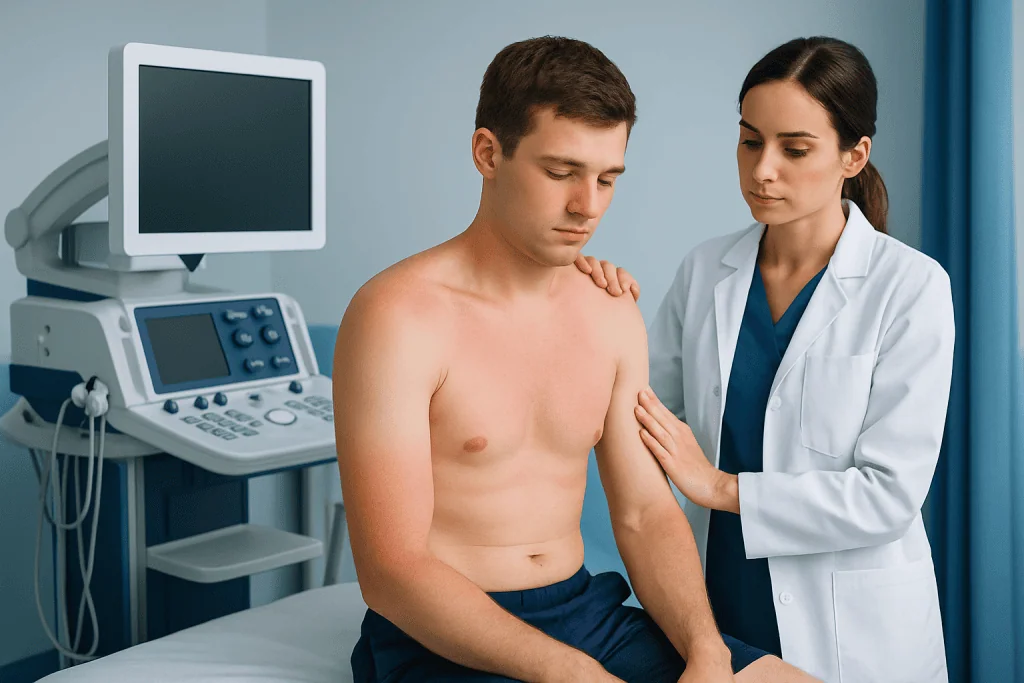
Sunburn symptoms often begin a few hours after UV exposure and may worsen over the next 12 to 24 hours. Common signs include redness, warmth, tenderness, swelling, itching, and pain when the skin is touched. In darker skin tones, sunburn may be less visibly red but can still feel hot, sore, tight, or irritated.
Peeling often starts several days later as damaged skin cells shed. This is part of healing, but it can leave the skin dry and sensitive. Mild sunburn usually affects a limited area and does not cause major swelling, extensive blistering, or whole-body symptoms.
More serious burns may cause large blisters, severe pain, headache, nausea, chills, dizziness, or dehydration. These symptoms can overlap with heat illness, which is a separate medical concern. If a person has significant blistering or feels unwell overall, the situation goes beyond routine home care and should be assessed by a clinician. Severe blistering can also resemble other skin problems, and a doctor may consider conditions such as sun-damaged skin changes or an unrelated inflammatory rash if the appearance is unusual.
Evidence-Backed Home Remedies for Sunburn

The most reliable first step is cooling the skin. A cool shower, cool bath, or cool wet compress can reduce heat and soothe discomfort. The water should be cool rather than icy, because extreme cold can further irritate injured skin. After bathing, the skin should be patted dry gently instead of rubbed.
Moisturizer is one of the most helpful home remedies for sunburn. Applying a fragrance-free moisturizing cream or lotion soon after cooling the skin can reduce dryness and tightness. Aloe vera gel may also help some people feel more comfortable, particularly if it is free of alcohol and added fragrance. Reapplying moisturizer several times a day is often useful while the skin heals.
Drinking extra water is sensible because sunburn and heat exposure can increase fluid loss. Resting in a cool indoor space and wearing loose, soft clothing can also improve comfort. If pain or swelling is bothersome, an over-the-counter anti-inflammatory medicine or pain reliever may help when appropriate for the individual, but it should be used according to the product label and only if a doctor has not advised avoiding it.
For people with more significant symptoms, clinicians may also discuss supportive skin care similar to approaches used in dermatology care for inflamed or irritated skin. The key point is that the gentlest options usually work best. Home care should feel soothing, not stinging or harsh.
What to Avoid: Popular Remedies With Little Support or Possible Harm
Many widely shared sunburn tips are anecdotal rather than evidence-based. Ice placed directly on the skin can worsen pain and may injure already damaged tissue. Butter, cooking oils, and thick greasy products may trap heat on very fresh burns and are not ideal as a first response. Products with benzocaine or lidocaine can sometimes irritate the skin or trigger allergic reactions in some people.
Toothpaste, vinegar, lemon juice, essential oils, and heavily fragranced creams should also be avoided. These are not standard medical treatments for sunburn and may cause more burning, dryness, or irritation. Strong exfoliants, retinoids, and acne treatments can also make inflamed skin feel worse until healing is further along.
Blisters should not be intentionally popped at home. The blister roof protects the area underneath and lowers the chance of infection. If a blister breaks on its own, the area should be cleaned gently with mild soap and water, then covered loosely if needed. Skin that becomes increasingly red, swollen, or draining may need medical assessment for infection, similar to other forms of irritated or damaged skin seen in eczema and skin barrier problems.
Caring for Peeling Skin and Healing Over the Next Few Days
As the initial heat and redness begin to settle, peeling may start. This is a normal part of recovery and does not mean the burn is getting worse by itself. The best approach is to continue gentle moisturizing and avoid picking or scrubbing peeling skin, which can increase irritation and delay healing.
Short, cool showers are usually more comfortable than hot ones. Mild, fragrance-free cleansers are preferred. If clothing rubs against the area, soft cotton garments or light breathable fabrics can reduce discomfort. The burned skin should be kept completely out of direct sun until it has recovered, because even brief UV exposure can intensify inflammation.
If discomfort lasts beyond a few days, if the skin becomes intensely itchy, or if the rash-like appearance is unusual, a clinician may look for other causes of photosensitive skin reactions. In selected cases, specialist assessment through skin evaluation may be appropriate, especially if burns are frequent, severe, or accompanied by changing moles or persistent spots.
When to Seek Medical Care
Red-flag symptoms should lead this decision. Medical care is important if there are large or numerous blisters, severe swelling, very intense pain, fever, chills, nausea, vomiting, dizziness, fainting, confusion, signs of dehydration, or a burn covering a large area of the body. A person should also seek help if the burn affects the face with major swelling, the eyes, the genitals, or if symptoms are worsening instead of improving.
Children, older adults, pregnant people, and anyone with a chronic medical condition may need earlier advice because dehydration and heat-related illness can be more serious in these groups. Sunburn that occurs together with headache, weakness, rapid heartbeat, or feeling very overheated may point to heat exhaustion or another urgent problem, not just skin irritation.
Care is also recommended if blisters become cloudy, the skin starts oozing pus, redness spreads, or there is increasing tenderness after the first couple of days, since these can suggest infection. Eye pain, light sensitivity, or vision changes after intense sun exposure should be assessed promptly. In some situations, supportive treatment may involve fluids, wound care, or evaluation by specialists in emergency medicine or related services.
Near the end of the recovery process, any persistent rough, scaly, or changing lesions should not be dismissed as “just a sunburn.” Ongoing sun damage can sometimes overlap with precancerous or cancerous skin changes, which may need review in services such as skin cancer evaluation. Acibadem International’s multidisciplinary specialists and JCI-accredited hospitals also diagnose and treat sun-related skin conditions for international patients.
Prevention and Self-Care After a Sunburn
The best treatment for sunburn is prevention. Broad-spectrum sunscreen with appropriate SPF, protective clothing, a wide-brimmed hat, and sunglasses all help reduce UV injury. Sunscreen should be applied generously and reapplied as directed, especially after swimming or sweating. Shade is important even on cooler or cloudy days, because UV radiation still reaches the skin.
Avoiding tanning beds is another key step. Indoor tanning exposes the skin to concentrated UV radiation and increases cumulative damage over time. People who burn easily, take photosensitizing medications, or have a history of skin problems should be especially careful and may benefit from individualized advice from a dermatologist.
After a sunburn, the skin remains vulnerable for some time. Continuing gentle moisturizing, avoiding further sun exposure, and wearing protective clothing can lower the chance of another injury while the barrier heals. Repeated sunburns are linked to long-term skin damage, so prevention is not only about comfort today but also about future skin health.
Frequently asked questions
What is the best immediate home treatment for sunburn?
The best first steps are to move out of the sun, cool the skin with a cool shower or compress, and apply a gentle fragrance-free moisturizer. Drinking fluids and resting in a cool environment also help. Ice should not be placed directly on the skin.
Does aloe vera help sunburn?
Aloe vera gel may help soothe mild sunburn and can feel cooling and comfortable on irritated skin. It works best when it is free of alcohol and strong fragrance. It is a supportive option, not a cure, and it should not replace medical care for severe burns.
Should blisters from sunburn be popped?
No, blisters should generally be left intact because they protect the skin underneath and reduce infection risk. If one breaks on its own, the area should be cleaned gently and monitored for increasing redness, drainage, or pain. Large or widespread blisters should be assessed by a doctor.
How long does sunburn take to heal?
Mild sunburn often improves over a few days, while peeling can continue for several more days. More severe burns, especially those with blisters, may take longer. Healing time varies depending on skin type, the amount of UV exposure, and whether the skin is protected from further sun.
Can moisturizer make sunburn worse?
A gentle fragrance-free moisturizer usually helps by reducing dryness and tightness. Products that contain alcohol, strong fragrance, exfoliating acids, or retinoids may sting and worsen irritation. Very heavy greasy products may also feel uncomfortable on freshly burned, hot skin.
When should someone see a doctor for sunburn?
A doctor should be contacted for large blisters, severe pain, fever, vomiting, dizziness, dehydration, confusion, or a burn covering a large area. Medical advice is also important if the eyes are involved, if symptoms are getting worse, or if there are signs of infection. Children and older adults may need earlier evaluation.
References
- American Academy of Dermatology
- Centers for Disease Control and Prevention
- National Institutes of Health
- World Health Organization
This article is for general information only and is not a substitute for professional medical advice. Please consult a qualified doctor about your individual situation.
Explore treatments in Turkey — costs, top hospitals & a free quote
JCI-accredited · board-certified surgeons · reply within 24h
Add us as a Preferred Source to see more of our trusted health content across Google Search, AI Overviews and Discover.