Home Sleep Apnea Testing vs Sleep Lab Study: Which Is Right for You?
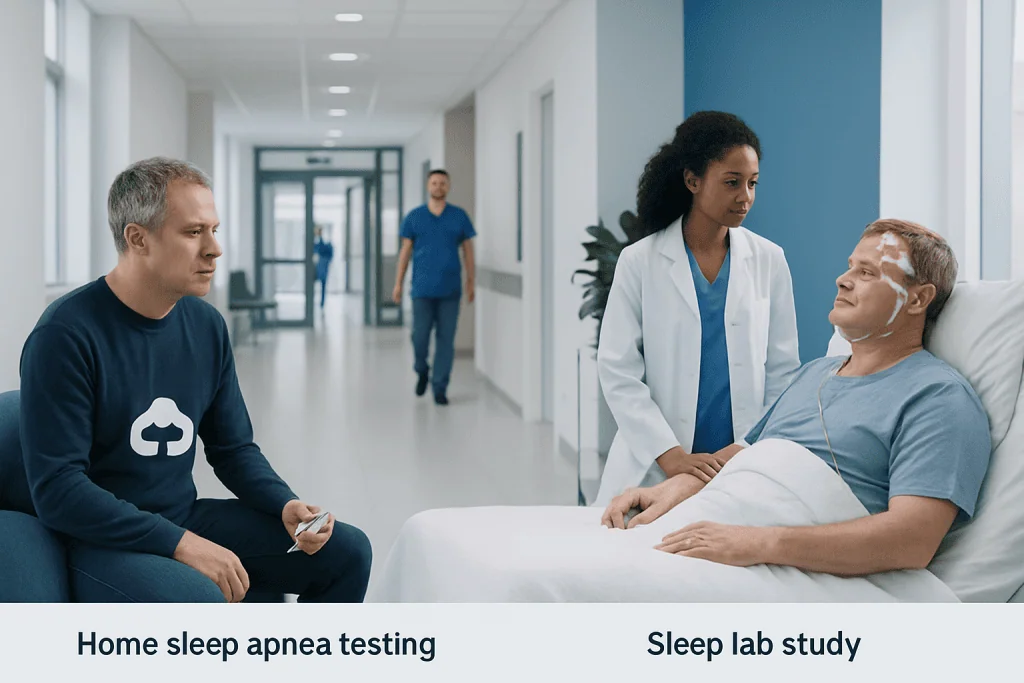
Home sleep apnea tests are usually used to evaluate adults with suspected uncomplicated obstructive sleep apnea. A sleep lab study, also called polysomnography, records more body signals and can diagnose a wider range of sleep disorders.
Key Takeaways
- Home sleep apnea tests are usually used to evaluate adults with suspected uncomplicated obstructive sleep apnea.
- A sleep lab study, also called polysomnography, records more body signals and can diagnose a wider range of sleep disorders.
- People with significant heart, lung, or neurological conditions often need an in-lab sleep study rather than home testing.
- A normal home test does not always rule out sleep apnea if symptoms remain strong.
- The best test is chosen after a clinician reviews symptoms, medical history, and sleep-related risks.
Home sleep apnea tests and sleep lab studies both help diagnose sleep-disordered breathing, but they are designed for different situations. The right choice depends on symptoms, overall health, and whether a person may have a straightforward case of obstructive sleep apnea or a more complex sleep problem.
Overview: How These Two Sleep Tests Differ
Home sleep apnea testing and in-lab sleep studies are both important tools for evaluating breathing problems during sleep. They are not competing technologies so much as different options for different patients. The main goal of both is to find out whether a person has sleep apnea, especially obstructive sleep apnea, and how severe it may be.
A home sleep apnea test is done outside the hospital, usually at home, with portable equipment. It typically measures breathing effort, airflow, oxygen levels, and sometimes body position or snoring. This makes it more convenient for many people, but it gathers less information than a full sleep lab study.
A sleep lab study, called polysomnography, takes place in a monitored setting and records many more signals. These may include brain waves, eye movements, muscle activity, heart rhythm, breathing patterns, oxygen levels, and leg movements. Because it is more comprehensive, it can diagnose not only obstructive sleep apnea but also other sleep-related conditions.
Choosing between the two is a medical decision based on symptoms, risk factors, and overall health. For some adults with a high likelihood of uncomplicated obstructive sleep apnea, a home test may be an appropriate first step. For others, a lab study is the safer and more accurate choice.
Who May Benefit From Home Sleep Apnea Testing
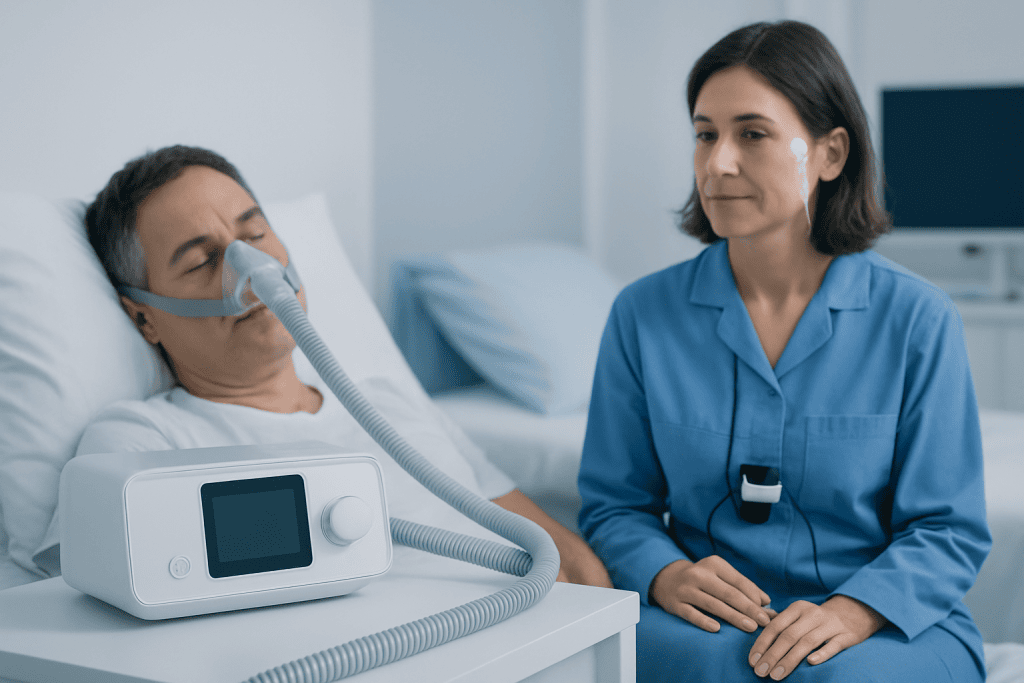
Home sleep apnea testing is often considered for adults who have a strong likelihood of obstructive sleep apnea and no major complicating medical issues. Typical symptoms include loud snoring, witnessed pauses in breathing, waking up gasping, daytime sleepiness, morning headaches, and unrefreshing sleep. In the right setting, home testing can help confirm the diagnosis without the need for an overnight stay in a sleep center.
This option may appeal to people who prefer to sleep in their own bed or who feel anxious about spending the night in a laboratory. It can also be useful when a clinician mainly needs to answer one question: is obstructive sleep apnea likely present? For many straightforward cases, the answer may be clear enough with home-based monitoring.
However, home testing has limits. It usually does not measure sleep stages, so it cannot always show exactly how much true sleep a person got during the study. If equipment shifts during the night or data are incomplete, the test may miss events or need to be repeated.
In general, home testing is most helpful when the clinical picture is clear and the main concern is obstructive sleep apnea rather than a broader sleep disorder. If symptoms do not fit this pattern, a more detailed study is often better.
When a Sleep Lab Study Is the Better Choice
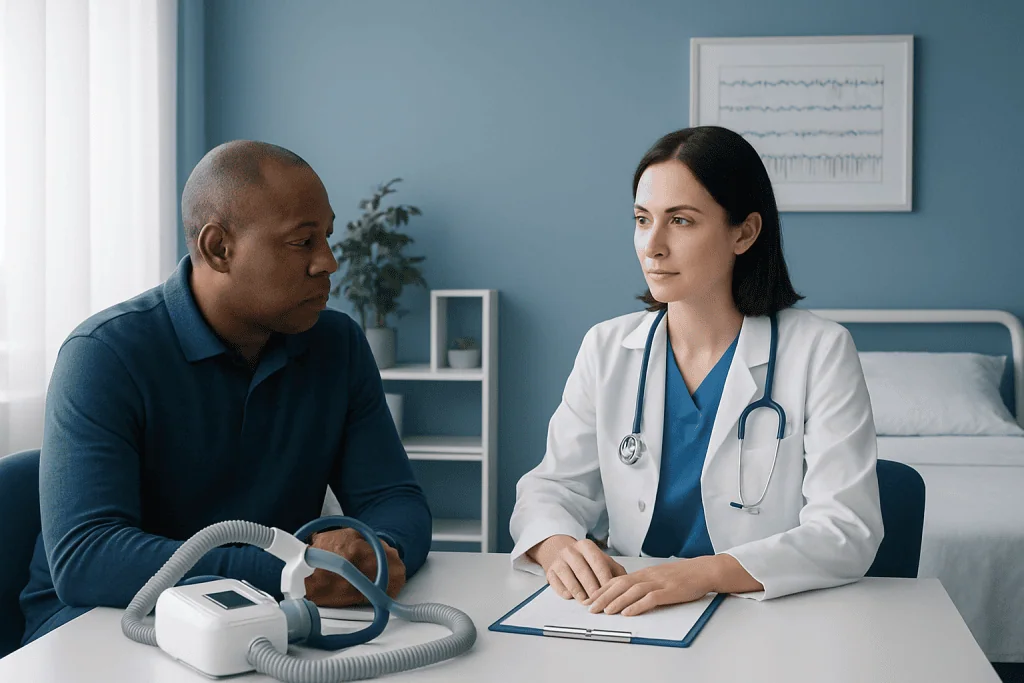
A sleep lab study is usually recommended when a person may have a more complex sleep problem or when home testing may not provide reliable enough answers. This is often the case for people with certain heart or lung conditions, neuromuscular disease, stroke history, chronic opioid use, or suspected central sleep apnea. It is also preferred when symptoms suggest another sleep disorder beyond obstructive sleep apnea.
Polysomnography is especially valuable if the person has insomnia, unusual movements during sleep, suspected narcolepsy, parasomnias, or significant nighttime oxygen problems. Because the study tracks brain activity and body signals in detail, it can show whether breathing events happen in specific sleep stages or positions and whether they are accompanied by arousals or rhythm changes.
Children generally require more specialized evaluation, and many are better assessed with an in-lab study rather than home testing. The same may be true for adults whose symptoms are severe but whose home study is negative or inconclusive. In these situations, a sleep lab study can clarify the diagnosis and reduce the chance of missed treatment opportunities.
For some patients, the sleep lab can also be used to guide treatment decisions, such as pressure-based therapy. If obstructive sleep apnea is confirmed, a clinician may discuss next steps that can include lifestyle measures, oral appliances, or sleep apnea treatment tailored to the individual.
What Each Test Measures
The biggest difference between these tests is the amount of information they collect. A home sleep apnea test usually monitors a limited set of breathing-related parameters. Depending on the device, these may include nasal airflow, breathing effort through chest or abdominal belts, pulse rate, blood oxygen saturation, and snoring signals. Some devices also estimate body position during sleep.
By contrast, polysomnography in a sleep lab measures a broader physiologic picture. It commonly includes electroencephalography to identify sleep stages, eye movements, chin and leg muscle activity, heart rhythm, airflow, respiratory effort, and oxygen levels. This fuller view helps specialists distinguish between obstructive events, central events, sleep fragmentation, movement disorders, and other causes of poor sleep.
This difference matters because not all nighttime symptoms are caused by the same condition. Someone who snores and feels sleepy may indeed have sleep apnea, but another person may have periodic limb movements, insomnia, circadian rhythm issues, or another breathing pattern that a home device cannot fully assess. A home test can be very useful, but it is intentionally narrower in scope.
Patients sometimes assume that more technology always means a better test. In reality, the best test is the one that answers the right clinical question. A simpler test can be appropriate when the diagnosis is likely straightforward, while a comprehensive study is more helpful when the picture is less clear.
Accuracy, Limitations, and False Reassurance
Both home sleep apnea testing and sleep lab studies are clinically valuable, but they are not interchangeable in every situation. A well-performed home test can accurately identify many cases of moderate or severe obstructive sleep apnea in adults who fit the expected pattern. Still, it may underestimate disease severity because it does not directly measure when a person is asleep versus awake.
This matters because breathing events are often calculated over recording time in home testing rather than true sleep time. If a person lies awake for long periods, the result may look milder than the actual problem. In addition, sensors may become displaced during the night, reducing data quality.
A negative home test does not always mean that sleep apnea is absent. If symptoms remain strong, clinicians often recommend a sleep lab study to investigate further. This is an important safety point, because false reassurance can delay care.
In-lab polysomnography is usually considered the more comprehensive reference standard for diagnosing a wide range of sleep disorders. It is not necessary for everyone, but it is particularly useful when the first test is unclear, symptoms are severe, or medical complexity raises the stakes of missing the diagnosis.
How Doctors Choose the Right Test
Choosing the right test begins with a careful clinical assessment. A doctor reviews symptoms such as snoring, witnessed pauses in breathing, choking during sleep, fatigue, concentration problems, and morning headaches. They also ask about body weight, blood pressure, medications, alcohol use, nasal blockage, and sleep habits.
Medical history is equally important. Conditions such as heart failure, chronic lung disease, certain neurological disorders, prior stroke, or suspected central breathing problems may shift the decision toward in-lab testing. If another disorder is possible, such as insomnia or movement-related sleep problems, a lab study is often more informative.
Sometimes the decision is also shaped by what will happen after diagnosis. If the clinician anticipates that a patient may need closer monitoring or more detailed planning, a comprehensive test can be more efficient. In some cases, care may involve specialists in sleep medicine, respiratory medicine, cardiology, or ear, nose, and throat care, depending on the cause of airway obstruction.
If obstructive sleep apnea is diagnosed, treatment planning may include options such as CPAP therapy or, in selected cases, evaluation of the upper airway by specialists who manage related conditions such as a deviated septum when nasal blockage contributes to sleep-related breathing difficulties.
What to Expect Before and After Testing
Before either type of test, patients are usually advised to follow their clinician’s instructions about medications, caffeine, alcohol, and usual sleep schedules. For home testing, the person is shown how to place the sensors and use the device correctly. Clear instructions are important because proper setup improves the chance of a useful recording.
For a sleep lab study, the patient spends the night in a specialized unit where sensors are attached by trained staff. Although the equipment may feel unfamiliar at first, the setting is designed to be as comfortable as possible. A technician monitors the study and can help if a sensor becomes loose.
After the test, a sleep specialist interprets the results in the context of symptoms and medical history. The report may describe the frequency of breathing interruptions, oxygen changes, sleep quality, and whether there are signs of another disorder. Results are not based on the machine alone; they are part of a broader clinical assessment.
If treatment is needed, options depend on the diagnosis and severity. These may range from weight management, positional strategies, and oral appliances to septoplasty in carefully selected people with structural nasal obstruction, or other approaches recommended by a qualified team. Acibadem International’s multidisciplinary specialists in JCI-accredited hospitals diagnose and treat sleep-related breathing disorders for international patients.
When to Seek Medical Advice
It is sensible to seek medical advice if a person snores loudly, stops breathing during sleep, wakes up gasping, or feels persistently sleepy during the day. Other reasons to ask for evaluation include morning headaches, difficulty concentrating, resistant high blood pressure, and poor-quality sleep despite enough time in bed. These symptoms do not always mean sleep apnea, but they deserve attention.
Urgent medical review is especially important if nighttime breathing problems occur along with serious heart or lung disease, severe daytime drowsiness that affects driving or work safety, or symptoms such as chest pain or fainting. A clinician can decide whether home testing is appropriate or whether a supervised sleep lab study is the safer option.
People should also return for follow-up if they have already had a home study that was normal but still have strong symptoms. Persistent concerns should not be dismissed, because a different test or a broader sleep evaluation may be needed. Good diagnosis is the foundation of effective treatment.
The most helpful question is not which test is easier, but which test is most likely to give a clear and clinically useful answer. A qualified sleep specialist can guide that choice with reassurance and care.
Frequently asked questions
Is a home sleep apnea test as good as a sleep lab study?
A home sleep apnea test can work well for many adults who are strongly suspected of having uncomplicated obstructive sleep apnea. A sleep lab study is more detailed and is better when symptoms are complex, another sleep disorder is possible, or important medical conditions are present.
Can a home sleep test miss sleep apnea?
Yes, it can. Home tests may underestimate or miss sleep apnea, especially if the data are incomplete, the person is awake for long periods, or the breathing problem is not a typical obstructive pattern. If symptoms remain strong after a negative test, an in-lab study is often recommended.
Who should not rely on home sleep apnea testing alone?
People with significant heart, lung, neuromuscular, or neurological conditions often need a sleep lab study. Home testing may also be less suitable when central sleep apnea, insomnia, unusual sleep behaviors, or other sleep disorders are suspected.
What is polysomnography?
Polysomnography is a full overnight sleep study performed in a specialized center. It records brain waves, breathing, oxygen levels, heart rhythm, muscle activity, and other signals to provide a detailed picture of sleep and breathing.
If I snore, do I need a sleep study?
Not everyone who snores has sleep apnea, but loud habitual snoring can be an important clue. A doctor will look at other symptoms such as daytime sleepiness, witnessed pauses in breathing, and blood pressure before deciding whether testing is needed.
What happens if sleep apnea is found?
Treatment depends on the type and severity of sleep apnea and the person's overall health. Common options include lifestyle changes, positional strategies, oral appliances, CPAP therapy, and sometimes evaluation for structural airway problems.
References
- American Academy of Sleep Medicine
- National Heart, Lung, and Blood Institute
- American Thoracic Society
- American Academy of Otolaryngology–Head and Neck Surgery
- Mayo Clinic
This article is for general information only and is not a substitute for professional medical advice. Please consult a qualified doctor about your individual situation.
Sleep Apnea in Turkey — costs, top hospitals & a free quote
JCI-accredited · board-certified surgeons · reply within 24h
Add us as a Preferred Source to see more of our trusted health content across Google Search, AI Overviews and Discover.

Otorhinolaryngology (ENT)
Care for ear, nose, throat and head-and-neck conditions, including hearing and balance disorders.
126 specialists in this unit