Hormonal Belly: An Evidence-Based Guide for Patients

Hormonal belly refers to abdominal fat gain that may be affected by hormones, but it is not a medical diagnosis on its own. Stress, poor sleep, menopause, insulin resistance, thyroid disorders, and some medicines can all contribute.
Key Takeaways
- Hormonal belly refers to abdominal fat gain that may be affected by hormones, but it is not a medical diagnosis on its own.
- Stress, poor sleep, menopause, insulin resistance, thyroid disorders, and some medicines can all contribute.
- Abdominal weight gain is often best assessed together with symptoms such as fatigue, menstrual changes, hair loss, or high blood sugar.
- Treatment depends on the cause and may include lifestyle changes, medication review, and care for hormone or metabolic conditions.
- Medical advice is important if belly weight gain is rapid, unexplained, or paired with other concerning symptoms.
Hormonal belly is a common term for weight gain around the abdomen that may be influenced by hormones, aging, stress, sleep, medications, and underlying medical conditions. It is not a diagnosis by itself, so proper evaluation focuses on the pattern of symptoms, overall health, and possible causes.
What hormonal belly means
Hormonal belly is a non-medical term people often use to describe fat gain around the abdomen that seems connected to changing hormones. In many cases, hormones do play a role, but the picture is usually broader. Body fat distribution can also be influenced by age, genetics, activity level, sleep quality, stress, diet, medications, and conditions such as insulin resistance or thyroid disease.
For patients, the most helpful way to think about hormonal belly is not as a single disease, but as a clue. When abdominal weight gain appears together with symptoms such as irregular periods, hot flashes, fatigue, increased hunger, acne, or changes in blood sugar, a hormone-related or metabolic cause may be worth exploring.
Abdominal fat itself is not all the same. Some lies just under the skin, while some is deeper around internal organs. That deeper abdominal fat is more closely linked with metabolic health risks. This is one reason doctors look beyond appearance alone and consider waist size, weight trends, blood pressure, cholesterol, and glucose levels.
How hormones can affect abdominal fat
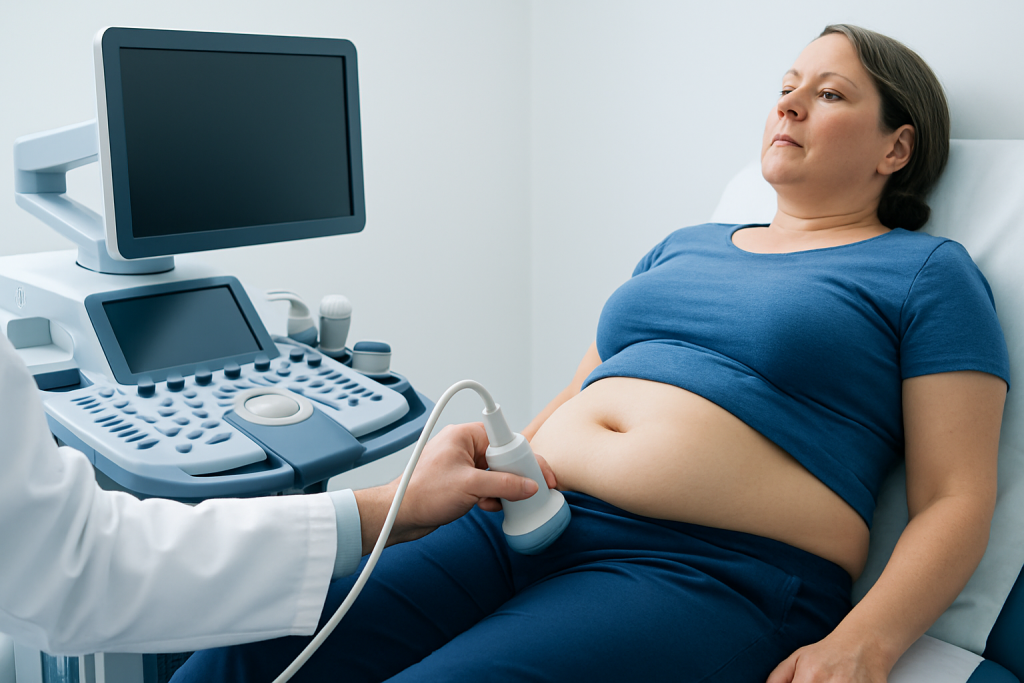
Hormones help regulate how the body stores energy, manages appetite, builds muscle, and responds to stress. When these systems shift, fat may be more likely to collect around the midsection. This can happen gradually over time or become more noticeable during life stages such as menopause, after pregnancy, or during prolonged stress.
Cortisol, sometimes called the stress hormone, can influence appetite, sleep, and fat storage when stress is ongoing. Estrogen changes, especially around perimenopause and menopause, may shift fat distribution from the hips and thighs toward the abdomen. Insulin also matters because when the body becomes less responsive to it, more energy may be stored as fat and blood sugar can rise.
Thyroid hormones affect metabolism, so low thyroid function may contribute to weight gain, fatigue, dry skin, and constipation. Other endocrine disorders can also change body shape and weight. For example, signs of polycystic ovary syndrome may include irregular periods, acne, and weight gain, while severe excess cortisol from Cushing syndrome can cause central weight gain along with other distinctive symptoms.
Common signs and related symptoms

The main feature people notice is increasing waist size or a feeling that clothing is tighter around the abdomen, even if weight elsewhere changes less. Some patients also describe bloating, but true bloating and fat gain are different. Bloating tends to fluctuate during the day, while fat gain is more persistent over time.
Symptoms that may suggest a hormone or metabolic contributor include fatigue, poor sleep, increased cravings, low mood, heat or cold intolerance, constipation, hair thinning, acne, irregular menstrual cycles, reduced muscle mass, and changes in libido. In menopause, hot flashes and night sweats may happen alongside a changing body shape.
It is also important to look for signs of related health issues. These can include elevated blood sugar, high blood pressure, snoring or sleep apnea, and cholesterol changes. In some people, abdominal weight gain develops as part of a broader pattern of obesity, which may require structured medical support rather than self-directed dieting alone.
- Gradual increase in waist circumference
- Persistent central fat rather than day-to-day bloating
- Fatigue, poor sleep, or stress-related eating
- Irregular periods, menopausal symptoms, or fertility concerns
- Signs of insulin resistance, such as increased hunger or rising blood sugar
Possible causes and risk factors
Several factors can contribute to hormonal belly, and more than one is often present at the same time. Age-related changes in muscle mass and metabolism can make abdominal fat easier to gain. Lower physical activity, long sitting hours, and diets high in ultra-processed foods may also play a part, especially when combined with poor sleep or chronic stress.
Hormonal transitions are another common reason patients notice a change. Perimenopause and menopause can alter fat distribution. Polycystic ovary syndrome may contribute through insulin resistance and androgen excess. Thyroid disorders can slow metabolism, and excess cortisol, whether from stress, steroid medicines, or rare endocrine conditions, can promote central weight gain.
Medications may matter as well. Some antidepressants, steroids, diabetes medicines, and hormonal therapies can affect appetite, fluid balance, or fat storage. Family history can influence where the body tends to store fat. Because the causes vary, it is often useful to review symptoms, medication lists, sleep habits, and medical history with a doctor instead of assuming all abdominal weight gain is simply due to willpower or diet.
How doctors evaluate hormonal belly
Evaluation usually begins with a detailed history and physical examination. A doctor may ask when the weight gain started, whether it has been rapid or gradual, what other symptoms are present, and whether there have been recent life changes such as pregnancy, menopause, stress, or new medications. Waist measurement, body weight trends, and blood pressure can offer useful clues.
Tests depend on the individual situation. They may include blood glucose or HbA1c, cholesterol, thyroid function tests, liver tests, and sometimes hormone testing if symptoms suggest a specific endocrine condition. Hormone tests are not needed for everyone with abdominal weight gain, but they can be helpful when there are menstrual changes, signs of androgen excess, or symptoms that point to a thyroid or cortisol problem.
In some patients, the main issue is metabolic health rather than a single hormone disorder. If insulin resistance or complications of excess abdominal fat are suspected, doctors may recommend broader assessment and support through obesity treatment or specialist care. When endocrine causes are suspected, patients may be referred for endocrinology evaluation to clarify the diagnosis and plan treatment.
Treatment options and what can help
Treatment depends on the cause. If hormonal belly is linked to menopause, thyroid disease, PCOS, insulin resistance, sleep problems, or medication side effects, addressing that underlying issue is usually more effective than focusing only on calories. For some patients, treatment may involve medication changes, structured nutrition support, physical activity planning, or targeted therapy for a diagnosed condition.
Lifestyle measures remain important because they improve both weight regulation and hormone health. Strength training can help preserve or rebuild muscle, which supports metabolism. Regular aerobic exercise benefits insulin sensitivity and heart health. Eating patterns that emphasize vegetables, fruit, lean protein, legumes, whole grains, and minimally processed foods may help reduce overall calorie intake and improve fullness without extreme restriction.
Sleep and stress management are often overlooked but can make a meaningful difference. Poor sleep can increase hunger hormones and cravings, while chronic stress may reinforce emotional eating and disrupt routine. For selected patients with severe obesity or obesity-related health problems, doctors may discuss medical weight management or bariatric surgery as part of long-term care.
Near the end of the care pathway, some patients benefit from coordinated support from endocrinology, nutrition, gynecology, and internal medicine. Acibadem International’s multidisciplinary specialists and JCI-accredited hospitals diagnose and treat hormone and weight-related conditions for international patients when a more comprehensive assessment is needed.
Self-care, prevention, and realistic expectations
There is no single food, supplement, or short-term detox that specifically removes hormonal belly. A realistic plan aims to improve health markers and reduce abdominal fat gradually over time. This usually works best when the approach is sustainable, flexible, and matched to a person’s age, medical history, and daily routine.
Helpful habits include regular meals with enough protein and fiber, limiting sugary drinks, reducing highly processed snacks, staying physically active most days, and prioritizing sleep. Resistance training is especially valuable because muscle naturally declines with age and lower muscle mass can reduce metabolic rate. Even modest weight loss can improve blood sugar, blood pressure, and energy levels.
Prevention also includes routine medical care. Tracking waist size, checking blood pressure, and having periodic screening for diabetes, cholesterol disorders, and thyroid problems may help detect issues early. Patients should be cautious with online advice that promises fast hormone balancing, as these claims are often oversimplified and may delay proper diagnosis.
When to seek medical care
Medical advice is appropriate if abdominal weight gain is rapid, unexplained, or difficult to understand, especially when it happens with other symptoms. This includes marked fatigue, muscle weakness, irregular periods, new facial hair growth, severe hot flashes, snoring, rising blood sugar, or swelling. A professional assessment can help determine whether the change is mainly lifestyle-related or linked to a medical condition.
Prompt review is also important if there are symptoms such as persistent abdominal pain, vomiting, blood in the stool, unexplained fever, or sudden abdominal swelling, because these are not typical features of hormonal belly and may point to other causes. Children, adolescents, and people who are pregnant should not self-diagnose abdominal changes as hormonal without medical guidance.
For many patients, the goal is not simply a flatter stomach but better metabolic and hormonal health overall. A doctor can help set realistic expectations, look for treatable causes, and create a plan that supports long-term wellbeing rather than quick fixes.
Frequently asked questions
Is hormonal belly a real medical diagnosis?
Hormonal belly is a common descriptive term, not a formal medical diagnosis. It usually refers to abdominal fat gain that may be influenced by hormones, but evaluation is needed to understand the actual cause.
Can stress cause hormonal belly?
Stress can contribute, especially when it is ongoing and affects sleep, appetite, and daily habits. Stress-related hormone changes may make abdominal fat gain more likely, but stress is usually only one part of the picture.
Does menopause cause belly fat?
Menopause can change where the body stores fat, making abdominal fat more common. Lower estrogen, aging, and loss of muscle mass can all contribute, which is why exercise, sleep, and medical review may be helpful.
How is hormonal belly different from bloating?
Bloating is usually a temporary feeling of fullness or swelling that can vary during the day. Hormonal belly generally refers to a more persistent increase in abdominal fat or waist size over time.
What tests might a doctor order for hormonal belly?
Tests depend on symptoms and medical history. Common examples include blood sugar testing, cholesterol levels, thyroid function tests, and sometimes hormone tests when there are menstrual changes, signs of PCOS, or suspected cortisol problems.
Can hormonal belly be reduced without surgery?
Yes, many people improve abdominal fat through a combination of nutrition changes, exercise, better sleep, stress management, and treatment of any underlying condition. Surgery is considered only for selected patients with obesity or related health complications.
This article is for general information only and is not a substitute for professional medical advice. Please consult a qualified doctor about your individual situation.
Medical weight-loss options in Turkey — costs & eligibility
JCI-accredited · board-certified surgeons · reply within 24h
Add us as a Preferred Source to see more of our trusted health content across Google Search, AI Overviews and Discover.
Check your numbers in seconds
BMI, calories, due date, blood pressure and 30+ more clinical calculators — free, instant, doctor-reviewed ranges.

More from the Health Library

Early Warning Signs Your General Health May Need Medical Attention

Backache Muscle Strain: A Complete Medical Overview

Understanding the Health Context of a 130 kg Weight

Pine Bark: An Evidence-Based Guide for Patients

Ovu Kit: An Evidence-Based Guide for Patients