Hormonal Imbalance in Women: Signs, Causes, and Next Steps

Hormonal imbalance in women can affect menstrual cycles, mood, sleep, skin, weight, and fertility. Symptoms may be linked to life stages such as puberty, pregnancy, and menopause, or to medical conditions like PCOS or thyroid disease.
Key Takeaways
- Hormonal imbalance in women can affect menstrual cycles, mood, sleep, skin, weight, and fertility.
- Symptoms may be linked to life stages such as puberty, pregnancy, and menopause, or to medical conditions like PCOS or thyroid disease.
- Diagnosis usually combines medical history, physical examination, and selected blood tests or imaging.
- Treatment depends on the cause and may include lifestyle changes, medicines, or specialist care.
- Persistent, severe, or rapidly changing symptoms should be assessed by a qualified doctor.
Hormonal imbalance in women is not a single disease but a pattern of symptoms caused by changes in hormones such as estrogen, progesterone, thyroid hormones, insulin, and cortisol. Understanding the signs, causes, and treatment options can help women seek the right care and feel more in control of their health.
Overview
Hormones are chemical messengers that help regulate many essential body functions. In women, they influence menstrual cycles, ovulation, fertility, metabolism, mood, sleep, body temperature, bone health, and skin. Because hormones work together in a complex system, even small shifts can sometimes lead to noticeable symptoms.
The phrase “hormonal imbalance” is often used when hormone levels are too high, too low, or fluctuating in a way that causes symptoms. It is important to know that this term does not point to one specific illness. Instead, it describes a possible result of natural life stages, lifestyle factors, or an underlying medical condition.
Hormonal changes can happen during puberty, around the menstrual cycle, during pregnancy, after childbirth, and through the menopause transition. In other cases, symptoms may be related to conditions such as polycystic ovary syndrome (PCOS), thyroid disorders, diabetes, or problems affecting the ovaries, pituitary gland, or adrenal glands.
Many women worry when symptoms affect daily life, but the good news is that evaluation is usually straightforward and treatment is often available. A careful medical assessment can help identify whether symptoms are due to expected hormonal shifts or a condition that needs targeted care.
Common Signs and Symptoms
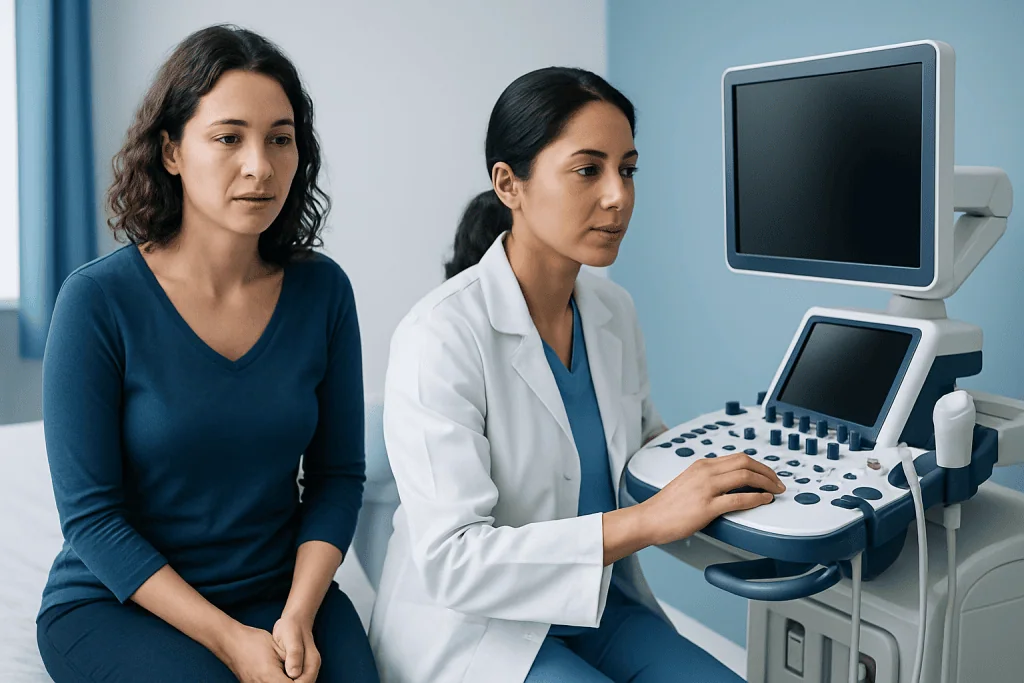
Symptoms of hormonal imbalance in women can look different from one person to another. Some women mainly notice changes in their periods, while others experience effects on energy, sleep, emotions, skin, or weight. The pattern, severity, and timing of symptoms often provide useful clues.
Menstrual changes are among the most common signs. Periods may become irregular, unusually heavy, very light, more painful than usual, or absent for several months. Some women also notice spotting between periods or symptoms related to ovulation changes, including difficulty becoming pregnant.
Other symptoms can include acne, increased facial or body hair, hair thinning on the scalp, breast tenderness, bloating, hot flashes, night sweats, vaginal dryness, reduced sex drive, mood swings, anxiety, low mood, poor concentration, and tiredness. Weight gain or difficulty losing weight may also occur, especially when thyroid function or insulin balance is involved.
- Irregular or missed periods
- Heavy bleeding or spotting
- Acne or oily skin
- Hair loss or unwanted hair growth
- Hot flashes or night sweats
- Sleep disturbance and fatigue
- Mood changes or irritability
- Weight changes or increased cravings
These symptoms are not always caused by hormones alone. They can overlap with stress, nutritional issues, sleep problems, mental health concerns, and other medical conditions. That is why a full evaluation is more helpful than relying on symptoms alone.
Causes and Risk Factors

There are many possible causes of hormonal imbalance in women. Some are part of normal life, such as puberty, pregnancy, postpartum recovery, breastfeeding, and perimenopause or menopause. During these times, hormone levels naturally rise and fall, and symptoms may appear temporarily or over a longer transition.
Medical conditions are another important cause. PCOS can affect ovulation and androgen levels, leading to irregular periods, acne, and excess hair growth. Thyroid disorders can slow down or speed up metabolism and may cause tiredness, menstrual changes, and weight shifts. Insulin resistance and diabetes can also influence hormone balance, while disorders of the adrenal or pituitary glands may affect cortisol and other hormones.
Certain lifestyle factors may contribute or worsen symptoms. Ongoing stress can affect cortisol and sleep. Major weight changes, very restrictive eating, over-exercising, poor sleep, and some medications can interfere with menstrual and metabolic hormones. Smoking may also affect estrogen levels and menopause timing.
Risk factors depend on the underlying cause, but may include a family history of thyroid disease, PCOS, early menopause, diabetes, or autoimmune conditions. Women should also remember that not every symptom reflects “bad hormones.” Sometimes the body is responding to a broader health issue that deserves attention.
How Doctors Diagnose Hormonal Imbalance
Diagnosis begins with a detailed conversation about symptoms, menstrual history, pregnancies, medications, sleep, stress, weight changes, and family history. A doctor will usually ask when symptoms started, whether they are linked to the menstrual cycle, and whether they are affecting fertility, mood, or quality of life.
A physical examination may include checking blood pressure, weight, skin changes, hair growth patterns, signs of thyroid enlargement, and other clues. Depending on the situation, blood tests may be recommended to look at hormones such as thyroid hormones, prolactin, reproductive hormones, glucose, insulin, or other markers. The timing of some tests may depend on the menstrual cycle.
Imaging is sometimes useful. For example, pelvic ultrasound may help evaluate the ovaries and uterus when periods are irregular or heavy, while additional tests may be ordered if a thyroid, adrenal, or pituitary problem is suspected. In women with heavy bleeding, doctors may also look for non-hormonal causes such as fibroids or structural changes.
It is important to know that there is no single test that explains every case of hormonal imbalance. Results need to be interpreted alongside symptoms and life stage. A thoughtful, individualized approach is usually the best way to reach an accurate diagnosis and decide whether further care, such as endocrinology evaluation, is needed.
Treatment Options
Treatment depends on the cause, the woman’s age, whether pregnancy is desired, and how severe the symptoms are. In some cases, reassurance and monitoring are enough, especially when symptoms are related to a normal transition such as early perimenopause. In other cases, active treatment can improve symptoms and protect long-term health.
Doctors may recommend lifestyle measures such as improving sleep, reducing stress, supporting a balanced diet, and aiming for regular physical activity. These steps can be especially helpful for insulin resistance, cycle irregularity linked to weight changes, and stress-related hormonal disruption. However, self-care alone may not be enough if there is an underlying endocrine or gynecologic condition.
Medical treatment may include hormonal therapies, treatment for thyroid disease, approaches to regulate blood sugar, or medicines aimed at specific symptoms such as acne or abnormal bleeding. When periods are heavy or pelvic pain is present, gynecologic evaluation may be needed to rule out conditions such as endometriosis or other reproductive health concerns. For women with fertility concerns, a doctor may discuss ovulation assessment or fertility treatment options.
Women with symptoms related to menopause may benefit from a tailored discussion about symptom relief, bone health, and cardiovascular health. In more complex cases, coordinated care across endocrinology, gynecology, dermatology, nutrition, or mental health can be useful. Near the end of the care journey, some patients choose international centers such as Acibadem International, where multidisciplinary specialists in JCI-accredited hospitals assess and treat hormone-related conditions for international patients.
Prevention and Self-care
Not every hormonal problem can be prevented, especially when it is linked to age, genetics, or certain medical conditions. Still, healthy daily habits can support overall hormonal health and may reduce the impact of some symptoms. Small, consistent changes often matter more than strict or short-term routines.
Helpful self-care includes regular meals, enough protein and fiber, limited ultra-processed foods, good sleep habits, and regular movement. Managing stress through relaxation techniques, walking, mindfulness, or counseling may also help women whose symptoms worsen during emotionally demanding periods. If periods stop because of under-eating or excessive exercise, restoring energy balance is important and should be guided by a doctor.
Tracking symptoms can also be useful. Recording menstrual timing, bleeding patterns, hot flashes, mood changes, headaches, sleep quality, and weight changes can help both the patient and doctor identify patterns. Women who are trying to conceive may also benefit from monitoring ovulation-related symptoms and discussing early support if cycles are very irregular.
Self-care should not replace medical evaluation when symptoms are persistent, worsening, or unusual. Over-the-counter supplements marketed for “hormone balance” are not always evidence-based and may interact with medicines. Before starting supplements or restrictive diets, it is safest to seek professional advice.
When to See a Doctor
Women should consider seeing a doctor if hormonal symptoms continue for more than a few cycles, interfere with daily life, or cause concern. This is especially important when periods become very irregular, stop unexpectedly, or are unusually heavy. Medical advice is also helpful when symptoms such as acne, excess hair growth, hot flashes, or fatigue appear suddenly or worsen over time.
Urgent assessment may be needed for very heavy bleeding, severe pelvic pain, fainting, chest pain, or symptoms of pregnancy complications. A doctor should also be consulted if there are signs of thyroid disease, such as marked sensitivity to cold or heat, palpitations, unexplained weight change, or swelling in the neck.
Women who are trying to become pregnant should seek guidance if they have irregular cycles, no periods, or trouble conceiving after a reasonable period of trying based on age and circumstances. Early assessment may help identify ovulation problems, thyroid issues, or PCOS and direct women toward appropriate care, including gynecologic evaluation when needed.
Hormonal symptoms are common, and many causes are manageable. Seeking care does not mean something serious is wrong; it is simply the best way to understand what the body is signaling and to choose the most suitable next steps.
Frequently asked questions
What is hormonal imbalance in women?
Hormonal imbalance in women refers to symptoms caused by hormone levels that are too high, too low, or fluctuating in a way that affects the body. It is not one single disease, but a description that can apply to natural life stages or medical conditions.
Can stress cause hormonal imbalance?
Stress can influence hormones, especially cortisol, and may affect sleep, appetite, menstrual regularity, and energy. While stress may not be the only cause, it can make hormone-related symptoms more noticeable or harder to manage.
Does hormonal imbalance always mean PCOS?
No, PCOS is only one possible cause. Thyroid disease, perimenopause, pregnancy-related changes, high prolactin, weight changes, medications, and other endocrine conditions can also lead to similar symptoms.
How is hormonal imbalance diagnosed?
Doctors usually diagnose it by combining symptom history, menstrual history, physical examination, and selected tests such as blood work or ultrasound. There is no single test that explains every case, so results are interpreted in context.
Can hormonal imbalance affect fertility?
Yes, hormone changes can interfere with ovulation, menstrual regularity, and the ability to conceive. The effect depends on the cause, and many women improve with appropriate treatment and follow-up.
Can lifestyle changes help balance hormones?
Healthy habits can support hormonal health, especially when symptoms are linked to stress, sleep problems, insulin resistance, or weight changes. Still, lifestyle measures are not a substitute for medical care if symptoms are persistent or severe.
References
- World Health Organization
- American College of Obstetricians and Gynecologists
- Endocrine Society
- Office on Women's Health
- National Institute for Health and Care Excellence
This article is for general information only and is not a substitute for professional medical advice. Please consult a qualified doctor about your individual situation.
Medical weight-loss options in Turkey — costs & eligibility
JCI-accredited · board-certified surgeons · reply within 24h
Add us as a Preferred Source to see more of our trusted health content across Google Search, AI Overviews and Discover.
Check your numbers in seconds
BMI, calories, due date, blood pressure and 30+ more clinical calculators — free, instant, doctor-reviewed ranges.

More from the Health Library



Related Specialists

Prof. Dr. Javad Parvizi
Orthopedic Surgery & Traumatology
Dr. Erkan Adnan Kelebek
Coronary Intensive Care Unit
Dr. Münir Ali Bilgehan
Urology
Prof. Dr. Metin Uzun
Orthopedic Surgery & Traumatology