How Detect Carbon Monoxide? A Doctor-Reviewed Answer
Carbon monoxide cannot be seen or smelled, so household alarms are the safest way to detect it at home. Doctors diagnose carbon monoxide poisoning by combining symptom patterns, exposure history, physical examination, and blood testing.
Key Takeaways
- Carbon monoxide cannot be seen or smelled, so household alarms are the safest way to detect it at home.
- Doctors diagnose carbon monoxide poisoning by combining symptom patterns, exposure history, physical examination, and blood testing.
- Headache, dizziness, nausea, and unusual tiredness after being near fuel-burning appliances or enclosed exhaust are important warning signs.
- If several people or pets in the same space develop similar symptoms, carbon monoxide exposure should be considered promptly.
- Immediate fresh air and emergency evaluation are important for severe symptoms such as confusion, chest pain, fainting, or trouble breathing.
How detect carbon monoxide? In everyday life, carbon monoxide is most often detected by a home carbon monoxide alarm, while in medical care it is suspected from symptoms and exposure history, then confirmed with a blood test. Many mild symptoms can have harmless causes, but certain red flags after possible exposure should prompt urgent medical review.
Overview: how carbon monoxide is detected
For most people, the answer to how detect carbon monoxide is simple: it is usually detected first by a working carbon monoxide alarm in the home, car-adjacent space, or workplace. Carbon monoxide is a colorless, odorless gas, so a person cannot reliably notice it with normal senses. Without an alarm, people often recognize a possible problem only when symptoms begin or when several people in the same area feel unwell at the same time.
In medical practice, doctors do not diagnose carbon monoxide poisoning from symptoms alone because the symptoms can overlap with common illnesses such as viral infections, dehydration, migraine, or fatigue. Instead, clinicians look for a pattern: symptoms that start in an enclosed or poorly ventilated space, improve after leaving that space, or affect more than one person or pet. A blood test called a carboxyhemoglobin level is then used to help confirm exposure.
Many mild symptoms have harmless explanations, and not every headache or episode of dizziness means carbon monoxide exposure. Still, it is sensible to think about carbon monoxide when symptoms appear near fuel-burning appliances, generators, fireplaces, gas stoves, boilers, water heaters, or vehicle exhaust. Early recognition matters because ongoing exposure can become serious even if symptoms begin mildly.
Common signs that may suggest carbon monoxide exposure
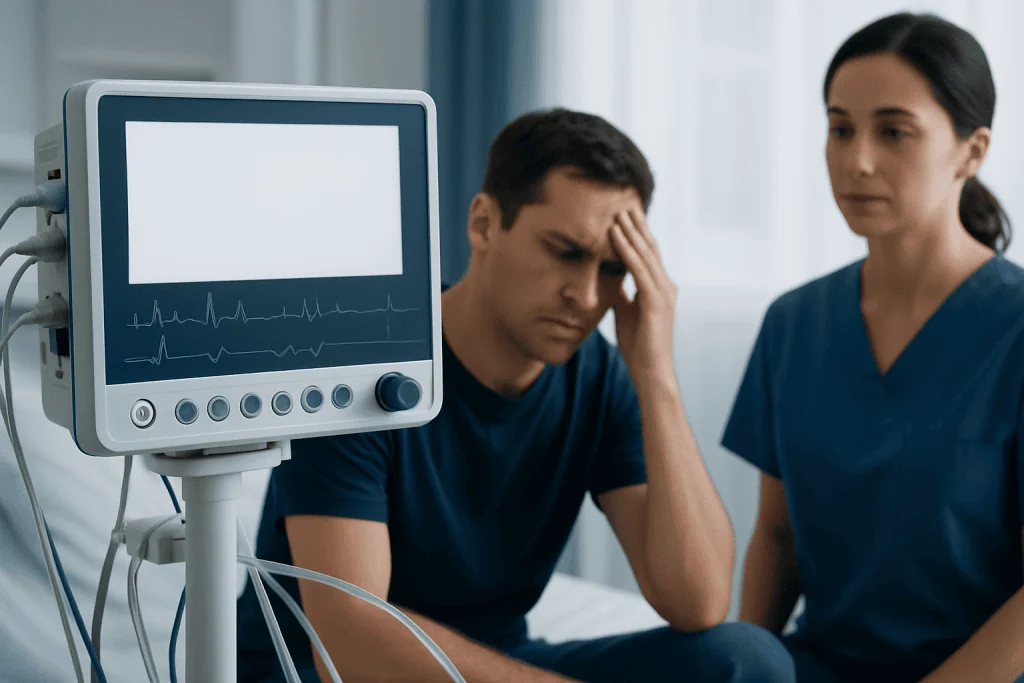
Carbon monoxide poisoning often begins with nonspecific symptoms. A person may notice headache, dizziness, nausea, weakness, unusual sleepiness, or difficulty concentrating. These symptoms can seem vague and are easy to mistake for a minor infection, poor sleep, stress, or food-related illness.
Clues become stronger when symptoms follow a clear exposure pattern. For example, symptoms may start while using a heater, sitting in an attached garage with a running vehicle nearby, spending time near a faulty boiler, or being in a poorly ventilated room with a fuel-burning device. People sometimes report feeling better outdoors and worse again after returning indoors.
There are also important red flags. More concerning symptoms include chest pain, shortness of breath, confusion, vomiting, fainting, poor coordination, and seizures. Infants, older adults, pregnant people, and those with heart or lung disease may become ill more quickly or with lower levels of exposure.
A practical warning sign is when multiple people in the same setting develop similar symptoms around the same time. Pets may also seem lethargic or unwell. This shared pattern often raises suspicion more than any single symptom does.
Where carbon monoxide comes from and who is at risk

Carbon monoxide is produced when fuels do not burn completely. Common sources include gas or oil furnaces, boilers, water heaters, fireplaces, wood stoves, charcoal grills, portable generators, and vehicle exhaust. The risk increases when these sources are used in enclosed spaces or when ventilation is poor.
Some situations carry particular concern. Examples include using a generator indoors or too close to windows, running a car in an attached garage, blocked chimney flues, malfunctioning heating systems, and using camping stoves or grills inside a tent, garage, or home. During storms or power outages, the risk can rise because temporary heating and power devices may be used incorrectly.
Anyone can be affected, but certain groups may be more vulnerable to harm. Pregnant people require prompt attention because carbon monoxide can reduce oxygen delivery to the fetus. People with anemia, heart disease, lung disease, or neurological conditions may also experience more pronounced effects. If symptoms overlap with respiratory illness, doctors may also consider related evaluations such as lung conditions when clinically appropriate, though carbon monoxide exposure itself is a separate issue.
How doctors diagnose carbon monoxide poisoning
When a doctor evaluates possible carbon monoxide exposure, the first step is usually a detailed history. The clinician asks where symptoms began, whether anyone else nearby feels the same way, what heating or cooking devices were in use, and whether there was possible exposure to vehicle exhaust or smoke. This exposure history is often the key reason carbon monoxide is suspected at all.
The next step is a physical examination and assessment of oxygen-related symptoms. A pulse oximeter, the fingertip device often used to estimate oxygen saturation, may be misleading in carbon monoxide poisoning because it can appear normal even when carbon monoxide is present. For that reason, a normal pulse oximeter reading does not rule the problem out.
The main confirmatory test is a blood measurement of carboxyhemoglobin, the form of hemoglobin created when carbon monoxide binds to red blood cells. This may be done from a blood sample taken from a vein or artery. Higher levels support recent exposure, but doctors still interpret results carefully because timing matters: if the patient has already been breathing fresh air or oxygen, levels may start falling before the test is taken.
Depending on symptoms, doctors may also order tests to look for complications or alternative causes. These can include an electrocardiogram for chest pain, blood tests for heart strain, or imaging when neurological symptoms are significant. If a patient has severe headache or ongoing confusion, further evaluation may be needed to separate carbon monoxide poisoning from other urgent conditions, including stroke.
Treatment and what happens after diagnosis
The main treatment for carbon monoxide poisoning is immediate removal from the source and administration of oxygen. Breathing high-flow oxygen helps the body clear carbon monoxide more quickly. In many mild cases, symptoms improve substantially once the person is in fresh air and receiving oxygen, but medical observation may still be needed.
Doctors monitor vital signs, mental status, and any heart or neurological symptoms. If chest pain, confusion, fainting, pregnancy, or significant laboratory abnormalities are present, closer monitoring is usually recommended. Some patients need care in an emergency department or hospital, especially if there was prolonged exposure or severe symptoms.
In selected cases, clinicians may consider hyperbaric oxygen therapy, which delivers oxygen under increased pressure. This option is generally reserved for certain severe situations rather than routine mild exposure. Where available, related supportive services such as hyperbaric oxygen therapy and advanced diagnostic evaluation may be part of care planning.
Recovery depends on the severity and duration of exposure as well as a person’s overall health. Many people recover well after prompt treatment. However, persistent memory problems, headache, mood changes, or concentration difficulty after a significant exposure should be discussed with a doctor, as follow-up may be helpful.
What to do at home if carbon monoxide is suspected
If a carbon monoxide alarm sounds or exposure is suspected, the safest first step is to leave the area and get into fresh air right away. Windows may be opened on the way out if this can be done quickly and safely, but the priority is not to stay inside troubleshooting the source. Emergency services or the local fire department should be contacted according to local guidance.
People should not re-enter the building until it has been assessed as safe by qualified professionals. Turning appliances off may help if it can be done without delay or risk, but no one should ignore symptoms in order to inspect equipment. If a person is drowsy, confused, short of breath, or collapses, emergency medical care is needed immediately.
Home carbon monoxide alarms are an important preventive tool. They should be installed and maintained according to manufacturer instructions and local safety recommendations, especially near sleeping areas and on each level of the home. Alarm batteries and device replacement dates should be checked regularly.
Routine maintenance of furnaces, boilers, chimneys, fireplaces, and other fuel-burning appliances also lowers risk. Generators, charcoal grills, and camp stoves should never be used indoors or in garages, even with doors open. Vehicles should not be left running in attached garages.
When to seek medical care
Medical attention is advisable if symptoms such as headache, dizziness, nausea, weakness, or unusual fatigue develop after possible exposure to a fuel-burning source, especially in an enclosed space. It is also wise to seek care if symptoms improve after leaving the area but return on re-entry, or if more than one person in the same place feels unwell.
Urgent or emergency care is needed for red-flag symptoms. These include chest pain, trouble breathing, severe headache, vomiting, confusion, fainting, seizures, poor balance, or altered behavior. Pregnant people, infants, older adults, and people with heart or lung disease should have a lower threshold for assessment.
Doctors may recommend observation or follow-up even when symptoms seem to improve quickly, because some effects are not obvious at first. If symptoms continue after treatment, a clinician may suggest additional neurological, cardiac, or respiratory evaluation. In complex cases, multidisciplinary specialists at Acibadem International and its JCI-accredited hospitals evaluate and treat international patients with suspected toxic exposures and related complications.
Prevention and longer-term safety steps
The most reliable way to detect carbon monoxide early is not to wait for symptoms, but to use properly functioning alarms and keep fuel-burning equipment well maintained. Annual servicing by qualified professionals can help identify blocked vents, incomplete combustion, or mechanical faults before they become dangerous.
Households can reduce risk by reviewing where carbon monoxide could accumulate. Attached garages, fireplaces, older heaters, backup generators, and temporary indoor heating methods deserve special attention. A simple safety plan that includes alarm checks, appliance maintenance, and knowing when to leave the building can make response calmer and faster.
After a confirmed exposure, the source should be professionally identified and corrected before the space is used again. This may involve heating-system repair, chimney cleaning, ventilation improvements, or replacement of unsafe appliances. If a person experienced serious poisoning, follow-up care may include neurological rehabilitation or cardiopulmonary review if lingering symptoms remain.
Most importantly, people should remember that carbon monoxide poisoning is preventable. Awareness, alarms, and timely medical evaluation provide strong protection, and most suspected episodes can be managed effectively when recognized early.
Frequently asked questions
Can a person smell or see carbon monoxide?
No. Carbon monoxide is colorless and odorless, so it cannot be reliably detected by human senses. That is why carbon monoxide alarms are so important in homes and other enclosed spaces.
What is the first sign of carbon monoxide poisoning?
There is not always one single first sign, but mild headache, dizziness, nausea, and unusual tiredness are common early symptoms. These are nonspecific, so the context of possible exposure is very important.
How do doctors confirm carbon monoxide poisoning?
Doctors usually confirm it with a blood test that measures carboxyhemoglobin, along with the person's symptoms and exposure history. Additional tests may be used if there are heart, breathing, or neurological concerns.
Will a pulse oximeter show carbon monoxide poisoning?
Not reliably. A pulse oximeter may look normal even when carbon monoxide is present, so it cannot rule out poisoning. Doctors use blood testing instead when carbon monoxide exposure is suspected.
When should someone go to the emergency room for possible carbon monoxide exposure?
Emergency care is important for confusion, fainting, chest pain, trouble breathing, seizures, severe vomiting, or worsening symptoms after possible exposure. It is also safer to seek urgent care for pregnant people, infants, older adults, and anyone with heart or lung disease.
Can mild carbon monoxide exposure get better on its own?
Symptoms may improve after getting into fresh air, but medical advice is still sensible if exposure is possible. Even mild symptoms can become more serious if the person returns to the same environment or if exposure lasted longer than expected.
References
- Centers for Disease Control and Prevention
- World Health Organization
- National Institute for Occupational Safety and Health
- American College of Emergency Physicians
This article is for general information only and is not a substitute for professional medical advice. Please consult a qualified doctor about your individual situation.
Persistent digestive symptoms? Get evaluated in Turkey
JCI-accredited · board-certified surgeons · reply within 24h
Add us as a Preferred Source to see more of our trusted health content across Google Search, AI Overviews and Discover.