How Do Hair Transplants Work? Graft Harvesting, Implantation, and Growth Timeline

Hair transplants relocate a person’s own hair follicles from a donor area to thinning or bald areas. The main steps are assessment, graft harvesting, creating recipient sites, and careful implantation.
Key Takeaways
- Hair transplants relocate a person’s own hair follicles from a donor area to thinning or bald areas.
- The main steps are assessment, graft harvesting, creating recipient sites, and careful implantation.
- Newly transplanted hair usually sheds first, then begins growing gradually over several months.
- Results depend on donor hair quality, surgical technique, scalp characteristics, and long-term hair loss pattern.
- Recovery is usually manageable, but aftercare instructions are important for healing and graft survival.
Hair transplants work by moving healthy hair follicles from a donor area, usually the back or sides of the scalp, to areas with thinning or hair loss. Understanding how grafts are harvested, implanted, and grow over time can help patients set realistic expectations and prepare for recovery.
Overview: What Is a Hair Transplant?
A hair transplant is a procedure that redistributes hair follicles from one part of the scalp to another. The donor area is most often the back or sides of the head, where hair is usually more resistant to common pattern hair loss. These follicles are moved to thinning or bald areas so they can continue growing in their new location.
The procedure does not create new hair. Instead, it makes strategic use of existing hair that is genetically more likely to keep growing. Because the transplanted follicles come from the patient’s own scalp, the result can look natural when the hairline design, graft placement, and density are carefully planned.
Hair transplants are commonly considered for androgenetic alopecia, also called pattern hair loss, but they may also help in selected cases of scar-related hair loss or hair loss after trauma. Not every type of hair loss is suitable for surgery, so a careful medical evaluation is an important first step.
Who May Be a Good Candidate
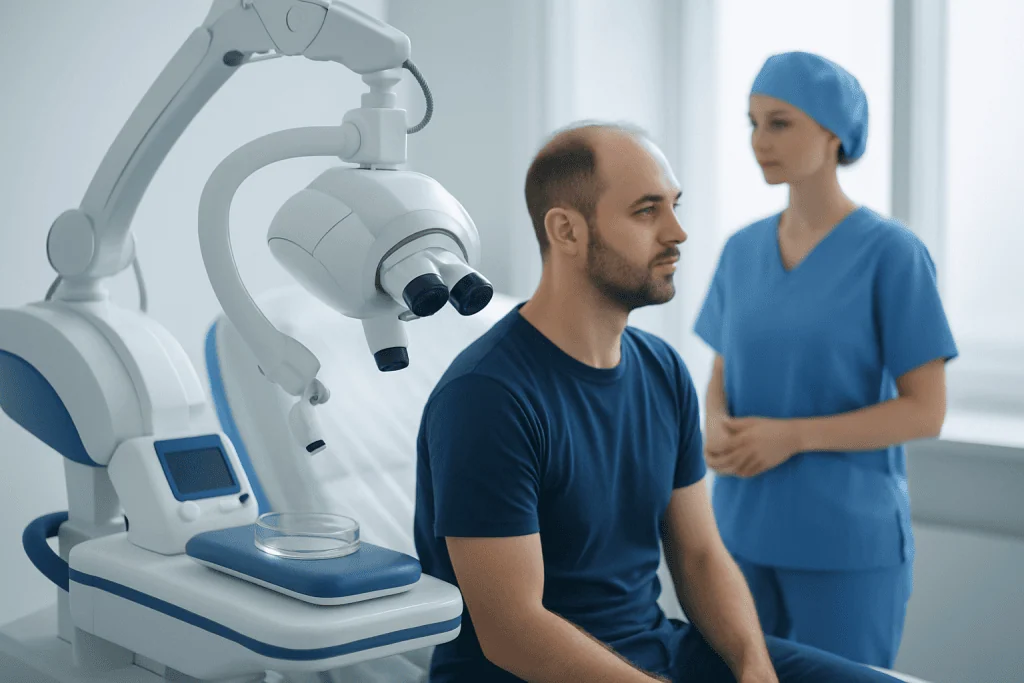
A good candidate for hair transplants usually has stable enough hair loss, realistic expectations, and an adequate donor supply. The surgeon looks at the pattern of thinning, the strength and density of donor hair, scalp flexibility, hair texture, and the likely long-term progression of hair loss.
Age alone does not determine suitability. Some younger patients may be advised to wait or combine surgery with medical treatment if their hair loss pattern is still changing rapidly. This helps protect against an unnatural appearance later if surrounding native hair continues to thin.
People with some forms of inflammatory scalp disease, diffuse shedding, or certain medical conditions may need diagnosis and treatment before surgery is considered. An evaluation may also explore whether non-surgical options such as medication, scalp care, or other dermatologic treatments are appropriate. In some cases, a broader assessment for hair loss helps clarify the cause and the best treatment plan.
How Graft Harvesting Works
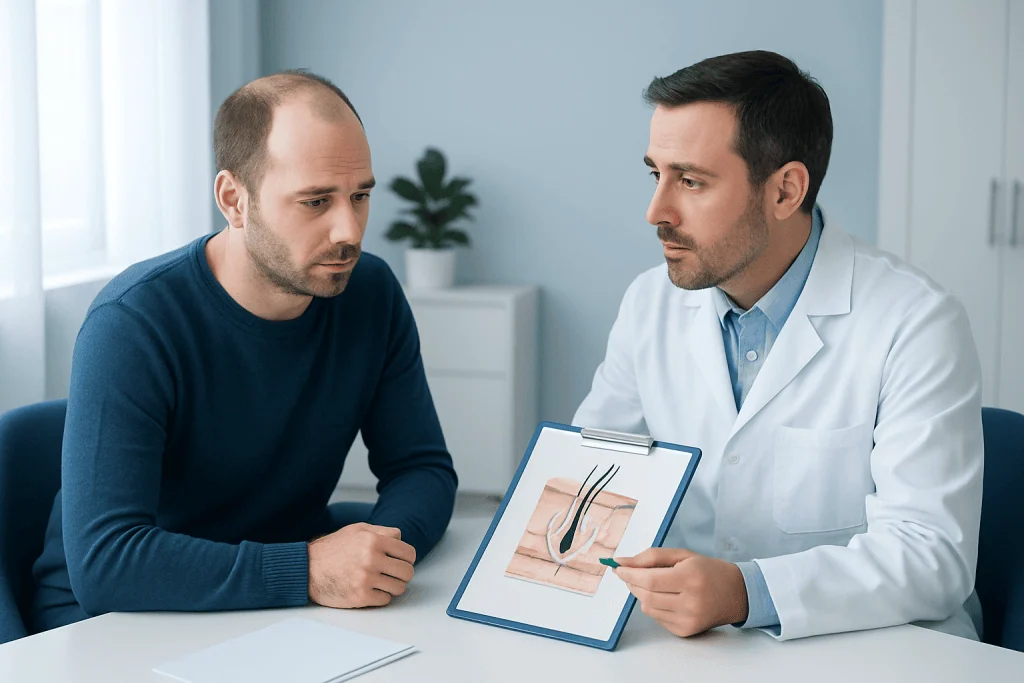
Graft harvesting is the step where follicular units are collected from the donor area. A follicular unit is a natural grouping of one to several hairs along with the surrounding supporting tissue. Preserving these units intact is important because healthy handling supports better survival after transplantation.
Two main approaches are commonly used. In follicular unit extraction, individual follicular units are removed one by one using a very small punch tool. In strip harvesting, also called follicular unit transplantation, a narrow strip of scalp is removed from the donor area and then separated into individual grafts under magnification.
Each method has advantages and trade-offs. Follicular unit extraction may leave many tiny dot-like scars and can be useful for people who prefer shorter hairstyles, while strip harvesting may allow a large number of grafts in selected patients but leaves a linear scar. The best method depends on hair characteristics, the number of grafts needed, previous procedures, and personal preferences.
Throughout harvesting, the team works to protect the follicles from drying, mechanical injury, and excessive time outside the body. Gentle handling and proper storage conditions are part of what helps transplanted grafts remain viable.
How Implantation Is Performed
After the grafts are prepared, the surgeon designs the recipient area and creates tiny openings where the follicles will be placed. This stage is highly technical because the angle, direction, spacing, and distribution of the grafts strongly influence how natural the final result will appear. The front hairline usually requires especially careful planning.
The grafts are then implanted into these sites, often with fine forceps or specialized implanter devices. Single-hair grafts may be used at the hairline for a softer look, while grafts containing multiple hairs may be placed farther back to improve density. The goal is to match the natural pattern of hair growth as closely as possible.
Implantation is not just about filling empty spaces. It also involves balancing density with blood supply, protecting existing native hairs, and planning for future hair loss. In some patients, a comprehensive care plan may combine the procedure with hair transplant treatment strategies designed to preserve surrounding hair and support long-term appearance.
What to Expect After Surgery and the Growth Timeline
In the first few days after a hair transplant, mild swelling, tenderness, tightness, and small crusts around the implanted hairs are common. The scalp typically looks pink or slightly red for a period of time, although this varies by skin type and the technique used. The surgical team usually provides instructions about washing, sleeping position, activity restrictions, and when to resume work or exercise.
Many patients notice shedding of the transplanted hairs within the first several weeks. This can feel surprising, but it is usually a normal part of the process. The follicles themselves remain under the skin, enter a resting phase, and then begin producing new hair later.
Visible new growth often starts gradually after several months, with continued thickening over time. Early growth may look fine, soft, or uneven at first, and the result usually becomes more noticeable as the hair matures. Full cosmetic improvement often takes many months because transplanted follicles follow a biological growth cycle rather than producing immediate density.
Healing and growth are not identical for every person. Donor hair quality, scalp health, technique, aftercare, and whether there is continued thinning of non-transplanted hair all affect the timeline and overall appearance.
Results, Limitations, and Possible Risks
Hair transplants can provide lasting improvement, but they have clear limits. The amount of coverage that can be achieved depends on the donor supply. A transplant cannot restore unlimited density, and in larger areas of baldness, the surgeon may need to prioritize hairline framing and strategic coverage rather than complete fullness.
Even when transplanted hair grows well, existing non-transplanted hair may continue to thin over time. For this reason, long-term planning matters. Some patients may benefit from medical management to help stabilize surrounding hair, and some may eventually consider another session if donor reserves and goals allow.
As with any procedure, risks can include bleeding, infection, temporary swelling, delayed healing, numbness, scarring, ingrown hairs, or an unnatural-looking pattern if planning or technique is poor. Some patients also experience temporary shedding of nearby native hairs, sometimes called shock loss. Choosing an experienced medical team and following aftercare advice can help reduce these risks.
When hair loss is part of a broader scalp or skin condition, treatment of the underlying issue may be just as important as surgery. Related concerns may overlap with alopecia or other dermatologic conditions that need medical diagnosis before transplant planning moves forward.
Preparation, Self-Care, and When to Seek Medical Advice
Before a hair transplant, patients are usually advised to discuss their medical history, medications, supplements, smoking status, and previous scalp procedures. Clear preoperative guidance may include steps related to scalp care, alcohol use, and medicines that affect bleeding. Good preparation helps create safer conditions for surgery and recovery.
After the procedure, gentle care is important. Patients should avoid scratching, rubbing, or putting pressure on the grafts during the early healing period. They are also commonly advised to protect the scalp from strong sun exposure and follow washing instructions carefully to reduce crusting and support healing.
Medical advice should be sought promptly if there is increasing pain, marked redness, pus, fever, persistent bleeding, or any concern that the scalp is not healing properly. A doctor should also review ongoing hair shedding, patchy loss, or scalp symptoms before and after transplant if the cause is not fully established. In selected cases, supportive treatments such as platelet-rich plasma therapy or evaluation by a dermatologist may be discussed as part of follow-up care.
For patients seeking care abroad, Acibadem International’s multidisciplinary specialists and JCI-accredited hospitals diagnose and treat hair loss and perform hair restoration procedures for international patients. An individualized consultation can help determine whether surgery, medical therapy, or a combined plan is most appropriate.
Frequently asked questions
How do hair transplants actually work?
Hair transplants work by moving living hair follicles from a donor area, usually the back or sides of the scalp, into areas with thinning or baldness. Once these follicles heal in their new location, they can continue their normal growth cycle and produce hair over time.
Is graft harvesting the same in every hair transplant?
No. Grafts may be harvested one by one with follicular unit extraction or obtained from a strip of scalp that is later divided into follicular units. The best method depends on the patient’s donor area, hairstyle preferences, scarring concerns, and the number of grafts needed.
Why does transplanted hair fall out after surgery?
Early shedding of transplanted hairs is often a normal part of the process. The hair shafts may fall out during the resting phase, while the follicles remain in place beneath the skin and usually start growing new hair later.
How long does it take to see results from a hair transplant?
Visible growth usually begins gradually after several months rather than immediately. Improvement often continues over many more months as the new hairs lengthen, thicken, and mature.
Are hair transplant results permanent?
Transplanted follicles are generally chosen from areas that are more resistant to common pattern hair loss, so they often keep growing long term. However, the person’s non-transplanted hair may continue to thin, which can affect the overall look over time.
Does a hair transplant look natural?
It can look very natural when the hairline design, graft placement, and density planning are done carefully. Natural results depend on surgical technique, hair characteristics, and realistic planning for future hair loss.
When should someone talk to a doctor before considering a hair transplant?
A doctor should evaluate hair loss when it is sudden, patchy, associated with itching or scalp inflammation, or not clearly due to pattern baldness. Medical assessment is also important for anyone with underlying health conditions, previous scalp surgery, or uncertainty about whether transplant surgery is the right option.
References
- American Academy of Dermatology
- International Society of Hair Restoration Surgery
- British Association of Dermatologists
- Mayo Clinic
- National Health Service
This article is for general information only and is not a substitute for professional medical advice. Please consult a qualified doctor about your individual situation.
Hair transplant in Turkey — costs, graft counts & a free assessment
JCI-accredited · board-certified surgeons · reply within 24h
Add us as a Preferred Source to see more of our trusted health content across Google Search, AI Overviews and Discover.