How Infectious Diseases Are Diagnosed: Tests, Cultures, and Imaging

Doctors diagnose infections by combining medical history, examination, and test results. Blood tests, cultures, and rapid molecular tests can help identify bacteria, viruses, fungi, or parasites.
Key Takeaways
- Doctors diagnose infections by combining medical history, examination, and test results.
- Blood tests, cultures, and rapid molecular tests can help identify bacteria, viruses, fungi, or parasites.
- Imaging studies are useful when an infection may involve organs, bones, joints, or deep tissues.
- The best test depends on the symptoms, the body area involved, and how unwell the person is.
- Accurate diagnosis helps guide treatment and reduces unnecessary antibiotic use.
Infectious disease diagnosis combines symptoms, physical examination, laboratory testing, and sometimes imaging to find the cause of an infection. The goal is to identify the organism accurately and quickly so treatment can be targeted and complications can be avoided.
Overview of infectious disease diagnosis
Infectious diseases are illnesses caused by organisms such as bacteria, viruses, fungi, or parasites. Because different infections can cause similar symptoms, diagnosis usually involves more than one step. A doctor considers the person’s symptoms, how long they have been present, recent travel, contact with sick people, vaccination history, medical conditions, and any medicines that may affect the immune system.
The physical examination is also important. Fever, rash, swollen lymph nodes, cough, abdominal tenderness, skin changes, or breathing difficulties can help point toward the part of the body involved. From there, the doctor decides which tests are most likely to confirm the cause and whether urgent treatment is needed before all results are available.
Many people think a single test gives the answer immediately, but infectious disease diagnosis is often a process. Some results come back within minutes or hours, while cultures and specialized testing may take days. When used together, these tools help doctors distinguish between a viral illness that may improve with supportive care and a bacterial or other infection that may need specific treatment.
Medical history and physical examination
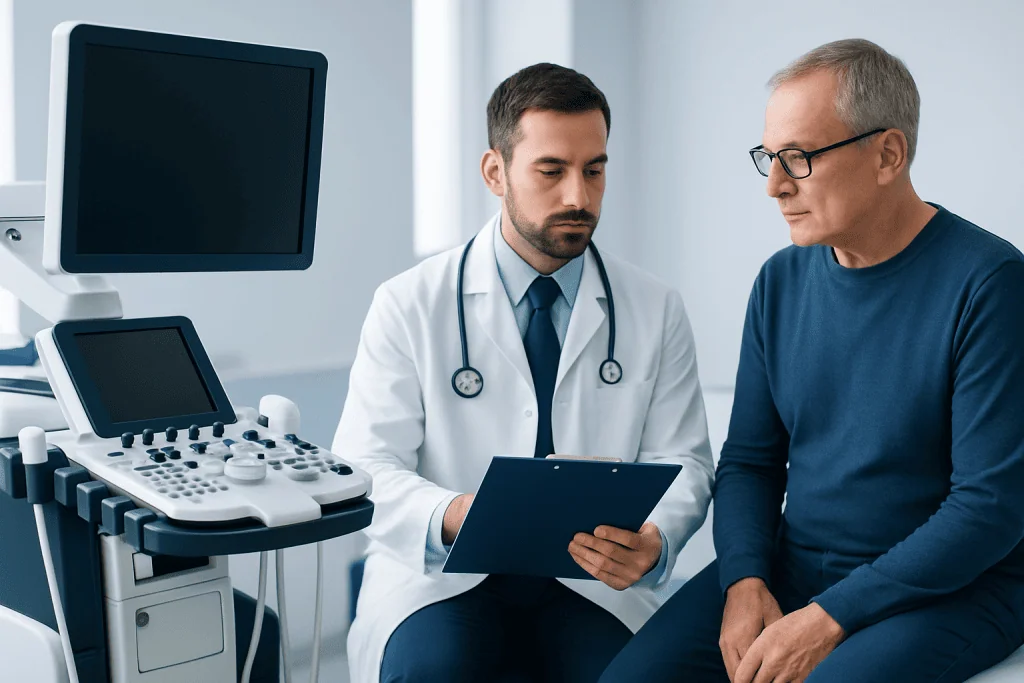
The first stage of diagnosis is a careful conversation about symptoms and possible exposure risks. Doctors often ask when symptoms started, whether there is fever, pain, diarrhea, cough, shortness of breath, urinary burning, skin redness, or fatigue, and whether symptoms are worsening. They may also ask about recent travel, animal contact, insect bites, food and water exposure, sexual history, recent surgery, hospital stays, or contact with someone known to have an infection.
Past medical history can change how an infection is assessed. Conditions such as diabetes, cancer treatment, organ transplantation, pregnancy, or the use of steroids and other immune-suppressing medicines may increase the risk of certain infections or make them more severe. Age also matters, since infants, older adults, and people with weakened immunity can have less typical symptoms.
The examination helps narrow down the possible source. For example, crackles in the lungs may suggest pneumonia, neck stiffness may raise concern for meningitis, and redness around a wound may suggest a skin or soft tissue infection. If symptoms suggest a more serious or complicated illness, doctors may involve specialists in infectious diseases to help guide testing and treatment.
Common laboratory tests for infections

Laboratory testing often starts with general blood tests. A complete blood count can show changes in white blood cells that may support the presence of infection or inflammation. Other blood tests, such as C-reactive protein or erythrocyte sedimentation rate, do not identify the exact cause, but they can help show how active inflammation is and how the body is responding over time.
Specific tests depend on symptoms and the suspected source. Urine testing may help diagnose urinary tract infections. A throat swab may be used for sore throat caused by certain bacteria or viruses. Stool testing can be helpful for prolonged diarrhea, especially if there is blood, fever, recent travel, or concern for parasites. Samples from wounds, sputum, or genital areas may also be collected when relevant.
Blood cultures are especially important when doctors suspect the infection has entered the bloodstream. These tests aim to grow bacteria or fungi from blood samples taken under sterile conditions. In some situations, body fluids such as cerebrospinal fluid, joint fluid, or fluid around the lungs or abdomen may also be tested to diagnose infections affecting deeper parts of the body.
Cultures, rapid tests, and molecular methods
Cultures are one of the most important tools in infectious disease diagnosis because they can identify the organism directly and show which medicines are most likely to work. In a culture, a sample such as blood, urine, sputum, stool, or wound fluid is placed in conditions that allow organisms to grow. Once growth occurs, the laboratory can identify the organism and often perform susceptibility testing, which helps doctors choose the most effective antibiotic or antifungal medicine.
One limitation of cultures is time. Some bacteria grow within a day or two, while fungi, parasites, or organisms such as mycobacteria can take longer. In addition, cultures may be less likely to detect an organism if antibiotics have already been started. For this reason, when it is safe and practical, doctors may prefer to collect samples before treatment begins.
Rapid antigen tests and molecular tests such as PCR can provide quicker answers in many cases. These tests may detect genetic material or proteins from viruses and bacteria and are commonly used for respiratory infections, sexually transmitted infections, gastrointestinal infections, and some hospital-acquired infections. They are valuable when treatment decisions need to be made quickly, but the results still need to be interpreted alongside symptoms and examination findings.
- Culture: useful for identifying the organism and testing medication sensitivity
- Rapid antigen test: fast, often used for selected viral or bacterial infections
- PCR or other molecular tests: highly sensitive for detecting specific pathogens
- Serology: looks for antibodies and may help with some viral, bacterial, or parasitic infections
How imaging helps diagnose infection
Imaging does not usually identify the exact germ, but it can show where an infection is located, how extensive it is, and whether complications are developing. A chest X-ray may help detect pneumonia, while ultrasound can look for fluid collections, abscesses, or infection in organs such as the liver, gallbladder, or kidneys. Imaging is especially useful when symptoms suggest a deep infection that cannot be assessed by examination alone.
Computed tomography and magnetic resonance imaging are often used when more detail is needed. CT scans can help identify abdominal infections, sinus infections, lung complications, or collections of infected fluid. MRI is particularly helpful for infections involving the brain, spine, bones, joints, or soft tissues because it provides detailed images of structures that are harder to evaluate with other methods.
Sometimes imaging is used not only to diagnose but also to guide procedures. For example, ultrasound or CT can help a doctor drain an abscess or collect a sample from a suspicious area for testing. When advanced imaging is required, techniques such as MRI or CT scanning may be part of the diagnostic plan, depending on the body area involved and the urgency of the situation.
Special tests for specific infections
Some infections require targeted testing because they affect particular organs or are harder to confirm with routine methods. If meningitis or encephalitis is suspected, a sample of cerebrospinal fluid may be collected through a lumbar puncture to look for cells, proteins, glucose changes, and infectious organisms. If there is concern about a bone or joint infection, joint aspiration or biopsy may be needed in addition to blood tests and imaging.
Doctors may also use serology, which looks for antibodies made by the immune system. This can be useful for infections that are difficult to culture or for understanding whether someone has had a recent or past infection. However, antibody tests may not become positive immediately, so timing matters. In some settings, repeat testing is necessary to clarify the diagnosis.
When an infection may affect the heart, echocardiography can help look for infected heart valves. If there is concern about severe intestinal disease, endoscopy or colonoscopy may be considered in selected cases. In more complex situations, sample collection may be combined with ultrasound guidance or procedures such as biopsy to improve accuracy.
How doctors choose the right test
The best test depends on the likely source of infection, the person’s age and health status, and how quickly an answer is needed. For a healthy person with a mild, short-lived viral illness, extensive testing may not be necessary. In contrast, a person with high fever, shortness of breath, low blood pressure, severe pain, confusion, or a weakened immune system may need urgent blood tests, cultures, and imaging right away.
Doctors also think about which test is most likely to change treatment. For example, if a urine sample can confirm a urinary infection and guide antibiotic choice, it may be more useful than a broad panel of unrelated tests. Good diagnosis is not just about doing more tests; it is about choosing the right ones and interpreting them in context.
Another important part of decision-making is antimicrobial stewardship. This means using antibiotics and other anti-infective medicines carefully. Accurate diagnosis helps avoid unnecessary antibiotics for viral illnesses and supports targeted treatment when bacterial, fungal, or parasitic infections are present. This approach benefits the individual patient and helps reduce antibiotic resistance over time.
When to seek medical care and what patients can expect
Medical attention is important if symptoms are severe, persistent, or worsening. People should seek prompt care for difficulty breathing, chest pain, confusion, signs of dehydration, high fever that does not improve, severe headache with neck stiffness, persistent vomiting, new rash with fever, or redness and swelling that spreads quickly. Infants, older adults, pregnant women, and people with weakened immune systems should have a lower threshold for contacting a doctor.
At the appointment, patients can expect questions about symptoms and exposure history, followed by an examination and selected tests. Not everyone will need imaging or cultures, and sometimes watchful follow-up is appropriate. In other cases, treatment may begin before final test results return, especially if the doctor is concerned about a serious infection.
Self-care remains important during evaluation. Rest, fluids, safe fever management, and following medical advice on isolation or hygiene can help prevent spread and support recovery. Near the end of the diagnostic process, specialist review may be recommended for complicated cases; Acibadem International’s multidisciplinary specialists in JCI-accredited hospitals diagnose and treat infectious conditions for international patients when advanced evaluation is needed.
Frequently asked questions
What is the first step in diagnosing an infectious disease?
The first step is usually a medical history and physical examination. Doctors look at symptoms, recent exposures, travel, medical conditions, and examination findings to decide which tests are most helpful.
Why are cultures important for diagnosing infections?
Cultures can identify the organism causing the infection and often show which medicines are likely to work best. This helps doctors choose targeted treatment instead of using broader medication than necessary.
Can blood tests alone diagnose an infection?
Blood tests can suggest infection or inflammation, but they do not always identify the exact cause. They are usually interpreted alongside symptoms, examination findings, cultures, and sometimes imaging.
When is imaging used for an infection?
Imaging is used when doctors need to see where an infection is located or whether it has caused complications. It is especially useful for infections in the lungs, abdomen, bones, joints, brain, or deep soft tissues.
Do antibiotics affect test results?
Yes, antibiotics can sometimes reduce the chance of growing an organism in culture. When possible and safe, doctors often prefer to collect important samples before antibiotic treatment starts.
How long does it take to get results from infection tests?
Some rapid tests can give answers within minutes or hours. Cultures may take one to several days, and specialized tests for certain organisms can take longer.
References
- World Health Organization
- Centers for Disease Control and Prevention
- National Institute of Allergy and Infectious Diseases
- MedlinePlus
- Mayo Clinic
This article is for general information only and is not a substitute for professional medical advice. Please consult a qualified doctor about your individual situation.
Explore treatments in Turkey — costs, top hospitals & a free quote
JCI-accredited · board-certified surgeons · reply within 24h
Add us as a Preferred Source to see more of our trusted health content across Google Search, AI Overviews and Discover.

Infectious Diseases Department
22 specialists in this unitMore from the Health Library



Related Specialists

Assoc. Prof. Dr. İsmail Ahmet Bilgin
General Surgery
Dilara Nur Kara
Physical Medicine & Rehabilitation
Dr. Gansukh Bataa
Anesthesiology
Dr. Hatice Coşgün
Thoracic Surgery