How Long Does Chemo Brain Last: How It Works, Results and What to Expect

Chemo brain describes changes in memory, attention, processing speed, organization, or word-finding during or after cancer treatment. Many people improve gradually over months, but symptoms can persist longer in some individuals.
Key Takeaways
- Chemo brain describes changes in memory, attention, processing speed, organization, or word-finding during or after cancer treatment.
- Many people improve gradually over months, but symptoms can persist longer in some individuals.
- Cancer itself, stress, fatigue, sleep problems, hormonal changes, medications, and other treatments may contribute alongside chemotherapy.
- A clinical review can identify reversible causes such as anemia, thyroid problems, depression, pain, or medication side effects.
- Cognitive rehabilitation, regular activity, sleep support, and organizational tools may help people manage symptoms.
Chemo brain commonly improves within several months after chemotherapy ends, although recovery varies and some people notice cognitive changes for a year or longer. Recognizing symptoms, checking for treatable contributing factors, and using practical strategies can support day-to-day functioning.
How long does chemo brain last?
Chemo brain often begins during cancer treatment or in the weeks and months afterward. For many people, the symptoms gradually lessen within a few months after treatment is completed. However, there is no single recovery timetable: some people experience intermittent difficulties for a year or longer, while others notice only short-lived changes.
The term chemo brain is commonly used for cancer-related cognitive impairment. It does not mean that a person has lost intelligence or that the brain has been permanently damaged. Instead, it describes real, often subtle changes in concentration, memory, mental speed, planning, and finding words that can make everyday tasks feel more demanding.
Symptoms may improve in a non-linear way. A person may have clearer days and more difficult days, particularly when they are tired, stressed, in pain, or not sleeping well. Discussing persistent symptoms with the oncology team is important because several treatable health issues can affect thinking during and after cancer care.
How chemo brain works and what may contribute
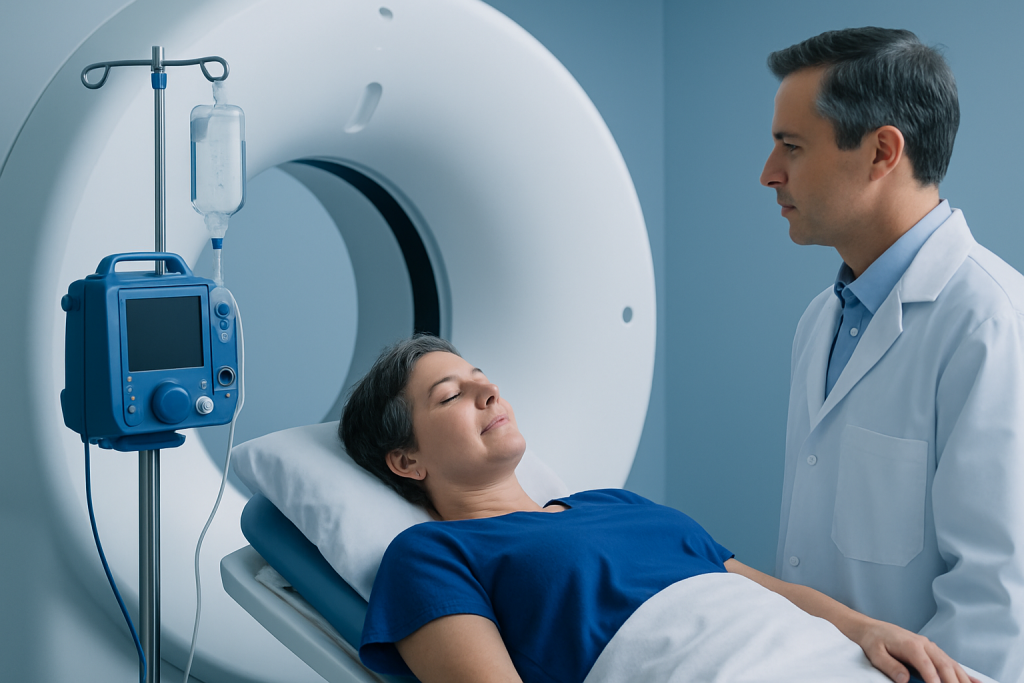
Researchers are still studying exactly why cognitive symptoms occur during and after cancer treatment. Chemotherapy medicines may affect processes involved in brain function directly or indirectly. Inflammation related to cancer or treatment, changes in blood vessels, and effects on hormones and the immune system may also play a role.
Chemo brain is usually not caused by chemotherapy alone. Cancer-related fatigue, anemia, poor sleep, pain, nausea, anxiety, depression, and emotional distress can all reduce concentration and memory. Other treatments, including surgery, radiation therapy, hormone therapy, immunotherapy, and medicines used for pain or sleep, may contribute for some people.
Individual vulnerability also differs. Older age, pre-existing memory concerns, a history of stroke or brain injury, menopause-related symptoms, and intensive treatment may influence risk. These factors do not mean a person will definitely develop lasting problems; they help clinicians decide whether extra monitoring or support may be useful.
Although the name is familiar, clinicians may use terms such as cancer-related cognitive impairment or cancer-related cognitive dysfunction. A personalized review is more useful than assuming every cognitive symptom has the same cause.
What chemo brain can feel like

Chemo brain symptoms are often mild to moderate, but they can be frustrating because they affect routines that previously felt automatic. People may notice that they need more time to process information, have difficulty switching between tasks, or feel mentally fatigued after meetings, reading, or conversations.
- Forgetting names, appointments, conversations, or where items were placed
- Difficulty concentrating, especially in busy or noisy environments
- Slower thinking or needing extra time to make decisions
- Trouble finding a familiar word or following a complex discussion
- Difficulty organizing tasks, multitasking, or learning new information
- Feeling overwhelmed by paperwork, medication schedules, or work demands
These experiences are different from sudden confusion, loss of consciousness, new weakness, severe headache, or trouble speaking. Sudden neurological symptoms need urgent medical assessment because they may have causes unrelated to chemo brain.
Who may benefit from an assessment
Anyone who notices thinking or memory changes during or after cancer treatment can speak with their oncologist, primary care clinician, or nurse. Assessment is particularly worthwhile when symptoms interfere with work, safety, family responsibilities, treatment adherence, or emotional well-being.
A clinician will usually begin by asking when symptoms started, how they affect daily activities, what treatments and medicines are being used, and whether fatigue, mood, pain, or sleep changes are present. They may ask the person or a family member to describe specific examples. Brief cognitive screening tools can be helpful, though they do not replace a full assessment when difficulties are significant.
Blood tests or other investigations may be considered to look for contributors such as anemia, infection, vitamin deficiency, thyroid dysfunction, dehydration, or metabolic changes. Depending on symptoms, the team may recommend review by neurology, psychology, psychiatry, rehabilitation, occupational therapy, or neuropsychology. Brain imaging is not routinely needed for typical mild chemo brain, but may be appropriate if there are concerning neurological signs or another possible diagnosis.
People receiving cancer care can also benefit from discussing their overall treatment plan and side effects with their oncology team. Chemotherapy care includes monitoring for physical and cognitive effects throughout treatment and recovery.
What to expect: evaluation, support, and recovery timeline
There is no single procedure that cures chemo brain. Care typically follows a step-by-step approach: identify symptoms, review possible contributing factors, address reversible causes, and create a practical rehabilitation and self-management plan. The plan is adjusted as treatment changes and recovery progresses.
During active treatment, the immediate priority may be managing fatigue, nausea, sleep disruption, pain, emotional distress, and medication side effects. After treatment ends, many people find that mental clarity gradually returns as their body recovers. Keeping a short symptom diary can help identify patterns, such as worsening after poor sleep, on days with more pain, or during periods of high stress.
If symptoms remain troublesome, cognitive rehabilitation may be recommended. This can include targeted exercises, training in memory and attention strategies, and occupational therapy techniques for planning and daily activities. Psychological support can be valuable when worry, low mood, or fear of recurrence is making concentration more difficult.
Recovery is individual. Some people see noticeable improvement over weeks to months, while others need longer-term support. Rather than comparing progress with someone else’s experience, it is helpful to track whether tasks are gradually becoming easier and to report changes that are worsening rather than improving.
Benefits, limits, and practical strategies
The main benefit of recognizing chemo brain is that it validates a common concern and allows the care team to look for manageable causes. Supportive measures do not promise immediate recovery, but they can reduce the practical impact of symptoms and help people regain confidence in work, family life, and independent routines.
Helpful strategies include using one calendar or planner, setting phone reminders, writing down instructions, keeping essential items in the same location, and breaking large tasks into smaller steps. Focusing on one task at a time, reducing background noise, and scheduling demanding activities during the person’s most alert part of the day may also help.
Regular movement, if approved by the clinical team, can support energy, mood, sleep, and cognitive health. A balanced eating pattern, adequate fluids, consistent sleep and wake times, and rest breaks can be useful. It is sensible to avoid starting supplements marketed for memory without medical advice, as some products may interact with cancer treatments or other medicines.
Returning to work or study may require a gradual plan. A clinician can help discuss reasonable adjustments, such as written instructions, fewer simultaneous tasks, extra time for complex work, or regular short breaks. These accommodations can be temporary and reviewed as symptoms improve.
When to seek medical care
People should contact their cancer care team if memory or concentration problems are new, getting worse, lasting beyond treatment recovery, causing missed medicines or appointments, affecting work or driving, or leading to significant distress. Prompt review is also appropriate if there are changes in mood, severe insomnia, or substance use that may be affecting concentration.
Urgent medical care is needed for sudden confusion, a new severe headache, fainting, seizures, fever with confusion, new weakness or numbness on one side, facial drooping, vision loss, marked balance problems, or new trouble speaking. These symptoms are not typical of ordinary chemo brain and should be assessed without delay.
At Acibadem International, multidisciplinary specialists in JCI-accredited hospitals can assess cognitive concerns alongside cancer treatment and survivorship needs for international patients. A person’s oncology team remains the best first point of contact for new or changing symptoms.
Frequently asked questions
Can chemo brain be permanent?
For many people, chemo brain improves over time, especially in the months after treatment ends. Some people have symptoms that last longer, and the degree of recovery varies. Persistent symptoms deserve assessment because fatigue, sleep problems, mood changes, medications, and medical conditions may be contributing.
Does chemo brain start during chemotherapy?
Yes. Some people notice concentration or memory changes during chemotherapy, while others notice them after treatment has ended. Symptoms may also be influenced by the cancer itself, other treatments, stress, pain, fatigue, and disrupted sleep.
What is the fastest way to improve chemo brain?
There is no instant treatment, but addressing contributing factors can make a meaningful difference. Regular sleep, activity approved by the care team, treatment of pain or anemia when present, single-tasking, reminders, and cognitive rehabilitation may help. A clinician can tailor support to the individual’s symptoms and medical history.
How is chemo brain diagnosed?
Diagnosis is based on the person’s symptoms, medical history, treatment history, and assessment of other possible causes. A clinician may use brief cognitive screening questions, blood tests, medication review, and sometimes more detailed neuropsychological testing. Imaging is generally reserved for symptoms that suggest another neurological problem.
Should a person keep working with chemo brain?
Many people can continue working, although temporary adjustments may be helpful. Written instructions, task lists, quiet workspaces, fewer interruptions, extra time for complex tasks, and planned breaks can reduce cognitive load. The right approach depends on symptoms, job demands, safety considerations, and the person’s overall health.
Can exercise help chemo brain?
Appropriate physical activity may help improve fatigue, sleep, mood, and overall cognitive well-being. The type and intensity should be adapted to the person’s cancer treatment, strength, symptoms, and medical advice. Even gentle, regular movement can be a useful part of a broader recovery plan.
References
- National Cancer Institute
- American Cancer Society
- American Society of Clinical Oncology
- National Comprehensive Cancer Network
- Cancer Research UK
This article is for general information only and is not a substitute for professional medical advice. Please consult a qualified doctor about your individual situation.
Oncology care in Turkey — second opinion and treatment plan
JCI-accredited · board-certified surgeons · reply within 24h
Add us as a Preferred Source to see more of our trusted health content across Google Search, AI Overviews and Discover.

More from the Health Library



Related Specialists

Prof. Dr. Volkan Noyan
Gynecology & Obstetrics
Prof. Dr. Meltem Vural
Physical Medicine & Rehabilitation
Dr. Turgay Kahraman
Radiology
Dr. Nevin Sarıgüzel
Infectious Diseases & Clinical Microbiology