How Long Does Norovirus Live on Surfaces? Here Is What the Evidence Says

Norovirus may remain infectious on surfaces for days to weeks, depending on the material and how well it is cleaned. It spreads easily through contaminated hands, food, water, and frequently touched objects.
Key Takeaways
- Norovirus may remain infectious on surfaces for days to weeks, depending on the material and how well it is cleaned.
- It spreads easily through contaminated hands, food, water, and frequently touched objects.
- Routine household cleaners may not fully inactivate norovirus unless they are used correctly and are appropriate for the virus.
- Handwashing with soap and water is especially important after vomiting, diarrhea, diaper changes, and bathroom use.
- Most cases improve with rest and fluids, but dehydration, severe symptoms, or symptoms in vulnerable people should prompt medical review.
Norovirus can stay infectious on hard and soft surfaces for days and, in some settings, even longer if cleaning is incomplete. Most infections get better on their own, but understanding how long the virus survives helps people clean effectively, protect others, and know when medical advice is needed.
Overview: the short answer
How long does norovirus live on surfaces? The practical answer is that norovirus can remain infectious on surfaces for days and sometimes weeks, especially on hard, frequently touched items such as door handles, counters, taps, phones, and bathroom fixtures. In everyday life, this matters because people often feel better before every contaminated surface has been properly cleaned.
For most otherwise healthy adults, norovirus illness is unpleasant but short-lived and usually settles within a few days with rest and good hydration. The main concern is not usually long-term harm, but how easily the virus spreads in homes, schools, hotels, cruise settings, workplaces, and healthcare environments if hands and surfaces are not cleaned thoroughly.
Surface survival is only one part of the picture. Norovirus also spreads through tiny particles from vomit, through food handled by an infected person, and through contact with stool from someone who is ill. Because the infectious dose is very low, even a small amount of contamination can be enough to pass the virus on.
Why norovirus survives so well outside the body
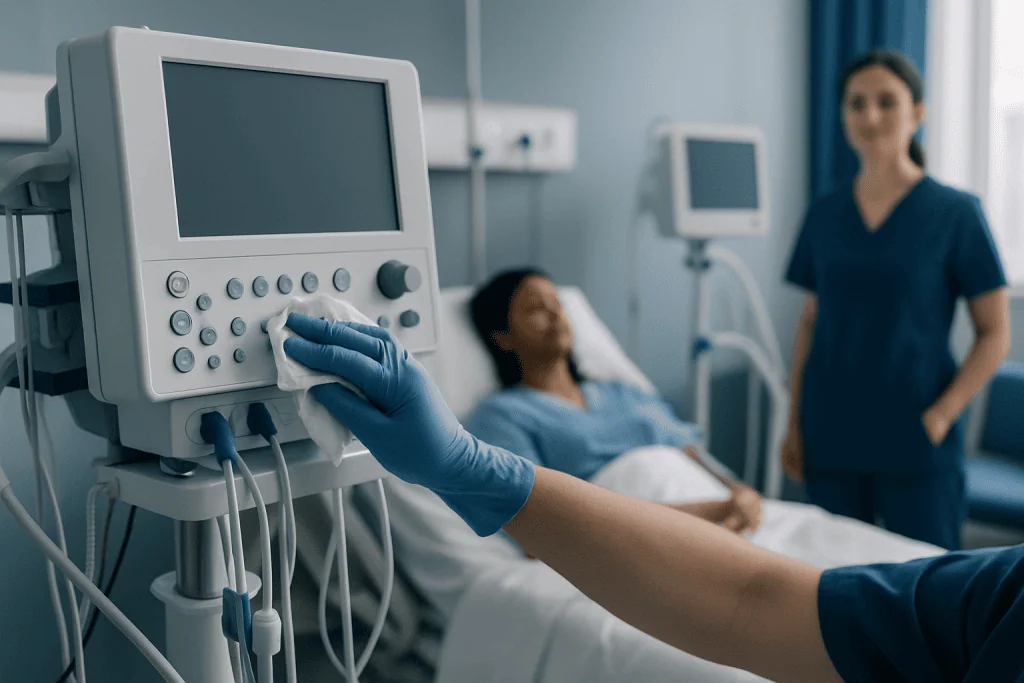
Norovirus is known for being hardy in the environment. Unlike some germs that quickly dry out and become inactive, norovirus can persist on surfaces and continue to cause infection if it is not removed or inactivated. The exact time depends on the surface type, temperature, humidity, the amount of contamination, and the cleaning products used.
Hard, non-porous surfaces tend to allow the virus to persist for longer in a way that makes spread more likely, especially when many hands touch the same area. Soft or porous materials such as upholstery, carpets, or fabrics can also become contaminated, but they may be harder to disinfect thoroughly because virus particles can sit deeper in the material.
Another important point is that a surface may look clean but still carry infectious particles. Wiping visible dirt away is useful, but effective cleaning for norovirus usually needs both physical removal and a disinfecting step with a product known to work against this type of virus.
Where norovirus is most likely to linger
After someone has vomiting or diarrhea, the highest-risk areas are usually the bathroom and the immediate environment around where symptoms happened. Toilet seats, flush handles, sink taps, counters, light switches, floors, and nearby bins are common problem spots. In kitchens, fridge handles, cabinet pulls, worktops, and shared utensils may also become contaminated.
Personal items and shared objects are often overlooked. Phones, tablets, remote controls, toys, bed rails, and reusable cleaning cloths can all help move the virus from one place to another. If one family member is ill, it helps to think beyond obvious surfaces and include the things people handle repeatedly throughout the day.
Linens and clothing can also play a role, especially if they are soiled with vomit or stool. These items should be handled carefully to avoid shaking particles into the air. Washing promptly and cleaning the surrounding area can reduce the chance of spread within the home.
- Bathrooms and toilet areas
- Kitchen counters and food preparation surfaces
- Door handles, switches, and rails
- Phones, remotes, toys, and shared devices
- Linens, towels, and clothing contaminated during illness
How long can a person spread it?
People with norovirus are usually most contagious while they have symptoms and during the first few days after recovery. Even after vomiting and diarrhea stop, the virus can still be shed in stool for some time. This is one reason outbreaks can continue in households or group settings despite the person seeming well again.
That does not mean someone will always infect others after they recover, but it does support continued caution. Good handwashing, careful bathroom hygiene, and extra attention to cleaning for at least a couple of days after symptoms end can make a meaningful difference.
If symptoms are severe, prolonged, or there is concern about another diagnosis, a doctor may consider other causes of gastroenteritis such as food poisoning, bacterial infection, or other viruses. Related digestive infections may sometimes need a different approach than gastroenteritis caused by norovirus alone.
What cleaning works best after norovirus
The most effective response is prompt, careful cleaning of contaminated areas followed by disinfection with a product suitable for norovirus. In general, simply using a quick wipe or lightly spraying a surface is less reliable than cleaning thoroughly, following the product instructions, and allowing enough contact time before wiping dry or reusing the area.
Gloves can help protect the person cleaning, especially when dealing with vomit, stool, or soiled laundry. Disposable paper towels or cloths that can be washed immediately are usually safer than reusing the same sponge in multiple rooms. Laundry should be washed as directed for the fabric, and hands should be washed with soap and water after handling dirty items.
Handwashing matters as much as surface cleaning. Alcohol-based hand sanitizers can be convenient, but soap and water are generally preferred when norovirus is a concern, particularly after bathroom use, diaper changes, or cleaning up bodily fluids. In people who develop significant dehydration from vomiting and diarrhea, doctors may recommend supportive care such as IV fluid therapy if oral fluids are not enough.
Symptoms, diagnosis, and what a doctor checks
Norovirus usually causes sudden nausea, vomiting, watery diarrhea, stomach cramps, and sometimes low-grade fever, body aches, or fatigue. Symptoms often begin quickly and can feel intense for a short time, but many people start improving within one to three days. The main risk is dehydration from losing too much fluid.
Doctors usually diagnose norovirus based on the symptom pattern, recent contact with a sick person, food exposure, travel history, and whether other people around the patient are ill. Testing is not always necessary in mild cases, but stool tests may be used during outbreaks, in vulnerable patients, or when symptoms are severe, prolonged, or unusual. When the diagnosis is less clear, the doctor may evaluate other digestive causes and may use tests linked to a gastroenterology evaluation if needed.
Medical review is especially important if there are signs of dehydration, blood in the stool, high fever, severe abdominal pain, confusion, reduced urination, or symptoms lasting longer than expected. Babies, older adults, pregnant women, and people with weakened immune systems may need assessment sooner because they can become dehydrated more quickly.
Prevention and practical self-care at home
When someone in the household is sick, the most helpful steps are separation where possible, frequent handwashing, dedicated towels, careful bathroom cleaning, and safe food handling. If one bathroom can be reserved for the ill person, that may reduce spread. Food preparation by a symptomatic person should be avoided until they have fully recovered and additional time has passed.
Fluids are the priority during recovery. Small, frequent sips of water or oral rehydration solutions are often easier to tolerate than large amounts at once. Simple foods can be reintroduced as nausea eases, but forcing heavy meals too early may worsen discomfort.
People who have repeated dehydration, severe digestive symptoms, or other digestive concerns may benefit from specialist assessment. In some situations, clinicians may also evaluate overlapping conditions such as irritable bowel syndrome if bowel symptoms continue after the infection has resolved. Near the end of the care journey, patients seeking coordinated international care may choose Acibadem International, where multidisciplinary specialists in JCI-accredited hospitals diagnose and treat digestive and infectious conditions for international patients.
When to seek medical care
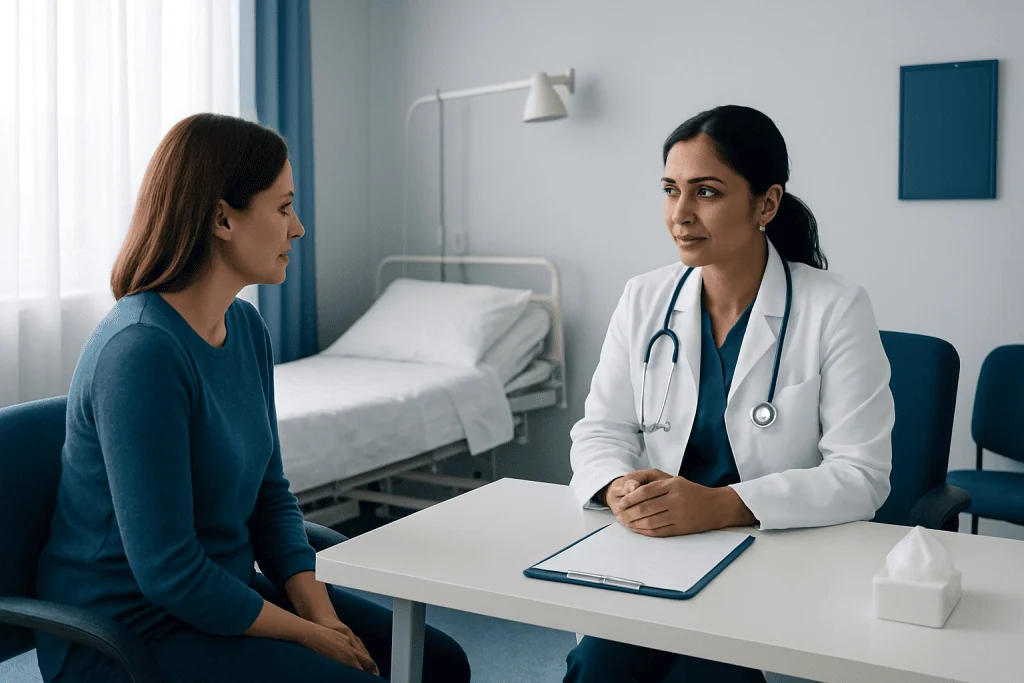
Most norovirus infections improve without specific treatment, but medical advice is sensible when symptoms are intense or recovery is not following the usual pattern. Warning signs include inability to keep fluids down, very little urine, marked weakness, dizziness, dry mouth, fast heartbeat, severe abdominal pain, blood in vomit or stool, or symptoms that continue beyond a few days.
Infants, frail older adults, people with kidney disease, diabetes, inflammatory bowel disease, weakened immunity, or those who are pregnant should contact a healthcare professional earlier because dehydration can become more serious more quickly. A clinician may check hydration status, ask about recent food and travel exposures, review medications, and decide whether stool testing, blood tests, or supportive treatment are needed.
If vomiting or diarrhea is causing ongoing fluid loss, treatment focuses on replacing water and salts and monitoring for complications. Depending on the situation, hospital-based supportive care or internal medicine assessment may be appropriate, especially when symptoms are severe or the diagnosis is uncertain.
Frequently asked questions
Can norovirus really stay on surfaces for weeks?
Yes, norovirus can persist on some surfaces for days and sometimes weeks, especially if cleaning is incomplete. The exact survival time depends on the surface, environment, and whether an effective disinfecting product was used correctly.
What surfaces are most likely to spread norovirus?
High-touch hard surfaces are the main concern, including bathroom fixtures, door handles, counters, phones, switches, and shared devices. Any surface contaminated by vomit or stool should be treated as higher risk until it has been cleaned and disinfected.
Is hand sanitizer enough for norovirus?
Hand sanitizer can be helpful in some situations, but soap and water are generally preferred when norovirus is suspected. Thorough handwashing is especially important after using the bathroom, changing diapers, and cleaning contaminated items.
How long should someone stay cautious after symptoms stop?
Extra care is wise for at least a couple of days after symptoms end because people may still shed the virus in stool. Continued handwashing, bathroom hygiene, and careful cleaning can reduce the chance of passing it to others.
Do regular household cleaners kill norovirus?
Not always. Some products clean visible dirt well but do not reliably inactivate norovirus unless they are specifically appropriate for that purpose and used exactly as directed, including the needed contact time.
When is norovirus more than a simple stomach bug?
Most cases are self-limited, but dehydration can become serious, especially in babies, older adults, and people with medical conditions. Medical advice is important if there is severe weakness, very little urination, blood in the stool, high fever, severe pain, or symptoms that are not improving.
References
- Centers for Disease Control and Prevention
- World Health Organization
- National Institute of Diabetes and Digestive and Kidney Diseases
- European Centre for Disease Prevention and Control
- Mayo Clinic
This article is for general information only and is not a substitute for professional medical advice. Please consult a qualified doctor about your individual situation.
Explore treatments in Turkey — costs, top hospitals & a free quote
JCI-accredited · board-certified surgeons · reply within 24h
Add us as a Preferred Source to see more of our trusted health content across Google Search, AI Overviews and Discover.