How Long Is a Period? Here Is What the Evidence Says

Menstrual bleeding commonly lasts between 2 and 7 days. The full menstrual cycle is measured from the first day of one period to the first day of the next, not by the number of bleeding days.
Key Takeaways
- Menstrual bleeding commonly lasts between 2 and 7 days.
- The full menstrual cycle is measured from the first day of one period to the first day of the next, not by the number of bleeding days.
- Period patterns may change with age, stress, weight changes, pregnancy, hormonal contraception and some health conditions.
- Bleeding lasting more than 7 days, soaking pads or tampons very quickly, or bleeding during pregnancy needs medical assessment.
- Keeping a simple record of bleeding days, flow, pain and cycle timing can help a clinician identify the cause of a change.
A period usually lasts 2 to 7 days. A shorter or longer period can still be harmless, especially during adolescence, after pregnancy, near menopause, or when hormonal contraception is being used; however, a new, very heavy, prolonged, or painful change should be discussed with a clinician.
How long is a period normally?
For most people, a menstrual period lasts about 2 to 7 days. The first one or two days may be heavier, followed by lighter bleeding or spotting. A pattern that falls outside this range is not automatically a sign of a problem, particularly if it has always been that person’s usual pattern and there are no concerning symptoms.
It is helpful to distinguish a period from a menstrual cycle. A period is the time spent bleeding. The menstrual cycle starts on the first day of bleeding and ends on the day before the next period begins. In adults, cycles often occur every 24 to 38 days. In the first years after menstruation begins, cycles can be less predictable and may range more widely.
Periods are not expected to look identical every month. Minor variation in timing, flow, color and cramping is common. Many changes are temporary and related to normal shifts in hormones, daily routines or life stages rather than a serious health issue.
What can change the length of a period?
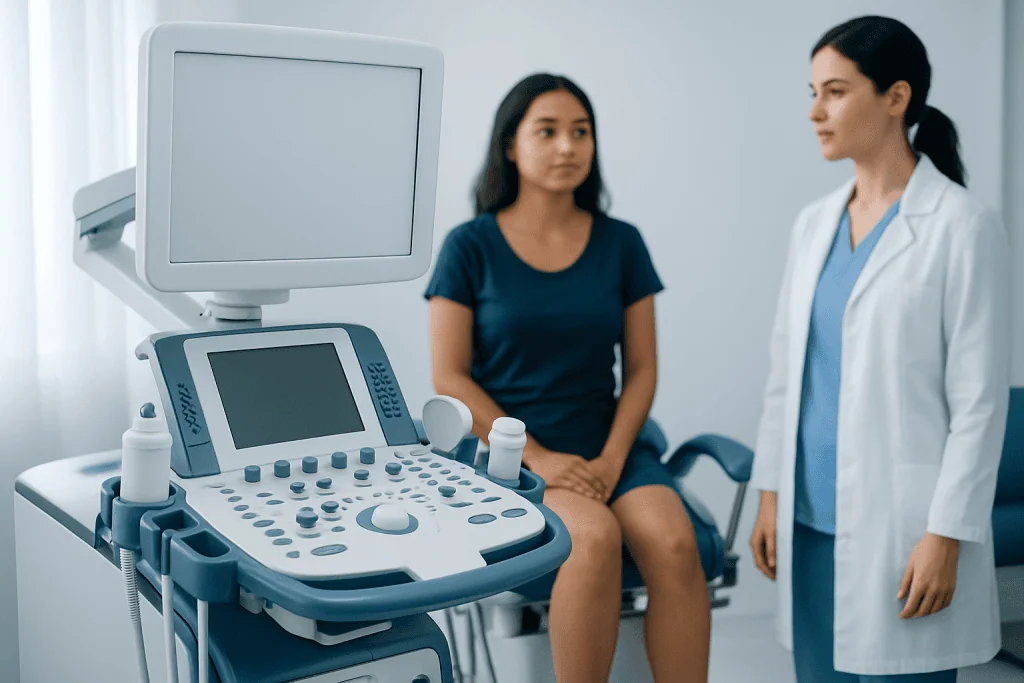
Menstrual bleeding is controlled by changing hormone levels and by the shedding of the uterine lining. As a result, period length can vary during puberty, after childbirth, while breastfeeding and in the years leading up to menopause. During these transitions, irregular or changing periods are common, though unusually heavy or persistent bleeding should still be evaluated.
Hormonal birth control can also alter periods. Some methods make bleeding lighter, shorter or less frequent, while others can cause irregular spotting, especially in the first few months of use. With certain hormonal methods, periods may stop altogether. This can be an expected effect, but any concern about pregnancy, pain or new symptoms should be discussed with a healthcare professional.
Stress, substantial changes in exercise, illness, travel, poor sleep, changes in body weight and inadequate nutrition may affect ovulation and period timing. Medicines, including blood-thinning medicines, may affect bleeding as well. A period that is briefly different after a stressful month may settle naturally, but a persistent change deserves attention.
When does period length need medical attention?

Most isolated changes in period duration are not urgent. Medical advice is appropriate when bleeding lasts longer than 7 days, becomes noticeably heavier than usual, occurs between periods, or repeatedly arrives much closer together or farther apart than expected. It is also sensible to seek care if a period change affects daily life, causes anxiety or is accompanied by significant pelvic pain.
Urgent medical assessment is important for very heavy bleeding, such as soaking through a pad or tampon every hour for several hours, passing large clots with weakness, or feeling faint, dizzy, short of breath or having chest discomfort. These symptoms may indicate substantial blood loss. Anyone who might be pregnant and has bleeding, especially with one-sided pelvic pain, shoulder pain, dizziness or fainting, should seek urgent care because pregnancy-related causes need prompt assessment.
People who have gone 12 months without a period and then bleed should arrange medical evaluation. Bleeding after sex, new bleeding after menopause, fever with pelvic pain, or unusual vaginal discharge should also be checked. These symptoms often have treatable causes, and early assessment can provide reassurance and appropriate care.
Why might a period last longer or be unusually heavy?
Longer or heavier periods can occur when ovulation is irregular. This is particularly common in adolescence and during perimenopause, when hormone patterns fluctuate. Conditions that affect hormones, including thyroid disorders and polycystic ovary syndrome, may also lead to irregular, infrequent or prolonged bleeding.
Changes within the uterus can contribute to heavy or extended bleeding. These include fibroids, polyps and adenomyosis. Endometriosis more often causes pain, but it can also be associated with heavy bleeding for some people. Infections, bleeding disorders and medications may be relevant in selected cases.
Pregnancy-related bleeding has different possible causes and should never be assumed to be a regular period. In addition, very heavy or frequent bleeding may lead to iron deficiency and anemia over time. Symptoms can include tiredness, reduced exercise tolerance, paleness, headaches, dizziness or a fast heartbeat. A clinician can assess these symptoms with appropriate testing.
How doctors assess a change in periods
A clinician will usually begin by asking about the usual cycle pattern, the number of bleeding days, how much protection is needed, clots, pain, bleeding between periods, medicines, contraception, sexual health and any possibility of pregnancy. They may also ask about symptoms such as fatigue, weight change, acne, excess hair growth, bruising or thyroid-related symptoms.
A period diary or phone-app record can be very useful. It may include the first and last day of bleeding, whether flow is light, moderate or heavy, the number of pads or tampons used, clots, pain levels and bleeding outside the expected period. This information helps identify whether the issue is prolonged bleeding, frequent cycles, irregular ovulation or another pattern.
Depending on the person’s symptoms and age, assessment may include a pregnancy test, blood tests for anemia or hormone-related conditions, and testing for infection when appropriate. A pelvic examination or pelvic ultrasound may be recommended to look for causes such as fibroids or polyps. Further tests are only used when clinically indicated, and the approach should be tailored to the individual.
Treatment and practical self-care
Treatment depends on the cause, the severity of bleeding, whether pregnancy is desired, other health conditions and personal preferences. If tests are reassuring and symptoms are mild, monitoring the pattern may be all that is needed. When bleeding is heavy, painful or disruptive, clinicians may discuss non-hormonal medicines, hormonal options or treatment directed at an underlying condition.
For example, management may be considered for fibroids, thyroid disease, bleeding disorders or irregular ovulation when these are identified. Iron testing and treatment may be recommended if heavy periods have caused iron deficiency. A person should not start iron supplements or change prescribed medicines solely because of a period change without professional advice.
At home, tracking periods, staying hydrated and using heat for mild cramps may improve comfort. Rest and regular meals can be helpful during heavy days. Over-the-counter pain relief may be suitable for some people, but it should be used according to the label and avoided or discussed with a clinician when there is a history of stomach ulcers, kidney disease, blood-thinning medication, allergy, pregnancy or other relevant medical concerns.
Period patterns at different life stages
During the first few years after the first period, cycles may be irregular because ovulation does not happen consistently yet. Even so, a young person should be assessed for bleeding that lasts more than 7 days, is very heavy, happens very frequently, or causes tiredness, fainting or missed school and activities. A family history of easy bruising or prolonged bleeding can be important to mention.
In the reproductive years, a missed period may be due to pregnancy, stress, hormonal contraception, changes in weight or activity, or other health factors. Pregnancy testing is an important early step when a period is late or unusual and pregnancy is possible. Bleeding in pregnancy should be assessed by a healthcare professional.
In perimenopause, periods may become shorter, longer, lighter, heavier or less regular as hormone levels change. However, not every change at midlife is caused by perimenopause. A clinician can help rule out other causes, particularly when bleeding is heavy, prolonged, frequent or occurs after menopause. Acibadem International’s multidisciplinary specialists and JCI-accredited hospitals can assess menstrual concerns and related gynecological conditions for international patients.
Frequently asked questions
Is a 3-day period normal?
Yes. A 3-day period is within the commonly expected range of 2 to 7 days. If it is typical for the person and there are no new symptoms, it is usually not a concern.
Is it normal for a period to last 7 days?
Yes, bleeding for up to 7 days can be normal. It is worth seeking medical advice if bleeding goes beyond 7 days, becomes much heavier than usual, or is associated with dizziness, fatigue or significant pain.
Why did my period only last 2 days?
A 2-day period can be normal, especially if periods are usually light or hormonal contraception is being used. Stress, illness, changing hormone levels and pregnancy can also alter bleeding, so a pregnancy test may be appropriate when pregnancy is possible.
How long should the time between periods be?
For most adults, the time from the first day of one period to the first day of the next is about 24 to 38 days. Adolescents may have a wider range in the first years after periods begin. A persistently changing or very irregular cycle should be discussed with a clinician.
Can stress make a period longer?
Stress can affect the hormones involved in ovulation and may change the timing, flow or duration of a period. These changes are often temporary. If the pattern does not return to usual over several cycles or bleeding is heavy, medical advice is recommended.
When is a long period considered heavy bleeding?
Heavy menstrual bleeding is more than simply having several days of bleeding. It may involve soaking through pads or tampons very rapidly, needing to change protection during the night, passing large clots, or bleeding that interferes with normal activities. A clinician can assess the pattern and check for anemia or an underlying cause.
This article is for general information only and is not a substitute for professional medical advice. Please consult a qualified doctor about your individual situation.
Explore treatments in Turkey — costs, top hospitals & a free quote
JCI-accredited · board-certified surgeons · reply within 24h
Add us as a Preferred Source to see more of our trusted health content across Google Search, AI Overviews and Discover.
Check your numbers in seconds
BMI, calories, due date, blood pressure and 30+ more clinical calculators — free, instant, doctor-reviewed ranges.

Gynecology & Obstetrics Specialists at Acibadem

Prof. Dr. Deniz Ulaş
Gynecology & Obstetrics
Dr. Deniz Usal
Gynecology & Obstetrics
Prof. Dr. Derya Eroğlu
Gynecology & Obstetrics
Dr. Derya Uyan
Gynecology & Obstetrics
Dr. Ebru Füsun Donat
Gynecology & ObstetricsMore from the Health Library

How Much Percent of Our Brain? Causes, Explanations, and Next Steps

Do Dreams Have? A Doctor-Reviewed Answer

Are Walnuts Good for You? Causes, Explanations, and Next Steps

How to Stop Procrastinating? Causes, Explanations, and Next Steps

How Long Does It Take for a Tattoo to Heal? A Doctor-Reviewed Answer