How Many Bones Are in the Human Body? Causes, Explanations, and Next Steps
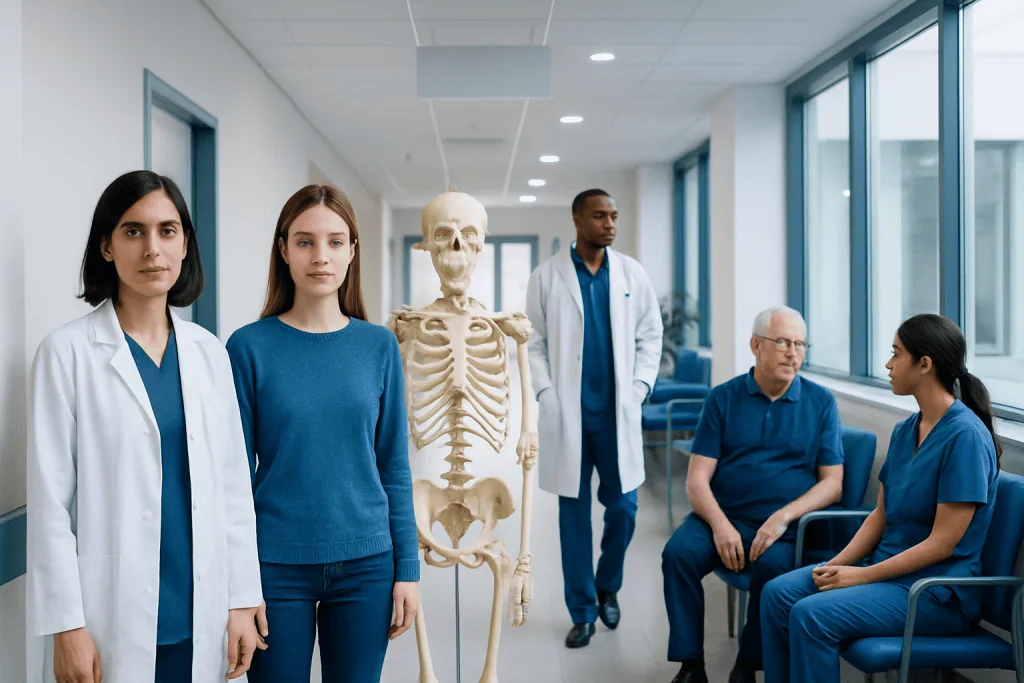
Most adults have 206 bones. Newborns have more bones than adults because some bones fuse during childhood and adolescence.
Key Takeaways
- Most adults have 206 bones.
- Newborns have more bones than adults because some bones fuse during childhood and adolescence.
- A small variation in bone count can happen in some people due to extra bones or differences present from birth.
- Knowing the normal bone count is useful, but bone strength and overall bone health matter more than the exact number.
- Bone pain, swelling, deformity, or injury should be assessed by a doctor rather than explained by bone count alone.
Most adults have 206 bones in the human body. Babies are born with more bones than adults, and some of these gradually fuse together during growth, which explains why the number changes with age.
Overview: the short answer
The short answer to the question how many bones are in the human body is that most adults have 206 bones. In babies and young children, the number is higher because several bones start out as separate pieces and later join, or fuse, as the body grows.
For many people, this question comes up out of general curiosity, school learning, or while trying to understand an X-ray, injury, or bone-related symptom. In most cases, wondering about bone count is harmless. However, if the question is linked to pain, swelling, repeated fractures, or a visible change in shape, it is more important to focus on bone health and seek medical advice when needed.
The human skeleton is not just a framework that holds the body upright. Bones protect organs, store minerals such as calcium and phosphorus, help make blood cells inside bone marrow, and work together with muscles and joints to allow movement. So while 206 is the usual adult number, the more meaningful issue is whether the bones are healthy, strong, and functioning well.
Why babies have more bones than adults
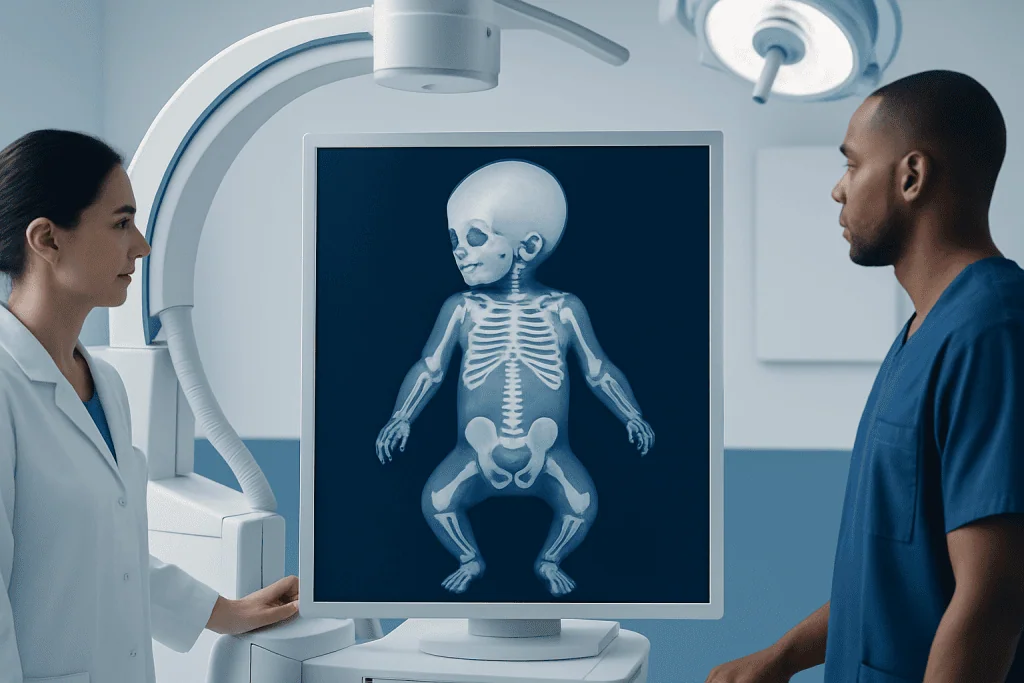
Newborn babies are usually described as having about 270 bones, although the exact count can vary depending on how tiny bone parts are classified. Over time, some of these separate pieces join together. This is a normal part of development and explains why the adult total is lower.
Many bones begin as cartilage, a flexible tissue that is softer than bone. As a child grows, this cartilage gradually hardens through a process called ossification. At the same time, some neighboring bones fuse into a single larger bone. Well-known examples include parts of the skull, the pelvis, and the long bone segments at growth areas.
This natural fusion helps the skeleton become stronger and better able to support body weight, movement, and physical activity. It also means that counting bones is not always as simple as it sounds, especially in children and teenagers whose skeletons are still developing.
For parents, this can be reassuring: a higher bone count in infancy is normal, and bones changing shape and joining over time is expected. If there are concerns about growth, posture, or limb shape, a pediatric or orthopedic doctor can examine the child and decide whether imaging is needed.
How the 206 bones are organized
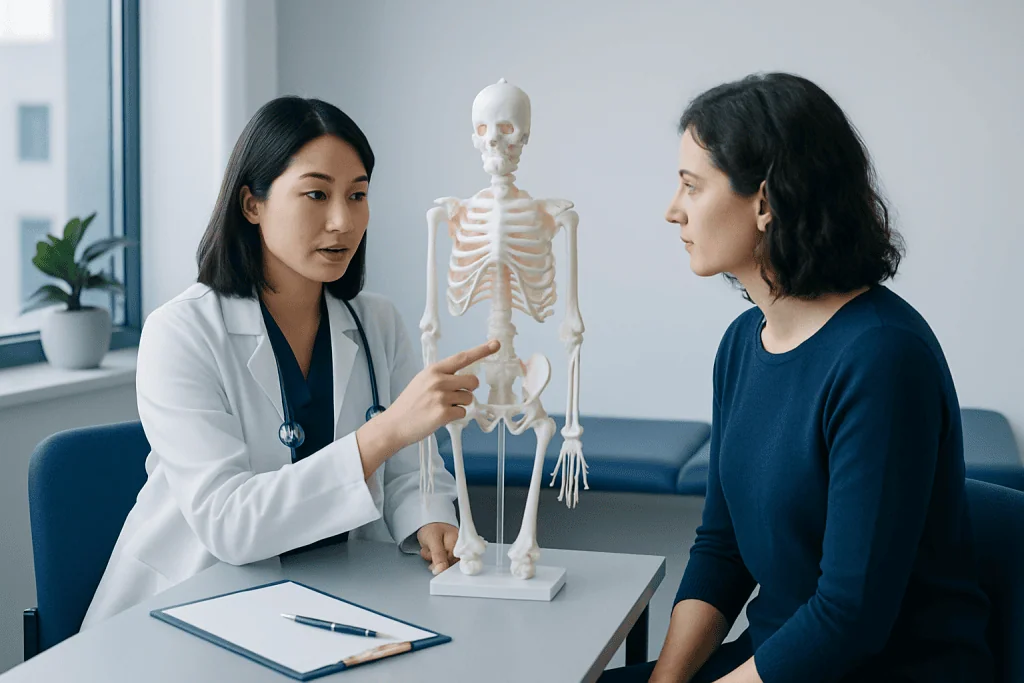
The adult skeleton is often divided into two main parts: the axial skeleton and the appendicular skeleton. The axial skeleton includes the skull, spine, ribs, and breastbone. These bones mainly protect the brain, spinal cord, heart, and lungs. The appendicular skeleton includes the shoulders, arms, hands, pelvis, legs, and feet, and it supports movement.
A common way to understand the 206 total is to look at major regions:
- Skull, including facial bones and ear bones
- Hyoid bone in the neck
- Vertebral column, including the sacrum and coccyx in adults
- Ribs and sternum
- Shoulder girdles
- Upper limbs and hands
- Pelvis
- Lower limbs and feet
The hands and feet alone contain a large number of bones. This is one reason they are capable of fine movement, balance, and shock absorption. The spine also deserves special attention because its many segments allow flexibility while protecting the spinal cord.
People who are learning about the skeleton sometimes assume every person has exactly the same pattern. In reality, anatomy can vary slightly. These differences may be normal variants or may relate to a congenital condition, prior injury, surgery, or age-related changes.
Can bone count vary from person to person?
Yes, small variations can occur. Although 206 is the standard number for most adults, some people may have extra small bones, missing bones, or bones that fused differently. These differences are often discovered incidentally on imaging and may not cause any symptoms.
One example is an accessory bone, also called a sesamoid or supernumerary bone in some situations. These are extra bone pieces that can appear in the hands, feet, or other areas. Many are harmless, but in certain cases they can contribute to pain or confusion after an injury because they may resemble a fracture on an X-ray.
Another reason for variation is developmental anatomy. Some people are born with structural differences in the spine, ribs, or limbs. Others may develop changes later due to trauma, surgery, arthritis, or bone disease. Conditions that affect the shape, strength, or alignment of bones may need assessment, especially if they cause pain or limited movement. Related bone and muscle concerns may overlap with osteoporosis or scoliosis depending on the symptoms and age group.
These variations help explain why doctors do not rely on bone count alone. Instead, they consider symptoms, physical examination, growth patterns, injury history, and imaging findings to understand whether a difference is simply anatomical or medically important.
When to seek medical care
Simply asking how many bones are in the human body is not usually a sign of illness. Most of the time, it is a general knowledge question with a straightforward answer. Still, medical care is sensible if the question comes up because of a symptom or physical concern rather than curiosity.
It is a good idea to seek medical review if there is persistent bone or joint pain, swelling, tenderness, a visible deformity, reduced range of motion, repeated fractures, poor growth in a child, back curvature, or pain after a fall or sports injury. Urgent care may be needed for a suspected broken bone, severe pain, numbness, inability to bear weight, or a limb that looks out of place.
Adults should also speak with a doctor if they have risk factors for fragile bones, such as older age, long-term steroid use, hormone changes, low body weight, nutritional deficiency, or a family history of osteoporosis. In these situations, the issue is not the number of bones but whether the bones are losing strength.
This reassurance-first approach is important: curiosity is common and usually harmless, but red flags deserve attention. Early assessment can help identify whether symptoms relate to injury, posture, bone density, growth, or another musculoskeletal problem.
How doctors evaluate bone-related concerns
If a person has symptoms involving the skeleton, a doctor will usually begin with a medical history and physical examination. They may ask where the pain is, when it started, whether there was an injury, and whether there are other symptoms such as weakness, fever, swelling, stiffness, or changes in walking.
The exam may include checking posture, spine alignment, joint movement, tenderness, limb length, muscle strength, and signs of swelling or deformity. In children, doctors may also look at growth patterns and developmental milestones. This first step often provides important clues before any tests are ordered.
Imaging tests are commonly used when needed. Standard X-rays can show fractures, alignment problems, bone shape, and some developmental differences. Depending on the concern, doctors may recommend MRI to assess soft tissues and bone marrow in more detail, or CT scan for complex fractures and certain structural questions. In people at risk of low bone density, a doctor may recommend bone density testing to evaluate bone strength.
Blood tests are sometimes useful as well, especially when a doctor suspects a metabolic, inflammatory, hormonal, or nutritional cause. The goal is not just to count bones, but to understand whether the skeleton is developing normally, healing properly, and staying strong over time.
Bone health, prevention, and self-care
Because most adults have the same basic bone count, protecting bone health matters much more than trying to change or track the number itself. Healthy bones depend on good nutrition, regular weight-bearing activity, muscle strength, and preventive care throughout life.
Helpful habits include eating a balanced diet with enough calcium and vitamin D, staying physically active, avoiding smoking, limiting excessive alcohol use, and reducing fall risk at home and outdoors. Exercises that use the body against gravity, such as walking, stair climbing, and resistance training, can support bone strength when they are appropriate for the individual.
Children and teenagers benefit from healthy activity and nutrition while bones are still building mass. Adults and older adults benefit from protecting bone density and maintaining balance, coordination, and muscle strength. People with chronic disease, digestive problems, hormonal changes, or long-term medication use may need more personalized advice.
If a person already has a diagnosed bone condition or repeated injuries, treatment may involve rehabilitation, targeted exercise, medicines, bracing, or orthopedic care. Some patients may need evaluation for orthopedic rehabilitation after fractures or mobility-limiting problems. Near the end of the care pathway, multidisciplinary specialists at Acibadem International and its JCI-accredited hospitals also evaluate and treat bone and musculoskeletal conditions for international patients when appropriate.
The bottom line on bone count
In practical terms, the answer to how many bones are in the human body is simple: 206 in most adults. Babies start with more bones, and fusion during growth reduces the number over time. Small anatomical variations can occur, but they are not always a problem.
The more useful question is often whether the bones are healthy. Bone pain, injury, repeated fractures, posture changes, or growth concerns deserve proper evaluation. With the right assessment, doctors can determine whether symptoms are related to normal anatomy, a temporary injury, or an underlying condition that needs care.
For anyone seeking clear next steps, the safest approach is to use the bone count as a starting point for understanding the body, not as a way to self-diagnose. If symptoms are present or risk factors for bone disease exist, a qualified doctor can guide testing, treatment, and long-term bone health planning.
Frequently asked questions
How many bones are in the human body in adulthood?
Most adults have 206 bones. This is the standard number used in anatomy, although small individual variations can occur.
How many bones do babies have?
Babies are born with more bones than adults, often described as around 270. As they grow, some of these bones fuse together, reducing the total number.
Why does the number of bones change with age?
The number changes because a child's skeleton is still developing. Separate bone pieces gradually harden and join together during childhood and adolescence.
Do men and women have a different number of bones?
In general, adult men and women both have 206 bones. Differences between individuals are more likely to come from natural anatomical variation than from sex alone.
Can someone have more or fewer than 206 bones?
Yes, some people have small variations such as extra accessory bones or fused bones. These differences may be completely harmless, but a doctor can assess them if symptoms are present.
Does having 206 bones mean the skeleton is healthy?
Not necessarily. A normal bone count does not rule out fractures, osteoporosis, deformities, arthritis, or other bone and joint problems. Bone strength, structure, and function are more important than the number alone.
When should bone symptoms be checked by a doctor?
Medical advice is important for persistent pain, swelling, deformity, repeated fractures, reduced movement, or symptoms after an injury. Urgent evaluation may be needed for severe pain, suspected fracture, numbness, or inability to use the affected limb.
References
- National Institutes of Health
- MedlinePlus
- American Academy of Orthopaedic Surgeons
- National Institute of Arthritis and Musculoskeletal and Skin Diseases
- Mayo Clinic
This article is for general information only and is not a substitute for professional medical advice. Please consult a qualified doctor about your individual situation.
Explore treatments in Turkey — costs, top hospitals & a free quote
JCI-accredited · board-certified surgeons · reply within 24h
Add us as a Preferred Source to see more of our trusted health content across Google Search, AI Overviews and Discover.