How Memory Problems Are Diagnosed: Cognitive Testing, Brain Imaging, and Lab Work

Memory problems can have many causes, including aging-related changes, medication effects, depression, sleep disorders, vitamin deficiencies, stroke, and dementia. A diagnosis usually starts with a detailed history from the patient and, when possible, a family member or caregiver.
Key Takeaways
- Memory problems can have many causes, including aging-related changes, medication effects, depression, sleep disorders, vitamin deficiencies, stroke, and dementia.
- A diagnosis usually starts with a detailed history from the patient and, when possible, a family member or caregiver.
- Cognitive tests, brain scans, and blood tests help doctors identify patterns of memory loss and rule out reversible causes.
- Early evaluation can support treatment planning, safety, and daily functioning.
- Not all memory problems mean dementia, and some causes can improve with proper care.
Diagnosing memory problems involves more than one test. Doctors usually combine a medical history, cognitive testing, brain imaging, and laboratory work to understand why symptoms are happening and whether the cause may be treatable.
Overview: How Doctors Diagnose Memory Problems
Memory problems diagnosis is a step-by-step process rather than a single exam. Many people worry that forgetfulness automatically means dementia, but doctors know that memory changes can happen for many reasons. Normal aging, stress, poor sleep, depression, medication side effects, infections, thyroid problems, vitamin deficiencies, stroke, and neurodegenerative conditions can all affect memory and thinking.
The goal of evaluation is to understand what kind of memory change is happening, how severe it is, when it began, and whether it is getting worse over time. Doctors also look for symptoms beyond memory, such as difficulty finding words, poor attention, changes in judgment, personality changes, trouble managing finances, getting lost, or difficulty with daily tasks.
Because memory symptoms often develop gradually, information from a spouse, adult child, close friend, or caregiver can be very helpful. This outside perspective may reveal changes that the person has not noticed or may clarify how much the symptoms affect daily life. A careful and respectful assessment helps guide next steps and can identify causes that may be treatable.
Medical History and Symptom Review
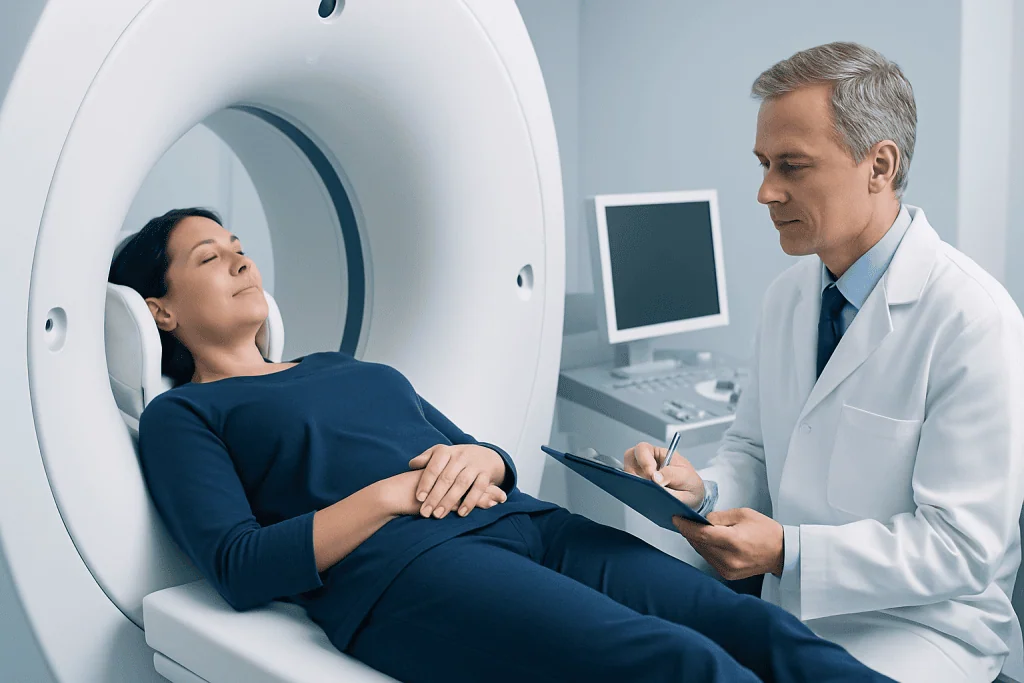
The first part of memory problems diagnosis is usually a detailed conversation. The doctor may ask when symptoms started, whether they came on suddenly or gradually, and whether they affect short-term memory, language, attention, planning, or behavior. They also ask how symptoms interfere with everyday life, such as driving, cooking, taking medicines, paying bills, or keeping appointments.
A full medical history is important because many health conditions can affect the brain. The doctor may ask about stroke, high blood pressure, diabetes, heart disease, depression, anxiety, head injury, seizures, sleep apnea, alcohol use, and past infections. A medication review is equally important, since some prescription drugs, over-the-counter medicines, and supplements can cause confusion or worsen memory.
The evaluation often includes questions about mood, sleep, mobility, hearing, and vision. Depression can sometimes look like memory loss, and hearing loss may make thinking problems seem worse because the person misses information during conversations. Family history can also matter, especially if close relatives had dementia or other neurological disorders.
During this stage, the doctor may begin considering whether the pattern fits a condition such as Alzheimer’s disease or whether another explanation seems more likely. This early impression is not the final diagnosis, but it helps determine which tests are most useful next.
Physical, Neurological, and Functional Assessment

After reviewing the history, the doctor usually performs a physical exam and a neurological exam. These exams look for clues about how the brain and nervous system are working. The doctor may check balance, walking, muscle strength, reflexes, coordination, eye movements, speech, and sensation. Changes in these areas may suggest stroke, Parkinsonian conditions, nerve disease, or another neurological problem affecting cognition.
Functional assessment is also important. This means looking at how well a person manages daily activities. Some people have mild changes that show up mainly on testing but still live independently. Others may struggle with shopping, managing money, using appliances, following conversations, or remembering important steps in routine tasks. This information helps doctors distinguish mild cognitive impairment from more advanced impairment.
Doctors may also ask about safety concerns, such as medication mistakes, falls, wandering, leaving the stove on, or unsafe driving. These discussions can feel sensitive, but they are meant to protect independence where possible and identify where support may help. An accurate picture of daily function is a key part of diagnosis and care planning.
Cognitive Testing: Measuring Memory and Thinking
Cognitive testing for memory loss helps doctors measure how the brain is working in a structured way. A brief office screening may assess orientation, attention, language, recall, naming, and visuospatial skills. These tests do not diagnose a condition by themselves, but they can show whether further evaluation is needed and can provide a baseline for future comparison.
If symptoms are more complex, the doctor may recommend formal neuropsychological testing. This is a more detailed evaluation performed over several tasks that assess memory, executive function, concentration, problem-solving, processing speed, language, and visual-spatial ability. The pattern of strengths and weaknesses may suggest whether changes are related to normal aging, depression, mild cognitive impairment, Alzheimer’s disease, vascular changes, or another condition.
Cognitive testing is not about passing or failing. Performance can be influenced by education, language, culture, vision, hearing, fatigue, and emotional state, so doctors interpret results carefully and in context. In some cases, repeat testing over time is especially helpful because it shows whether symptoms are stable, improving, or progressing.
When a broader neurological work-up is needed, a specialist may organize a neurology consultation to bring together cognitive findings, exam results, and imaging or lab data. This can be particularly useful when diagnosis is uncertain or symptoms are affecting daily life.
Brain Imaging: Looking for Structural or Other Causes
Brain imaging for memory problems helps doctors look for changes that may explain symptoms. Structural imaging is often done with magnetic resonance imaging, or MRI, and sometimes with computed tomography, or CT, if MRI is not suitable. These scans can reveal strokes, bleeding, brain shrinkage patterns, tumors, hydrocephalus, or other abnormalities that may affect memory and thinking.
MRI is often preferred because it gives a more detailed view of the brain. It can show small-vessel disease, prior silent strokes, and patterns of atrophy that may support a diagnosis of neurodegenerative disease. For example, some patterns may raise concern for Alzheimer-type changes, while others suggest vascular injury or different types of dementia.
In selected situations, doctors may use more specialized imaging. These tests are not needed for everyone, but they may help when the diagnosis remains unclear after standard assessment. Imaging is most useful when interpreted together with symptoms, examination findings, and cognitive test results rather than viewed in isolation.
If imaging is recommended, it may be arranged through MRI or other appropriate diagnostic studies depending on the person’s health, symptoms, and the questions the medical team is trying to answer.
Lab Work and Other Tests to Rule Out Treatable Causes
Lab tests for memory loss are an important part of diagnosis because some causes are potentially reversible. Blood work often checks for thyroid disorders, vitamin B12 deficiency, anemia, infection, kidney or liver problems, blood sugar abnormalities, and electrolyte imbalance. These conditions can affect concentration, energy, and memory and may improve when properly treated.
Depending on the situation, doctors may order additional tests. If symptoms developed quickly, fluctuate, or include confusion, they may look for infection, inflammation, autoimmune conditions, or toxic exposures. In some people, sleep studies are helpful when sleep apnea is suspected, since poor sleep quality can strongly affect memory and daytime thinking.
Doctors may also evaluate hearing and vision, especially in older adults. Untreated sensory problems can worsen communication and make cognitive symptoms seem more severe. Mood screening is another routine part of good care because depression and anxiety can reduce attention and memory performance and may improve with treatment.
When the main question is whether symptoms represent a degenerative brain disorder, the doctor may discuss conditions such as dementia and explain what lab tests can and cannot show. Blood tests help rule out other causes, but they usually need to be combined with clinical assessment and imaging for a clear diagnosis.
What Happens After the Diagnosis
Once testing is complete, the doctor reviews all findings together and explains the diagnosis in plain language. Sometimes the result is reassuring, such as normal age-related forgetfulness or a treatable issue like medication side effects, depression, or vitamin deficiency. In other cases, the diagnosis may be mild cognitive impairment, a vascular cognitive disorder, Alzheimer’s disease, or another form of dementia.
Treatment depends on the cause. It may include adjusting medicines, treating sleep apnea, improving hearing, managing depression, controlling blood pressure or diabetes, or addressing vitamin deficiency. If a neurodegenerative condition is diagnosed, care often focuses on symptom management, preserving function, maintaining safety, and planning support early.
Non-drug strategies are also important. Doctors may recommend regular physical activity, structured routines, mental stimulation, social engagement, better sleep habits, and practical memory supports such as calendars, alarms, pill organizers, and written reminders. Family education can make daily life easier and reduce stress for everyone involved.
In some situations, coordinated care through check-up and diagnostic services can help organize follow-up testing and specialist review. Near the end of the evaluation journey, some international patients may also choose centers such as Acibadem International, where multidisciplinary specialists in JCI-accredited hospitals diagnose and treat memory-related conditions.
When to See a Doctor for Memory Changes
It is a good idea to seek medical advice if memory problems are becoming more frequent, affecting work or daily activities, or noticed by family members. A person should also be evaluated if they repeat questions often, get lost in familiar places, have trouble managing money or medicines, or show changes in judgment, language, or personality. Early evaluation can provide answers and help identify problems that may respond to treatment.
Prompt medical attention is especially important when memory changes come on suddenly or are accompanied by confusion, weakness, speech difficulty, severe headache, fever, balance problems, or major behavioral changes. These symptoms can sometimes point to urgent conditions such as stroke, infection, or other acute illness.
Families do not need to wait until symptoms are severe. Bringing notes about examples of forgetfulness, a medication list, and a trusted companion to the appointment can make the visit more productive. A clear diagnosis often starts with careful observation and a timely conversation with a qualified doctor.
Frequently asked questions
What tests are usually done to diagnose memory problems?
Doctors usually start with a medical history, symptom review, physical and neurological exam, and brief cognitive testing. They may also order blood tests and brain imaging such as MRI or CT to look for treatable causes or patterns that suggest a specific condition.
Does memory loss always mean dementia?
No. Memory loss can be linked to many conditions, including stress, depression, poor sleep, medication effects, vitamin deficiencies, thyroid problems, or hearing loss. Dementia is only one possible cause, so a proper evaluation is important.
What is the difference between mild cognitive impairment and dementia?
Mild cognitive impairment means there is a noticeable change in thinking or memory, but the person still manages most daily activities independently. Dementia usually means cognitive changes are more severe and interfere clearly with everyday functioning.
Why might a doctor order an MRI for memory problems?
An MRI can show strokes, small-vessel disease, brain shrinkage patterns, tumors, or other structural changes that may affect memory. It helps doctors understand whether symptoms may be due to vascular changes, neurodegeneration, or another brain condition.
Can blood tests really help with memory problems?
Yes. Blood tests can identify issues such as vitamin B12 deficiency, thyroid disease, infection, anemia, or metabolic problems that may contribute to memory symptoms. Finding and treating these conditions can sometimes improve thinking and energy.
Should a family member come to the appointment?
Often, yes. A family member or trusted friend may notice changes in memory, judgment, or daily function that the person does not fully recognize. Their observations can help the doctor build a more accurate picture of what is happening.
References
- World Health Organization
- National Institute on Aging
- Alzheimer's Association
- American Academy of Neurology
- National Institute of Neurological Disorders and Stroke
This article is for general information only and is not a substitute for professional medical advice. Please consult a qualified doctor about your individual situation.
Explore treatments in Turkey — costs, top hospitals & a free quote
JCI-accredited · board-certified surgeons · reply within 24h
Add us as a Preferred Source to see more of our trusted health content across Google Search, AI Overviews and Discover.
Check your numbers in seconds
BMI, calories, due date, blood pressure and 30+ more clinical calculators — free, instant, doctor-reviewed ranges.