How Movement Disorders Are Diagnosed: Neurological Exam, Imaging, and Other Tests

There is no single test that diagnoses all movement disorders. A careful neurological exam is often the most important part of the evaluation.
Key Takeaways
- There is no single test that diagnoses all movement disorders.
- A careful neurological exam is often the most important part of the evaluation.
- Imaging, blood tests, and genetic or neurophysiology tests may help confirm the cause or exclude similar conditions.
- Diagnosis may take time because symptoms can overlap and change over time.
- Early specialist assessment can improve symptom control and long-term planning.
Movement disorders are diagnosed by combining a detailed medical history with a neurological examination and selected tests. The goal is to identify the type of abnormal movement, rule out other causes, and build the most appropriate treatment plan.
Overview: How movement disorders are diagnosed
Movement disorders are a group of neurological conditions that affect how the body moves. They may cause movements that are too slow, too fast, irregular, stiff, shaky, or difficult to control. Common examples include tremor, Parkinsonism, dystonia, tics, chorea, ataxia, and myoclonus. Because these symptoms can look similar at first, diagnosis usually involves several steps rather than one single test.
In most cases, the diagnostic process begins with a detailed conversation about symptoms and a focused neurological examination. The doctor looks at when the movements started, whether they are constant or intermittent, what makes them better or worse, and whether there are associated symptoms such as balance problems, memory changes, weakness, numbness, or sleep disturbance.
Additional tests may be recommended depending on the suspected condition. These can include brain imaging, blood tests, medication review, neurophysiology studies, and sometimes genetic testing. The purpose is not only to name the disorder, but also to find a treatable cause and guide management.
Medical history and symptom review
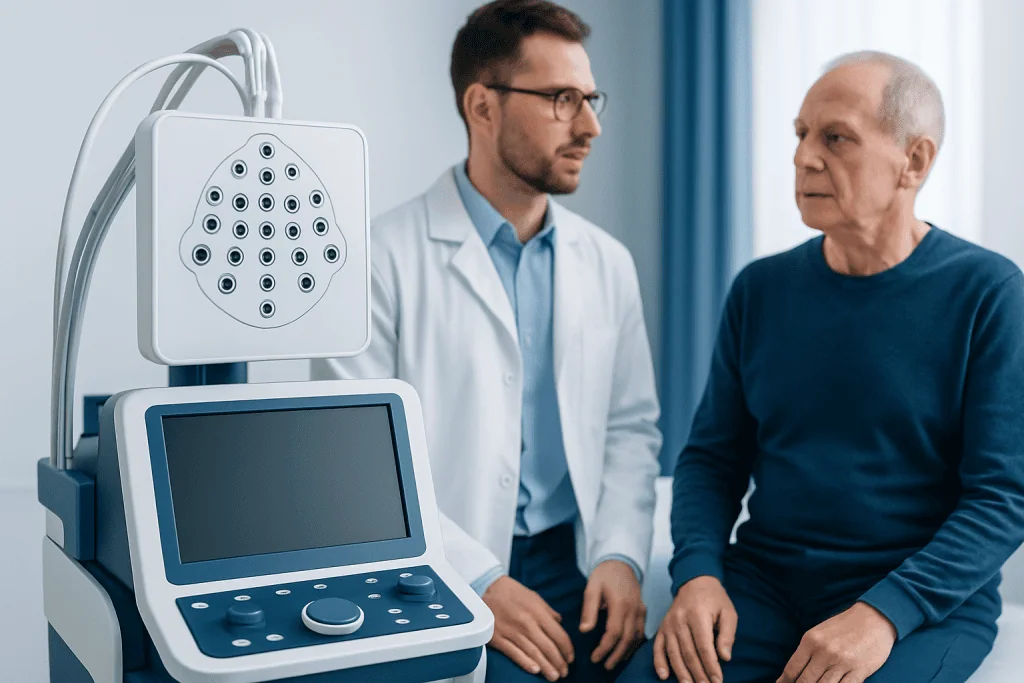
A thorough medical history gives important clues. The doctor usually asks exactly what the abnormal movement looks and feels like, when it first appeared, and whether it affects one side or both sides of the body. Symptoms at rest, during action, or in specific situations can help distinguish one disorder from another. For example, tremor during activity may suggest a different cause than tremor when the body is relaxed.
It is also important to review other medical conditions, previous infections, head injury, stroke history, and exposure to medications or toxins. Some drugs, especially certain psychiatric medications or anti-nausea medicines, can cause abnormal movements. Family history matters as well, because some movement disorders have an inherited component.
The doctor may ask the patient to describe how symptoms affect daily life. Difficulty writing, buttoning clothes, walking, speaking, swallowing, or keeping balance can all help define the pattern and severity. If possible, videos recorded during episodes at home can be helpful, especially when symptoms come and go.
- When symptoms started and how they have changed
- Whether movements occur at rest, with action, or in specific positions
- Current and past medications, including supplements
- Family history of tremor, Parkinson’s disease, dystonia, or other neurological conditions
- Impact on walking, work, sleep, and daily activities
The neurological exam: the core of diagnosis

The neurological examination is often the most valuable part of movement disorders diagnosis. During the exam, the neurologist observes posture, facial expression, speech, eye movements, muscle tone, coordination, reflexes, gait, and balance. The doctor may ask the patient to walk, turn, stand from a chair, hold the arms out, write, tap fingers, or perform repeated hand and foot movements.
Specific features help narrow the diagnosis. Tremor may be judged by its speed, size, rhythm, and whether it happens at rest or with movement. Slowness of movement, reduced arm swing, rigidity, and changes in posture may suggest Parkinsonism. Twisting postures may point to dystonia, while jerky movements can suggest myoclonus or chorea. Problems with coordination and an unsteady gait may indicate cerebellar involvement.
The exam also helps identify signs that do not fit a primary movement disorder, such as muscle weakness, sensory loss, or eye movement abnormalities. These findings may suggest another neurological problem and can change which tests are needed next. In some people, diagnosis becomes clearer after more than one visit because symptoms evolve over time.
When appropriate, a specialist may also assess cognition, mood, swallowing, and autonomic symptoms such as dizziness on standing, constipation, or bladder changes. These associated features can be very useful in distinguishing Parkinson's disease from other conditions that may resemble it.
Imaging and other tests that may be used
Brain imaging is not necessary for every patient, but it is often used when the diagnosis is uncertain or when the doctor wants to exclude structural causes. Magnetic resonance imaging, or MRI, can show signs of stroke, tumor, inflammation, <a href="https://acibademinternational.com/diseases/normal-pressure-hydrocephalus/”>normal pressure hydrocephalus, or changes in specific brain regions. In some cases, computed tomography may be used if MRI is not suitable.
Specialized imaging may sometimes be considered. A dopamine transporter scan can help support the presence of a degenerative Parkinsonian syndrome in selected cases, especially when it is difficult to distinguish Parkinsonism from conditions such as essential tremor or drug-induced symptoms. However, imaging is usually interpreted alongside the clinical examination rather than on its own.
Other tests may include blood work to look for metabolic, autoimmune, infectious, endocrine, or nutritional causes. Depending on the symptoms, doctors may check thyroid function, liver and kidney function, vitamin levels, copper metabolism, or markers of inflammation. In younger patients or in those with unusual symptoms, tests for inherited or rare disorders may also be appropriate.
Some people need neurophysiology studies such as electromyography or electroencephalography to better characterize jerks, tremor, or episodes that could be mistaken for seizures. If walking imbalance is prominent, the evaluation may overlap with testing used for ataxia. When structural assessment is needed, the care team may request MRI scanning as part of the work-up.
How doctors distinguish between different movement disorders
Many movement disorders share symptoms, so doctors rely on patterns rather than one sign alone. Tremor, for example, can occur in essential tremor, Parkinson’s disease, medication-related conditions, thyroid disease, anxiety states, and other neurological disorders. The timing of the tremor, body parts involved, and associated symptoms help separate these possibilities.
Parkinsonism is a descriptive term, not a final diagnosis by itself. It refers to features such as slowness, stiffness, tremor, and balance changes. The next step is determining whether the cause is Parkinson’s disease, a medication effect, vascular disease, or an atypical Parkinsonian disorder. Response to treatment, progression over time, and additional signs can all help clarify the picture.
Doctors also consider whether symptoms might be functional, meaning related to changes in nervous system functioning rather than structural damage. Functional movement disorders are genuine and can be disabling, but they are diagnosed by positive clinical features, not simply by ruling everything else out. This distinction matters because treatment approaches may differ.
Because some conditions become clearer only with time, follow-up is an important part of diagnosis. A specialist may initially describe the syndrome, monitor changes, and refine the diagnosis as more information becomes available. This can be reassuring for patients, as it reflects careful and evidence-based practice rather than uncertainty alone.
What happens after diagnosis
Once the likely diagnosis is established, treatment planning begins. Management depends on the exact disorder, symptom severity, age, overall health, and personal goals. Some conditions are treated mainly with medication, while others benefit from physical therapy, occupational therapy, speech and swallowing support, lifestyle changes, or procedural therapies.
For example, tremor and Parkinsonian symptoms may improve with carefully selected medicines. Dystonia may respond to targeted injections, and some advanced conditions can be considered for device-based therapies such as deep brain stimulation in appropriate candidates. If the main issue is medication-induced symptoms, adjusting the drug regimen may be the key step.
In many patients, rehabilitation is an important part of care. Gait training, balance work, stretching, and strategies for handwriting or daily tasks can improve independence and safety. When speech or swallowing is affected, specialized therapy may help reduce complications and maintain quality of life.
Some diagnoses, especially hereditary or complex neurodegenerative disorders, may require a multidisciplinary approach. Near the end of the diagnostic journey, patients may also discuss whether further targeted treatment is useful for related conditions such as Parkinson's disease treatment. Acibadem International’s multidisciplinary specialists and JCI-accredited hospitals also diagnose and treat movement disorders for international patients.
Preparing for the appointment and supporting accurate diagnosis
Patients can help make the evaluation more effective by preparing before the visit. Writing down when symptoms occur, what they look like, and any triggers can be very useful. A list of all medications, including over-the-counter products and supplements, should be brought to the appointment.
If possible, a family member or friend can attend, especially if they have noticed changes in walking, facial expression, memory, or behavior. Videos of episodes can be especially helpful for movements that are brief or unpredictable. Previous test reports, imaging discs, and prior neurology notes can also reduce unnecessary repeat testing.
It is helpful to mention symptoms that may seem unrelated, such as constipation, loss of smell, sleep behaviors, dizziness, mood changes, or difficulty swallowing. These details can provide valuable clues. Open communication about the effect on work, driving, exercise, and self-care helps the care team recommend the most practical next steps.
- Bring a symptom timeline and medication list
- Record brief videos of intermittent movements if safe to do so
- Share family history and previous test results
- Mention non-movement symptoms and daily life concerns
When to seek medical attention
Any new, persistent, or worsening abnormal movement should be assessed by a qualified doctor. While many movement disorders develop gradually, some symptoms need more urgent evaluation, especially if they appear suddenly or with other neurological signs. Early review may allow treatment of reversible causes and improve symptom management.
Urgent medical attention is especially important if abnormal movements are accompanied by sudden weakness, facial drooping, severe headache, confusion, new seizures, fever, loss of consciousness, or sudden trouble speaking or walking. These symptoms may suggest a medical emergency rather than a chronic movement disorder.
Even when symptoms are mild, specialist assessment can be valuable if they interfere with handwriting, balance, work, sleep, or social confidence. A movement disorders neurologist can often provide a more precise diagnosis when the picture is complex or when first-line treatment has not helped enough.
Frequently asked questions
Is there a single test for movement disorders diagnosis?
No. Most movement disorders are diagnosed by combining the medical history, neurological examination, and selected tests such as imaging or blood work. The exact tests depend on the symptoms and the suspected cause.
Why is the neurological exam so important?
The neurological exam helps the doctor identify the pattern of movement and any associated signs such as rigidity, slowness, coordination problems, or balance changes. These details often provide the strongest clues about which disorder is present.
Will everyone with a movement disorder need an MRI?
Not always. MRI is often used when the diagnosis is unclear or when doctors want to exclude structural causes such as stroke, tumor, or inflammation. In some straightforward cases, the clinical picture may be enough without immediate imaging.
Can blood tests diagnose Parkinson's disease or tremor?
Blood tests do not usually diagnose Parkinson's disease directly. Instead, they help rule out other possible causes of tremor or movement changes, such as thyroid problems, metabolic conditions, or vitamin deficiencies.
How long does it take to confirm a diagnosis?
The timeline varies. Some diagnoses are clear after one visit, while others require follow-up over time because symptoms can overlap or change. This stepwise approach helps improve accuracy and avoid unnecessary treatment.
Should a person see a general neurologist or a movement disorders specialist?
A general neurologist can begin the evaluation and manage many common cases. A movement disorders specialist may be especially helpful when symptoms are unusual, diagnosis is uncertain, or advanced treatments are being considered.
References
- National Institute of Neurological Disorders and Stroke
- National Institute for Health and Care Excellence
- American Academy of Neurology
- Parkinson's Foundation
- Movement Disorder Society
This article is for general information only and is not a substitute for professional medical advice. Please consult a qualified doctor about your individual situation.
Movement Disorders in Turkey — costs, top hospitals & a free quote
JCI-accredited · board-certified surgeons · reply within 24h
Add us as a Preferred Source to see more of our trusted health content across Google Search, AI Overviews and Discover.

Neurology
Diagnosis and treatment of disorders of the brain, spinal cord, nerves and muscles.
51 specialists in this unit