How Much Does It Cost: What Patients Really Pay

CPR instructor costs are usually made up of prerequisite training, an instructor course, teaching materials and periodic renewal. Requirements vary by certifying organization, training center and the type of courses an instructor plans to teach.
Key Takeaways
- CPR instructor costs are usually made up of prerequisite training, an instructor course, teaching materials and periodic renewal.
- Requirements vary by certifying organization, training center and the type of courses an instructor plans to teach.
- A current provider-level CPR credential is commonly required before instructor training can begin.
- The least expensive option is not always the best fit; recognition by local employers and access to teaching support matter.
- CPR instruction is an education role, not a medical procedure, but instructors should understand when learners need emergency medical evaluation.
The cost to become a CPR instructor depends on the certifying organization, local training center, prior credentials, course materials and ongoing renewal requirements. Rather than relying on one advertised price, prospective instructors should ask for a complete list of required courses, teaching supplies, affiliation fees and recertification costs before enrolling.
How Much Does It Cost to Become a CPR Instructor?
How much does it cost to become a CPR instructor? There is no single standard amount because pricing depends on the certifying organization, the training center, the region, whether prerequisite CPR training is needed, and the supplies required to teach. Prospective instructors should request a written breakdown of all initial and recurring expenses rather than choosing a course based only on its advertised registration fee.
Typical cost categories include a provider-level CPR course, an instructor training course, manuals or digital learning materials, certification processing, background or affiliation requirements where applicable, and equipment for independent teaching. Some programs include part of these items in one package, while others charge separately. Renewal courses, updated materials and replacement equipment can create continuing costs over time.
Before committing, it is helpful to confirm that the credential is accepted by the employers, schools, sports organizations or community groups the person hopes to serve. A lower initial fee may be less useful if the resulting certificate is not recognized locally or if the instructor receives little guidance on course delivery, record keeping and skill assessment.
How CPR Instructor Certification Works
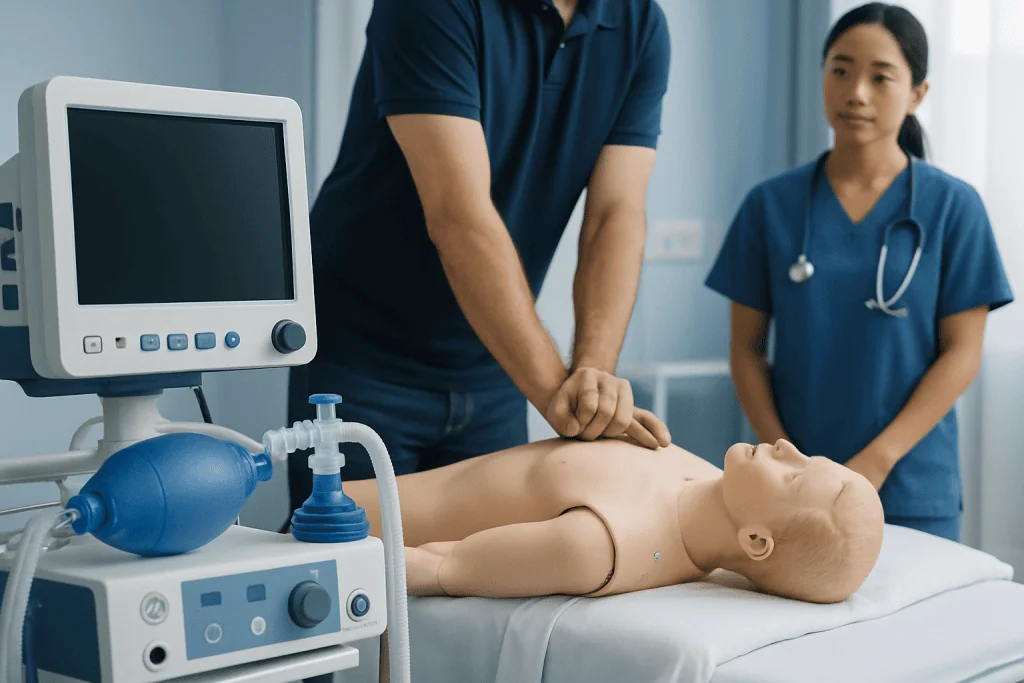
CPR instructor certification prepares a qualified person to teach and assess lifesaving skills such as cardiopulmonary resuscitation, use of an automated external defibrillator (AED), and choking first aid. It does not authorize someone to diagnose illness, provide emergency medical treatment beyond their scope, or replace professional clinical care.
Most pathways begin with a current provider credential in the relevant CPR course. The applicant then completes instructor education that covers adult learning principles, course rules, skill demonstration, learner evaluation and proper use of manikins and AED trainers. Many organizations also require observation of an experienced instructor or a monitored teaching session before final approval.
Certification requirements and course names differ. Some programs are designed for workplace and community educators, while others support healthcare training. Prospective instructors should verify the level of credential they need and whether they must join or work through an authorized training center.
Who Is a Good Candidate to Become a CPR Instructor?
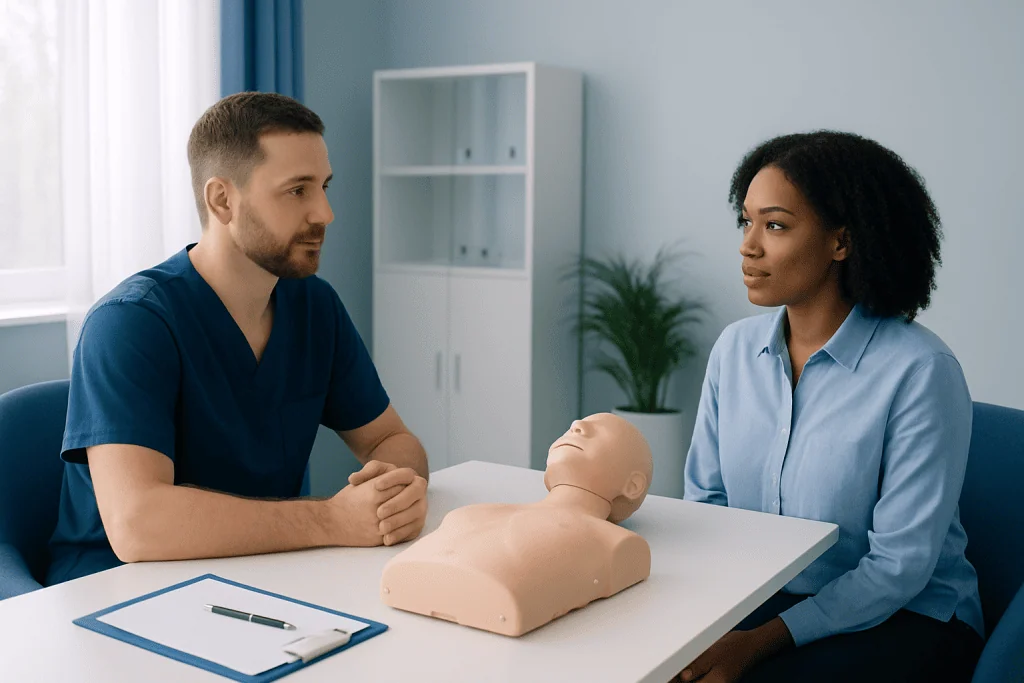
A suitable candidate is usually an adult with a current CPR credential, reliable communication skills and comfort demonstrating practical skills in front of groups. Patience, attention to detail and an ability to give respectful feedback are particularly important, because learners may be anxious about performing CPR correctly.
People who work in education, fitness, childcare, occupational safety, community organizations or healthcare may find instructor training relevant to their role. However, prior medical employment is not always required. The exact prerequisites should be checked directly with the certifying body and local training center.
Applicants should also consider the practical responsibilities of teaching. These can include arranging a suitable room, maintaining clean and functioning training equipment, documenting attendance, protecting learner records and staying current with updates to resuscitation guidance. Anyone planning to teach independently should understand the administrative and equipment commitments before purchasing a course.
The Step-by-Step Path to CPR Instructor Status
The process commonly starts by selecting a recognized certifying organization and identifying a local training center. The applicant should ask which provider-level course is required, whether it must be completed recently, what instructor course is appropriate and whether a monitored teaching session is mandatory.
Next, the applicant completes any required provider training and then enrolls in the instructor course. Instructor education may include online preparation, in-person teaching practice, written knowledge checks and hands-on assessment. Participants generally learn how to explain skills clearly, run practice sessions, correct technique and follow standardized course procedures.
After the course, a new instructor may need to affiliate with a training center, teach under supervision or submit documentation for authorization. Once approved, the instructor can teach only the courses covered by their credential and must follow the issuing organization’s policies. Maintaining certification usually requires teaching activity, periodic renewal and continued compliance with updated standards.
- Ask for all prerequisite and renewal requirements in writing.
- Confirm whether manuals, course cards, manikins and AED trainers are included.
- Check what mentoring, quality assurance and administrative support the training center provides.
- Keep copies of certificates, course records and equipment maintenance information.
Benefits, Limits and Safety Considerations
Becoming a CPR instructor can help expand access to basic emergency-response education in workplaces and communities. Instructors may also gain confidence in recognizing emergencies, activating local emergency services and teaching others how to respond while waiting for professional help.
However, certification does not guarantee employment, income or acceptance by every organization. Demand, payment arrangements and recognition vary widely by location and setting. It is sensible to speak with potential employers or clients before selecting a credential pathway, especially if CPR instruction will be part of a professional role.
There are few physical risks from instructor training itself, though practicing CPR can involve kneeling, repeated chest-compression movements and handling training equipment. People with pain, injury or a condition that limits these activities can discuss reasonable adjustments with the course provider and a healthcare professional when needed.
Is It Actually Cheaper to Not Have Health Insurance?
For most people, going without health insurance is not reliably cheaper over time. Although an uninsured person avoids monthly premiums, they may face the full cost of routine care, prescription medicines, testing, emergency treatment and hospitalization. A single unexpected illness or injury can create expenses that are difficult to manage.
The best option depends on a person’s country, eligibility for public coverage, employment benefits, household income, health needs and available plans. Comparing premium costs alone can be misleading; deductibles, copayments, coverage limits, network access and maximum out-of-pocket costs also matter.
Anyone considering coverage choices should use official government or insurer information and, where available, independent enrollment assistance. In an urgent emergency, people should seek care immediately rather than delay because of worries about payment.
Do Doctors Get Paid by How Many Patients They Have?
Doctors’ payment arrangements vary. In some systems, clinicians or medical practices are paid for individual visits, tests or procedures; in others, they may receive a salary, a fixed payment for caring for a group of patients, or payments tied partly to quality and access measures. A doctor’s personal compensation is therefore not simply based on the number of patients they see.
Healthcare organizations often use several payment models at the same time. Ethical and professional standards require doctors to recommend care based on clinical need, informed consent and the patient’s individual circumstances—not on financial incentives.
Patients can ask practical questions about why a test, referral or treatment is recommended, what alternatives exist and what costs may be involved. Shared decision-making is appropriate for many non-emergency healthcare choices.
What Is the Most Expensive Surgical Procedure in the US?
There is no single procedure that is always the most expensive in the United States. Total costs can vary substantially according to the hospital, region, insurance arrangement, complications, length of stay, implants, intensive care needs and whether additional procedures are required.
Complex operations that involve transplantation, major heart surgery, extensive cancer surgery or prolonged intensive care can be among the highest-cost episodes of care. The price of surgery also includes more than the operation itself: evaluation, anesthesia, imaging, laboratory tests, medications, inpatient care, rehabilitation and follow-up may all contribute.
For an individual treatment decision, the most useful question is not which procedure is generally most expensive, but what services are expected in that person’s care plan and how their insurance or payment arrangement applies. A hospital financial counselor or insurer can help explain estimates and coverage before planned care.
Where Do Hospitals Lose the Most Money?
Hospitals may experience financial losses when the cost of providing care is greater than the payment they receive. This can occur with unpaid care, underpayment for some services, high-cost emergency or intensive care, and complex treatment for patients with multiple health needs. The pattern differs by hospital, healthcare system and region.
Emergency departments are important because they must assess and stabilize urgent conditions regardless of a person’s ability to pay under applicable laws. Hospitals also maintain services that must remain available at all times, such as emergency care, intensive care and operating rooms, even when demand varies.
Financial pressures should never be a reason for a patient to postpone urgent medical assessment. People can ask about billing support, payment plans, insurance navigation and financial-assistance policies for planned or non-urgent care.
When to Seek Medical Care
CPR classes teach participants to recognize life-threatening emergencies, but classroom training cannot replace emergency evaluation. A person should call local emergency services immediately if someone is unresponsive, is not breathing normally, has severe difficulty breathing, has signs of stroke, develops sudden chest pressure or pain, has severe bleeding, has a seizure that does not stop, or has a serious injury.
If a person collapses and is unresponsive with absent or abnormal breathing, bystanders should activate emergency services, obtain an AED if available and begin CPR if trained to do so. CPR instructors should emphasize following local emergency-dispatcher guidance and using the equipment and techniques taught in their accredited course.
For non-urgent concerns about chest symptoms, fainting, recurring shortness of breath or readiness for physical CPR practice, an appointment with a qualified clinician can help. Acibadem International’s multidisciplinary specialists and JCI-accredited hospitals support international patients who need assessment and treatment for acute and ongoing health concerns.
Frequently asked questions
How much does it cost to become a CPR instructor?
The total cost varies by certifying organization and local training center. It may include prerequisite CPR certification, instructor education, learning materials, credential processing, affiliation and teaching equipment. Asking for a complete estimate of initial and renewal expenses is the most reliable way to plan.
Do I need to be a nurse or doctor to teach CPR?
Usually, no. Many CPR instructor pathways are open to people who hold the required current provider credential and complete instructor training. Specific eligibility rules depend on the organization issuing the credential.
How long does CPR instructor certification last?
Validity periods and renewal requirements differ among certifying organizations. Instructors may need to renew their credential, stay active by teaching courses, complete updates and meet training-center requirements. The issuing organization can confirm the current rules.
Can a CPR instructor teach independently?
Some instructors may teach independently after meeting the certifying organization’s conditions, while others must work through an authorized training center. Requirements can include approved equipment, course records, quality assurance and the use of official materials. It is important to clarify these obligations before enrolling.
Is it actually cheaper to not have health insurance?
It may reduce monthly spending in the short term, but it can expose a person to the full cost of medical visits, tests, medicines and unexpected hospital care. For many people, insurance offers important financial protection. Available options depend on local laws, income, work benefits and eligibility.
Do doctors get paid by how many patients they have?
Not necessarily. Doctors may be salaried, paid per service, paid through group-based models or compensated partly through quality measures. Professional standards require medical recommendations to be based on patient needs and sound clinical judgment.
References
- American Heart Association
- American Red Cross
- Occupational Safety and Health Administration
- Centers for Disease Control and Prevention
- World Health Organization
This article is for general information only and is not a substitute for professional medical advice. Please consult a qualified doctor about your individual situation.
Explore treatments in Turkey — costs, top hospitals & a free quote
JCI-accredited · board-certified surgeons · reply within 24h
Add us as a Preferred Source to see more of our trusted health content across Google Search, AI Overviews and Discover.