How Neurosurgeons Diagnose Brain and Spine Problems
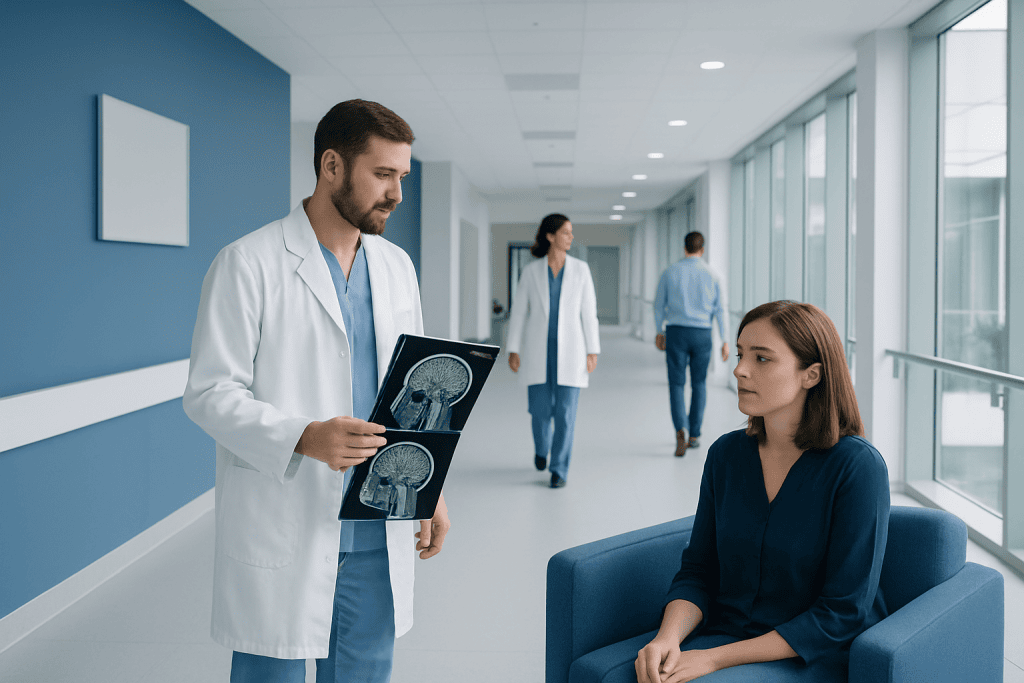
Diagnosis usually begins with a detailed history and neurological examination. Imaging tests such as MRI and CT scans help show the brain, spine, nerves, and surrounding structures.
Key Takeaways
- Diagnosis usually begins with a detailed history and neurological examination.
- Imaging tests such as MRI and CT scans help show the brain, spine, nerves, and surrounding structures.
- Not every brain or spine problem needs surgery; diagnosis helps determine whether monitoring, medication, rehabilitation, or surgery is best.
- Red-flag symptoms such as sudden weakness, seizures, severe headache, or loss of bladder control need urgent medical attention.
- A clear diagnosis often involves teamwork between neurosurgeons, neurologists, radiologists, and rehabilitation specialists.
Neurosurgeons diagnose brain and spine problems through a careful process that starts with symptoms and medical history, then moves to a neurological exam and targeted tests. The goal is to identify the exact cause of a person’s symptoms and create the safest, most effective treatment plan.
Overview
Neurosurgeons are doctors trained to evaluate and treat disorders affecting the brain, spine, spinal cord, and peripheral nerves. Although the word “surgeon” suggests operations, a large part of neurosurgical care is diagnosis. Many patients are referred to a neurosurgeon because of headaches, back pain, numbness, weakness, balance problems, or imaging findings that need expert interpretation.
Diagnosis is rarely based on a single test. Instead, neurosurgeons combine the patient’s symptoms, medical history, physical examination, and imaging results to understand what is happening in the nervous system. This careful step-by-step approach helps distinguish between conditions that look similar but need different treatments.
The main aim is to answer several important questions: what structure is affected, what is causing the problem, how urgent it is, and which treatment is most appropriate. In some cases, the safest plan is observation and follow-up. In others, prompt intervention is needed to protect brain or spinal cord function and improve quality of life.
Symptoms That May Lead to a Neurosurgical Evaluation
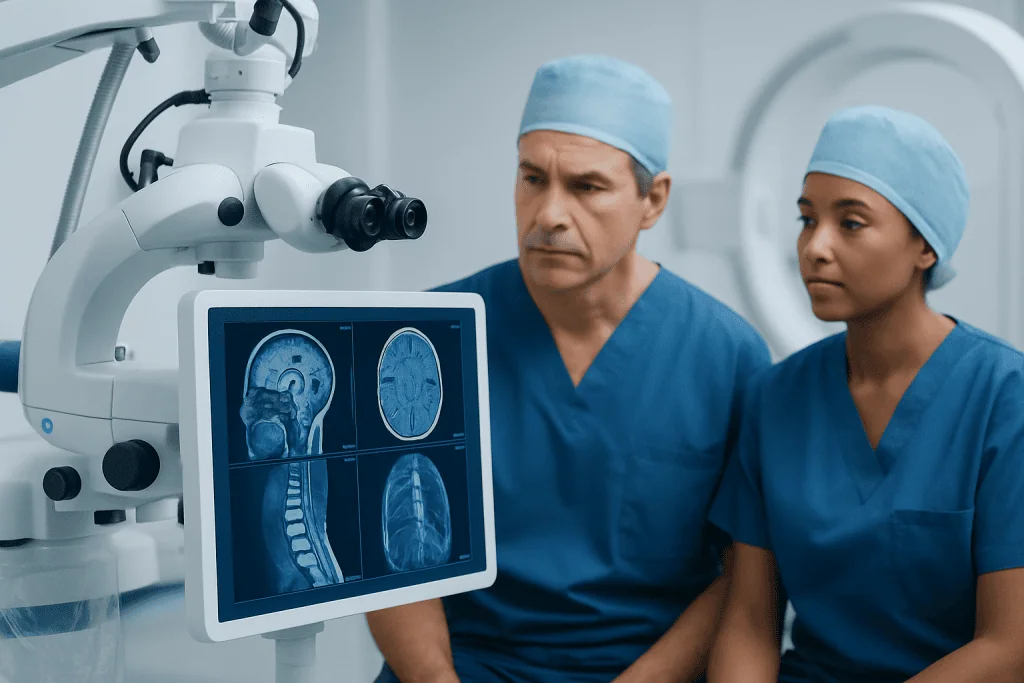
People may be referred to a neurosurgeon for many different symptoms. Some involve the brain, such as persistent headaches, seizures, weakness on one side of the body, changes in speech, vision problems, memory changes, or difficulty with balance. Others involve the spine or nerves, including neck pain, back pain that travels into an arm or leg, tingling, numbness, muscle weakness, or trouble walking.
Symptoms do not always mean a person needs surgery. For example, back pain may come from muscle strain, arthritis, a disc problem, or nerve compression. Likewise, dizziness or headaches can have many causes outside the nervous system. The neurosurgeon’s role is to identify whether the symptoms point to a structural problem in the brain or spine and whether that problem explains the patient’s experience.
Some warning signs need urgent assessment. These can include sudden severe headache, new seizures, sudden weakness, loss of sensation, confusion, difficulty speaking, rapidly worsening back pain with leg weakness, or problems with bladder or bowel control. These symptoms can sometimes signal emergencies such as stroke, bleeding, severe nerve compression, or spinal cord pressure.
- Persistent or worsening headaches
- Seizures or unexplained fainting episodes
- Back or neck pain with numbness or weakness
- Changes in walking, coordination, or balance
- Loss of bladder or bowel control
- Symptoms after head or spine trauma
Medical History and Neurological Examination

A detailed medical history is one of the most important parts of diagnosis. The neurosurgeon asks when symptoms started, whether they are getting worse, what makes them better or worse, and how they affect daily life. Past illnesses, previous injuries, medications, and family history can all provide important clues. If imaging has already been done, the neurosurgeon reviews both the report and the images whenever possible.
The neurological examination checks how well the nervous system is working. This may include evaluating strength, sensation, reflexes, coordination, balance, walking, speech, memory, and eye movements. For spinal symptoms, the examination often focuses on which nerve root or spinal cord level may be involved. For brain-related symptoms, the exam may help localize the problem to a particular region of the brain or surrounding structures.
This evaluation can be reassuring as well as informative. Sometimes symptoms are significant, but the examination is stable, suggesting there is time to investigate carefully rather than act urgently. In other cases, subtle findings on the exam can point to a problem even before imaging is reviewed, helping the neurosurgeon choose the most useful next tests.
Imaging and Other Tests
Imaging plays a central role in showing the anatomy of the brain and spine. Magnetic resonance imaging, or MRI, is often the preferred test because it provides detailed views of soft tissues, including the brain, spinal cord, discs, nerves, and many types of lesions. Computed tomography, or CT, is especially useful in emergencies, after trauma, and for evaluating bone structures or bleeding. In some situations, contrast material is used to make certain abnormalities easier to see.
Additional tests may be needed depending on the suspected condition. These can include X-rays to assess spinal alignment, CT or MR angiography to look at blood vessels, and electrodiagnostic studies such as EMG and nerve conduction studies when nerve or muscle problems are suspected. Some patients may also need blood tests, lumbar puncture, or specialized functional studies if infection, inflammation, or other non-structural causes are part of the question.
Test results are interpreted together rather than in isolation. A scan may show age-related changes that are not actually causing the symptoms, while a smaller abnormality in the right location may be the true explanation. This is why neurosurgeons match the images to the patient’s story and examination findings before recommending a plan.
When a structural problem is found, imaging can help identify whether it is a disc herniation, spinal stenosis, hydrocephalus, vascular lesion, trauma-related injury, or a mass such as a brain tumor. In spine cases, MRI is often used to assess nerve compression related to conditions such as herniated disc disease.
How Neurosurgeons Reach a Diagnosis
Making a diagnosis often involves narrowing down a list of possible causes. For example, leg pain and numbness might come from a pinched nerve in the lower back, spinal stenosis, peripheral neuropathy, or a problem outside the nervous system. Similarly, headaches might be related to migraine, pressure changes, bleeding, or a structural lesion. The neurosurgeon uses the pattern of symptoms, the neurological exam, and test results to decide which explanation fits best.
In some cases, the diagnosis is straightforward. A person with arm pain, numb fingers, and an MRI showing nerve root compression in the neck may have a clear structural cause. In other cases, diagnosis takes time and follow-up. A small finding on a scan may need repeat imaging to see whether it changes, especially if symptoms are mild or stable.
It is also common for neurosurgeons to work with other specialists. Neurologists, neuroradiologists, pain specialists, physiatrists, oncologists, and rehabilitation teams may all contribute to the final diagnosis and treatment plan. This multidisciplinary approach helps patients receive care that is accurate, balanced, and tailored to their needs.
From Diagnosis to Treatment Planning
Once the cause of the problem is identified, the next step is deciding whether treatment is needed and which option is most appropriate. Not all brain and spine conditions require surgery. Many patients benefit first from medication, physical therapy, rehabilitation, pain management, lifestyle changes, or careful monitoring with repeat examinations and imaging.
When surgery is recommended, it is usually because there is a clear reason to believe it can relieve pressure, remove an abnormality, stabilize the spine, or help prevent neurological decline. Depending on the condition, a neurosurgeon may discuss procedures such as brain tumor surgery, spine surgery, or microdiscectomy for selected disc-related nerve compression. The decision is based on symptoms, severity, imaging findings, overall health, and the expected benefits and risks.
Patients are encouraged to ask questions about the diagnosis, the urgency of treatment, alternatives, expected recovery, and what could happen without intervention. A good treatment plan should be clear and personalized. Near the end of the diagnostic journey, some patients may also seek a second opinion for reassurance, particularly when major surgery is being considered.
For international patients, Acibadem International’s multidisciplinary specialists and JCI-accredited hospitals diagnose and treat brain and spine conditions with coordinated care across imaging, neurology, neurosurgery, and rehabilitation services.
Preparing for an Appointment and Supporting Self-care
Patients can help the diagnostic process by preparing for their appointment. Bringing a timeline of symptoms, a medication list, previous scan reports, and copies of imaging can save time and reduce repetition. It is also helpful to note any changes in strength, sensation, balance, sleep, or bladder and bowel function, since these details may affect how urgently the problem needs to be evaluated.
Self-care before a diagnosis should focus on safety and symptom awareness. People with back or neck pain may benefit from avoiding heavy lifting, sudden twisting, or activities that clearly worsen symptoms. Those with seizures, severe dizziness, or weakness may need practical precautions such as avoiding driving or climbing until a doctor advises it is safe.
General measures that support recovery and long-term nervous system health include good sleep, stopping smoking, staying physically active within comfort limits, and managing conditions such as diabetes or high blood pressure. However, self-care should not replace medical assessment when symptoms are persistent, progressive, or concerning.
When to See a Doctor Urgently
Many brain and spine symptoms can be assessed in a routine clinic visit, but some require urgent medical attention. Sudden weakness, numbness on one side of the body, new confusion, trouble speaking, severe drowsiness, a seizure, or a sudden intense headache should be treated as emergencies. These symptoms may signal stroke, bleeding, infection, or another serious neurological event.
Urgent evaluation is also important for spine symptoms if there is rapidly worsening weakness, difficulty walking, numbness around the groin or saddle area, or new loss of bladder or bowel control. These signs can suggest significant spinal cord or nerve compression and should not be ignored. Prompt diagnosis can make an important difference in protecting function.
Even when symptoms are not severe, a doctor should be consulted if they are persistent, worsening, or interfering with daily life. Early assessment can provide reassurance when findings are mild and can also identify treatable problems before they become more limiting.
Frequently asked questions
Do neurosurgeons only treat people who need surgery?
No. Neurosurgeons often evaluate people to find the cause of brain, spine, or nerve symptoms, even when surgery is not needed. Many patients are managed with monitoring, medication, rehabilitation, or referral to another specialist.
What tests are most commonly used to diagnose brain and spine problems?
The most common tools are a medical history, neurological examination, and imaging such as MRI or CT. Depending on the symptoms, doctors may also use X-rays, blood tests, angiography, or nerve studies like EMG.
Is an MRI always necessary?
Not always. MRI is very useful because it shows soft tissues in detail, but the best test depends on the situation. In emergencies, after trauma, or when bone injury is suspected, CT may be more appropriate first.
Can a scan show a problem even if it is not causing symptoms?
Yes. Imaging can reveal age-related changes or incidental findings that may not be responsible for a person’s symptoms. That is why neurosurgeons interpret scans alongside the examination and medical history.
When should back pain be treated as an emergency?
Back pain needs urgent assessment if it comes with new weakness, trouble walking, numbness in the saddle area, or loss of bladder or bowel control. These symptoms can suggest serious pressure on the spinal cord or nerves.
Should a patient get a second opinion before neurosurgery?
A second opinion can be very helpful, especially when major surgery is being considered or the diagnosis is complex. It may confirm the plan, present alternatives, and help the patient feel more confident in the next step.
References
- World Health Organization
- National Institute of Neurological Disorders and Stroke
- American Association of Neurological Surgeons
- National Health Service
- Radiological Society of North America
This article is for general information only and is not a substitute for professional medical advice. Please consult a qualified doctor about your individual situation.
Joint and spine care in Turkey — expert assessment & treatment
JCI-accredited · board-certified surgeons · reply within 24h
Add us as a Preferred Source to see more of our trusted health content across Google Search, AI Overviews and Discover.

Neurosurgery
Surgical treatment of the brain, spine and nervous system, including minimally invasive and functional procedures.
70 specialists in this unit