How Often Do You Have a Pneumonia Shot? Causes, Explanations, and Next Steps

The pneumonia shot is not usually a yearly vaccine like the flu shot. Recommended timing depends on age, immune status, chronic illness, and prior pneumococcal vaccination history.
Key Takeaways
- The pneumonia shot is not usually a yearly vaccine like the flu shot.
- Recommended timing depends on age, immune status, chronic illness, and prior pneumococcal vaccination history.
- Healthy adults may need a single recommended pneumococcal vaccine, while some higher-risk adults may need more than one dose over time.
- A doctor or pharmacist often reviews vaccine records before deciding whether another dose is needed.
- Urgent medical care is needed for symptoms of severe infection, breathing trouble, or confusion rather than for vaccine timing questions alone.
How often do you have a pneumonia shot depends mainly on age, medical conditions, and which pneumococcal vaccine was given before. Many adults need only one dose at the recommended time, while others may need a different schedule or an additional dose based on risk factors.
Overview: How often is a pneumonia shot needed?
For many adults, the answer to how often do you have a pneumonia shot is: not very often. Unlike the seasonal flu vaccine, pneumococcal vaccination is usually given as a one-time recommended dose at a certain age or as part of a limited series based on a person’s health conditions and previous vaccines.
In general, adults may be advised to receive a pneumococcal conjugate vaccine at age 50 or older, or earlier if they have certain chronic illnesses, a weakened immune system, or other risk factors. Some people need only one recommended vaccine, while others may also need a second pneumococcal vaccine given later, depending on which vaccine they received first.
Because vaccine recommendations change over time, the most accurate schedule comes from a clinician who can review age, medical history, and past immunization records. If records are incomplete, a healthcare professional can still help determine a safe and appropriate next step.
What the pneumonia shot protects against
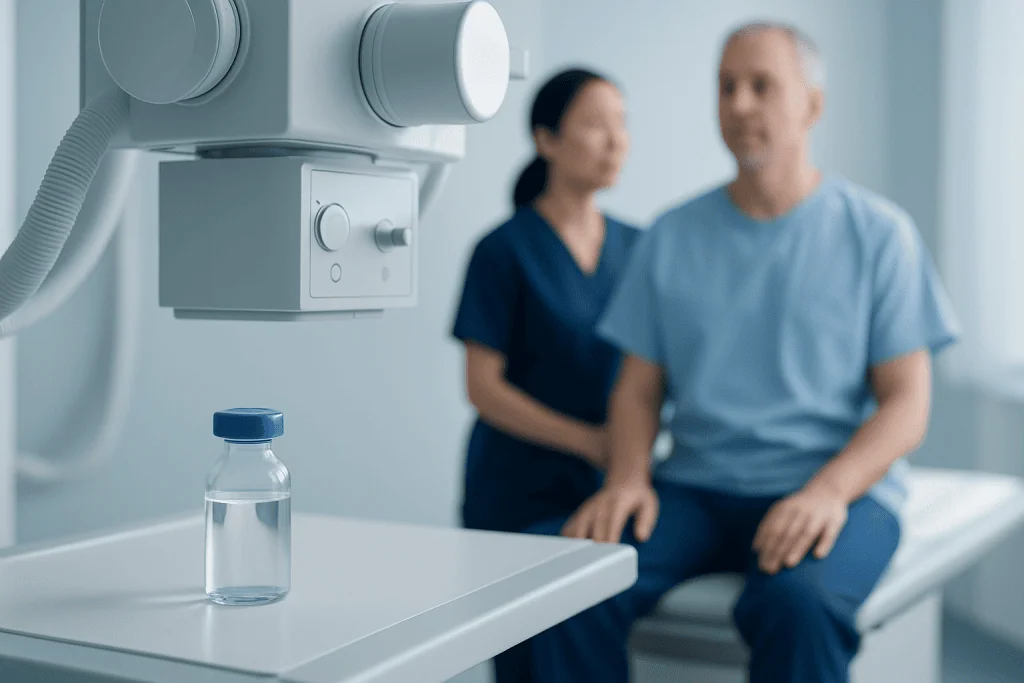
The “pneumonia shot” usually refers to a pneumococcal vaccine. These vaccines help protect against infections caused by Streptococcus pneumoniae, a bacterium that can lead to pneumonia, bloodstream infection, sinus and ear infections, and meningitis.
It is helpful to know that the vaccine does not prevent every cause of pneumonia. Pneumonia can also be caused by viruses, other bacteria, or fungi. Even so, pneumococcal vaccination is an important way to reduce the risk of serious illness from one of the most common bacterial causes.
People often ask whether the vaccine is still worthwhile if they are generally healthy. For older adults and those with certain health conditions, it can reduce the chance of severe disease and hospitalization. It may also be part of a broader prevention plan that includes flu and COVID-19 vaccination, smoking cessation, and management of chronic lung or heart disease.
When discussing lung infections, doctors may also evaluate related respiratory conditions such as bronchitis or pneumonia itself if symptoms are present. The vaccine is preventive, so it is different from testing and treatment used when someone is already unwell.
Who may need it and why timing can differ

Age is one of the main factors. Many national recommendations advise routine pneumococcal vaccination for older adults because the risk of severe infection rises with age. Some younger adults also need vaccination if they have asthma, chronic heart disease, chronic lung disease, diabetes, liver disease, kidney disease, alcoholism, or if they smoke cigarettes.
Timing also changes for people with higher-risk conditions. Those with a weakened immune system, cochlear implants, cerebrospinal fluid leaks, kidney failure, certain cancers, organ transplants, or no spleen may need a different schedule than healthy adults. In these situations, the goal is to improve protection against invasive pneumococcal disease.
Another major reason schedules vary is prior vaccine history. A person may already have received an older pneumococcal vaccine years ago and now be eligible for an updated vaccine or an additional dose. The interval between doses matters, so repeating a vaccine too soon is usually avoided unless specifically recommended by a clinician.
Children have their own routine pneumococcal schedule, which is different from adult guidance. Parents with questions about pediatric vaccination should ask a pediatrician, especially if a child has a chronic condition or an immune problem.
Common schedules adults may hear about
Adults often hear several vaccine names, which can make the answer feel confusing. In practice, a clinician usually chooses among currently recommended pneumococcal vaccines based on age and medical history. For many adults who have never had a pneumococcal vaccine, one recommended conjugate vaccine may be enough. In some cases, a second vaccine is advised later to broaden protection.
Someone who received an older vaccine in the past may not need to start over. Instead, a doctor may recommend one additional dose after a certain interval. This is why vaccine records are useful: the exact product and the date it was given help determine whether protection is complete or whether another dose is still beneficial.
The pneumonia shot is not generally repeated every year. That is one of the most important points for patients who are trying to remember whether it belongs on the same annual schedule as the flu shot. The need for revaccination is usually limited to certain higher-risk groups or specific previous vaccine histories.
- Healthy adult with no prior pneumococcal vaccine: may need a single recommended dose at the appropriate age.
- Adult with chronic illness or smoking history: may need earlier vaccination.
- Adult with immune compromise or certain special risks: may need a different schedule or an additional vaccine.
- Adult vaccinated years ago with an older pneumococcal vaccine: may need one further dose, depending on timing and type.
How doctors decide whether another dose is needed
If someone is unsure whether they need another pneumonia shot, this is often harmless and can usually be sorted out during a routine visit or pharmacy consultation. The first step is a careful review of age, chronic medical problems, immune status, smoking history, and any previous vaccine dates that are available.
A doctor may ask about lung conditions, repeated chest infections, or other illnesses that increase infection risk. If a person currently has cough, fever, chest pain, or shortness of breath, the visit may shift from vaccination planning to assessing for an active respiratory infection. In that setting, evaluation can include a physical examination, oxygen measurement, and sometimes blood tests or imaging such as a chest X-ray.
When symptoms or examination findings suggest another lung problem, further tests may be needed. For example, persistent breathing symptoms may lead to pulmonary function tests or specialist review. If infection is severe or unclear, imaging such as CT scanning may be considered in selected cases.
The decision about revaccination is based on official immunization guidance rather than symptoms alone. If records are missing, clinicians can often use age and risk category to make a practical recommendation, while avoiding unnecessary extra doses whenever possible.
Possible side effects and what to expect after vaccination
Most side effects from a pneumonia shot are mild and short-lived. Common reactions include soreness, redness, or swelling at the injection site, along with tiredness, mild muscle aches, headache, or a low-grade fever. These symptoms usually improve on their own within a few days.
Serious reactions are uncommon, but any vaccine can rarely cause an allergic response. Immediate medical attention is important if there is trouble breathing, facial swelling, widespread hives, severe dizziness, or fainting shortly after vaccination.
It is also useful to know what the vaccine cannot do. It cannot cause pneumococcal pneumonia, because the vaccines do not contain live bacteria that can create the infection. If someone becomes ill soon after vaccination, it usually means they were exposed to another infection or were already developing symptoms before the shot.
For most people, mild post-vaccine discomfort can be managed with rest, fluids, and routine self-care. If symptoms are severe, last longer than expected, or cause concern, it is reasonable to contact a healthcare professional for advice.
When to seek medical care
Questions about vaccine timing usually do not require urgent care. However, medical review is important if a person has symptoms that could suggest pneumonia or another serious infection, especially high fever, chills, worsening cough, chest pain, shortness of breath, bluish lips, confusion, dehydration, or unusual sleepiness.
Older adults, pregnant people, and those with chronic disease or weakened immunity should seek prompt advice if respiratory symptoms are getting worse rather than better. A doctor may listen to the lungs, check oxygen levels, and decide whether testing or treatment is needed.
Medical help is also important after vaccination if there are signs of a significant allergic reaction or a severe local reaction that continues to worsen. People who are uncertain about previous doses, have a complicated medical history, or are preparing for treatments that affect immunity may benefit from a planned vaccine review before problems arise.
Near the end of the care pathway, specialist support can be helpful for complex cases. Acibadem International’s multidisciplinary specialists and JCI-accredited hospitals diagnose and treat respiratory conditions for international patients, including evaluation when recurrent infections or chronic lung symptoms need closer assessment.
Prevention, self-care, and practical next steps
The best next step for most people is simple: check vaccination records and ask a doctor or pharmacist whether pneumococcal vaccination is up to date. This is especially useful before travel, during routine preventive visits, or when a new chronic illness is diagnosed.
Vaccination works best as part of overall respiratory protection. Other helpful measures include annual flu vaccination, staying current with other recommended immunizations, managing asthma or chronic lung disease well, avoiding tobacco smoke, washing hands regularly, and seeking medical advice early if breathing symptoms are worsening.
People with recurrent chest infections may need broader assessment, not just another vaccine. Depending on symptoms, a doctor may look for lung disease, swallowing problems, immune issues, or structural changes in the lungs. In selected patients, evaluation may include specialist testing such as bronchoscopy if symptoms or imaging suggest a deeper airway problem.
Because national recommendations can change, patients should rely on current guidance from qualified clinicians rather than older vaccine cards alone. A brief review of age, risk factors, and prior doses is often enough to answer the question clearly and prevent both missed protection and unnecessary repeat vaccination.
Frequently asked questions
Do adults need a pneumonia shot every year?
No. The pneumonia shot is not usually an annual vaccine like the flu shot. Most adults need it only once at the recommended time or as part of a limited schedule based on age, health conditions, and past vaccination history.
At what age should someone get a pneumonia shot?
Routine timing depends on current national recommendations and individual risk factors. Many adults are advised to receive pneumococcal vaccination at older age, while some younger adults need it earlier because of chronic illness, smoking, or immune-related conditions.
Can someone get another pneumonia shot if they do not remember having one before?
Possibly, but the decision should be made with a clinician or pharmacist. They will review available records, age, and risk category to decide whether a dose is recommended and to avoid unnecessary repeat vaccination when possible.
What is the difference between the pneumonia shot and the flu shot?
The flu shot protects against influenza viruses and is updated and given yearly. The pneumonia shot protects against pneumococcal bacteria and is usually given much less often, based on a person’s age and medical history.
Can a healthy person still benefit from a pneumonia shot?
Yes, especially as age increases. Even healthy adults may be advised to receive pneumococcal vaccination at the recommended age because the risk of severe infection becomes higher over time.
What if someone gets pneumonia after having the shot?
That can still happen because not all pneumonia is caused by pneumococcal bacteria, and no vaccine prevents every case. However, vaccination can still reduce the risk of severe pneumococcal disease and related complications.
This article is for general information only and is not a substitute for professional medical advice. Please consult a qualified doctor about your individual situation.
Pneumonia in Turkey — costs, top hospitals & a free quote
JCI-accredited · board-certified surgeons · reply within 24h
Add us as a Preferred Source to see more of our trusted health content across Google Search, AI Overviews and Discover.

More from the Health Library

How to Last Longer in Bed? A Doctor-Reviewed Answer
Bipap vs cpap: How to Tell the Difference and When It Matters

Is Couscous Healthy? Causes, Explanations, and Next Steps

Signs and Symptoms: Possible Causes and When to Seek Care

Are Teeth Bones? Here Is What the Evidence Says