How Respiration Works: Oxygen, Carbon Dioxide, and Gas Exchange

Respiration includes both breathing and the exchange of oxygen and carbon dioxide in the lungs and body tissues. Air travels through the airways into tiny air sacs called alveoli, where gases move between air and blood.
Key Takeaways
- Respiration includes both breathing and the exchange of oxygen and carbon dioxide in the lungs and body tissues.
- Air travels through the airways into tiny air sacs called alveoli, where gases move between air and blood.
- Hemoglobin in red blood cells carries most oxygen to tissues and helps transport carbon dioxide back to the lungs.
- The brain and diaphragm help control breathing rate and depth based on the body’s changing needs.
- Many lung, heart, blood, and neuromuscular conditions can affect normal respiration.
Respiration is the body’s process of bringing in oxygen and removing carbon dioxide so cells can make energy. It depends on healthy airways, lungs, blood flow, and breathing muscles working together smoothly.
Overview of Respiration
Respiration is the essential process that allows the body to use oxygen and remove carbon dioxide. Although people often use the word as another term for breathing, respiration is broader than simply inhaling and exhaling. It includes moving air into the lungs, exchanging gases between the lungs and bloodstream, delivering oxygen to body tissues, and carrying carbon dioxide back out of the body.
Every cell needs oxygen to help produce energy. As cells work, they create carbon dioxide as a waste product. If oxygen levels fall too low or carbon dioxide levels rise too high, organs cannot function as they should. For this reason, respiration is closely linked to the health of the lungs, heart, blood vessels, blood, and nervous system.
The respiratory system works continuously, usually without conscious effort. At rest, breathing is gentle and regular. During exercise, stress, or illness, the body can increase breathing depth and rate to meet changing demands. This automatic adjustment is one reason respiration is so effective at keeping the body in balance.
How Breathing Moves Air In and Out
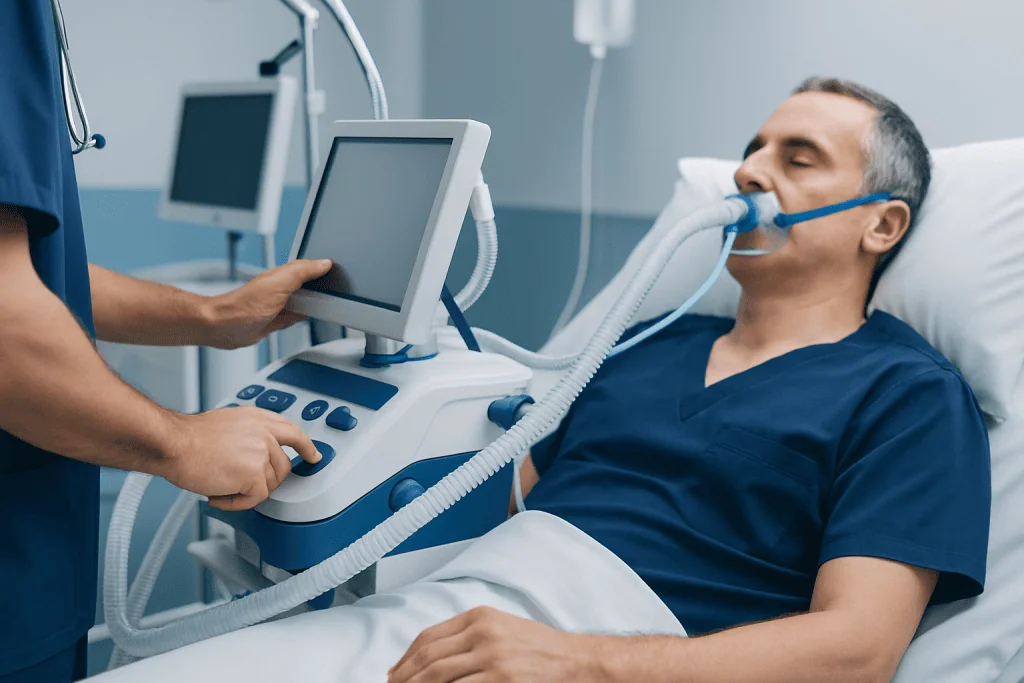
Breathing begins when air enters through the nose or mouth and travels down the throat into the trachea, also called the windpipe. The trachea divides into the right and left bronchi, which branch again into smaller bronchi and bronchioles inside the lungs. These tiny airways end in microscopic air sacs called alveoli, where gas exchange takes place.
The main muscle of breathing is the diaphragm, a dome-shaped muscle below the lungs. When the diaphragm contracts, it moves downward and creates more space in the chest. This lowers pressure inside the chest and draws air into the lungs. When the diaphragm relaxes, the lungs recoil and air flows back out. The muscles between the ribs also help expand and contract the chest.
The nose plays an important role as well. It filters, warms, and moistens incoming air before it reaches the lungs. This helps protect delicate lung tissue and supports efficient gas exchange. In healthy breathing, the airways remain open and flexible so air can move easily in both directions.
How Oxygen and Carbon Dioxide Are Exchanged
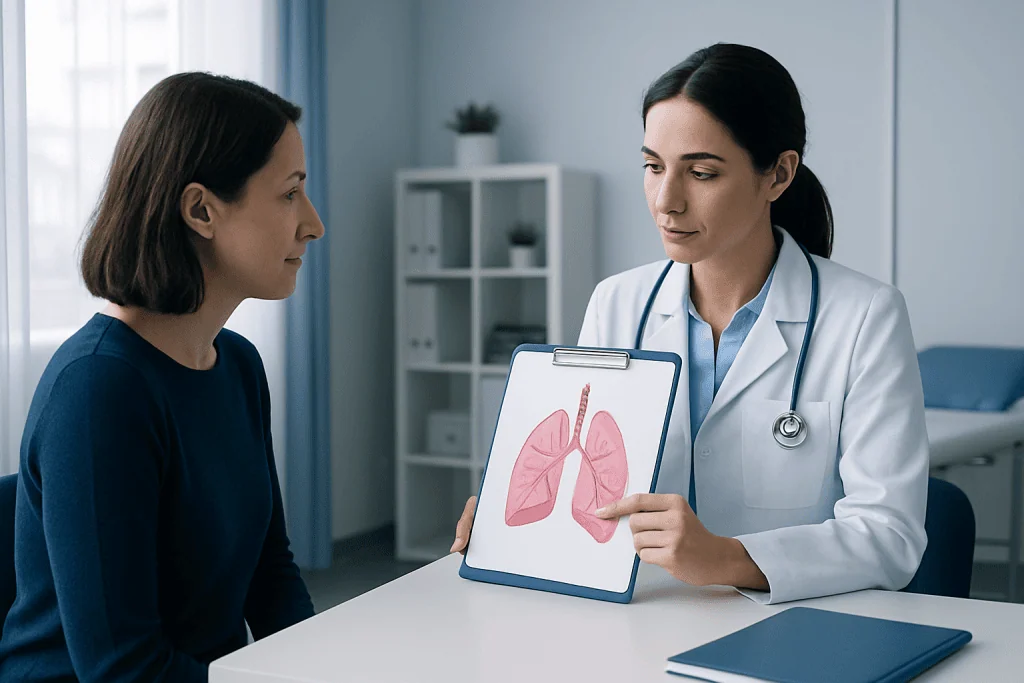
Gas exchange happens in the alveoli, which are tiny, thin-walled sacs surrounded by very small blood vessels called capillaries. When a person inhales, oxygen-rich air reaches the alveoli. Because oxygen concentration is higher in the alveoli than in the blood arriving from the body, oxygen naturally moves across the alveolar wall into the bloodstream.
At the same time, carbon dioxide moves in the opposite direction. Blood returning from the body contains more carbon dioxide than the air in the alveoli. This difference allows carbon dioxide to pass from the blood into the alveoli, where it can be removed during exhalation. This movement of gases across a thin membrane is called diffusion.
For gas exchange to work well, several things must happen together: enough air must reach the alveoli, enough blood must flow through nearby capillaries, and the membrane between air and blood must stay thin and healthy. Problems such as inflammation, fluid buildup, scarring, or blocked airways can interfere with this process and reduce the body’s oxygen supply.
This is why conditions that affect the lungs can lead to breathlessness or low oxygen levels. For example, inflammation and mucus in asthma or damage to air sacs in COPD can make normal gas exchange less efficient.
How Blood Carries Oxygen and Carbon Dioxide
Once oxygen enters the bloodstream, most of it attaches to hemoglobin, a protein inside red blood cells. Hemoglobin carries oxygen from the lungs to tissues throughout the body. There, oxygen is released and used by cells to support metabolism, movement, thinking, and countless other functions.
Carbon dioxide produced by cells then returns to the lungs in several forms. Some dissolves directly in the blood, some binds to hemoglobin, and much of it is converted into bicarbonate. This allows the body to transport carbon dioxide efficiently until it reaches the lungs, where it can be converted back and exhaled.
The heart is also central to this process. The right side of the heart pumps oxygen-poor blood to the lungs, and the left side pumps oxygen-rich blood to the rest of the body. This close partnership between the lungs, blood, and heart is why respiratory symptoms can sometimes overlap with heart or blood disorders.
How the Body Controls Respiration
Breathing is controlled automatically by centers in the brainstem. These centers monitor signals from the blood and body to adjust breathing rate and depth. One of the strongest triggers is the level of carbon dioxide in the blood. When carbon dioxide rises, the brain usually responds by increasing ventilation so more can be removed.
Oxygen levels also influence breathing, especially when they fall significantly. Sensors in major blood vessels detect changes in oxygen, carbon dioxide, and blood acidity. These sensors send information to the brain, which then coordinates the muscles of breathing. This system helps maintain a stable internal environment even during sleep, exercise, or minor illness.
Breathing can also be influenced by emotion, pain, temperature, and physical activity. During exercise, muscles need more oxygen and produce more carbon dioxide, so breathing becomes faster and deeper. During anxiety, a person may breathe rapidly even without increased physical demand. In most cases, the body corrects these changes once the trigger passes.
When this control system is affected by neurological disease, severe lung disease, or muscle weakness, a person may need medical assessment and sometimes supportive treatments such as oxygen therapy or mechanical ventilation.
What Can Affect Normal Respiration
Respiration can be disrupted at many points along its pathway. Airflow problems may occur when the airways narrow, become inflamed, or fill with mucus. Gas exchange problems may happen when alveoli are damaged, filled with fluid, or scarred. Circulation problems can reduce blood flow through the lungs, and blood disorders may reduce the ability to carry oxygen.
Common causes of breathing difficulty include respiratory infections, allergies, asthma, chronic obstructive lung disease, smoking-related damage, pneumonia, and heart conditions. Obesity, poor physical conditioning, and anxiety can also contribute to shortness of breath. In some people, anemia may cause fatigue and breathlessness because there are fewer healthy red blood cells available to carry oxygen.
Environmental factors matter as well. Tobacco smoke, air pollution, occupational dusts, and chemical fumes can irritate the airways and damage lung tissue over time. High altitude may temporarily reduce available oxygen, making breathing feel harder until the body adapts. Good respiratory health depends not only on the lungs themselves but also on lifestyle and surroundings.
If symptoms suggest an ongoing lung problem, doctors may evaluate for conditions such as pneumonia or other respiratory illnesses and, when needed, recommend testing such as pulmonary function tests.
How Doctors Assess Respiration
Doctors begin by asking about symptoms such as shortness of breath, cough, wheezing, chest discomfort, fatigue, or exercise intolerance. They also review smoking history, occupational exposures, past lung or heart conditions, medications, allergies, and family history. A physical examination may include listening to the lungs, checking breathing effort, and measuring oxygen saturation.
Several tests can help clarify how well respiration is working. Pulse oximetry estimates oxygen levels through a sensor placed on the finger. Arterial blood gas testing gives more detailed information about oxygen, carbon dioxide, and acid-base balance. Chest X-rays or CT scans may show infection, fluid, structural changes, or other abnormalities.
Pulmonary function tests measure lung volume, airflow, and how effectively gases move across the lungs. Depending on the situation, doctors may also order blood tests, heart tests, sleep studies, or exercise assessments. The goal is to identify where in the respiratory process the problem is occurring so treatment can be targeted appropriately.
Supporting Healthy Respiration and When to Seek Care
Many everyday habits support normal respiration. Avoiding smoking is one of the most important steps for lung health. Regular physical activity can improve breathing efficiency, cardiovascular fitness, and endurance. Staying up to date with recommended vaccines, managing allergies, and reducing exposure to pollutants or workplace irritants can also help protect the lungs.
People with chronic respiratory conditions often benefit from a clear care plan. This may include prescribed inhaled medicines, breathing exercises, pulmonary rehabilitation, or treatment of related conditions such as reflux or sleep apnea. Good hydration, balanced nutrition, and prompt attention to respiratory infections may reduce symptom flare-ups in some individuals.
Medical care is important if a person has persistent cough, wheezing, repeated chest infections, shortness of breath with everyday activities, or unexplained fatigue. Urgent evaluation is needed for severe trouble breathing, bluish lips, confusion, chest pain, or sudden worsening symptoms. A qualified doctor can determine whether the cause is related to the lungs, heart, blood, or another system.
For patients seeking evaluation and treatment, Acibadem International’s multidisciplinary specialists and JCI-accredited hospitals care for international patients with respiratory conditions, including advanced assessment and bronchoscopy when clinically appropriate.
Frequently asked questions
What is the difference between breathing and respiration?
Breathing is the physical movement of air into and out of the lungs. Respiration is the larger process that includes breathing, gas exchange in the lungs, transport of gases in the blood, and use of oxygen by body tissues.
Where does gas exchange happen in the lungs?
Gas exchange happens in the alveoli, which are tiny air sacs at the ends of the smallest airways. Their thin walls and close contact with capillaries allow oxygen to enter the blood and carbon dioxide to leave it.
Why is carbon dioxide important in controlling breathing?
Carbon dioxide is one of the main signals the body uses to regulate breathing. When carbon dioxide levels rise, the brain usually tells the body to breathe faster or deeper to remove more of it.
Can heart problems affect respiration?
Yes. The heart and lungs work closely together, so poor heart function can lead to shortness of breath or reduced oxygen delivery. This is one reason breathing symptoms should be assessed in the context of overall health.
How do doctors know if gas exchange is not working well?
Doctors use symptoms, physical examination, oxygen saturation, imaging, and tests such as arterial blood gas analysis and pulmonary function tests. These help show whether oxygen levels are low, carbon dioxide is high, or lung function is impaired.
What habits help keep the respiratory system healthy?
Not smoking, staying physically active, avoiding harmful fumes, and keeping recommended vaccinations up to date are important steps. Managing chronic conditions and seeking care for persistent breathing symptoms can also support long-term lung health.
References
- World Health Organization
- National Heart, Lung, and Blood Institute
- American Lung Association
- European Respiratory Society
- Merck Manual Consumer Version
This article is for general information only and is not a substitute for professional medical advice. Please consult a qualified doctor about your individual situation.
Persistent digestive symptoms? Get evaluated in Turkey
JCI-accredited · board-certified surgeons · reply within 24h
Add us as a Preferred Source to see more of our trusted health content across Google Search, AI Overviews and Discover.