How the Brain Is Protected: Skull, Meninges, Cerebrospinal Fluid, and Blood Supply
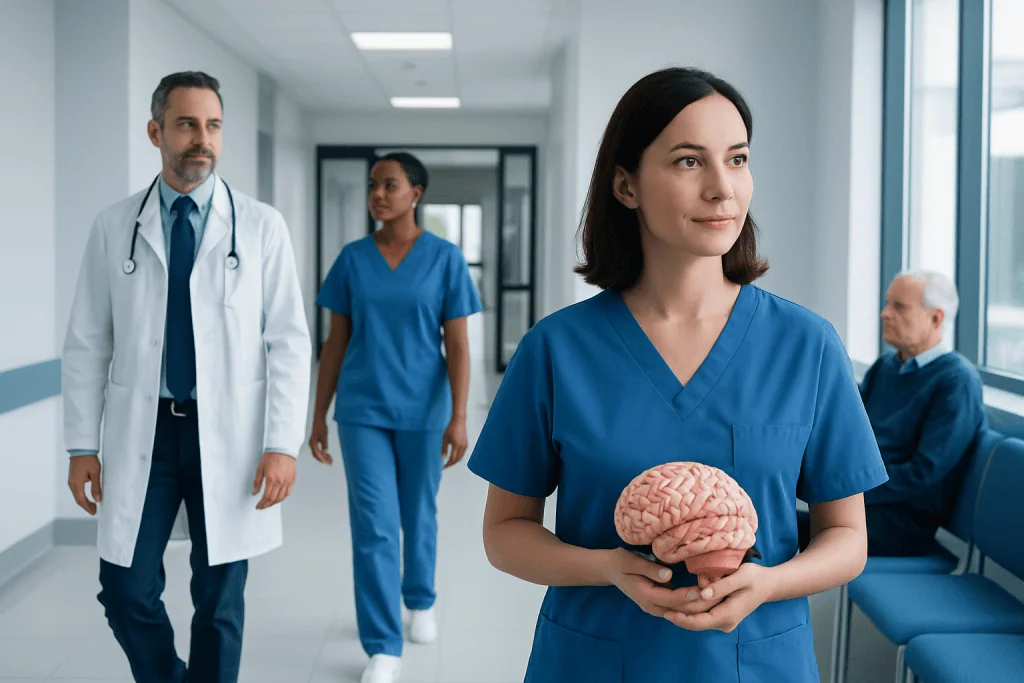
The skull forms a strong outer shell that helps shield the brain from direct injury. The meninges are three protective layers that cover the brain and support blood vessels.
Key Takeaways
- The skull forms a strong outer shell that helps shield the brain from direct injury.
- The meninges are three protective layers that cover the brain and support blood vessels.
- Cerebrospinal fluid cushions the brain and spinal cord and helps remove waste products.
- A constant blood supply is essential because brain cells need oxygen and glucose continuously.
- The blood-brain barrier helps control which substances can enter brain tissue.
- Problems affecting any of these protective systems can become serious and need medical evaluation.
The brain is protected by several closely coordinated systems, including the skull, the meninges, cerebrospinal fluid, and a specialized blood supply. Together, these structures help cushion the brain, deliver oxygen and nutrients, remove waste, and reduce the risk of injury and infection.
Overview: How the Brain Stays Protected
The brain is one of the body’s most important organs, and it is also one of the most delicate. It controls movement, memory, language, emotions, breathing, and many automatic functions that keep a person alive. Because brain tissue is soft and highly sensitive, the body has developed several layers of protection to guard it from everyday strain as well as from injury and disease.
Brain protection does not depend on a single structure. Instead, it comes from a coordinated system that includes the skull, the meninges, cerebrospinal fluid, blood vessels, and the blood-brain barrier. Each part has a different role, but all of them work together to keep the brain stable, nourished, and safe.
The skull provides a rigid outer case. Under the skull are the meninges, which are thin but important layers of tissue that wrap around the brain and spinal cord. Cerebrospinal fluid surrounds and cushions the central nervous system. At the same time, a rich blood supply delivers oxygen and nutrients while helping clear away waste products.
When any of these systems are damaged or disrupted, brain function can be affected. Conditions such as head injury, bleeding, infection, inflammation, hydrocephalus, or stroke can interfere with the brain’s normal protection. Understanding these protective structures can help patients and families better appreciate how the nervous system works and why prompt medical care matters when symptoms appear.
The Skull: The Brain’s Strong Outer Shield
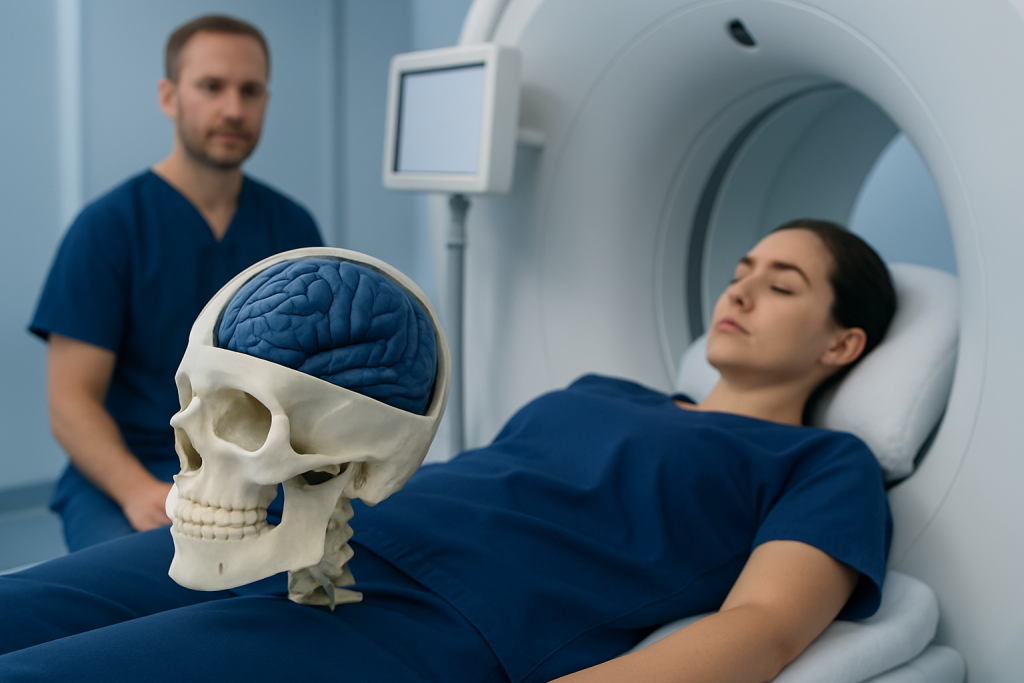
The skull is the hard, bony structure that surrounds the brain. It acts as the first physical barrier against outside force. Although the skull cannot prevent every injury, it greatly reduces the risk of direct damage from minor impacts and everyday movement.
The part of the skull that protects the brain is called the cranium. It is made of several bones joined together by sutures, which are strong fibrous joints. In adults, these bones form a stable protective case. In infants, the skull is more flexible because the bones have not fully fused, allowing room for brain growth.
The skull does more than simply enclose the brain. Its shape supports the arrangement of brain structures, provides attachment points for muscles, and contains openings that allow nerves and blood vessels to pass in and out. This design balances protection with the need for communication between the brain and the rest of the body.
Even with this protection, severe trauma can still injure the brain. A hard blow may cause a concussion, skull fracture, or bleeding inside the head. These injuries may require urgent assessment, often using MRI scanning or CT imaging to look for damage. For this reason, symptoms after head trauma should never be ignored.
The Meninges: Three Protective Layers Around the Brain

Beneath the skull are three membranes called the meninges. These layers cover the brain and spinal cord and add important protection and support. The three meningeal layers are the dura mater, arachnoid mater, and pia mater.
The dura mater is the outermost layer and is thick and tough. It lies just under the skull and helps create a durable protective lining. The arachnoid mater is the middle layer, which is thinner and web-like in appearance. The pia mater is the innermost layer and closely follows the contours of the brain, covering its surface in a delicate but supportive way.
The meninges help stabilize the brain inside the skull and create spaces where blood vessels and cerebrospinal fluid can travel. They also play a role in immune defense. If the meninges become inflamed or infected, the result can be meningitis, a condition that needs prompt medical attention.
Bleeding can also occur between these layers, especially after head trauma. Depending on the exact location, this may lead to epidural, subdural, or subarachnoid bleeding. Because pressure inside the skull can rise quickly, symptoms such as severe headache, confusion, drowsiness, or weakness should be assessed urgently.
Cerebrospinal Fluid: Cushioning and Balance
Cerebrospinal fluid, often called CSF, is a clear fluid that surrounds the brain and spinal cord. It is produced mainly by structures inside the brain called the choroid plexuses. This fluid circulates through cavities in the brain known as ventricles and then around the brain and spinal cord before being reabsorbed into the bloodstream.
One of CSF’s main roles is cushioning. The brain does not rest heavily against the skull. Instead, it is supported in fluid, which helps soften the effect of normal movement and minor jolts. This reduces mechanical stress on delicate brain tissue.
CSF also helps maintain a stable internal environment. It supports the transport of nutrients, assists in removing waste products, and contributes to pressure balance within the skull. In this way, it is an active part of brain health rather than just a passive cushion.
Problems with CSF flow or absorption can lead to increased pressure or enlargement of the ventricles, known as hydrocephalus. This may cause headaches, nausea, balance problems, vision changes, or changes in thinking. When doctors suspect abnormal pressure or fluid circulation, imaging and neurological evaluation are often needed to guide treatment.
Blood Supply and the Blood-Brain Barrier
The brain needs a constant and reliable blood supply. Although it makes up only a small part of body weight, it uses a large share of the body’s oxygen and glucose. Brain cells cannot store much energy, so even a short interruption in blood flow can affect function.
Blood reaches the brain mainly through the carotid and vertebral arteries. These vessels and their branches form a network that helps maintain circulation. If one area is blocked or narrowed, the impact depends on the location, severity, and how quickly blood flow is restored. A major interruption may cause a stroke, which is a medical emergency.
The brain’s blood vessels also have a special protective feature called the blood-brain barrier. This barrier is formed by tightly joined cells lining many brain capillaries, along with supporting cells. It helps control which substances can move from the blood into brain tissue, allowing essential nutrients in while restricting many toxins, germs, and harmful chemicals.
This barrier is highly important, but it is not absolute. Some infections, inflammation, trauma, and certain diseases can disrupt it. Doctors may use tests such as angiography or other imaging studies when there are concerns about brain circulation, bleeding, vessel abnormalities, or reduced blood flow.
What Can Go Wrong With These Protective Systems
Although the brain has excellent built-in protection, several medical conditions can affect these systems. Trauma may injure the skull, cause concussion, or lead to bleeding around the brain. Infections may involve the meninges or brain tissue. Fluid circulation problems can raise pressure inside the head. Blood vessel disorders can reduce oxygen delivery or cause bleeding.
Common categories of problems include head injury, meningitis, encephalitis, hydrocephalus, aneurysm, stroke, and tumors. Some conditions develop suddenly, while others appear gradually. The exact symptoms depend on the part of the brain involved and whether pressure, inflammation, bleeding, or loss of blood flow is present.
Possible warning signs include severe or unusual headache, repeated vomiting, fainting, seizures, new weakness, numbness, confusion, speech difficulty, vision changes, poor balance, and major changes in behavior or alertness. In babies and young children, warning signs may include unusual sleepiness, irritability, feeding difficulty, or a bulging soft spot on the head.
These symptoms do not always mean a serious brain disorder is present, but they should not be dismissed. Because the skull is a closed space, swelling or bleeding can increase pressure and affect brain function quickly. Early medical assessment helps doctors identify the cause and start the right treatment.
Diagnosis and Treatment Options
Doctors evaluate suspected brain problems by combining a medical history, physical examination, and neurological assessment. They ask about symptoms, timing, head injury, infection, medications, and underlying health conditions. The neurological exam may check alertness, speech, strength, sensation, coordination, reflexes, and eye movements.
Imaging tests are often essential. CT scans are useful for quickly detecting fractures, bleeding, or swelling, especially in emergencies. MRI gives more detailed information about soft tissues, the brain, and surrounding structures. In some situations, doctors may also use vascular imaging, blood tests, or a lumbar puncture to assess infection, inflammation, or CSF pressure.
Treatment depends entirely on the cause. Care may include observation, pain control, antibiotics or antivirals for infection, medicines to reduce swelling or seizures, procedures to drain excess fluid, or interventions to restore blood flow. Some patients may need emergency care from neurologists, neurosurgeons, or intensive care specialists.
In complex cases, multidisciplinary care is especially important. Near the end of the care pathway, patients may benefit from coordinated evaluation by neurology, neurosurgery, neuroradiology, and rehabilitation teams. Acibadem International’s multidisciplinary specialists and JCI-accredited hospitals diagnose and treat brain-related conditions for international patients when advanced assessment or treatment is needed.
Prevention, Self-care, and When to Seek Medical Help
Many brain injuries and complications cannot be completely prevented, but several practical steps can reduce risk. Wearing seat belts, using helmets for cycling and contact sports, preventing falls, controlling blood pressure, not smoking, and managing diabetes and cholesterol all support brain health. Preventing infection through vaccination and timely medical care is also important in appropriate situations.
General self-care supports the systems that protect the brain. Good sleep, regular physical activity, hydration, a balanced diet, and following treatment plans for chronic conditions all help maintain healthy circulation and overall neurological function. Alcohol and recreational drugs should be used with great caution, as they can increase the risk of injury and impair judgment.
After a minor head injury, it is sensible to monitor for worsening symptoms. Rest, avoiding another injury, and following a doctor’s advice can help recovery. However, a person should not rely on home care alone if there is severe headache, repeated vomiting, confusion, unusual drowsiness, seizure, weakness, speech trouble, or loss of consciousness.
Urgent medical help is also needed for symptoms that could suggest stroke or serious infection, such as sudden facial drooping, arm weakness, speech difficulty, high fever with neck stiffness, or rapidly changing mental status. Fast evaluation can protect the brain by identifying bleeding, pressure, infection, or reduced blood flow as early as possible.
Frequently asked questions
What are the main structures that protect the brain?
The brain is mainly protected by the skull, the meninges, cerebrospinal fluid, and a specialized blood supply. These structures work together to shield the brain from injury, cushion movement, deliver nutrients, and help keep harmful substances out.
What do the meninges do?
The meninges are three thin layers of tissue that cover the brain and spinal cord. They help support and stabilize the brain, contain important blood vessels and fluid spaces, and contribute to protection against infection and injury.
Why is cerebrospinal fluid important?
Cerebrospinal fluid cushions the brain and spinal cord and helps reduce the effects of normal movement and minor impacts. It also helps transport nutrients, remove waste, and maintain pressure balance inside the skull.
How does blood supply protect the brain?
A constant blood supply keeps brain cells alive by delivering oxygen and glucose. Without steady circulation, brain function can be affected very quickly, which is why problems such as stroke are treated as emergencies.
What is the blood-brain barrier?
The blood-brain barrier is a protective filtering system in the brain’s blood vessels. It helps allow needed substances to pass into brain tissue while limiting many toxins, microbes, and other potentially harmful materials.
Can the brain still be injured even with these protections?
Yes. Although the brain is well protected, serious trauma, bleeding, infection, fluid buildup, or interrupted blood flow can still cause damage. This is why symptoms such as severe headache, confusion, weakness, seizures, or loss of consciousness need prompt medical attention.
References
- World Health Organization
- National Institute of Neurological Disorders and Stroke
- National Institutes of Health
- Centers for Disease Control and Prevention
- Mayo Clinic
This article is for general information only and is not a substitute for professional medical advice. Please consult a qualified doctor about your individual situation.
Explore treatments in Turkey — costs, top hospitals & a free quote
JCI-accredited · board-certified surgeons · reply within 24h
Add us as a Preferred Source to see more of our trusted health content across Google Search, AI Overviews and Discover.