How the Brain Uses Energy: Do We Really Use Only 10 Percent?

The “10 percent of the brain” claim is not supported by modern neuroscience. Different brain regions work together, and activity shifts depending on the task, sleep, and rest.
Key Takeaways
- The “10 percent of the brain” claim is not supported by modern neuroscience.
- Different brain regions work together, and activity shifts depending on the task, sleep, and rest.
- The brain uses a large amount of energy relative to its size because nerve cells need constant fuel.
- Brain scans show widespread activity patterns rather than one small “unused” area.
- Healthy sleep, exercise, nutrition, and medical care support normal brain function.
The idea that people use only 10 percent of their brain is a myth. In reality, the brain is active across many regions throughout the day and uses a significant amount of the body’s energy even at rest.
Overview: the 10 percent myth and what science shows
The claim that humans use only 10 percent of the brain is a popular myth, but it does not match what neuroscience has learned over many decades. Brain imaging, studies of brain injury, and detailed knowledge of nerve cell biology all show that the brain is active in complex ways across many regions. Even simple actions such as speaking, walking, listening, or remembering involve networks that connect different parts of the brain.
Rather than asking what “percentage” of the brain is used, it is more accurate to ask how the brain uses energy and how different regions work together. Some areas become more active during a specific task, while others become less active or help coordinate the task in the background. This shifting pattern is normal and does not mean unused brain tissue is sitting idle.
The brain also remains active during rest and sleep. It regulates breathing, heart rate, body temperature, hormone signaling, balance, and sleep cycles while supporting thought, emotion, and memory. This constant work helps explain why the brain needs a steady supply of oxygen and nutrients.
How the brain uses energy
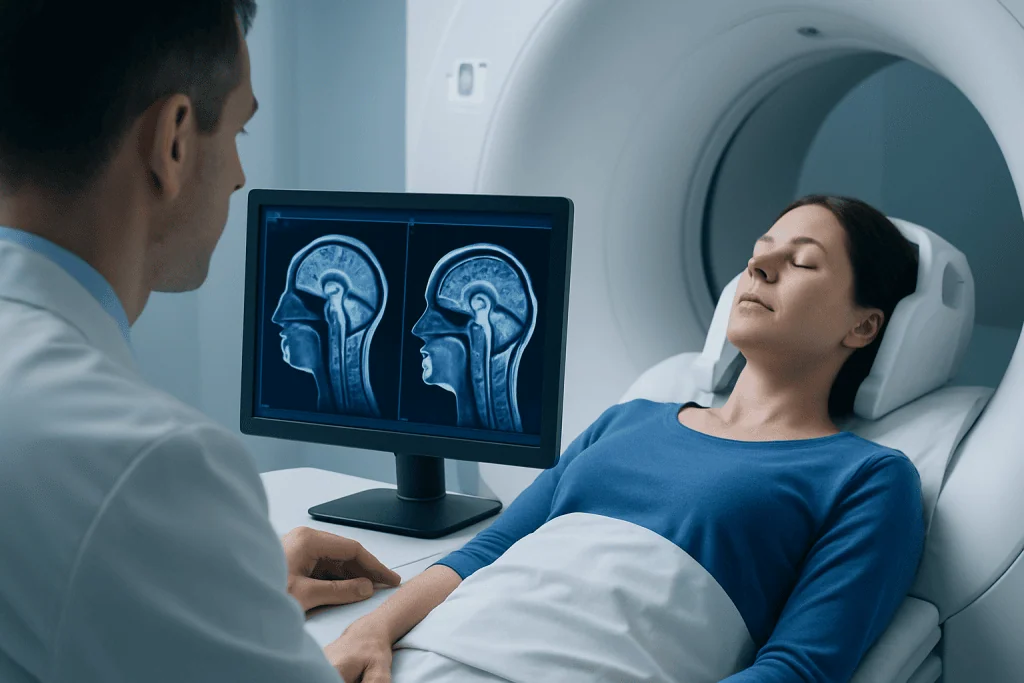
The brain is a relatively small organ compared with total body size, yet it requires a substantial share of the body’s energy. Its cells, especially neurons, need continuous fuel to send signals, maintain electrical gradients, recycle neurotransmitters, and support communication between networks. Unlike some tissues, the brain cannot store much energy for later use, so it depends on a steady blood supply.
Glucose is the brain’s main energy source under usual conditions, and oxygen is essential for turning that fuel into usable energy. Supporting cells called glia also play an important role by helping maintain the chemical environment around neurons, supporting metabolism, and assisting with repair and communication. Energy use is therefore not limited to “thinking hard”; it is also required for basic maintenance and survival.
When a person concentrates, solves a problem, moves, or experiences emotion, energy demand can shift among brain regions. However, the total increase is usually modest compared with the brain’s already high baseline needs. In other words, the brain is metabolically busy even when a person seems to be doing nothing at all.
Doctors may evaluate brain structure or function with neurological examination and imaging such as MRI scanning when symptoms suggest a medical problem. These tools help show how anatomy and function relate, but they do not support the idea that most of the brain is inactive.
Why the 10 percent idea is inaccurate
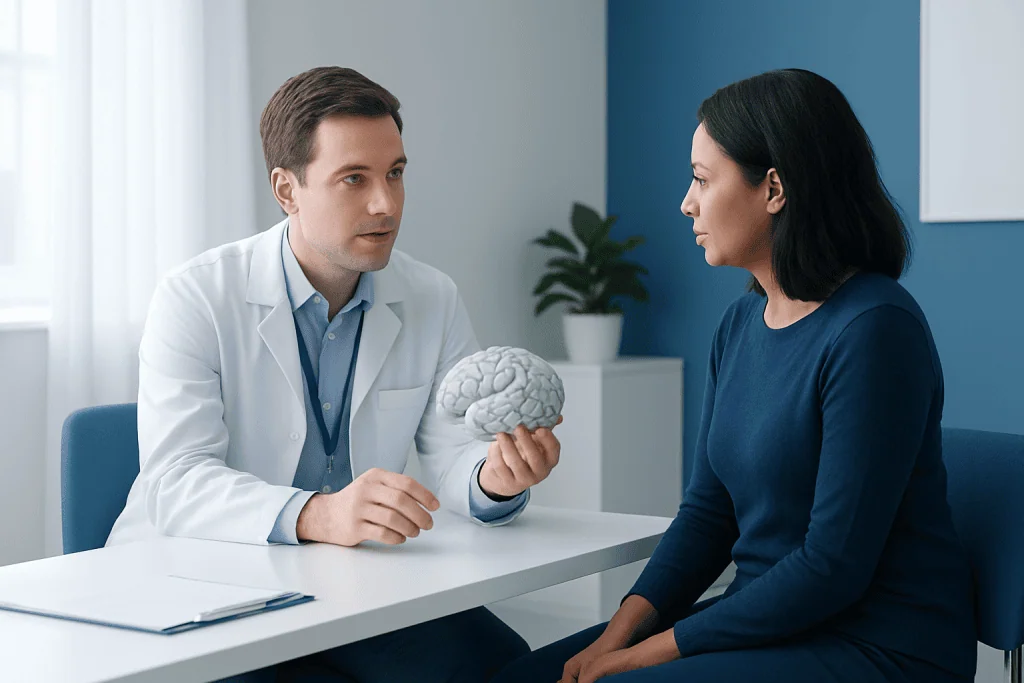
Several lines of evidence show that the 10 percent idea is incorrect. First, brain injuries provide strong real-world evidence. Damage to even small areas can affect language, vision, movement, memory, attention, or personality. If 90 percent of the brain were truly unnecessary, injuries to many regions would have little effect, which is clearly not the case.
Second, modern imaging studies show that many parts of the brain are active over the course of a day. Different tasks recruit different networks, and no single scan captures everything the brain can do. A person reading, planning, recognizing a face, or maintaining balance will show different patterns of activation, but these patterns involve coordinated systems rather than one tiny “used” fraction.
Third, from a biological standpoint, the body would not maintain a large amount of metabolically expensive tissue with no purpose. The brain is energy-demanding, and evolution tends to favor efficient use of resources. Even regions not directly involved in a task may be maintaining readiness, integrating information, or supporting automatic functions.
The myth may persist because people notice that human abilities can improve with learning and practice. This is true, but improvement reflects brain plasticity and skill development, not a hidden 90 percent waiting to be switched on. In some cases, symptoms affecting memory, speech, or behavior may relate to neurological conditions such as Alzheimer’s disease rather than “unused” brain capacity.
What happens in the brain during rest, focus, and sleep
The brain does not simply turn on during work and off during rest. During quiet wakefulness, certain networks remain active and help with internal thought, self-reflection, and memory processing. During focused attention, activity may shift toward networks involved in concentration, decision-making, and sensory processing. These changing patterns are a sign of healthy organization.
Sleep is another example of active brain function rather than inactivity. During sleep, the brain supports memory consolidation, emotional processing, and many restorative processes. Different sleep stages are associated with different patterns of electrical and metabolic activity, and poor sleep can affect attention, mood, reaction time, and learning the next day.
Because brain activity changes depending on context, “use” is not a simple yes-or-no concept. A region may be highly active during one task and less active during another, while still contributing to overall brain health and communication. This is why neuroscientists discuss networks, connectivity, and function rather than trying to assign one fixed percentage of use.
If doctors need to evaluate electrical activity or possible seizure-related symptoms, tests such as electroencephalography (EEG) may be used. These assessments help examine brain function in a medical setting, especially when symptoms suggest abnormal patterns of activity.
Can people improve brain function?
People may not be able to “unlock” a hidden 90 percent of the brain, but they can strengthen brain performance through learning, habits, and medical care. The brain is adaptable, a property known as neuroplasticity. Practice can improve language skills, coordination, memory strategies, and problem-solving because neural connections can be strengthened and refined over time.
Regular physical activity supports blood flow, cardiovascular health, sleep quality, and mood, all of which benefit the brain. Mental stimulation through reading, conversation, learning new skills, music, or structured cognitive activities may also help maintain function. Social connection and stress management are important because chronic stress and isolation can affect concentration, sleep, and emotional well-being.
Medical conditions can also influence how the brain performs. Head injuries, sleep disorders, depression, anxiety, stroke, high blood pressure, diabetes, infections, and neurodegenerative diseases may affect cognition or energy levels. When symptoms are persistent, an evaluation may help identify treatable causes, including conditions such as Parkinson’s disease or other neurological disorders.
Brain health: prevention and self-care
There is no special exercise that activates an unused 90 percent of the brain, but there are well-supported ways to protect brain health. A balanced eating pattern, regular movement, adequate sleep, hydration, not smoking, and limiting alcohol can all support vascular and neurological health. Managing blood pressure, cholesterol, and blood sugar is especially important because the brain depends on healthy blood vessels.
Protecting the brain from injury also matters. Wearing seat belts, using helmets when appropriate, reducing fall risks, and following workplace safety measures can help prevent trauma. Repeated head injuries can affect thinking, mood, and long-term neurological function, so prevention is important at every age.
People should also pay attention to hearing, vision, and mental health. Untreated hearing loss, chronic stress, anxiety, and depression can make concentration and memory feel worse, even when the brain itself is not “underused.” Addressing these factors can meaningfully improve daily function and quality of life.
When specialist care is needed, multidisciplinary teams may use neurological examination, imaging, and rehabilitation planning. Acibadem International’s multidisciplinary specialists and JCI-accredited hospitals evaluate and treat neurological conditions for international patients, including rehabilitation support such as physical therapy and rehabilitation when appropriate.
When to seek medical advice
Occasional forgetfulness, mental fatigue after poor sleep, or difficulty concentrating during stress is common. However, certain symptoms deserve medical attention, especially if they are new, worsening, or affecting daily life. A doctor can help determine whether symptoms are related to lifestyle factors, medication effects, mental health concerns, or a neurological condition.
Medical review is important for persistent memory loss, confusion, speech problems, new weakness, numbness, balance difficulty, fainting, seizures, severe or unusual headaches, or major changes in mood or personality. Sudden symptoms such as facial drooping, trouble speaking, or one-sided weakness require urgent evaluation because they may signal a stroke.
Assessment may include a physical and neurological examination, blood tests, cognitive screening, and imaging such as brain MRI when indicated. Early evaluation can be especially helpful because some causes of cognitive or neurological symptoms are treatable, and timely care may improve outcomes.
Frequently asked questions
Do humans really use only 10 percent of the brain?
No. This is a myth that is not supported by brain imaging, studies of brain injury, or modern neuroscience. Different parts of the brain have different roles, and many regions are active across the day even during rest and sleep.
Why does the brain need so much energy?
The brain needs constant energy to send signals, maintain electrical activity, regulate body functions, and support thinking, memory, and emotion. Its cells depend on a steady supply of oxygen and nutrients, especially glucose under usual conditions.
If the whole brain is used, why do scans show some areas “lighting up” more than others?
Brain scans usually show changes in activity related to a specific task. Some networks become more active while others become less active or continue working in the background. This does not mean the rest of the brain is unused.
Can people improve brain performance?
Yes, but not by unlocking a hidden 90 percent. Brain performance can improve through learning, practice, good sleep, physical activity, stress management, and treatment of medical conditions that affect cognition or mood.
Does thinking harder make the brain use dramatically more energy?
Not usually. Mental effort can shift energy demand toward certain brain regions, but the brain already uses a substantial amount of energy at baseline. Much of its energy is needed for continuous maintenance and communication.
What habits support healthy brain function?
Helpful habits include regular exercise, enough sleep, a balanced diet, avoiding smoking, limiting alcohol, and managing blood pressure, cholesterol, and blood sugar. Social engagement and ongoing mental stimulation may also support brain health.
When should memory or concentration problems be checked by a doctor?
Medical advice is sensible if symptoms are persistent, worsening, or interfering with daily activities. Urgent care is needed for sudden weakness, speech difficulty, severe confusion, seizures, or other sudden neurological changes.
References
- World Health Organization
- National Institute of Neurological Disorders and Stroke
- National Institute on Aging
- Cleveland Clinic
- MedlinePlus
This article is for general information only and is not a substitute for professional medical advice. Please consult a qualified doctor about your individual situation.
Explore treatments in Turkey — costs, top hospitals & a free quote
JCI-accredited · board-certified surgeons · reply within 24h
Add us as a Preferred Source to see more of our trusted health content across Google Search, AI Overviews and Discover.
Check your numbers in seconds
BMI, calories, due date, blood pressure and 30+ more clinical calculators — free, instant, doctor-reviewed ranges.