

How to Choose a Bone and Joint Center for Orthopedic Care
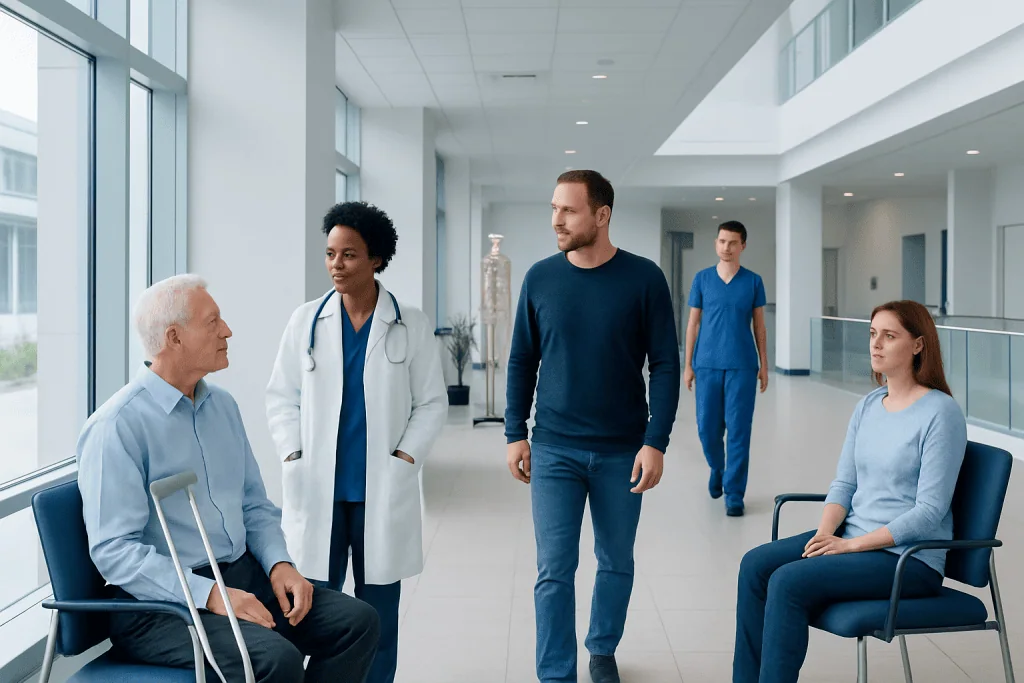
A good bone and joint center offers coordinated care from diagnosis through rehabilitation. Specialist experience in the specific joint, bone, or spine problem matters.
Key Takeaways
- A good bone and joint center offers coordinated care from diagnosis through rehabilitation.
- Specialist experience in the specific joint, bone, or spine problem matters.
- Modern imaging, physical therapy, and surgical services can improve convenience and continuity of care.
- Patients should ask about treatment options, expected recovery, and whether surgery is truly necessary.
- Quality, safety standards, and patient-centered communication are important when comparing centers.
Choosing a bone and joint center involves more than location or convenience. The best orthopedic care usually combines experienced specialists, accurate diagnosis, personalized treatment options, rehabilitation, and clear communication.
Overview: What a Bone and Joint Center Does
A bone and joint center is a medical service focused on conditions that affect the musculoskeletal system. This includes bones, joints, muscles, tendons, ligaments, and often the spine. People may visit these centers for arthritis, sports injuries, fractures, back pain, tendon problems, or long-term wear-and-tear conditions that affect movement and comfort.
The main goal of a bone and joint center is to provide coordinated orthopedic care. Instead of seeing separate providers in different locations, patients may have access to orthopedic surgeons, sports medicine doctors, physiatrists, pain specialists, radiologists, and rehabilitation professionals in one organized system. This can make the process of diagnosis, treatment planning, and recovery more straightforward.
Not every center is the same. Some focus mainly on surgery, while others emphasize conservative care first, such as physical therapy, exercise-based treatment, medication guidance, bracing, or image-guided procedures. For many patients, the most suitable center is one that offers the full range of options and recommends the least invasive effective treatment before considering an operation.
When choosing a bone and joint center, it helps to think beyond the building itself. The quality of the team, access to appropriate tests, communication style, rehabilitation support, and experience with the patient’s specific problem are often more important than the center’s size alone.
When to Consider Orthopedic Care
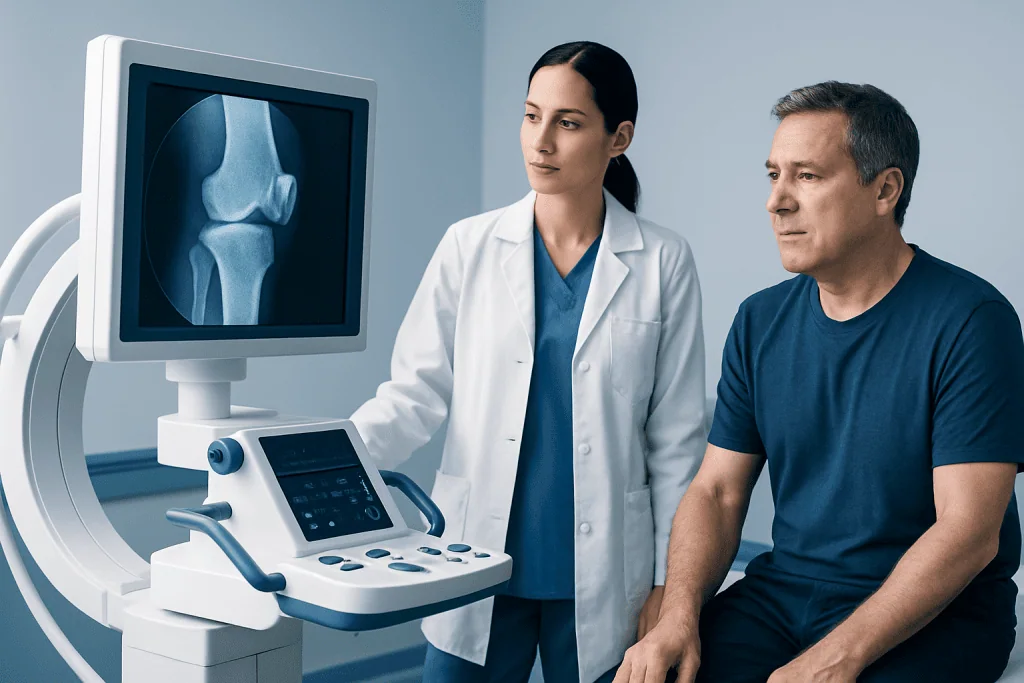
Orthopedic care may be helpful when pain, stiffness, swelling, weakness, or instability begins to interfere with daily activities. This can include difficulty walking, climbing stairs, lifting objects, exercising, sleeping comfortably, or returning to work. Symptoms may start suddenly after an injury or develop gradually over time.
Common reasons people seek help from a bone and joint center include knee pain, hip pain, shoulder injuries, hand and wrist problems, foot and ankle conditions, and back or neck symptoms. Some patients also need care after a fracture, a sports injury, or repeated strain from work or exercise. Others may be living with chronic conditions such as osteoarthritis or inflammatory joint disease and need long-term management.
It is also reasonable to seek an orthopedic opinion when symptoms do not improve with rest, home care, or general treatment. Ongoing swelling, repeated injuries, a sense that a joint is giving way, loss of range of motion, or pain that returns again and again may signal a need for more detailed assessment.
Early evaluation can sometimes prevent small problems from becoming larger ones. For example, a tendon strain, cartilage injury, or alignment issue may respond better when addressed before it leads to compensation, weakness, and more persistent pain.
What to Look for in a Bone and Joint Center
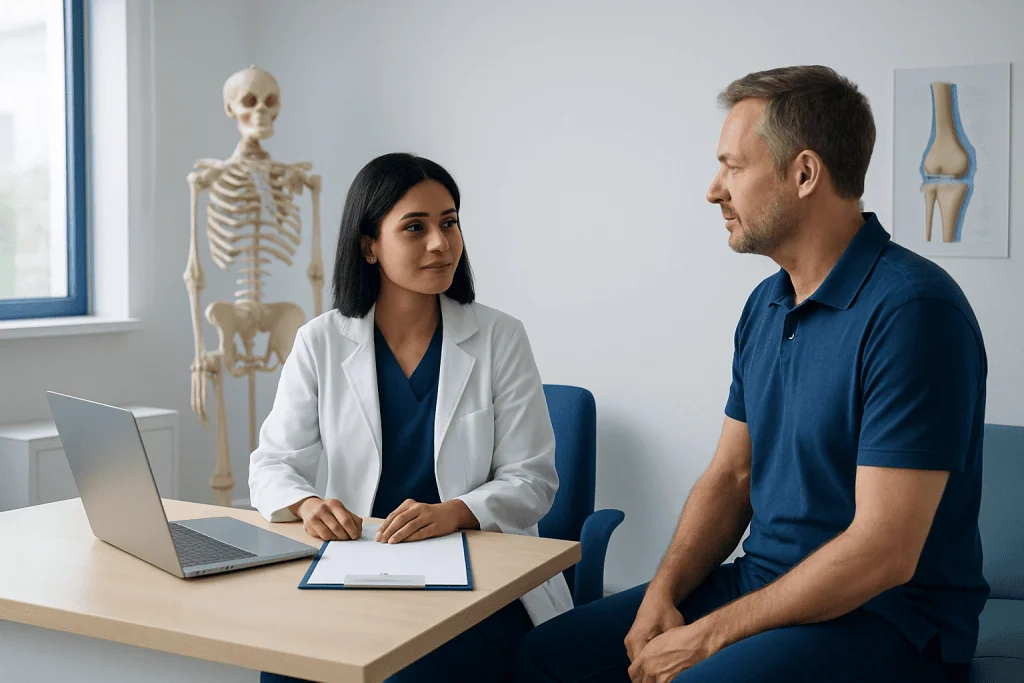
One of the most important factors is specialist expertise. Orthopedics includes many subspecialties, and a patient with shoulder instability may need a different expert than someone with hip arthritis or spinal stenosis. A strong center usually has physicians with focused experience in areas such as knee surgery, sports medicine, hand surgery, foot and ankle care, pediatric orthopedics, or spinal conditions.
Diagnostic services are also important. Accurate care starts with understanding the cause of symptoms, not just the location of pain. A well-equipped center may offer imaging such as X-rays and MRI, movement assessment, and, when appropriate, laboratory tests or ultrasound-guided evaluation. For some problems, access to MRI scanning helps clarify whether symptoms are related to cartilage, ligaments, tendons, discs, or bone changes.
Patients may also want to ask whether the center provides a full continuum of care. This includes:
- Non-surgical treatment, such as medication guidance, injections, bracing, and exercise therapy
- On-site or coordinated rehabilitation services
- Surgical care when needed, including minimally invasive techniques where appropriate
- Follow-up planning for recovery, mobility, and return to activity
Communication matters just as much as technology. A good orthopedic center explains findings clearly, discusses alternatives, and helps patients understand the expected benefits and limitations of treatment. Patients should feel comfortable asking questions and participating in decisions rather than feeling rushed toward one option.
Comparing Non-Surgical and Surgical Treatment Options
Many orthopedic problems can be treated without surgery, at least initially. Depending on the diagnosis, treatment may include rest, activity changes, anti-inflammatory strategies, targeted exercise, manual therapy, injections, splints, or supportive footwear. A center that values conservative care often works closely with rehabilitation specialists to improve strength, mobility, and function before considering an operation.
For patients with persistent pain or structural damage, surgery may sometimes be the most effective option. In these cases, it helps to choose a center that offers procedure-specific expertise. Examples include arthroscopic surgery for selected joint injuries, fracture fixation, tendon repair, or knee replacement for severe joint damage when symptoms meaningfully affect daily life.
Patients should ask how the team decides whether surgery is needed. A careful approach usually considers the diagnosis, severity of symptoms, previous treatments, activity goals, age, general health, and likely recovery timeline. Surgery should generally be recommended because it matches the patient’s needs and medical findings, not simply because it is available.
It is also helpful to ask what happens after treatment. In orthopedics, recovery often depends on rehabilitation as much as the procedure itself. Centers that plan ahead for pain control, mobility support, wound care, physical therapy, and return-to-activity guidance can make the overall care experience more consistent and less stressful.
Why Rehabilitation and Multidisciplinary Care Matter
Rehabilitation is a core part of orthopedic care, not an afterthought. Whether a patient is recovering from a sprain, managing chronic back pain, or healing after surgery, physical therapy and guided rehabilitation can help restore strength, flexibility, coordination, and confidence in movement. A bone and joint center with integrated rehab services may provide smoother transitions between diagnosis, treatment, and recovery.
Multidisciplinary care can be especially useful for complex problems. For example, hip or knee pain may involve joint wear, muscle weakness, gait changes, and weight-bearing habits. Back pain may involve discs, nerves, posture, core strength, and occupational strain. In these situations, orthopedic surgeons, physiatrists, radiologists, pain specialists, and therapists may all contribute to a more complete plan.
Centers that treat athletes or active individuals may also offer sport-specific rehabilitation, movement analysis, and return-to-play planning. This can be valuable for reducing the risk of re-injury and helping patients return to activity gradually and safely rather than too quickly.
In some cases, orthopedic symptoms overlap with other conditions. Numbness, swelling, fever, significant weakness, or widespread inflammation may require input from neurology, rheumatology, vascular medicine, or internal medicine. A center that recognizes these overlaps and coordinates referrals appropriately can support safer, more accurate care.
Questions Patients Can Ask Before Choosing a Center
Patients do not need to be medical experts to compare centers thoughtfully. Asking a few practical questions can reveal a great deal about quality and fit. It can be helpful to ask who would manage the case, what tests might be needed, whether non-surgical treatment is available first, and how recovery would be monitored.
Useful questions may include:
- Does the center regularly treat this specific condition or injury?
- Will care involve one specialist or a team approach?
- What non-surgical options are available?
- If surgery is discussed, why is it recommended and what are the alternatives?
- What type of rehabilitation is offered after treatment?
- How are pain, mobility, and return to activity assessed over time?
- What safety standards and quality processes are in place?
Patients may also want to consider practical details such as appointment availability, imaging access, insurance or international patient support, and how easily the care team can be reached with follow-up questions. These points do not replace medical quality, but they can affect the overall experience.
For people traveling for care, coordination becomes even more important. A center that can organize consultations, diagnostics, treatment planning, and rehabilitation guidance in a structured way may reduce unnecessary delays. Acibadem International’s multidisciplinary specialists and JCI-accredited hospitals diagnose and treat orthopedic conditions for international patients when advanced evaluation or treatment is needed.
How to Make the Final Decision and When to Seek Prompt Medical Attention
The final decision often comes down to trust, clarity, and whether the center’s strengths match the patient’s needs. A person with a sports injury may prioritize sports medicine and rehabilitation. Someone with advanced joint damage may look for extensive joint replacement experience. A patient with back pain may prefer a center that offers careful diagnosis and conservative management before surgery.
It can be sensible to seek a second opinion, especially if surgery has been recommended, the diagnosis is uncertain, or treatment has not helped. A second opinion may confirm the original plan or offer other options. In either case, it can help patients feel more informed and confident about next steps.
Prompt medical attention is important after major trauma, suspected fractures, joint deformity, inability to bear weight, severe swelling, loss of sensation, sudden weakness, or signs of infection such as fever with a hot, swollen joint. These symptoms do not always mean a serious emergency, but they should not be ignored.
In general, the best bone and joint center is one that combines expertise, evidence-based care, patient education, and continuity from diagnosis through recovery. Care decisions are most effective when they are individualized, realistic, and made in partnership with a qualified medical team.
Frequently asked questions
What is a bone and joint center?
A bone and joint center is a medical service focused on musculoskeletal conditions such as arthritis, fractures, sports injuries, tendon problems, and back or neck pain. These centers often bring together orthopedic specialists, imaging services, and rehabilitation in one coordinated setting.
How do patients know if they need orthopedic care?
Orthopedic care may be helpful when pain, swelling, stiffness, weakness, or instability affects daily life or does not improve with simple home measures. It is also important after injuries, suspected fractures, or repeated joint problems.
Should patients choose a center that offers surgery?
It is often helpful to choose a center that offers both non-surgical and surgical care, even if surgery may not be needed. This gives patients access to a full range of options and helps ensure treatment is based on the condition rather than a single approach.
Why is rehabilitation important in orthopedic treatment?
Rehabilitation helps restore movement, strength, balance, and function after injury or surgery. It can also reduce pain and support safer return to work, exercise, and everyday activities.
Is it reasonable to get a second opinion before orthopedic surgery?
Yes, a second opinion is often reasonable, especially if surgery is being considered or the diagnosis is unclear. It can help patients better understand their options, expected recovery, and whether conservative treatments should be tried first.
What should patients ask during the first visit to a bone and joint center?
Patients can ask about the likely cause of symptoms, which tests are needed, what treatment options are available, and how recovery will be monitored. It is also useful to ask whether physical therapy, injections, or other non-surgical treatments might help before surgery is considered.
References
- American Academy of Orthopaedic Surgeons
- National Institute of Arthritis and Musculoskeletal and Skin Diseases
- American College of Sports Medicine
- World Health Organization
This article is for general information only and is not a substitute for professional medical advice. Please consult a qualified doctor about your individual situation.
Joint and spine care in Turkey — expert assessment & treatment
JCI-accredited · board-certified surgeons · reply within 24h
Add us as a Preferred Source to see more of our trusted health content across Google Search, AI Overviews and Discover.

More from the Health Library



Related Specialists

Prof. Dr. Aziz Yazar
Medical Oncology
Dr. Nurcan Öztürk Yumuk
Anesthesiology
Fzt. Merve Cingöz
Physical Medicine & Rehabilitation
Dr. Mehmet Ercan
Radiology